
Sauces & Condiments
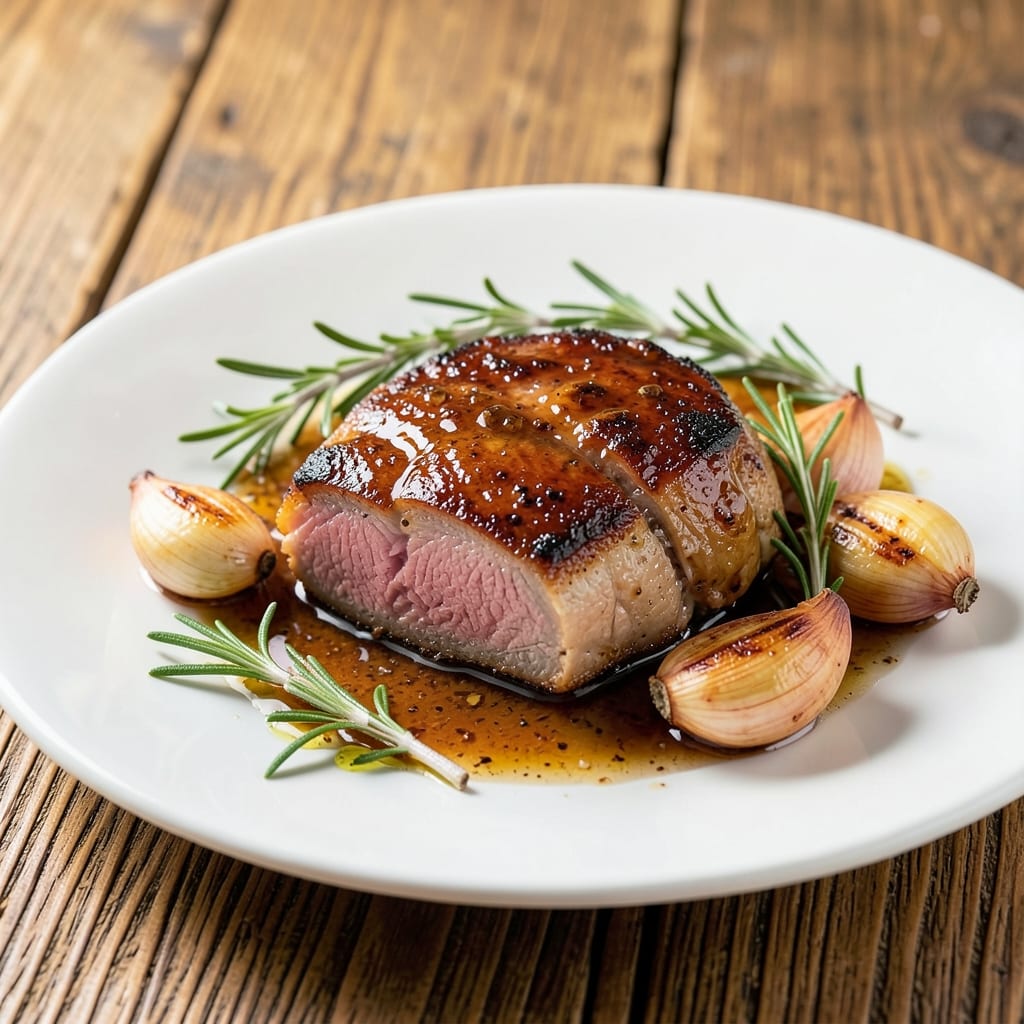
This apple cider vinegar pork marinade recipe transforms tough pork cuts into melt-in-your-mouth perfection with just a few hours of work. 💛 As someone who's cooked thousands of pounds of pork, I can tell you this marinade is my go-to for achieving that signature tender, tangy flavor that makes pork shine—whether you're grilling, roasting, or slow-cooking.
The magic lies in the acidity of apple cider vinegar, which breaks down tough muscle fibers while infusing the meat with bright, aromatic flavors. I've refined this recipe over years of cooking competitions and family gatherings, where it's become a staple for everything from pulled pork to chops. The combination of garlic, mustard, and herbs creates layers of depth that elevate even the simplest pork dish.
What you'll get is pork that's not just tender but packed with flavor—juicy, aromatic, and ready to be cooked your preferred way. The marinade keeps well in the fridge for up to 5 days, so you can prep ahead and save time on busy weeknights. This isn't just a marinade; it's your secret weapon for restaurant-quality pork at home.
Perfect for grilling, roasting, or braising, this marinade works equally well with pork shoulder, chops, or tenderloin. The acidity also helps create that beautiful caramelized crust when cooked, making every bite worth the wait. Let's get started on transforming your pork game forever.
Ingredients for apple cider vinegar pork marinade
Nine ingredients, hours of flavor—this marinade turns tough pork into melt-in-your-mouth perfection.
| Ingredient | Amount | Notes |
|---|---|---|
| Apple Cider Vinegar 🍏 | 1 cup | Raw, unfiltered preferred |
| Extra-Virgin Olive Oil 🫒 | ½ cup | High-quality, fruity flavor |
| Yellow Mustard 🌶️ | ¼ cup | Dijon for extra tanginess |
| Garlic Cloves 🧄 | 8 cloves | Minced or finely chopped |
| Fresh Rosemary 🌿 | ¼ cup | Finely chopped, stems removed |
| Fresh Thyme Leaves 🌿 | ¼ cup | Or 1 tbsp dried thyme |
| Granulated Garlic 🧄 | 1 tbsp | For extra garlic punch |
| Kosher Salt 🧂 | 1 ½ tbsp | Diamond Crystal preferred |
| Black Peppercorns 🌶️ | 1 tsp | Freshly cracked preferred |
| Brown Sugar 🍚 | 2 tbsp | Light or dark variety |
The apple cider vinegar is the star—Bragg Organic or Mott's are my go-tos, but any raw, unfiltered brand works. Fresh herbs make all the difference here, so skip the dried unless you're in a pinch. Trader Joe's has great fresh rosemary and thyme at reasonable prices. The garlic? Freshly minced is ideal, but granulated garlic in a pinch works too. For competitive edge, toast your spices lightly before adding—the rosemary and thyme develop deeper flavors that way.
No Dijon mustard? Yellow mustard plus 1 tsp lemon juice gets you close. Short on rosemary? Fresh sage or marjoram at half the amount works beautifully. The brown sugar helps balance the acidity—coconut sugar is a 1:1 swap if you prefer. For extra richness, add 1 tbsp soy sauce or Worcestershire (check for vinegar-free versions). This marinade doubles easily, so make extra for your next pork project. The acidity means it won't keep forever—use within 5 days for best results.
Store in an airtight container in the fridge—5 days max for peak flavor. The acidity helps preserve it longer than most marinades, but pork should marinate 4-12 hours for best tenderness. For best results, reserve 1/4 cup before marinating your pork—use it to baste while cooking. The leftovers? Perfect for salad dressings or quick marinades for chicken or tofu. Freeze in ice cube trays for single-use portions—3 months in the freezer.
Why You'll Love This Recipe
- No-Fuss Pantry Mix: This marinade lives in my fridge all the time—just dump vinegar, oil, mustard, and minced garlic (no fancy tools needed). The rosemary sprigs? I snip them with kitchen shears while chatting with my kid about their day. Honestly, it’s the kind of recipe that makes me feel like a competent adult.
- Tangy Crispy Magic: That vinegar cuts through the richness, while the mustard adds a subtle heat that lingers. The garlic and rosemary? They turn bland pork into something ridiculously good—think caramelized edges with a juicy, herby bite. I’ll be real: my husband steals it straight from the grill.
- Weeknight to BBQ Hero: Slather it on chicken thighs for a Tuesday dinner, or let it work its magic on pork chops for a weekend cookout. Between us, it’s my go-to for game day snacks too—just toss some cubes in the marinade, bake, and boom. No one ever guesses it’s this easy.
Step-by-step instructions for apple cider vinegar pork marinade
This marinade works magic—transforming tough pork into melt-in-your-mouth perfection in hours.
👨🍳 Step 1: Whisk Together the Base Ingredients
In a large mixing bowl, combine the 1 cup apple cider vinegar and 0.5 cup extra-virgin olive oil. Give it a good stir—this is where the magic starts. The vinegar's acidity will begin breaking down the pork's proteins right away, while the olive oil carries the flavors deep into the meat.
Add the 0.25 cup yellow mustard and 2 tablespoons brown sugar to the bowl. The mustard adds tangy depth, while the brown sugar creates a subtle caramelization when cooked. Whisk everything together until the sugar dissolves completely and the mixture looks smooth and emulsified. Here's the thing—this base needs to be fully integrated so the marinade works evenly on every surface of the pork.
🍳 Step 2: Incorporate the Aromatics and Seasonings
Next, add the 8 cloves garlic cloves (minced or finely chopped) and 1 tablespoon granulated garlic. I like to use both fresh and granulated garlic for that extra punch of flavor. Then stir in the 0.25 cup fresh rosemary and 0.25 cup fresh thyme leaves. These herbs bring earthy, piney notes that pair perfectly with pork.
Finally, add the 1.5 tablespoons kosher salt and 1 teaspoon black peppercorns (freshly cracked if possible). The salt enhances all the flavors and helps tenderize the meat, while the pepper adds a subtle heat. Mix everything together until the herbs are evenly distributed and the marinade has a rich, aromatic smell. This is your cue to taste it—it should be tangy, slightly sweet, and full of garlic and herb brightness.
⏰ Step 3: Marinate the Pork for Maximum Tenderization
Place the pork in a resealable plastic bag or a shallow dish and pour the marinade over it, ensuring every surface is coated. For best results, I recommend marinating for at least 4 hours, but overnight (12-24 hours) is ideal. The acid in the vinegar does most of its work in the first few hours, but longer marinating ensures deeper flavor penetration and maximum tenderness.
During the marinating process, the pork will absorb the flavors and begin to soften. If you're using a bag, seal it tightly and refrigerate. If using a dish, cover it with plastic wrap. Real talk: Don't skip the refrigeration—this isn't just for safety, it's for even flavor distribution. After 4 hours, you'll notice the pork has absorbed some of the marinade and looks glossy. This is your signal that it's ready to cook—whether you're grilling, roasting, or pan-searing.
Pro Tips For Making Apple Cider Vinegar Pork Marinade
- Whisk the Vinegar First: Pour the apple cider vinegar into your mixing bowl before adding anything else—this keeps the mustard from curdling when you stir in the oil. I learned this the hard way after scraping clumps out of my marinade twice.
- Smash That Garlic: Use a flat side of your knife to crush the garlic cloves before mincing—this releases more flavor and prevents bitter almond-like chunks. (Yes, even if you’re impatient like me.)
- Don’t Drown the Rosemary: Tear the rosemary sprigs with your hands instead of chopping—this releases the oils without turning your marinade into a pine-scented swamp. A few rough pieces look rustic and taste better.
- Marinate Cold, Then Warm: Let the pork sit in the fridge for at least 4 hours, but pull it out 30 minutes before cooking to let the surface dry slightly—this guarantees a better sear. (Your future self will thank you.)
Essential equipment for this dish
Mixing Bowls
Start with a large mixing bowl (at least 8-quart capacity) for combining your marinade ingredients. I prefer stainless steel bowls because they’re durable and won’t absorb flavors, but a glass bowl works just as well. The key is choosing a bowl that’s big enough to accommodate all ingredients without spilling—this marinade is thick and aromatic, so you’ll want room to whisk properly. 🌿
Measuring Tools
Precision matters when measuring ingredients like apple cider vinegar and olive oil. I use a liquid measuring cup with clear markings for the vinegar and oil, and a spoon rest to keep my measuring spoons organized. For the garlic cloves and herbs, a microplane or fine grater saves time compared to mincing by hand. A digital kitchen scale is optional but helpful for measuring the brown sugar if you prefer metric.
Plastic Bags
For marinating, resealable plastic bags (like Glad Gallon Freezer Bags) are my go-to because they create a tight seal that keeps the pork fully submerged in the marinade. If you’re marinating larger cuts like a pork shoulder, use a quart-size bag to ensure even coating. For smaller cuts like chops, a half-gallon bag works perfectly. Pro tip: Place the pork in the bag first, then pour the marinade over it to minimize spills. ⚡
Whisk or Fork
A balloon whisk is ideal for emulsifying the apple cider vinegar and olive oil into a smooth base, but a sturdy wooden spoon or fork works in a pinch. The goal is to fully integrate the ingredients so the marinade coats the pork evenly. I like to whisk until the mixture looks silky—this ensures the flavors distribute perfectly. If you’re short on time, a hand mixer on low speed can speed up the process without over-mixing.
Storage Containers
Store leftover marinade in an airtight container—I prefer glass jars with tight-sealing lids (like Ball Mason Jars) for fridge storage. For freezer storage, use freezer-safe plastic containers or silicone ice cube trays for single-serving portions. Label everything with the date to track freshness. The acidity in this marinade helps preserve it longer than most, but I never keep it beyond 5 days in the fridge or 3 months in the freezer. 💫
Nutrition facts
Frequently asked questions
Can I use this marinade on other meats besides pork?
This marinade works wonderfully on chicken, turkey, and even tofu. The acidity helps tenderize proteins, while the herbs and spices add depth. For chicken, marinate for 2-4 hours—never longer than 6 hours to avoid over-tenderizing. For tofu, use it as a quick marinade (30-60 minutes) before pan-frying or grilling.
What if I don't have fresh rosemary or thyme?
No problem! Swap fresh rosemary for 1 tbsp dried rosemary or 1 tsp dried thyme (reduce by ⅓). For extra flavor, add 1 tsp smoked paprika or ½ tsp ground coriander. If you're missing both, fresh sage or marjoram work beautifully—just use half the amount of the original herbs.
How do I know when the pork is fully marinated?
Look for these signs: the pork will appear glossy and slightly sticky from absorbed marinade, and the surface will feel tender when pressed gently. For chops or tenderloin, 4 hours is enough, but tougher cuts like pork shoulder need 12-24 hours. Pro tip: If the marinade looks cloudy or the pork isn't absorbing it, give it a few more hours—refrigerate uncovered for better air circulation.
Can I reuse leftover marinade?
Yes, but only if you boil it first! After removing the pork, simmer the marinade for 5 minutes to kill any bacteria, then use it as a glaze for roasted veggies or a tangy dressing. Never reuse raw marinade without cooking it—this rule applies to all acidic marinades, including this one.
Why does my pork turn out tough after marinating?
Over-marinating is the most common culprit! The acid in apple cider vinegar breaks down proteins, but too much time (24+ hours) can make meat mushy. For tender cuts like chops, stick to 4-6 hours. For tough cuts, 12-24 hours is ideal. Also, ensure your pork is fully submerged in the marinade and refrigerated—never leave it at room temperature.