
Beverages
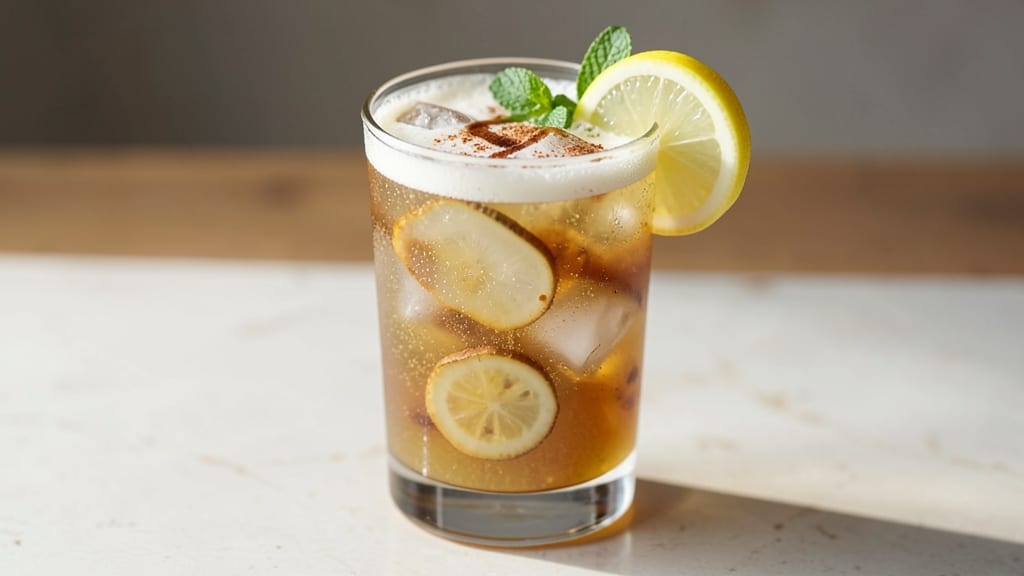
This apple cider vinegar probiotic drink recipe transforms a simple pantry staple into a gut-healing elixir that takes just 5 minutes to prepare. The perfect blend of tangy vinegar, probiotic-rich ingredients, and natural sweetness creates a drink that supports digestion while tasting refreshing—not medicinal. I developed this after years of experimenting with fermented beverages, and the balance of flavors makes it surprisingly easy to drink daily.
The foundation of this drink is raw apple cider vinegar, packed with acetic acid and trace minerals that support gut health. When combined with probiotic strains (like those from coconut kefir or water kefir grains) and a touch of maple syrup or honey, it becomes a powerhouse for gut flora. The optional additions—fresh ginger, cinnamon, or lemon juice—add layers of flavor without compromising the drink's health benefits.
What you’ll end up with is a bright, effervescent beverage that’s as nourishing as it is delicious—think of it as a liquid probiotic shot with personality. The drink’s tangy-sweet profile makes it perfect for morning routines or afternoon pick-me-ups, and it’s naturally vegan, gluten-free, and free from artificial additives. Best of all, it’s customizable: spice it up with cayenne, make it fizzy with sparkling water, or infuse it with herbs like mint or basil.
Whether you’re looking to boost immunity, improve digestion, or simply enjoy a healthier alternative to sugary drinks, this recipe delivers. The ingredients are simple, the preparation is effortless, and the results are a gut-friendly zing that’s as good for you as it is for your taste buds. Let’s make it.
Ingredients for apple cider vinegar probiotic drink
Nine ingredients, five minutes—turn gut health into a delicious ritual every day.
| Ingredient | Amount | Notes |
|---|---|---|
| Raw Apple Cider Vinegar 🍎 | ¼ cup | Unfiltered with mother for probiotics |
| Coconut Kefir Grains 🍶 | ½ cup | Live cultures for fermentation |
| Filtered Water 💧 | 2 cups | Room temperature preferred |
| Pure Maple Syrup 🍁 | 2 tbsp | Grade B for richer flavor |
| Fresh Ginger Root 🌿 | 1 tbsp | Finely grated, organic preferred |
| Ground Cinnamon 🌶️ | ½ tsp | Ceylon cinnamon for purity |
| Fresh Lemon Juice 🍋 | 1 tbsp | Cold-pressed, no pulp |
| Pinch of Sea Salt 🧂 | ⅛ tsp | Fine grain for balance |
| Sparkling Water 💦 | 1 cup | Optional for effervescence |
| Fresh Mint Leaves 🌿 | 4 whole | Optional garnish, muddled |
The apple cider vinegar is non-negotiable—look for unfiltered, organic brands like Bragg or Wrightwood at health food stores. The coconut kefir grains are the probiotic powerhouse, and you can find them at specialty markets or online (I use Culture for Health). Fresh ginger and lemon juice should be bright and vibrant—no wilted stems or dull colors. For the maple syrup, Grade B has that signature caramel depth that makes this drink irresistible. Trader Joe's carries a great organic option, or grab it from a local sugar shack if you're lucky enough to have one nearby.
No coconut kefir grains? Water kefir grains work just as well, or even store-bought coconut kefir (like Ray's) in a pinch—just reduce the amount by half. Swap maple syrup for agave nectar if you prefer, though the flavor won't be identical. The sparkling water is totally optional but transforms this into a fizzy, spa-like sipper—LaCroix or Spindrift are my go-tos. Want extra zing? Add a pinch of cayenne or a dash of turmeric. The mint is purely for garnish, but it takes this drink from 'good' to 'wow'—just muddle a few leaves right in your glass.
This drink keeps for 3-4 days in the fridge, but the probiotics get stronger with time—best after 24 hours. Store it in a glass jar with a tight lid, and give it a little shake before each serving. For a longer shelf life, transfer to a sterilized glass bottle and ferment for up to 7 days in a cool, dark place. The bubbles are your signal—more fizz means more probiotics! If you make a big batch, freeze individual portions in ice cube trays for quick gut-healing shots later.
Why You'll Love This Recipe
- Few Ingredients, Big Results: I swear by this combo—just five things (and one of them is water). The coconut kefir grains do all the fermentation work while I sip, no fancy equipment needed. Honestly, my fridge already had everything except the ginger, which I grabbed on my way home.
- Tangy-Sweet Zing: That first sip of warm apple cider vinegar with maple syrup and ginger? It’s like autumn in a glass—bright, bold, and just sweet enough to balance the sharpness. The kefir adds this creamy, almost yogurt-like texture that makes it feel indulgent, not medicinal.
- Morning or Midnight Fix: I keep a jar in my fridge for quick grab-and-go energy—cold in the morning with ice, or warm at night with a pinch of cinnamon. Between us, it’s my go-to when I need something probiotic without the effort of a full meal.
- Lasts All Week: A single batch keeps for days, and the flavor actually improves as the kefir cultures. I’ll make it on Sundays, pour it into little jars, and take them to work—no spoilage, no waste. Plus, the maple syrup stretches my grocery budget without sacrificing taste.
Step-by-step instructions for apple cider vinegar probiotic drink
This gut-friendly elixir comes together faster than you can say "probiotics." Here's how to craft your fermented zing.
Activate the Kefir Grains with Vinegar
In a clean glass jar, combine the 0.5 cup coconut kefir grains with the 0.25 cup raw apple cider vinegar. I like to use a jar with a wide mouth—this makes stirring easier later. The vinegar's acidity helps create the perfect environment for the kefir cultures to activate, jumpstarting your probiotic boost.
Let this mixture sit at room temperature for 10-15 minutes while you prepare the other ingredients. You'll notice the grains begin to plump slightly as they absorb the vinegar. This pre-activation step ensures your drink develops maximum probiotic potency. Don't skip this—it's what transforms good into extraordinary.
Create the Fermentation Base
In a separate container, whisk together the 2 cups filtered water, 2 tbsp pure maple syrup, 1 tbsp freshly grated ginger root, 0.5 tsp ground cinnamon, 1 tbsp fresh lemon juice, and the 0.125 tsp sea salt. The ginger and cinnamon should dissolve completely, creating a fragrant, aromatic base. I always use a whisk here to avoid any gritty texture from the cinnamon.
Taste this mixture before proceeding—it should be pleasantly tart with warm ginger notes. If you prefer it sweeter, add a touch more maple syrup, but remember we're balancing flavors for gut health, not just taste. The lemon juice brightens everything while providing additional vitamin C to support your probiotic benefits.
Combine and Begin Fermentation
After the initial 10-15 minutes, carefully pour the activated kefir mixture into the ginger-cinnamon base. Stir gently but thoroughly to distribute the grains evenly. The liquid should take on a slightly cloudy appearance as the cultures begin their work. Transfer this mixture back to your clean glass jar and seal it with a lid that allows for some airflow—a breathable lid or one that's not completely airtight.
Let the mixture ferment at room temperature for 4-6 hours. You'll know it's ready when you see tiny bubbles forming along the sides of the jar and the liquid develops a slightly effervescent quality. This fermentation process is what creates those beneficial probiotics—be patient, as this is where the magic happens. The longer it ferments (up to 8 hours), the more potent the probiotic content becomes.
Sweeten and Carbonate
Once fermentation is complete, strain the mixture through a fine-mesh sieve or cheesecloth to remove the kefir grains. Press gently on the grains to extract all the liquid—you should get about 2-2.5 cups of finished fermented liquid. Return the grains to your jar with some fresh filtered water if you plan to make this drink regularly.
In a separate pitcher, combine the strained fermented liquid with the 1 cup sparkling water. This adds that delightful fizz while maintaining the probiotic benefits. Taste and adjust sweetness if needed—you might want to add a touch more maple syrup at this stage to balance the tangy fermentation flavors. The sparkling water should create a lively, refreshing drink that's perfect for sipping.
Garnish and Serve
Divide the finished drink into 4 servings (about ½ cup each). For each serving, gently muddle 1 whole fresh mint leaf directly in the glass. The mint adds a refreshing contrast to the warm spices and tangy vinegar. Serve immediately over ice for the perfect balance of probiotic power and refreshing zing.
This drink should have a complex flavor profile—bright from the lemon, warm from the ginger and cinnamon, with a subtle tang from the fermented base. The probiotic benefits are maximized when consumed fresh, so enjoy it immediately. For best results, store any leftovers in the refrigerator for up to 2 days, though the probiotic potency will diminish over time.
Pro Tips For Making Apple Cider Vinegar Probiotic Drink
- Rinse Ginger Thoroughly: Scrub the ginger root under cold water first—peeling it afterward removes more of the natural oils that make your hands smell like a spice market for hours. I learned this the hard way after making my first batch and then avoiding ginger for a week.
- Use Room-Temp Grains: Pull coconut kefir grains from the fridge 30 minutes before mixing—they’ll activate faster and ferment more evenly. Cold grains slow things down, and you’ll end up waiting twice as long for that tangy, probiotic punch.
- Dilute Vinegar First: Always mix the raw apple cider vinegar with water before adding it to the grains—this prevents a harsh, unbalanced flavor. I used to skip this, and the first sip was like drinking straight vinegar with a side of regret.
- Sweeten Gradually: Start with half the maple syrup, taste after 24 hours, then adjust—too much too soon masks the ginger’s kick and throws off the fermentation balance. I was skeptical until I tried it; now I never overdo it.
Regional styles of this dish
New England Spiced Twist
Inspired by autumn harvests, this regional variation swaps cinnamon for 1 tsp pumpkin pie spice and adds ½ tsp ground cloves to the base mixture. The warm, aromatic spices evoke classic New England flavors while enhancing the probiotic benefits. I like to serve this version with a cinnamon stick garnish and a sprinkle of pumpkin seeds for added crunch and visual appeal. 🍂
Southern Citrus Burst
For a Southern-inspired take, boost the lemon juice to 2 tbsp and add 1 tbsp fresh orange juice along with a pinch of cayenne pepper. The extra citrus brightens the drink while the cayenne adds a subtle kick that pairs perfectly with the tangy vinegar. Serve this version chilled with a peppermint sprig for a refreshing, spa-like experience. 🍊
Pacific Northwest Herbal Infusion
Embrace the Pacific Northwest's love for herbs by infusing the drink with 4 fresh thyme sprigs and 2 rosemary sprigs during the fermentation process. Remove the herbs before straining, but their earthy notes create a sophisticated herbal profile. Pair this with local honey instead of maple syrup for a regional touch. The cool climate-inspired flavors make this perfect for morning sipping. 🌿
Midwest Apple Orchard Version
Celebrate apple country with a ½ cup unsweetened apple juice added to the fermentation base and a ½ tsp ground cardamom for depth. The apple juice enhances the vinegar's natural apple flavor while adding natural sweetness. Top with a thin apple slice and a sprinkle of granulated sugar for a rustic, orchard-fresh presentation. 🍏
Southwest Chili-Lime Zing
Bring the Southwest's bold flavors to your probiotic drink by adding ½ tsp chili powder and 1 tsp lime juice to the base. The chili powder adds warmth while the lime juice brightens the tang. Garnish with a lime wheel and a pinch of sea salt for a refreshing, spicy-sweet balance that's perfect for warm weather. 🌶️
Nutrition facts
Frequently asked questions
Can I make this probiotic drink without coconut kefir grains?
Yes! You can substitute with water kefir grains (1:1 ratio) or store-bought coconut kefir (reduce by half). If you don't have any, try 1 tbsp sauerkraut juice or 1 capsule of probiotics (like Culturelle) mixed into the drink. The fermentation process won't be identical, but you'll still get probiotic benefits.
How long does it take for the probiotics to develop?
The probiotics start forming during the 4-6 hour fermentation at room temperature. For maximum potency, ferment up to 8 hours—you'll see bubbles along the jar sides. The longer it ferments, the stronger the probiotic content, but don't exceed 12 hours or the drink may become too tangy.
Is this drink safe for people with diabetes?
This recipe uses 2 tbsp maple syrup, which has a lower glycemic index than sugar but still contains carbs. For a diabetic-friendly version, reduce to 1 tsp maple syrup or swap for monk fruit sweetener. Always check with your healthcare provider first, as individual responses vary. The probiotics themselves are safe and beneficial for blood sugar balance.
Can I make this drink ahead of time?
Yes, but with a caveat: store it in the fridge for up to 3 days for best probiotic potency. The longer it sits, the more the cultures develop, but refrigeration slows fermentation. For a longer shelf life, ferment for 24 hours at room temp, then refrigerate. The probiotics will still be active but less potent than fresh.
Why does my drink taste too sour?
Oversourness usually means over-fermentation or too much vinegar. Balance it by adding 1 tsp honey or maple syrup to each serving. If it's still too strong, dilute with ½ cup extra sparkling water per serving. For future batches, reduce fermentation time to 4 hours or use less vinegar (¼ cup instead of ½ cup).