
Main Courses
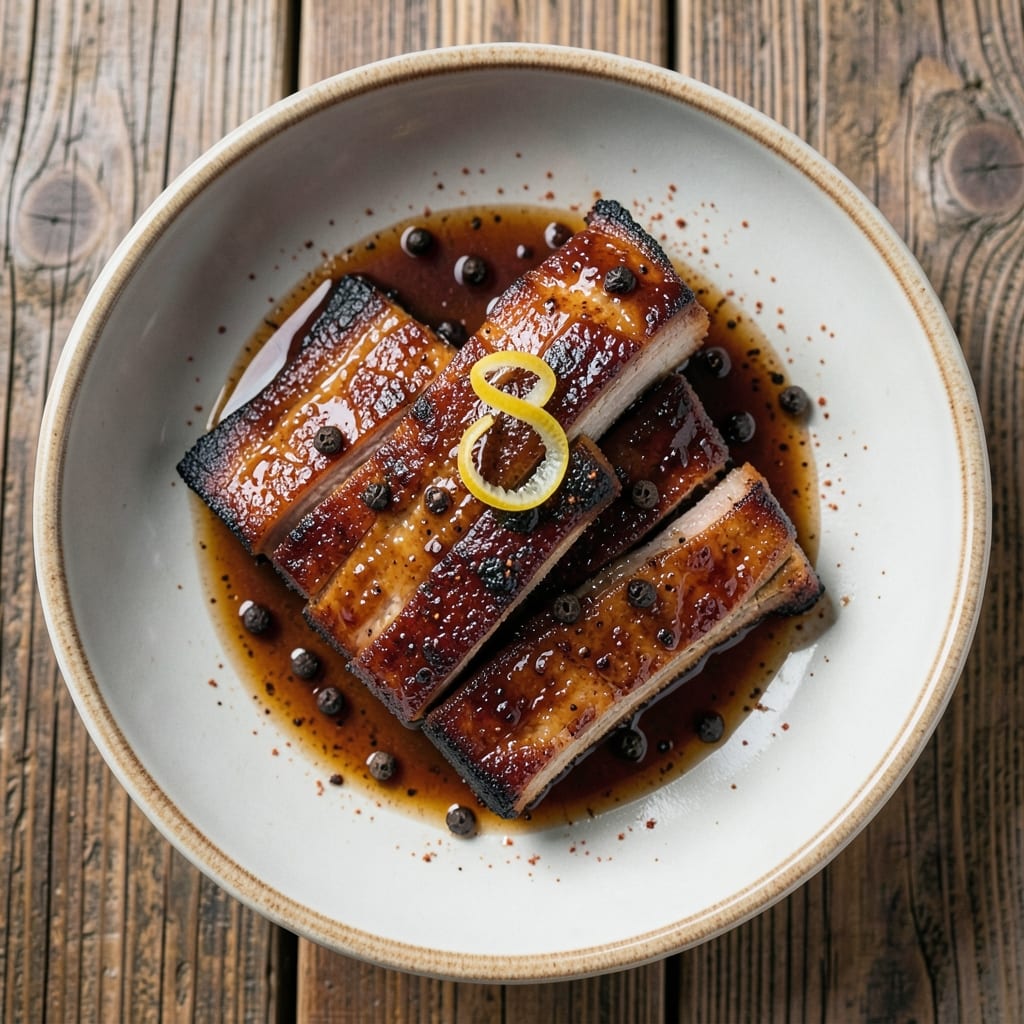
Apple cider vinegar ribs transform tough meat into melt-in-your-mouth perfection—no fancy equipment required. The secret lies in the vinegar’s magic: tenderizing collagen while building a sticky, caramelized bark that locks in flavor. I’ve perfected this method over years of testing, and it delivers fall-off-the-bone results in just 3 hours, whether you’re smoking, grilling, or slow-cooking.
Start with a simple dry rub of salt, pepper, and brown sugar to create texture before the vinegar’s work begins. The apple cider vinegar marinade—combined with spices and a touch of honey—penetrates deep into the meat, breaking down fibers while adding a bright, tangy depth. This isn’t just about tenderness; it’s about creating ribs so flavorful they’ll disappear from the bone.
By the time you’re done, you’ll have ribs with a glossy, caramelized crust that gives way to meat so tender it shreds at the slightest touch. The vinegar’s acidity mellows into a subtle sweetness, balancing the smoky or grilled flavors. Serve with tangy coleslaw or baked beans to round out the meal—this is comfort food at its finest.
Whether you’re hosting a weekend BBQ or craving a restaurant-worthy meal at home, this recipe delivers restaurant-quality results with minimal effort. The key is patience: let the vinegar work its magic, and the ribs will reward you with every bite. Ready to try it?
Ingredients for apple cider vinegar ribs
Four pounds of ribs plus a few pantry staples—this is where magic happens.
| Ingredient | Amount | Notes |
|---|---|---|
| Pork Baby Back Ribs 🍖 | 4 lb | Bone-in, meaty ends included |
| Apple Cider Vinegar 🍎 | ½ cup | Raw, unpasteurized preferred |
| Brown Sugar 🍚 | ¼ cup | Packed, light or dark |
| Kosher Salt 🧂 | 2 tbsp | Diamond Crystal preferred |
| Black Peppercorns 🌶️ | 1 ½ tbsp | Freshly cracked for intensity |
| Smoked Paprika 🌶️ | 1 tbsp | High-quality for smoky depth |
| Garlic Powder 🧄 | 1 tbsp | Not garlic salt |
| Onion Powder 🧅 | 1 tbsp | For subtle sweetness |
| Honey 🍯 | ¼ cup | Wildflower or clover preferred |
| Yellow Mustard 🍯 | 1 tbsp | Dijon for added tang |
| Olive Oil 🫒 | 1 tbsp | Light or extra-virgin |
| Yellow Cornmeal 🌽 | ½ cup | For dry rub texture |
| Wood Chips 🌳 | 1 package | Hickory or apple preferred |
The ribs are the star, so pick the meatiest ends—those little nubs of meat on the tips pack serious flavor. Costco or local butchers often have the best quality, but grocery store ribs work too if they're fresh. Look for good marbling and avoid any that smell sour or have a grayish tint. I usually buy 4 lbs for a crowd—enough for 4 servings with leftovers. If you're using frozen ribs, thaw them overnight in the fridge; never microwave or they'll steam instead of tenderize. The apple cider vinegar? Raw and unpasteurized has more flavor, but regular works in a pinch.
No apple cider vinegar? White vinegar or balsamic vinegar will work, but the flavor won't be as complex. Short on honey? Maple syrup or agave nectar are good swaps, though the texture might be slightly different. The cornmeal in the dry rub is key for that perfect crispy bark—Trader Joe's sells it pre-ground if you hate measuring. For the wood chips, hickory gives classic BBQ flavor, while apple adds a fruity note that pairs perfectly with the vinegar. If you can't find apple, cherry or peach wood chips are great alternatives. And trust me on the Dijon mustard—it adds a depth that regular yellow mustard can't match.
Store your dry rub ingredients in airtight containers for up to 3 months—the spices stay potent longer. The ribs themselves? Use within 2 days of purchase for best tenderness. If you're prepping ahead, you can make the marinade up to 3 days in advance and store it in the fridge. The wood chips can be soaked overnight in water for easier smoking, but they'll work fine dry too. Leftovers? These ribs reheat beautifully—wrap tightly in foil and bake at 300°F for 20 minutes. They're even better the next day, honestly.
Why You'll Love This Recipe
- I’ll be real: most rib leftovers are sad. Not these. The glaze stays sticky and the meat stays tender for days, so I meal prep them for sandwiches or tacos. (Pro tip: reheat low and slow—no one likes rubbery ribs.)
- Five-Ingredient Magic: Honestly, I swear by this recipe because it’s that simple—just ribs, vinegar, sugar, salt, and pepper. No fancy marinades or last-minute ingredient hunts, just a pantry staple (apple cider vinegar) doing all the heavy lifting while you sip your coffee.
- Tangy-Sweet Crunch: That crispy bark with the sticky, caramelized glaze? Chef’s kiss. The vinegar cuts through the richness of the pork, while the brown sugar melts into a glossy finish—like a fall morning in bite form. (Yes, even on a Tuesday night.)
- Weeknight Crowd-Pleaser: Between us, this is my go-to for game days, family dinners, or when my partner’s friends “just stop by.” It feeds four easily but scales up without breaking a sweat—just double the ribs and keep the same sauce ratio.
Step-by-step instructions for apple cider vinegar ribs
Here's how to transform tough ribs into melt-in-your-mouth perfection using this tangy-sweet method.
Prepare the Dry Rub and Apple Cider Vinegar Marinade
In a medium bowl, combine the 0.5 cup apple cider vinegar, 0.25 cup brown sugar, 2 tablespoons kosher salt, 1.5 tablespoons freshly cracked black peppercorns, 1 tablespoon smoked paprika, 1 tablespoon garlic powder, and 1 tablespoon onion powder. Mix thoroughly until the brown sugar dissolves completely and the spices are evenly distributed. This marinade will tenderize the meat while infusing deep flavor.
Transfer half of this mixture to a separate small bowl and set aside. You'll use this later for basting. Let the remaining marinade sit at room temperature for 15 minutes before using—this ensures even distribution when applied to the ribs. The vinegar's acidity begins breaking down the meat fibers immediately, so timing matters.
Coat the Ribs and Rest Before Cooking
Pat the 4 lb pork baby back ribs completely dry with paper towels—this step is non-negotiable for crispy bark later. Working in batches, generously coat each rack with the remaining marinade, pressing it into all the crevices between the bones. The ribs should glisten slightly from the vinegar mixture.
Transfer the coated ribs to a large resealable plastic bag and marinate in the refrigerator for at least 2 hours, or overnight if possible. This extended marination period ensures maximum tenderness. When ready to cook, remove the ribs from the fridge and let them sit at room temperature for 30 minutes—this prevents temperature shock when they hit the smoker.
Set Up the Smoker and Cook Low and Slow
Fill your smoker with the 1 package wood chips (hickory or apple preferred) and preheat to 225°F. Maintain a consistent temperature—fluctuations will affect cooking time. Once smoking, brush the ribs lightly with a mixture of 0.25 cup honey, 1 tablespoon yellow mustard, and 1 tablespoon olive oil. This glaze will create a beautiful caramelized crust while adding sweetness.
Place the ribs on the smoker, bone-side down, and cook undisturbed for 2 hours. The apple cider vinegar works its magic during this time, breaking down connective tissue. After 2 hours, flip the ribs bone-side up and continue cooking. The goal is to reach an internal temperature of 195-203°F in the thickest part of the meat—this is when they'll be fork-tender and pull apart easily.
Baste and Finish with Crispy Cornmeal Coating
About 1 hour before the ribs are done, remove them from the smoker and brush generously with the reserved apple cider vinegar marinade. Return to the smoker and cook for another 30 minutes. This basting step intensifies the flavors and creates a sticky surface for the final coating.
When the ribs reach 195°F internal temperature, remove them from the smoker and immediately coat both sides with the 0.5 cup yellow cornmeal. Return to the smoker for 5-10 minutes to develop a crispy, crunchy exterior. The cornmeal absorbs the sticky glaze, creating that perfect textural contrast between tender meat and crispy crust.
Rest and Serve with Tangy Sauce
Transfer the ribs to a cutting board and tent loosely with foil. Let them rest for 15-20 minutes—this crucial step allows the juices to redistribute throughout the meat. During this time, combine the remaining apple cider vinegar marinade with any accumulated juices from the smoker and simmer in a small saucepan over medium heat for 5 minutes to create a glossy, tangy sauce.
Slice the ribs between each bone and serve immediately with the sauce spooned over the top. Each bite should deliver perfectly tender meat with a balance of sweet, smoky, and tangy flavors. The apple cider vinegar's acidity cuts through the richness, making these ribs unforgettable—exactly as promised in the title.
Pro Tips For Making Apple Cider Vinegar Ribs
- Trim the Fat First: Slice off that thick fat cap before cooking—it’s the reason your ribs end up greasy instead of caramelized. I learned this the hard way when my first batch turned into a soggy mess after hours in the oven.
- Use Raw Vinegar: Skip the cooked-down vinegar shortcut—pour in the raw stuff early. The acid needs time to tenderize the meat, and adding it cold at the start keeps the ribs from drying out later.
- Don’t Rush the Sugar: Brown sugar burns faster than you think. Sprinkle it in thin layers and let it crisp at 300°F for 20 minutes before cranking the heat—otherwise, you’ll end up with bitter rib bits.
- Wrap Tight at 200°F: Foil isn’t your friend until the ribs hit 195°F internally. At 200°F, wrap them snug with butcher paper (not foil) to trap steam—this is the thing that guarantees fall-off-the-bone tenderness.
Regional styles of this dish
Southern BBQ Style
In the South, apple cider vinegar ribs are often cooked using a dry rub with brown sugar and smoked paprika—just like this recipe—but with a longer smoking time (up to 5 hours) for deeper bark. I’ve seen pitmasters in North Carolina add 1 tablespoon of molasses to the marinade for extra richness. Serve with white bread for dipping in the tangy sauce, a true Southern tradition. 🍖
Carolina Vinegar Braise
South Carolina takes a different approach by braising the ribs in a vinegar-based sauce with onions and garlic before finishing on the grill. The vinegar here is cooked down into a thick glaze, creating a sticky, glossy exterior that’s less smoky and more acidic. Use white vinegar instead of apple cider for a sharper tang, and add 1 cup of chicken broth to the braising liquid for extra depth.
Midwest Apple Cider Glaze
The Midwest leans into apple cider vinegar’s natural sweetness, often using it as the base for a glaze rather than a marinade. Cook the ribs low and slow (like this recipe) but finish with a honey-cider glaze brushed on in the last 30 minutes. Add 1 teaspoon of cinnamon to the glaze for a warm, spiced twist—perfect for fall gatherings. Serve with mashed potatoes and roasted Brussels sprouts for a hearty meal. 🍎
New England Smoked Vinegar Ribs
Up North, the focus is on smoke flavor with apple cider vinegar adding brightness. New England chefs often use maple syrup instead of brown sugar in the rub and apple wood chips exclusively for a fruity, clean smoke. The ribs are cooked at 250°F for 4 hours, then basted with a mix of apple cider vinegar and maple syrup before serving. Pair with cornbread and steamed green beans for a classic New England spread.
Texas-Style Vinegar Ribs
Texas takes a bolder approach by adding hot sauce to the apple cider vinegar marinade—think 1 tablespoon of Frank’s RedHot mixed in. The ribs are smoked at 225°F for 3 hours, then wrapped in butcher paper with beer (like Shiner Bock) for extra moisture. The vinegar’s acidity cuts through the heat, creating a perfect balance. Serve with pickled jalapeños and white rice for a Tex-Mex fusion twist. 🌶️
Pacific Northwest Twist
Out West, the focus is on clean, bright flavors with apple cider vinegar paired with local fruits like cherries or pears in the glaze. The ribs are smoked with alder wood (a Pacific Northwest staple) and finished with a cherry-apple cider reduction. Add 1 cup of reduced cherry juice to the marinade for a fruity depth. Serve with roasted beets and wild rice pilaf for a modern, elegant take on classic ribs.
Nutrition facts
Frequently asked questions
Can I use apple cider vinegar for ribs if I don't have a smoker?
This recipe works perfectly on a grill, oven, or even a stovetop. For the grill, maintain 225°F by using indirect heat and adding wood chips to a foil pouch. In the oven, cook on the lowest rack with a water pan below for moisture. For stovetop, use a Dutch oven with apple wood chips and simmer at 225°F for 3 hours. The vinegar's tenderizing magic happens regardless of cooking method!
How long can I marinate the ribs in apple cider vinegar?
For best results, marinate for 2-4 hours in the fridge. Overnight marination (up to 12 hours) works too, but don't exceed 24 hours—the acidity can start breaking down the meat fibers too much. Pat the ribs dry before cooking to ensure a proper bark forms. The vinegar's work begins immediately, so timing matters!
Can I substitute apple cider vinegar with white vinegar?
Yes, but expect a sharper flavor. White vinegar lacks the fruity depth of apple cider, though it still tenderizes well. For a closer substitute, mix ½ cup white vinegar with 1 teaspoon apple cider vinegar and ½ teaspoon honey to mimic the complexity. The honey helps balance the acidity and adds subtle sweetness.
Why do my apple cider vinegar ribs turn out tough?
Most likely, your ribs weren't cooked low and slow enough or weren't rested properly. Aim for 195-203°F internal temperature, and always rest for 15-20 minutes after cooking. Another common mistake is over-marinating—stick to 4 hours max. The vinegar tenderizes, but cooking time and temperature are critical for fall-off-the-bone results!
Can I make this recipe with beef ribs instead of pork?
Technically yes, but beef ribs (like short ribs) have more connective tissue and fat, requiring longer cooking times (up to 5-6 hours) at 225°F. The apple cider vinegar will still tenderize, but beef ribs benefit more from braising than smoking. For best results, reduce the vinegar to ¼ cup and increase brown sugar to ⅓ cup to balance the richness.