
Sauces & Condiments
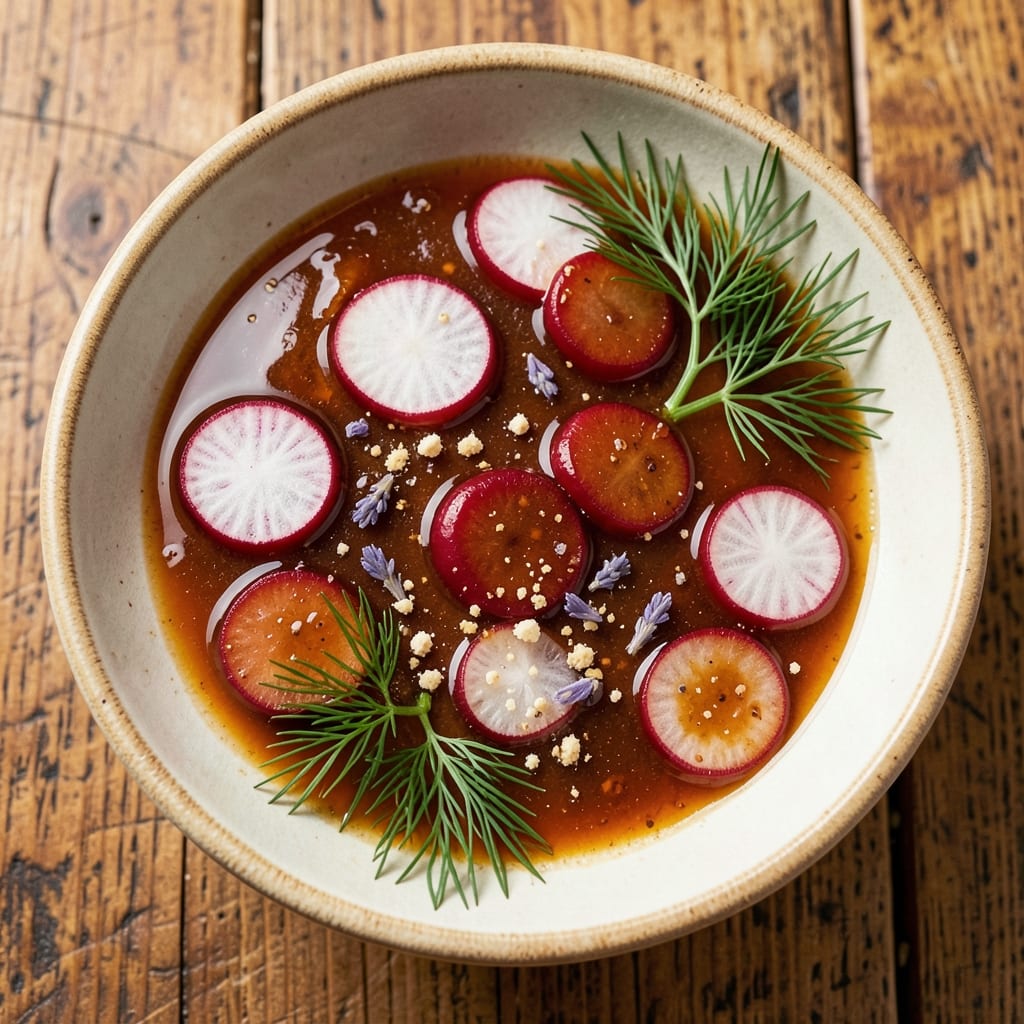
This apple cider vinegar sauce recipe transforms simple ingredients into a tangy, versatile condiment that elevates salads, dips, and marinades in minutes. The bright acidity cuts through rich flavors while adding a refreshing crunch, making it a pantry staple for home cooks. I developed this recipe after realizing how often I reached for store-bought versions—until I perfected my own, which stays fresh for weeks and costs pennies to make.
The foundation of this sauce is apple cider vinegar, balanced with honey or maple syrup for sweetness, and a pinch of mustard for depth. Optional herbs like dill or thyme add complexity, while garlic and onion powders introduce subtle savory notes. What sets this apart is its quick-pickled zing—the vinegar tenderizes thinly sliced vegetables (like radishes or red onions) while preserving their crisp texture.
By the time you drizzle this sauce over greens, toss it with grilled chicken, or use it as a marinade, you’ll notice how it transforms ordinary dishes into something vibrant and restaurant-worthy. The tangy-sweet balance makes it addictive, and its versatility means you’ll reach for it again and again. Storage is effortless—simply refrigerate in an airtight container for up to 2 weeks.
Perfect for meal prep, picnic sides, or last-minute flavor boosts, this sauce proves that homemade condiments can be both quick and impressive. Let’s make it—your taste buds will thank you.
Ingredients for apple cider vinegar sauce
Nine ingredients for a tangy, versatile sauce that transforms salads, dips, and marinades in minutes.
| Ingredient | Amount | Notes |
|---|---|---|
| Apple Cider Vinegar 🍏 | ¾ cup | Raw, unfiltered preferred |
| Pure Maple Syrup 🍯 | ½ cup | Grade A for best flavor |
| Yellow Mustard 🥬 | 1 tbsp | Dijon for extra depth |
| Garlic Powder 🧄 | 1 tsp | Freshly ground preferred |
| Onion Powder 🧅 | 1 tsp | Not onion salt |
| Dried Dill 🌿 | ½ tsp | Or 1 tbsp fresh chopped |
| Salt 🧂 | ½ tsp | Diamond Crystal preferred |
| Black Pepper 🌶️ | ¼ tsp | Freshly cracked |
| Red Onion 🧅 | ¼ cup | Thinly sliced, quick-pickled |
| Radish 🥕 | ¼ cup | Thinly sliced, optional crunch |
The apple cider vinegar is the heart of this sauce—Bragg or Texas Pete are my go-tos for that rich, mellow tang. Grab the raw, unfiltered kind if you can; it’s got more flavor complexity. Maple syrup adds that perfect sweet contrast, so look for Grade A at the grocery store—it’s worth the extra penny. The mustard might seem like a small player, but it’s what gives this sauce that savory depth that makes it so addictive. I always keep a bottle of Dijon-style mustard on hand for this recipe.
No fresh dill? Dried works at half the amount, but honestly, if you’ve got fresh herbs, use them—it makes a world of difference. Running low on radishes? Thinly sliced cucumber or jicama adds a similar crunch. The red onion is optional but adds that bright pop of color that makes this sauce look as good as it tastes. If you’re short on time, skip the quick-pickling step—the raw onion will still add flavor, just not that same crisp texture. And if you’re making this ahead, add the onion and radish just before serving to keep them crisp.
This sauce keeps beautifully—up to 2 weeks in the fridge once you add the raw veggies. Store it in an airtight jar, and the flavors actually get better over time. I like to make a big batch and keep it in the fridge for quick meal prep—drizzle it over salads, mix it into dressings, or use it as a marinade for grilled chicken. For extra shelf life, add a splash more vinegar before storing. The acidity helps preserve the freshness longer, and honestly, it just makes the sauce taste even better the next day.
Why You'll Love This Recipe
- Five-Ingredient Magic: I swear by this—just vinegar, maple syrup, mustard, and those two little spice jars. No fancy prep, no stress, and honestly? It’s the kind of sauce where I can measure blindfolded and still nail it.
- Tangy-Sweet Balance: That first bite? The vinegar cuts through the sweetness like a crisp autumn breeze. The mustard adds depth, and the garlic-onion powder? It’s the little boost that makes this sauce ridiculously good on everything from roasted veggies to fried chicken.
- Weeknight Superstar: I keep a jar of this in the fridge for lazy nights. Drizzle it over grilled fish, toss it with pasta, or slather it on sandwiches—it’s my go-to when I’m too tired to think. (Yes, even on a Tuesday night.)
- Stays Fresh, Saves Money: This sauce keeps for weeks in the fridge, and the ingredients? Cheap. Like, “I can make a gallon for under five bucks” cheap. No wasted leftovers here—just more flavor for less.
Step-by-step instructions for apple cider vinegar sauce
This tangy, sweet sauce comes together faster than you can say "quick-pickled." Let's make it in five simple steps.
Quick-Pickle the Red Onion and Radish
In a small bowl, combine the 0.25 cup thinly sliced red onion and 0.25 cup thinly sliced radish. Pour in 0.75 cup apple cider vinegar and let it sit for 10 minutes at room temperature. This quick-pickling process softens the vegetables slightly and infuses them with that signature tangy flavor. You'll notice the colors brighten as the vinegar works its magic—this is your cue that the pickling is working.
While the vegetables pickle, take a moment to thinly slice the radish and onion if you haven't already. Uniform slices ensure even cooking and a pleasant texture in the final sauce. If using fresh dill instead of dried, now's the time to finely chop 1 tablespoon of it for later—just remember to adjust the recipe accordingly if you make this substitution.
Whisk Together the Base Ingredients
In a medium saucepan, combine the 0.5 cup pure maple syrup, 1 tablespoon yellow mustard, 1 teaspoon garlic powder, 1 teaspoon onion powder, 0.5 teaspoon salt, and 0.25 teaspoon black pepper. Place the saucepan over medium-low heat and stir continuously with a whisk for 3-4 minutes until the mixture begins to simmer gently and thicken slightly. This step develops the foundational flavors of the sauce—sweet, savory, and slightly spicy.
I like to keep the heat medium-low to prevent the maple syrup from burning, which would create an unpleasant bitter taste. You'll know it's ready when the mixture reaches a gentle simmer and coats the back of a spoon. If you're using fresh dill instead of dried, add it now and stir for an additional 30 seconds to infuse its bright, herbal notes into the sauce.
Combine and Simmer the Sauce
Drain the pickled red onion and radish, reserving the vinegar. Add the drained vegetables to the saucepan with the simmering base. Pour in the reserved 0.75 cup apple cider vinegar and stir well to combine. Bring the mixture to a gentle boil, then reduce the heat to low and let it simmer for 5-7 minutes. This simmering time allows all the flavors to meld together beautifully, creating a harmonious balance of sweet, tangy, and savory notes.
Taste the sauce as it simmers. If you find it needs more sweetness, add a touch more maple syrup. If it needs more tang, add a splash of apple cider vinegar. The goal is to achieve a balance that complements both salads and dips. Stir occasionally to prevent the mixture from sticking to the bottom of the pan.
Adjust Consistency and Cool
Once the sauce has simmered for the allotted time, remove it from the heat. If the sauce is too thick for your liking, thin it with a bit more apple cider vinegar, 1 tablespoon at a time, until you reach your desired consistency. Conversely, if it's too thin, simmer it uncovered for an additional 2-3 minutes to reduce it slightly. The sauce should coat the back of a spoon but still be pourable.
Transfer the sauce to a clean jar or airtight container. Allow it to cool to room temperature before refrigerating. This cooling step is crucial because it allows the flavors to fully develop and the texture to set properly. Once cooled, the sauce will keep in the refrigerator for up to 2 weeks, making it perfect for meal prep.
Serve and Enjoy
When ready to use, give the sauce a good stir to redistribute any settled ingredients. This versatile sauce can be served immediately over mixed greens for a zesty salad dressing, drizzled over roasted vegetables, or used as a dip for fresh bread or crackers. The bright flavors of the apple cider vinegar and the subtle sweetness of the maple syrup make it a crowd-pleaser.
For an extra touch, garnish with a sprinkle of fresh dill or a few thinly sliced radish pieces. The contrast of textures and flavors will elevate your dish, making it not just a sauce, but an experience. Enjoy your quick-pickled zing—it's ready in no time!
Pro Tips For Making Apple Cider Vinegar Sauce
- STIR CONSTANTLY AT FIRST: The first 30 seconds of simmering are when flavors bond—if you walk away, you’ll end up with a gloppy, uneven sauce. I used to let mine sit while I grabbed a drink, and the mustard would separate like a sad, grainy mess. Keep that whisk moving until everything comes together smoothly.
- USE RAW APPLE CIDER VINEGAR: Filtered or pasteurized vinegar tastes sterile. The cloudy, unfiltered kind has those tiny apple bits that add depth—no need to strain them out. I was skeptical until I tried it; now I refuse to go back. Just let it settle for 10 minutes first if you’re worried about sediment.
- SIMMER LOW AND SLOW: High heat turns this sauce into vinegar syrup—sharp, thin, and sad. Once it’s bubbling, drop the heat to a gentle simmer and let it work for 5–7 minutes. I learned this the hard way when I rushed it and ended up with a glaze that tasted like a science experiment gone wrong.
- SWAP MAPLE FOR HONEY (IF NECESSARY): Pure maple syrup is ideal, but if you’re in a pinch, substitute with raw honey—just add 1 teaspoon of water per tablespoon to mimic the syrup’s viscosity. I skip this when I’m lazy, but the sauce is noticeably better when I don’t. The honey adds a floral note that balances the tang.
Flavor customization for this dish
Sweet-Tangy Balance
Adjust the sweet-to-tangy ratio to your taste by swapping maple syrup for honey (1:1) or agave nectar (1:1). For extra tang, add ½ teaspoon lemon juice or 1 teaspoon rice vinegar. I love using local honey for a floral depth that pairs beautifully with the vinegar’s sharpness. 🍯
Herb Variations
Swap dried dill for fresh thyme (1 tsp) or rosemary (½ tsp) for an earthy twist. For a Mediterranean vibe, add 1 tsp dried oregano or ½ tsp crushed red pepper flakes for heat. I often use fresh basil in summer—just add it at the end to keep its bright flavor intact.
Spicy Kick
Add ½ teaspoon smoked paprika or ¼ teaspoon cayenne for warmth. For a smoky depth, stir in ½ teaspoon liquid smoke (like Traeger brand) after simmering. If you love heat, try 1 teaspoon sriracha mixed into the cooled sauce—it adds a sweet-spicy punch that’s perfect for dipping.
Umami Boost
Enhance savory notes with 1 teaspoon soy sauce or ½ teaspoon fish sauce (trust me, it blends seamlessly). For a richer profile, add 1 tsp miso paste during the final simmer. I’ve also used 1 tsp Worcestershire sauce for a deep, malty complexity that works surprisingly well in this tangy sauce. 🌶️
Texture Twists
For crunch, stir in 1 tbsp toasted sesame seeds or 2 tbsp chopped nuts (like walnuts or pecans) before serving. If you love creaminess, whisk in 1 tbsp Greek yogurt or 1 tsp tahini for a silky texture. I sometimes add 1 tbsp crumbled feta for a salty contrast that’s pure magic in salads.
Seasonal Adaptations
In fall, infuse with 1 tsp cinnamon or ½ tsp nutmeg for a cozy twist. For spring, add 1 tsp fresh mint or ½ tsp lemon zest to brighten the flavors. Summer calls for 1 tsp fresh cilantro or ½ tsp lime juice—both add a refreshing zing that’s perfect for grilled dishes.
Nutrition facts
Frequently asked questions
Can I make this sauce without honey or maple syrup?
Yes! For a sugar-free version, replace the sweetener with 1 tablespoon monk fruit syrup or 2 tablespoons erythritol (adjust to taste). If you prefer no sweetener at all, increase the apple cider vinegar to 1 cup and add 1 teaspoon stevia for balance. The tang will be more pronounced, but still delicious with savory dishes like roasted meats.
How long does this sauce last in the fridge?
This sauce stays fresh for up to 2 weeks when stored in an airtight container. For longer storage, transfer to a sterilized glass jar and refrigerate—it’ll keep for 3-4 weeks while flavors deepen. The quick-pickled veggies stay crispest for 5-7 days, so add them just before serving if making ahead.
What are the best ways to use this sauce beyond salads?
Try it as a marinade for grilled chicken or pork (30 minutes before cooking), a dip for fresh veggies or chips, or a glaze for roasted sweet potatoes. It also brightens fried rice, tacos, or even ice cream (trust me—it’s magical!). The acidity cuts through richness perfectly in dishes like mac and cheese or mashed potatoes.
Why did my sauce turn cloudy or separate?
Cloudiness often means the vinegar and sweetener didn’t fully emulsify. Stir in 1 teaspoon Dijon mustard or 1 tablespoon cornstarch mixed with water to stabilize it. Separation can happen if you used too much vinegar—simmer uncovered for 2-3 minutes to reduce slightly. Always stir well after refrigerating, as ingredients may settle.
Can I make this sauce spicier?
Add ½ teaspoon cayenne or 1 teaspoon hot sauce during the final simmer. For smoky heat, stir in ½ teaspoon smoked paprika or 1 teaspoon liquid smoke. If you love depth, try 1 teaspoon gochujang (Korean chili paste) for a sweet-spicy umami kick. Always taste as you go—spice builds!