
Sauces & Condiments
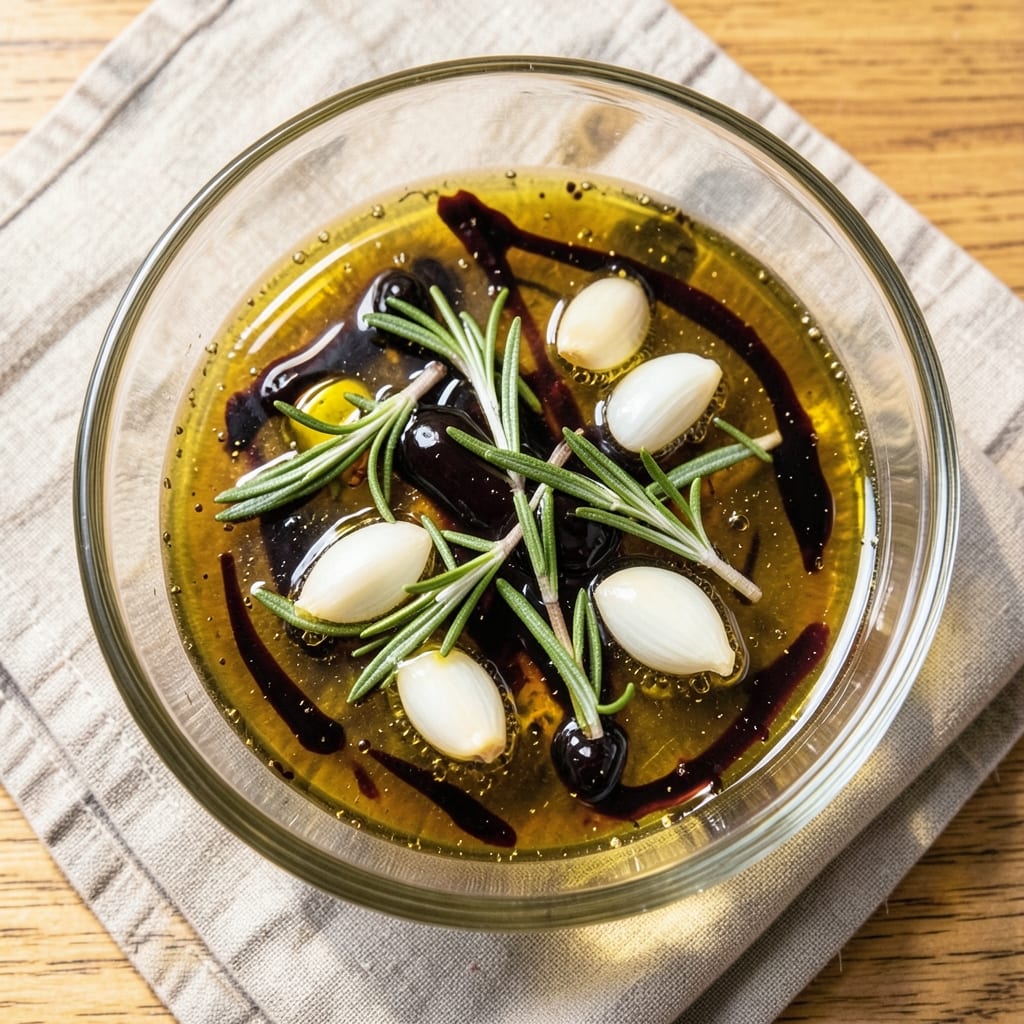
This apple cider vinegar steak marinade transforms tough cuts into restaurant-quality tenderness with just 15 minutes of prep. The tangy acidity tenderizes while garlic, soy, and herbs build deep umami flavor—no fancy equipment needed. I’ve perfected this blend over years of testing, and it never fails to elevate even the simplest steak.
The magic lies in balancing acidity with fat (olive oil) and salt to break down proteins without overpowering the meat. A splash of Worcestershire adds savory depth, while fresh herbs like rosemary and thyme bring aromatic complexity. This marinade works on ribeye, sirloin, or flank steak, and the flavors develop best when refrigerated for at least 4 hours—or overnight for maximum impact.
What you’ll get is steak with a perfectly tender bite, caramelized crust, and layers of flavor that taste like a high-end steakhouse. The marinade’s tangy-sweet profile cuts through richness, leaving every slice juicy and aromatic. Plus, it doubles as a quick glaze if you brush it on before grilling.
Store leftovers in an airtight container for up to 1 week, or freeze for 3 months. The acidity preserves freshness, so you’ll always have a flavor boost ready for last-minute meals. Let’s make this marinade!
Ingredients for apple cider vinegar steak marinade
Nine ingredients, 15 minutes prep—this marinade turns simple steak into steakhouse perfection.
| Ingredient | Amount | Notes |
|---|---|---|
| Apple Cider Vinegar 🍏 | ½ cup | Raw, unfiltered preferred |
| Extra-Virgin Olive Oil 🫒 | ½ cup | High quality, fruity |
| Worcestershire Sauce 🍶 | 1 tbsp | Anchovy-free if needed |
| Soy Sauce 🥢 | 2 tbsp | Low-sodium preferred |
| Garlic Cloves 🧄 | 6 cloves | Minced or pressed |
| Fresh Rosemary 🌿 | ¼ cup | Finely chopped stems |
| Fresh Thyme Leaves 🌿 | ¼ cup | Packed, stems removed |
| Brown Sugar 🍚 | 2 tbsp | Light or dark |
| Kosher Salt 🧂 | 1 ½ tsp | Diamond Crystal preferred |
| Black Peppercorns 🌶️ | 1 tsp | Freshly cracked |
The apple cider vinegar is the star—Bragg or Texas Pete work best for their bold tang. Fresh herbs make all the difference: Trader Joe's sells pre-packed rosemary and thyme that’s perfect for this. If you’re using dried herbs, halve the amount. The Worcestershire adds that savory depth—Lea & Perrins is classic, but any good-quality brand works. For the olive oil, California Olive Ranch or Colavita bring rich, fruity notes that complement the acidity beautifully.
No Worcestershire? Fish sauce at half the amount works in a pinch, but the umami won’t be quite the same. Short on brown sugar? Maple syrup or agave adds sweetness without changing the marinade’s texture. Fresh herbs wilt fast—if you’re prepping ahead, store them in a sealed container with a damp paper towel. The garlic can be roasted for a sweeter flavor, but raw minced works just as well. For extra richness, add a splash of balsamic vinegar—just swap out half the apple cider vinegar.
This marinade keeps for 1 week in the fridge, but the flavors peak after 4-6 hours. For maximum tenderness, let steaks marinate overnight. If you’ve got extra, freeze it in ice cube trays—perfect for last-minute meals. The acidity helps preserve freshness, so you’ll always have a flavor boost ready. Once opened, use within 3 months for best results.
Why You'll Love This Recipe
- Five-Ingredient Magic: I swear by this marinade—just vinegar, oil, soy, Worcestershire, and garlic. No fancy pantry trips, no measuring cups to lose. Honestly, I’ve made it in my head while grocery shopping, and it still works.
- Tangy Crispy Perfection: That apple cider vinegar cuts through the richness, giving your steak a bright, almost caramelized crust when seared. Between us, the garlic doesn’t just flavor it—it makes every bite sing, even the next day.
- Weeknight or Date Night: Slap this on a ribeye for a Tuesday dinner or a filet for a fancy-ish night in. Same marinade, zero guilt. I’ve used it on grilled, pan-seared, and even slow-cooked steaks—it’s the ultimate shortcut without sacrificing taste.
- Leftovers That Don’t Suck: Marinate a big batch, cook once, and eat twice. The flavors deepen overnight, and reheating is a breeze. My freezer’s full of prepped steaks for lazy days, all thanks to this marinade’s reliability.
Step-by-step instructions for apple cider vinegar steak marinade
Here's how to create a bold, balanced marinade that tenderizes and infuses your steak with bright acidity and deep umami.
Combine Wet Ingredients for a Balanced Base
In a medium bowl, whisk together the 0.5 cup apple cider vinegar and 0.5 cup extra-virgin olive oil until fully emulsified. The vinegar will initially separate, but keep whisking until you see a smooth, slightly cloudy mixture—this ensures even distribution of flavors throughout the marinade. I like to use a fork first to break up the oil, then switch to a whisk for about 30 seconds to create a stable emulsion.
Add the 1 tablespoon Worcestershire sauce and 2 tablespoons soy sauce next, stirring well after each addition. This is where the umami magic happens—the combination of fermented soy and anchovy-free Worcestershire builds that signature savory depth. Taste the mixture now; it should be tangy with a subtle salty punch. If you're using anchovy-free Worcestershire, you might want to add an extra pinch of salt later to compensate for the missing umami complexity.
Incorporate Aromatics and Sweetener
Add the 6 cloves minced garlic and 2 tablespoons brown sugar to the bowl, stirring until the sugar dissolves completely. The garlic should be finely minced—no large chunks—so it distributes evenly and infuses the steak thoroughly. I prefer pressing the garlic through a garlic press for this marinade because it creates a paste that clings beautifully to the meat. Let the mixture sit for 2 minutes while you prepare the herbs.
Add the 0.25 cup finely chopped fresh rosemary and 0.25 cup fresh thyme leaves, stirring gently to avoid bruising the delicate thyme. The rosemary stems should be finely chopped (not left whole) to release their essential oils, while the thyme leaves should be packed—no stems—since they contain the most flavor. Give everything one final stir, then taste again. The sweetness from the brown sugar should balance the acidity, and the herbs should add an earthy aroma that makes your kitchen smell like a steakhouse.
Season and Emulsify the Marinade
Add the 1.5 teaspoons kosher salt and 1 teaspoon freshly cracked black peppercorns, stirring until the salt dissolves completely. The peppercorns should be freshly cracked—never pre-ground—for maximum aroma and heat. Give the marinade one last vigorous whisk to ensure everything is fully incorporated. The texture should be smooth with no visible oil separation, and the color should be a rich amber with green flecks from the herbs.
For best results, let the marinade sit at room temperature for 10 minutes before using. This allows the flavors to meld and the oil to fully emulsify. If you're marinating ahead of time, transfer to an airtight container and refrigerate for up to 24 hours. The acidity will continue to tenderize the steak, but don't exceed this time—vinegar can start to "cook" the meat after 24 hours, making it mushy.
Apply and Marinate for Optimal Results
Place your steak in a resealable plastic bag or shallow dish and pour the marinade over it, ensuring it's completely coated on all sides. For even coverage, I like to use a spoon to spread the marinade around the edges and into any crevices. If using a bag, press out as much air as possible before sealing—this prevents the steak from sitting in a pool of marinade, which can make it soggy.
Marinate for 30 minutes to 2 hours at room temperature, or 4 to 8 hours in the refrigerator. For thick cuts like ribeye or New York strip, I recommend the longer marinade time to ensure deep penetration of flavors. However, avoid marinating for more than 8 hours—the acidity will start to break down the meat fibers too much, leading to a mushy texture. When ready to cook, pat the steak dry with paper towels and sear immediately over high heat for that perfect crust.
Pro Tips For Making Apple Cider Vinegar Steak Marinade
- MINCE THAT GARLIC: Garlic cloves straight from the jar taste like they’ve given up. Smash those cloves with the flat side of your knife first—then mince them finely. The extra surface area means more flavor, and you won’t end up with big, chewy chunks in your marinade.
- DILUTE THE VINEGAR: Apple cider vinegar is strong stuff—too much undiluted, and you’ll end up with a steak that tastes like a salad dressing mishap. Mix it with the olive oil first (about 1:1 ratio) before adding other ingredients. This keeps the acidity in check while still delivering that bright, tangy punch.
- MARINATE COLD, NOT ROOM TEMP: I used to let my steaks sit in the marinade on the counter while I prepped other stuff. Big mistake. The vinegar and garlic will start cooking the meat, turning it mushy before it even hits the pan. Pop your steak in the fridge for at least 2 hours—yes, even if you’re impatient.
- SALT THE MEAT BEFORE MARINADING: The soy sauce and Worcestershire already pack salt, but don’t skip adding your own. Pat the steak dry first, then hit it with a generous sprinkle of kosher salt—let it sit for 10 minutes before marinating. This helps the seasoning penetrate deeper, and the vinegar won’t overpower the natural beef flavor. (Trust me, your taste buds will notice.)
Best sauces and condiments for this apple cider vinegar steak marinade
Grilled Steak Glaze
Brush this marinade directly onto your steak during the last 2-3 minutes of grilling for a caramelized crust that locks in juices. The apple cider vinegar and brown sugar create a glossy glaze that adds a sweet-tangy contrast to the smoky char. I like to use a basting brush to spread it evenly over the top of the steak, then flip and repeat. For extra drama, finish with a sprinkle of flaky sea salt right off the heat. 🔥
Pan Sauce Upgrade
After searing your steak, deglaze the pan with 2 tablespoons of the leftover marinade and 1 tablespoon butter to create a quick pan sauce. The reduced vinegar and herbs add depth to the sauce, while the butter creates a silky finish. Simmer for 1-2 minutes until slightly thickened, then drizzle over sliced steak. This turns simple pan drippings into a restaurant-worthy sauce.
Baked Potato Topping
Use this marinade as a flavorful topping for baked potatoes by brushing it on while still warm. The acidity cuts through the richness of butter and cheese, while the herbs add a fresh, aromatic note. I recommend using ½ cup marinade per potato and baking at 400°F for 20 minutes to let the flavors meld. Finish with chopped chives and a dollop of sour cream for a perfect balance.
Salad Dressing Twist
Thin this marinade with an equal part of water or extra olive oil to create a bold salad dressing. The tangy-sweet profile pairs beautifully with arugula, spinach, or mixed greens. I like to add 1 teaspoon Dijon mustard to the mixture for extra depth. Toss with sliced apples or pears for a refreshing, umami-packed salad that complements the steak perfectly. 🥗
Bread Dipping Sauce
Warm the marinade slightly and serve it as a dipping sauce for crusty bread or garlic bread. The combination of vinegar, garlic, and herbs creates a savory, slightly sweet dip that's perfect for soaking up any leftover steak juices. For extra richness, stir in 1 tablespoon melted butter before serving. This is a game-changer for turning simple bread into a flavorful side dish.
Storage and Reuse Tips
Leftovers can be stored in an airtight container in the fridge for up to 1 week or frozen for 3 months. The acidity helps preserve the marinade, so you can always have a flavor boost ready. If the oil separates when refrigerated, just give it a good whisk before using. For extra versatility, freeze marinade in ice cube trays and pop out individual cubes for quick use on future meals. 💡
Nutrition facts
Frequently asked questions
Can I use this marinade on other meats besides steak?
This apple cider vinegar marinade works beautifully on chicken thighs, pork chops, and even lamb chops. For chicken, marinate for 2-4 hours (no longer, as acid can make it tough), while pork and lamb benefit from the longer 4-8 hour marinade time. The acidity tenderizes tougher cuts like pork shoulder, and the herbs add aromatic depth to poultry.
What if I don't have apple cider vinegar?
You can substitute with white vinegar or red wine vinegar, but the flavor will be slightly different. For best results, use ½ cup balsamic vinegar instead—it adds sweetness that balances the acidity. If you're avoiding vinegar entirely, try lemon or lime juice (use ¼ cup juice + ¼ cup water to match the acidity level).
How do I prevent my steak from getting mushy after marinating?
Never marinate for more than 8 hours—the acid breaks down meat fibers over time. For thick cuts like ribeye, 4-6 hours is ideal. Always pat the steak dry with paper towels before cooking to create a better sear. And remember: remove the steak from the marinade 30 minutes before cooking to let the surface dry slightly.
Can I make this marinade without Worcestershire sauce?
Yes! Replace it with 1 tbsp soy sauce + ½ tsp fish sauce (if you eat fish) or 1 tsp miso paste for umami depth. For a vegetarian option, use 1 tbsp tamari + ½ tsp nutritional yeast. The key is balancing the saltiness—taste as you go. The marinade will still be flavorful, just with slightly different savory notes.
Is it safe to reuse leftover marinade?
You can reuse it as a sauce or glaze, but never on raw meat to avoid cross-contamination. For extra safety, boil the leftover marinade for 3 minutes to kill any bacteria before using it as a sauce. It makes a fantastic pan sauce or basting glaze—just reduce it slightly to concentrate the flavors.