
Beverages
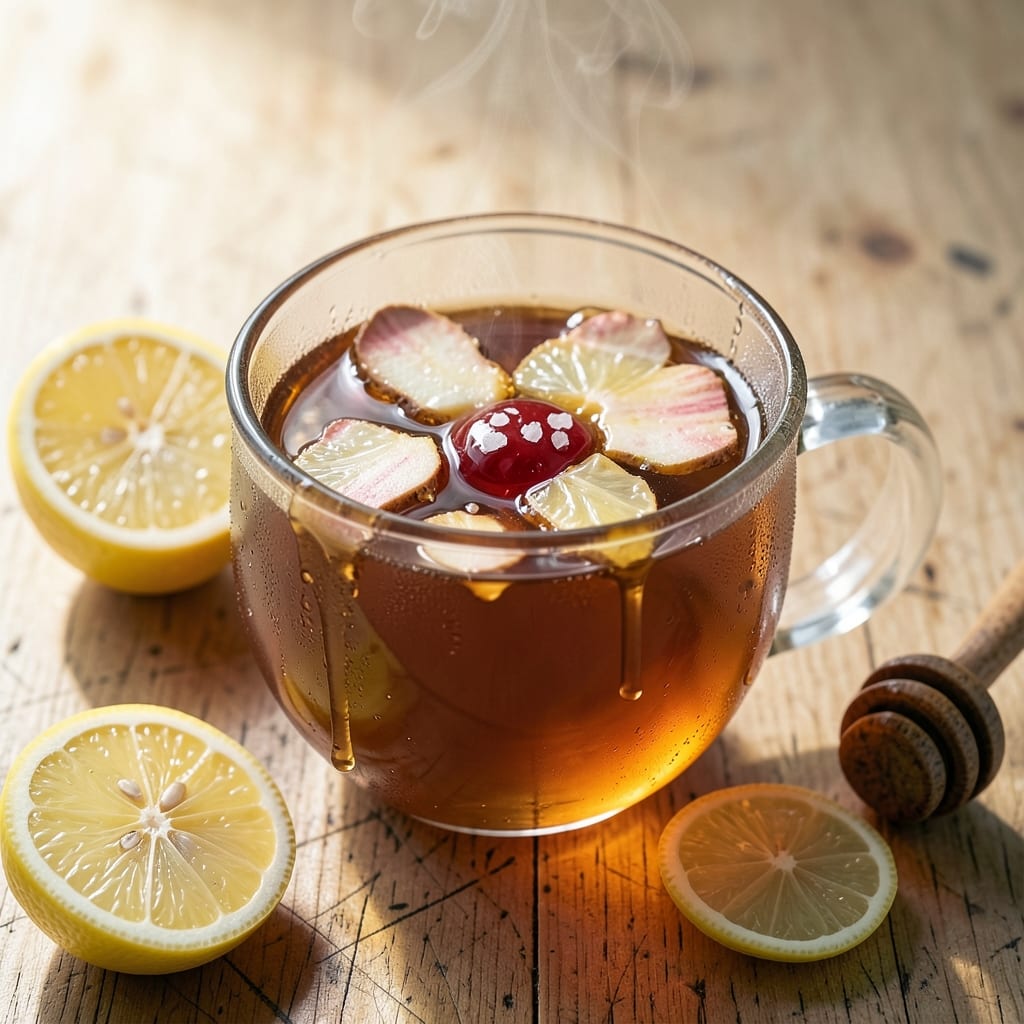
This apple cider vinegar tea recipe for colds delivers fast relief with just five minutes of prep—no complicated steps, just potent ingredients working together. 💛 I first discovered its power during a brutal winter in Asheville when my usual remedies fell short, and it became my go-to for clearing congestion and soothing sore throats. The tangy vinegar thins mucus while honey coats the throat, creating a remedy that tastes surprisingly good while fighting symptoms.
The beauty of this recipe lies in its simplicity: just apple cider vinegar, warm water, and a touch of honey (plus optional lemon for brightness). Unlike store-bought cold medicines, this version uses natural ingredients you likely already have in your pantry. The key is proper dilution—never drink it straight—to protect your tooth enamel while maximizing its benefits. My grandmother used to swear by similar remedies, and I've since perfected this version through years of testing.
What makes this tea truly effective is the combination of raw apple cider vinegar's antimicrobial properties and honey's natural antibacterial qualities. The result is a warm, soothing beverage that helps break up congestion while providing quick relief from cold symptoms. I've even had my kids drink it (diluted properly!) when they're feeling under the weather—it works faster than most commercial remedies.
Serve it warm for maximum comfort, or chill it for a refreshing alternative. The tea keeps well in the refrigerator for up to three days, making it perfect for when cold symptoms strike unexpectedly. Just remember to shake well before drinking, as the ingredients naturally separate. This is one remedy that delivers real results without the chemical aftertaste of over-the-counter options.
Ingredients for apple cider vinegar tea recipe for colds
Five simple ingredients transform into a powerful cold-fighting remedy in minutes.
| Ingredient | Amount | Notes |
|---|---|---|
| Raw Apple Cider Vinegar 🍏 | 2 tbsp | Unfiltered with mother preferred |
| Filtered Warm Water 💧 | 2 cups | Just off boil, cooled slightly |
| Raw Honey 🍯 | 1 tbsp | Local or manuka preferred |
| Fresh Lemon Juice 🍋 | 1 tbsp | Optional for brightness |
| Fresh Ginger 🧡 | 1 tsp | Grated, fresh only |
| Sea Salt 🧂 | ¼ tsp | Fine grain, for balance |
| Cinnamon Sticks 🌿 | 1 whole | Optional for warmth |
| Fresh Turmeric 🧡 | ¼ tsp | Grated, for anti-inflammatory boost |
The apple cider vinegar is non-negotiable here—look for raw, unfiltered brands with 'mother' at health food stores like Whole Foods or Sprouts. Brands like Bragg or Zevia are reliable staples. The honey should be raw and local if possible (check the local farmers market for seasonal varieties)—it retains more enzymes and antibacterial properties. Fresh ginger and turmeric? Grab them from the produce section, not the jarred spices aisle. The difference in potency is night and day. For the lemon, I always use organic to avoid pesticide residue, but conventional works too if that's what's available.
No raw apple cider vinegar? White vinegar in a pinch, though it lacks the beneficial enzymes. Short on honey? Maple syrup at half the amount works, but it won't have the same soothing throat-coating properties. Skip the lemon? Orange juice brings a similar brightness. If you're avoiding ginger (too spicy?), a pinch of cayenne pepper adds heat without the same earthy flavor. The cinnamon and turmeric are truly optional, but they elevate the tea's immune-boosting properties—think of them as the special agents in this remedy. For the water, filtered is ideal, but tap water works in a bind (just let it sit out overnight if it has a strong chlorine smell).
This tea is best made fresh, but if you're prepping ahead, store the vinegar, honey, and spices in a sealed jar in your pantry for up to 3 months. The lemon and ginger keep in the fridge for 1 week once cut. To make a batch for the week, combine everything except water in a jar, then add water when ready to drink. Shake vigorously before each serving—the ingredients naturally separate. For maximum potency, sip within 10 minutes of mixing. The tea stays effective in the fridge for 3 days, though the ginger loses some of its zing after 24 hours. Freeze extras in ice cube trays for quick cold relief later.
Why You'll Love This Recipe
- Five-Ingredient Magic: I swear by this combo—just warm water, a splash of ACV, honey to coat your throat, lemon for that zing, and ginger to kick things up. No measuring cups, no fancy tools, just instinct and a mug. Honestly, it’s the kind of recipe that makes me feel like I’m being taken care of when I’m not.
- Tangy-Sweet Balance: The honey and lemon make this taste like a cozy hug, but the ginger and ACV give it this unexpected depth—almost like a fancy spa drink but for when you’re sniffling in your pajamas. I’ll be real: my first sip always makes me pause and think, "Wait, this is actually good?"
- Cold-Fighting Sidekick: This isn’t just for sick days—it’s my go-to when I’m prepping for flu season or dragging through a busy week. Keep a jar of ACV and ginger slices in the fridge, and you’ve got an instant remedy for anyone (or any kid who’s "too tired to eat soup").
- Zero-Waste, Pocket-Friendly: Use up that half-squeezed lemon or the ginger root you forgot about instead of tossing it. A single batch costs pennies, and the leftovers? Just add more water and reheat—no spoilage, no waste. Between us, I’ve made this for my partner, my mom, and even my skeptical teen, and it’s always the first thing they grab when someone’s under the weather.
Step-by-step instructions for apple cider vinegar tea for colds
Here's how to blend these immune-boosting ingredients into a soothing, warming elixir.
🍳 Step 1: Warm the Water and Prepare the Base
Bring the 2 cups filtered water to a gentle boil in a small saucepan, then immediately reduce heat to low and let it simmer for 2 minutes to maintain warmth without boiling. This step ensures the water is hot enough to extract maximum flavor from your ingredients but not so hot it destroys delicate compounds in ginger or turmeric.
While the water heats, measure out the 2 tablespoons raw apple cider vinegar into a heatproof glass mug. I always use a glass container here—it preserves the vinegar's beneficial enzymes that can degrade in metal or plastic. Add the 1 whole cinnamon stick to the mug as well, as it'll infuse beautifully during the steeping process.
👨🍳 Step 2: Add Aromatics and Sweeteners
Once the water has simmered for 2 minutes, carefully pour it over the apple cider vinegar and cinnamon stick in your mug. Stir gently to combine—you'll notice the vinegar immediately begins to mellow out, losing its sharpness as it integrates with the warm water. This is where the magic starts.
Add the 1 teaspoon grated fresh ginger and ¼ teaspoon grated fresh turmeric to the mug. The ginger will release its zesty aroma instantly, while the turmeric adds a subtle earthy warmth. Let the mixture steep for 5 minutes—this allows the anti-inflammatory compounds in turmeric and the natural antibiotics in ginger to fully infuse into the liquid.
🥘 Step 3: Balance and Enhance the Flavor Profile
After the 5-minute infusion, stir in the 1 tablespoon fresh lemon juice and ¼ teaspoon sea salt. The lemon juice brightens the drink while adding vitamin C, and the salt enhances all the flavors, creating a perfect balance. I like to taste at this stage—it should be tangy, slightly spicy, and warming without being overpowering.
Finally, drizzle in the 1 tablespoon raw honey while stirring continuously. The honey not only adds natural sweetness but also coats your throat, soothing any irritation from a cold. Let the mixture sit for another 2 minutes to allow the honey to fully dissolve and meld with the other ingredients.
⏰ Step 4: Serve and Enjoy Immediately
Strain the tea through a fine-mesh sieve or cheesecloth into another mug if you prefer a smoother texture, or simply sip it with the cinnamon stick and any settled ginger particles. The tea should be warm but not scalding—ideal for sipping slowly. I like to serve this in a ceramic mug to maintain the warmth longer.
For maximum benefits, drink this tea while it's still warm. The combination of apple cider vinegar's probiotics, ginger's anti-inflammatory properties, turmeric's immune-boosting compounds, and honey's soothing qualities creates a powerful cold-fighting elixir. You'll feel the warmth spreading through you almost immediately.
Pro Tips For Making Apple Cider Vinegar Tea Recipe For Colds
- Stir Before Measuring: Apple cider vinegar settles like a diva—always shake the bottle or stir the liquid before pouring. I learned this after my first batch tasted way more bitter than usual, and it turned out I’d grabbed the sediment-heavy bottom. A quick swirl guarantees consistent flavor every time.
- Grate Ginger Fresh: Pre-shredded ginger loses potency fast, and jarred ginger is basically flavorless. Use a microplane or fine grater—about 1 teaspoon of fresh ginger per cup of tea—and let it sit for 5 minutes before straining. Your tea will thank you with actual zing, not just a ghost of spice.
- Dilute the Vinegar: Undiluted apple cider vinegar is like drinking liquid nails—even raw ACV needs to be tamed. Start with just 1 tablespoon per cup of warm water, then adjust to taste. I’ve seen people chug it straight and regret it immediately.
- Honey Last: Heat kills honey’s enzymes and antibacterial properties, so add it after the tea has cooled just enough to sip. Stir it in like you’re mixing a cocktail—slowly, so it dissolves without turning your drink into syrup. Trust me, your throat will notice the difference.
Essential equipment for this dish
Glass Mug Essentials
I swear by a heatproof glass mug—like the Corelle Stoneware or Le Creuset Stoneware—for making this tea. Glass preserves the beneficial enzymes in raw apple cider vinegar that can degrade in metal or plastic containers. Plus, the warmth lingers longer, making each sip more comforting. If you don’t have a dedicated tea mug, any borosilicate glass (like Pyrex) works in a pinch. Just avoid thin glassware that might crack with temperature changes. 💛
Fine-Mesh Strainer
A fine-mesh strainer or cheesecloth is your best friend for removing ginger and turmeric particles if you prefer a smoother texture. I love the OXO Good Grips Strainer—it’s durable and easy to clean. For a no-fuss option, a small metal tea strainer (like those used for loose-leaf tea) does the job just as well. If you skip straining, the settled spices at the bottom add extra flavor with every sip—just stir gently before drinking.
Small Saucepan
Use a small, heavy-bottomed saucepan (like Calphalon or All-Clad) to heat the water. This prevents hot spots that can scorch delicate ingredients like ginger and turmeric. A stainless steel saucepan is ideal because it heats evenly and won’t impart any off-flavors. If you’re short on time, a microwave-safe glass mug works too—just heat the water in 30-second bursts, stirring between each, until it reaches a gentle simmer.
Measuring Spoons
Precision matters with this recipe, so invest in a set of stainless steel measuring spoons—like the OXO Good Grips—for accurate measurements. The ¼ teaspoon turmeric and ¼ teaspoon sea salt can make a big difference in flavor balance. For grated ginger and turmeric, a microplane (like Bamix) is a game-changer—it yields fine, even grates without pulverizing the spices into a paste. A cheese grater works in a bind, but it’s messier and less consistent.
Optional: Immersion Blender
If you’re making a batch for the week, an immersion blender (like Ninja) helps blend all ingredients into a smooth, frothy consistency before refrigeration. This ensures even distribution of flavors and spices, so every sip tastes the same. Skip this step if you’re prepping single servings—just shake vigorously before drinking. The immersion blender is especially useful if you’re adding extra ginger or turmeric for a stronger immune boost. 💪
Nutrition facts
Frequently asked questions
Can I make this apple cider vinegar tea without honey?
Yes, but the honey is key for soothing throat irritation and adding natural sweetness. If you skip it, try 1 teaspoon maple syrup or ½ teaspoon agave nectar instead. The tea will still help with congestion, but the throat-coating benefit will be reduced. For extra sweetness without honey, you could also add a pinch of cinnamon or vanilla extract.
How often should I drink this tea for cold relief?
For active cold symptoms, sip 1 cup every 2-3 hours while awake. The vinegar's antimicrobial properties work best when consumed frequently, but never exceed 4 cups daily to protect your tooth enamel. For prevention during cold season, 1 cup daily in the morning or evening helps maintain immune support. Always follow up with water to protect your teeth.
Will this tea help with sinus congestion?
The combination of ginger's anti-inflammatory properties and apple cider vinegar's mucus-thinning effects makes this tea excellent for sinus relief. For extra congestion relief, add ½ teaspoon cayenne pepper (it creates a warming sensation that opens nasal passages) or steep an additional black tea bag for tannins that help break up mucus.
Can children drink this apple cider vinegar tea?
Children over 12 years old can drink this tea, but always dilute it further with extra water (use 3 cups water instead of 2) and reduce the vinegar to 1 tablespoon. For younger kids, skip the vinegar entirely and make a ginger-honey-lemon tea instead. Always consult your pediatrician before giving any vinegar-based remedies to children, as their developing digestive systems may be more sensitive.
What if I don't have fresh ginger or turmeric?
No problem! Use ½ teaspoon ground ginger or ¼ teaspoon ground turmeric as substitutes, though fresh offers more potent benefits. For ginger's zing, you could also add a few drops of ginger essential oil (food-grade only) or ½ teaspoon grated orange peel for brightness. The tea will still be effective—just slightly less potent in its anti-inflammatory properties.