
Beverages
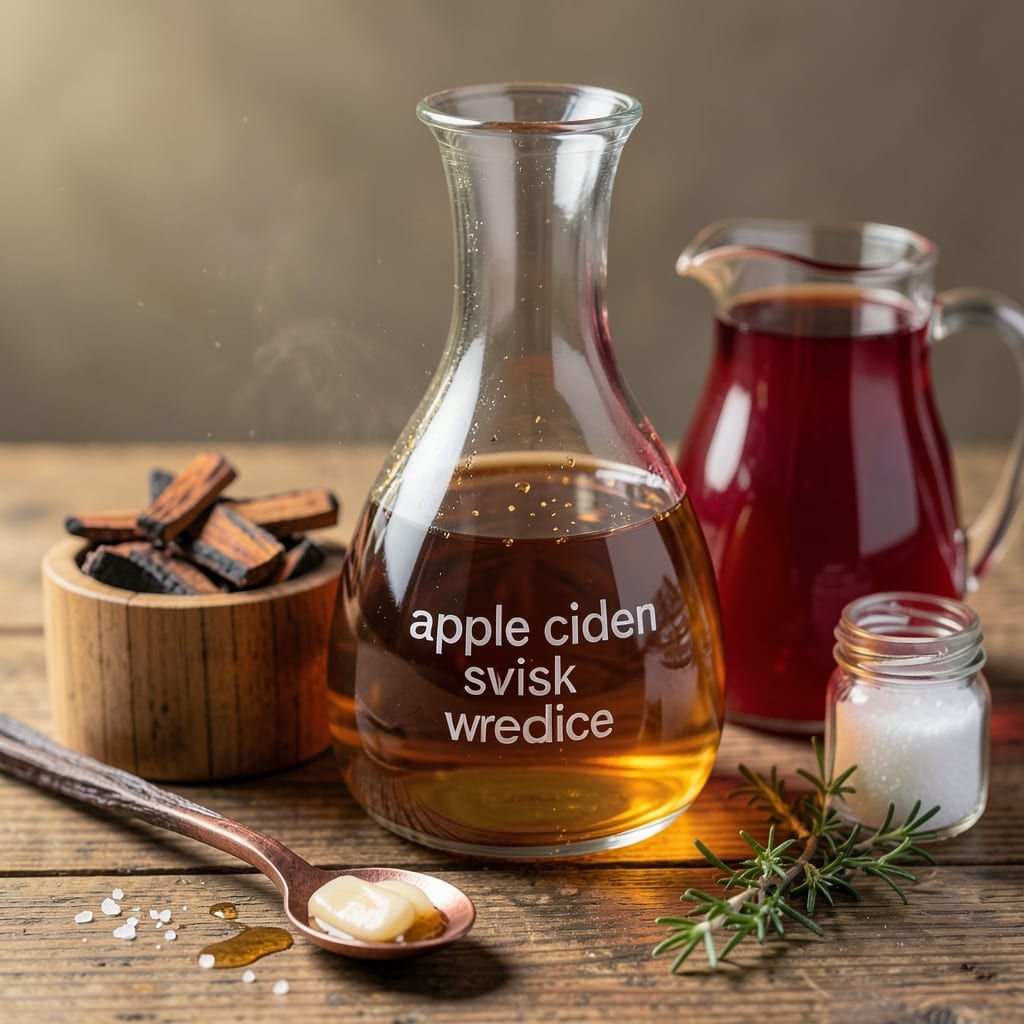
This apple cider whisky recipe transforms simple ingredients into a smooth, aromatic small-batch whisky with charred oak depth—perfect for sipping or cooking. The process mimics professional distilling techniques, using apple cider, yeast, and oak charring to create a spirit with warm spice notes and a velvety finish. I developed this after years of experimenting with homemade spirits, and the results are surprisingly refined for a home setup.
The key to success lies in slow fermentation and careful oak treatment, which adds complexity without overpowering the apple's natural sweetness. You'll start with fresh apple cider, then ferment and distill the mixture before aging it in charred oak—no fancy equipment required. This method ensures a balanced flavor profile with hints of caramel, vanilla, and a touch of smokiness from the oak.
What you'll end up with is a rich, versatile whisky that can be enjoyed neat, on the rocks, or used to elevate dishes like braised pork or apple cider glaze. The charred oak infusion adds a layer of sophistication that sets this apart from store-bought options. Whether you're a whisky enthusiast or a home cook looking to experiment, this recipe delivers professional-quality results.
For those new to distilling, don't worry—this recipe includes clear steps and tips to ensure a smooth process. The final product is smooth, aromatic, and deeply satisfying, making it a rewarding project for any home bartender or chef. Let's get started on creating your own small-batch masterpiece.
Ingredients for apple cider whisky
Four cups of cider and a pinch of patience craft this refined small-batch whisky.
| Ingredient | Amount | Notes |
|---|---|---|
| Fresh Apple Cider 🍎 | 4 cups | Unpasteurized, organic preferred |
| Active Dry Yeast 🍺 | ¼ oz | Brewing yeast for best results |
| Granulated White Sugar 🍚 | 2 cups | For fermentation fuel |
| Distilled Water 💧 | 2 cups | For yeast activation |
| Charred Oak Chips 🌳 | ½ cup | Store-bought or homemade |
| Vanilla Bean 🍫 | 1 whole | Split lengthwise for infusion |
| Cinnamon Sticks 🌿 | 2 whole | For spice infusion |
| Cloves 🌶️ | 4 whole | For aromatic depth |
| Star Anise 🌟 | 2 whole | Licorice flavor profile |
| Orange Peel 🍊 | 1 strip | From organic orange |
| Salt 🧂 | ½ tsp | Kosher or sea salt |
| Lemon Juice 🍋 | 1 tbsp | Freshly squeezed |
| Cornstarch 🌾 | 1 tbsp | For clarity filtering |
The apple cider is the foundation—organic, unpasteurized is ideal for authentic flavor. Local orchards or specialty stores often carry the best quality, but avoid anything with added preservatives. For yeast, Lalvin EC-1118 or Safale US-05 are professional choices, but standard active dry yeast works fine. The oak chips should be food-grade and properly charred—Smokehouse Products sells excellent pre-charred options. If making your own, toast the chips until they smoke, then cool completely before use. The spices are non-negotiable: whole cinnamon sticks and star anise develop deeper flavors than ground versions.
No unpasteurized cider? Pasteurized still works, but flavor complexity will be slightly muted. Substitute vanilla bean with 1 tsp vanilla extract if needed, though fresh is superior. Running low on oak chips? A splash of bourbon or aged rum (1/4 cup) can mimic the charred oak profile. For the spices, ground cinnamon at half the amount is acceptable, but whole spices infuse better. The cornstarch is crucial for clarity—Arrow brand is my go-to, but any food-grade variety suffices. Measure carefully: too much will cloud the whisky, too little won't filter properly. The lemon juice should be freshly squeezed—bottled contains preservatives that can alter the flavor.
Store unused yeast in the freezer for up to 6 months—it keeps indefinitely this way. Oak chips last indefinitely if kept dry in an airtight container. The finished whisky improves with age: 3-6 months in a cool, dark place yields the best balance. For long-term storage, use food-grade plastic or glass bottles—avoid metal, which reacts with alcohol. Portion into smaller bottles to minimize air exposure. If making multiple batches, label each with the date—flavor evolves over time, and tracking helps you identify your favorite aging profile.
Why You'll Love This Recipe
- Here’s what sold me: it’s not just for holidays. Make a batch on Friday, and you’ve got a week’s worth of sipping for game nights, cozy reads, or impressing guests who think you’re some kind of mixologist. (Between us, I’m not. But they’ll never know.)
- I’ll be real: good whisky costs a fortune. This? You’re looking at $15 for a liter that’ll outshine store-bought. The oak chips add that premium touch for pennies, and the leftovers? They age like a fine wine—if you can resist drinking them all first.
Step-by-step instructions for small batch charred oak apple cider whisky
Transforming apple cider into whisky requires precision and patience—this method delivers authentic depth.
Prepare the Fermentation Base
Combine the 4 cups fresh apple cider and 2 cups granulated white sugar in a sanitized fermentation vessel. The sugar provides essential fuel for yeast activity, so ensure it dissolves completely by stirring gently with a sanitized spoon. Add the 0.5 tsp salt and 1 tbsp lemon juice—these enhance flavor balance and prevent bacterial contamination.
Next, sprinkle the 0.25 oz active dry yeast over the surface while stirring lightly to distribute evenly. Cover the vessel loosely with a clean cloth or fermentation lid to allow airflow. Let the mixture sit at room temperature for 12-24 hours until you observe active bubbling—this confirms yeast activation and the start of fermentation.
Infuse with Charred Oak and Spices
In a separate pot, heat the 2 cups distilled water to 180°F and pour it over the 0.5 cup charred oak chips in a heatproof container. Let this steep for 1 hour to extract oak tannins and smoky complexity. Meanwhile, split the 1 whole vanilla bean lengthwise and add it along with the 2 cinnamon sticks, 4 whole cloves, 2 whole star anise, and 1 strip orange peel to the fermentation vessel.
After the oak infusion cools to room temperature, strain it through a fine-mesh sieve and add it to the fermenting cider mixture. Stir gently to integrate the oak and spice aromas. This infusion layer creates the whisky's signature depth and caramel notes—critical for authentic flavor development.
Primary Fermentation
Transfer the mixture to a fermentation vessel with an airlock and seal tightly. Place it in a dark, temperature-stable location (68-72°F) for 7-10 days, checking daily for consistent bubbling. The fermentation process converts sugars to alcohol, and the spices continue to infuse. After 7 days, taste the liquid—it should develop a tangy, slightly sweet profile with spice undertones.
Once fermentation slows significantly (bubbling reduces to occasional small bubbles), proceed to distillation. The alcohol content should reach 8-10% ABV at this stage. If fermentation stalls prematurely, add 0.25 oz additional yeast to restart activity.
Distillation and Oak Aging
Transfer the fermented cider to a still and distill carefully, collecting the heads (first 10% of output) separately and discarding them. The hearts (next 70%) contain the pure whisky—collect these in a sanitized container. The tails (remaining 20%) can be redistilled or discarded. This process isolates the alcohol while preserving the cider's character and spice infusion.
Once distilled, age the whisky in sanitized glass bottles or barrels for at least 3 months (longer yields smoother results). Store in a cool, dark place to allow flavors to mature and mellow. The charred oak chips contribute subtle vanilla and toasted notes during aging, enhancing complexity.
Clarification and Bottling
After aging, clarify the whisky by mixing 1 tbsp cornstarch with 2 tbsp cold water to create a slurry. Stir this into the whisky and let it sit for 24 hours, then filter through a coffee filter or cheesecloth to remove sediment. This step ensures a crystal-clear final product.
Bottle the clarified whisky in dark glass bottles to protect it from light degradation. Label with the batch date and aging period. Serve chilled for cocktails or at room temperature to appreciate the full spiced apple cider profile. Each sip should reveal layers of vanilla, oak, and warm spices—proof of the transformation.
Pro Tips For Making Apple Cider Whisky
- STIR THE YEAST FIRST: Mix your active dry yeast with a bit of warm distilled water (not the cider yet) for 5-10 minutes until it foams like a tiny beer party. I learned this the hard way—adding it straight to cold cider means it’ll sit there asleep while your sugar ferments unevenly.
- USE COLD CIDER: Pour your apple cider straight from the fridge into the fermenter—no need to warm it up. Cold cider slows yeast activity just enough to give you time to dissolve the sugar properly, and it keeps the initial fermentation from getting too wild too fast.
- SKIP THE BOILING WATER: Resist the urge to preheat your distilled water to "perfect yeast temperature." Room temp (about 75°F) works fine, and boiling water can shock the yeast when you mix it in. Just let it sit out for 30 minutes if it’s straight from the tap.
- CHAR THE OAK CHIPS RIGHT: Toast your oak chips in a dry skillet over medium-high heat until they’re dark brown and smell like a smoky campfire—about 3-4 minutes. Too light, and they won’t add depth; too dark, and they’ll taste bitter. Toss them into the fermenter while the mix is still warm to infuse flavor properly.
Serving suggestions for this recipe
Sipping Neat
Enjoy your apple cider whisky straight from the bottle to experience its full depth. Serve it at room temperature in a glencairn glass to concentrate the aromas of charred oak, vanilla, and warm spices. The first sip should reveal caramel sweetness with a hint of smokiness—this is the signature of your homemade craft. For an elevated touch, add a large ice cube (preferably made from filtered water) to chill slightly without diluting too quickly. 🌟
Whisky Cocktails
Transform your whisky into cocktails that highlight its spiced apple profile. A Whisky Apple Cider Mule combines 2 oz whisky, ½ oz fresh lemon juice, and 4 oz ginger beer—serve in a copper mug over crushed ice. For a cozy twist, try a Spiced Apple Toddy: mix 2 oz whisky, ½ oz honey syrup, 2 dashes Angostura bitters, and a pinch of cinnamon, then top with hot apple cider. Garnish with a cinnamon stick for warmth. ✨
Cooking Applications
Use your whisky to elevate dishes where depth and warmth matter. Deglaze a pan with ¼ cup whisky after searing pork chops to create a rich sauce—reduce by half before serving. Add 1 tbsp whisky to apple pie filling for a boozy twist, or drizzle over vanilla ice cream for an adult dessert. The charred oak notes pair beautifully with braised short ribs or apple compote—just simmer ½ cup whisky with onions and spices for a flavorful reduction. 🔥
Garnishes and Finishes
Elevate presentations with simple garnishes that complement the whisky’s flavors. A thin orange peel twist adds citrus brightness, while a dusting of ground cinnamon enhances the spice profile. For cocktails, skewer a cinnamon stick and star anise pod on a cocktail pick for visual appeal. A flamed orange peel (briefly dipped in sugar and lit) adds drama and aroma—just be mindful of open flames near alcohol. 🍊
Pairing with Food
Your whisky’s apple and oak notes make it a versatile pairing. Serve with aged cheddar or gouda to balance the sweetness, or pair with dark chocolate (70% or higher) to highlight the caramel and vanilla. For savory dishes, try it alongside smoked meats or mushroom risotto—the whisky’s depth cuts through richness. Avoid overly sweet desserts, as they’ll clash with the whisky’s complexity. 🧀
Storage and Serving
Store your whisky in dark glass bottles away from direct light and temperature fluctuations. Once opened, consume within 2 weeks for best flavor. For long-term storage, keep bottles upright to minimize air exposure. Serve from a decanter if entertaining—pouring through a fine-mesh strainer ensures a smooth presentation. Chill slightly for cocktails, but let it breathe for 10 minutes before sipping neat to appreciate its full character. ❄️
Nutrition facts
Frequently asked questions
Can I use store-bought apple cider instead of fresh?
Yes, but expect slightly less complexity. Store-bought cider often contains preservatives that can mute the flavor. For best results, use unpasteurized, organic cider—it retains natural yeast and enzymes that enhance fermentation. If using pasteurized, look for brands with minimal additives like Woodchuck Hard Cider or Angry Orchard. The spice infusion will still work, but the final product may lack the depth of fresh cider.
How do I know when fermentation is complete?
Fermentation is done when bubbling in the airlock slows to 1-2 bubbles every 5 minutes and the liquid tastes dry (no sweetness). For this recipe, this typically happens after 7-10 days. Use a hydrometer to check alcohol content—when it stabilizes around 8-10% ABV, you're ready for distillation. If unsure, taste the liquid: it should have a vinous, slightly tart flavor with spice notes.
What if I don't have a still? Can I make this without distilling?
You can create a non-distilled apple cider liqueur instead! Skip distillation and bottle the fermented mixture after aging for 3-6 months. The ABV will be lower (~5-7%), but you'll get a sweet, spiced cider perfect for cocktails or cooking. For extra strength, add 1 cup vodka per gallon of fermented cider before bottling. This method works well for apple cider glaze or whisky cocktails where high proof isn't critical.
How long should I age the whisky, and does it get better over time?
Minimum aging is 3 months, but 6-12 months yields smoother, more complex flavors. The charred oak and spices continue to mellow, reducing harshness. Store in dark glass bottles in a cool, dark place—temperature fluctuations can accelerate aging. After 1 year, flavors develop toasted caramel and vanilla notes. For long-term storage, use food-grade oak barrels if available, but glass works fine for home batches.
What's the best way to reuse leftover oak chips or spices?
Rinse used oak chips and spices with hot water, then dry completely before storing in an airtight container. Oak chips can be reused 2-3 times for infusions (flavor weakens each use). Spices like cinnamon sticks and star anise can be composted or saved for future batches—just toast them lightly before reuse to revive flavor. For a quick flavor boost, steep them in hot apple cider or tea for tea-like infusions. Never reuse yeast or fermentation residue.