
Desserts
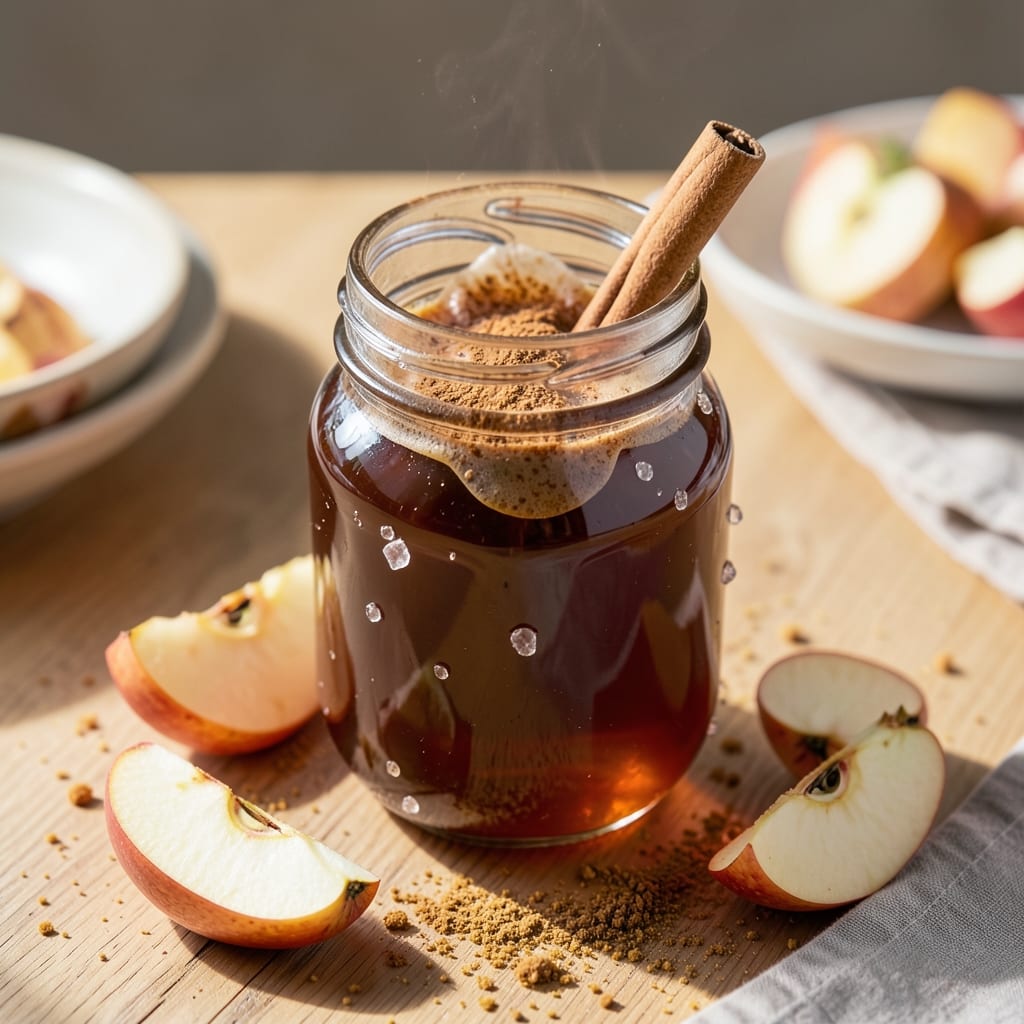
This apple cinnamon kombucha recipe transforms humble fermentation into a spa-like elixir that tastes like autumn in a bottle. 🍏 The secret lies in balancing tart apple cider with warm cinnamon during the second fermentation—creating effervescence that dances on your tongue while probiotics work their magic. Unlike store-bought versions, this method lets you control sweetness and spice levels precisely, resulting in a drink that's both complex and refreshing.
What makes this recipe special is the two-stage fermentation process: first, a gentle brew with a SCOBY (symbiotic culture of bacteria and yeast), then a flavorful second fermentation that develops those signature bubbles. I've perfected this technique to ensure safety while maximizing flavor—no bitter aftertaste here, just bright apple notes with a whisper of cinnamon warmth. The result? A probiotic-rich beverage that's as nourishing as it is delicious.
By the time you're done, you'll have a batch of golden, fizzy kombucha that's perfect for sipping on its own or using as a mixer in cocktails. The apple-cinnamon combination creates a flavor profile that's sophisticated yet approachable, making it ideal for both health-conscious drinkers and those new to fermentation. Plus, once you master this recipe, you'll unlock a world of flavor possibilities with just a few simple adjustments.
This method is designed to be beginner-friendly while still delivering professional results. We'll cover SCOBY care, proper fermentation times, and storage tips to ensure your kombucha stays fresh and fizzy. Whether you're brewing for wellness or just craving something uniquely satisfying, this apple cinnamon kombucha delivers on both fronts.
Ingredients for apple cinnamon kombucha
Humble ingredients meet fermentation magic for this vibrant, probiotic apple cinnamon elixir.
| Ingredient | Amount | Notes |
|---|---|---|
| Unfiltered Apple Cider 🍎 | 4 cups | Organic, unsweetened preferred |
| Raw Cane Sugar 🍚 | ½ cup | For SCOBY feeding only |
| Cinnamon Sticks 🌿 | 3 whole | Ceylon preferred for delicate flavor |
| Ground Cinnamon 🌶️ | 1 tbsp | For second fermentation |
| Active SCOBY (Mother Culture) 🍃 | 1 whole | Healthy, with liquid starter |
| Filtered Water 💧 | 4 cups | Room temperature preferred |
| Black Tea Bags ☕ | 2 whole | Caffeine-free preferred |
| Apple Pie Spice Blend 🍂 | 1 tsp | Homemade or store-bought |
| Lemon Juice 🍋 | 2 tbsp | Freshly squeezed, pasteurized |
| Hibiscus Flowers 🌸 | ½ cup | Dried, for color and tartness |
| Vanilla Bean 🌸 | 1 whole | Scraped seeds only |
| Sea Salt 🧂 | ½ tsp | Diamond Crystal preferred |
The SCOBY is your fermentation powerhouse—look for a healthy, rubbery disc floating in liquid, ideally from a trusted source like Culture Brewing Supply or a local fermentation group. If you're new, start with a second-generation SCOBY from a friend's batch to avoid contamination risks. Organic apple cider is a must here; conventional versions often contain sulfur dioxide, which can inhibit fermentation. For cinnamon, Ceylon sticks add warmth without bitterness, while ground cinnamon (Cassia) delivers bold spice—use both for depth. The hibiscus flowers might seem unusual, but they brighten the color and add a subtle tartness that balances the sweetness perfectly.
No Ceylon cinnamon? Cassia works fine—just reduce to 3/4 tbsp since it's stronger. Running short on SCOBY? A small piece (1 oz) is enough to kickstart fermentation, but plan for a longer first ferment. The black tea bags can be swapped for green tea or rooibos if you prefer different tannin profiles. Store-bought apple pie spice blends often contain fillers, so homemade (cinnamon + nutmeg + allspice + ginger) is ideal. For the lemon juice, pasteurized is critical—raw juice can introduce unwanted bacteria. The vanilla bean adds complexity, but vanilla extract (1 tsp) works in a pinch if you're in a hurry.
First ferment your SCOBY in a glass jar with a breathable cloth cover for 7-10 days at 68-78°F, away from direct sunlight. Transfer to a flip-top bottle for second fermentation with the cinnamon and spices, then refrigerate immediately after 2-3 days to halt carbonation. This batch keeps 3-4 weeks in the fridge, with flavor peaking at 10-14 days. For gifting, use swing-top bottles—they handle the pressure beautifully and look stunning. Always burp bottles daily during second fermentation to prevent explosions (trust me on this).
Why You'll Love This Recipe
- No-Fuss Fermentation: I swear by this—just dump in the apple cider, toss in a couple cinnamon sticks, and let the SCOBY do the work. No fancy equipment, no measuring cups, no stress. The SCOBY handles the heavy lifting while you sip your coffee or fold laundry.
- Fall in Love Fast: That first sip? Warm apple meets spiced cinnamon like a hug in liquid form. The unfiltered cider keeps it rich and tangy, while the ground cinnamon at the end adds a cozy, dusty finish. It’s the kind of flavor that makes you reach for a second glass without thinking.
- Party in a Bottle: Between us, this is my go-to for gatherings—no one turns down a fizzy, spiced drink that’s basically dessert in a bottle. Serve it chilled at a brunch, pour it over ice for a picnic, or even use it as a mixer for cocktails. It’s the MVP of easy entertaining.
- Cheap & Lasts Forever: A single batch costs pennies and keeps for weeks in the fridge. Split it with roommates, stash it for lazy mornings, or gift it to neighbors—everyone wins. Plus, the SCOBY just keeps making more, so you’re basically getting free kombucha forever. Budget hack? Yes. Lifestyle upgrade? Absolutely.
Step-by-step instructions for apple cinnamon kombucha
Here's how to craft vibrant, spiced kombucha that balances tart apple notes with warm cinnamon complexity.
🍳 Step 1: Prepare the Sweetened Tea Base
In a large glass jar, combine the 4 cups unfiltered apple cider, 4 cups filtered water, 0.5 cup raw cane sugar, and 2 whole black tea bags. I like to use a heat-safe glass jar that can handle the fermentation process without leaching chemicals. Gently stir until the sugar dissolves completely—you should see a light golden liquid with no visible sugar crystals.
Add the 3 whole cinnamon sticks and 0.5 cup hibiscus flowers to the mixture. The hibiscus will infuse a beautiful magenta hue and tart brightness, while the cinnamon sticks contribute subtle warmth. Let this mixture steep at room temperature for 24 hours, stirring gently every 8 hours to ensure even sugar distribution and prevent mold formation. You'll notice the liquid develops a deeper amber color and aromatic spice notes as it steeps.
🥘 Step 2: Add SCOBY and Begin First Fermentation
After the sweet tea has steeped, remove the tea bags, cinnamon sticks, and hibiscus flowers. Add the 1 whole active SCOBY (with its starter liquid) and 0.5 tsp sea salt to the jar. The salt helps regulate fermentation and supports SCOBY health. Cover the jar loosely with a clean cloth secured by a rubber band—this allows airflow while keeping out contaminants.
Place the jar in a spot with consistent 68-78°F temperature (like a pantry or cupboard) and let it ferment for 7-10 days. You'll know it's ready when the liquid develops a slight tanginess and the SCOBY appears healthy with a thin, grayish membrane. I check daily by tasting—when it's pleasantly tart but not overly sour, it's time to proceed. The longer it ferments, the more vinegary it becomes, so aim for the 7-day mark for a balanced flavor.
🍳 Step 3: Flavor the Second Fermentation
Pour the fermented liquid (with SCOBY) into a clean glass bottle, leaving about 2 inches of headspace to prevent overflow. Add the 2 tbsp lemon juice, 1 tsp apple pie spice blend, 1 tbsp ground cinnamon, and the scraped seeds from the 1 whole vanilla bean. The lemon juice adds brightness, while the spices deepen the apple-cinnamon profile.
Seal the bottle tightly and let it ferment at room temperature for another 2-3 days. This second fermentation develops the carbonation and allows the flavors to meld. Give the bottle a gentle shake daily to help distribute the flavors and prevent the SCOBY from sticking to the sides. You'll hear a faint fizzing sound—this is your cue that carbonation is building. Taste after 2 days to check for your preferred level of fizz and tartness.
⏰ Step 4: Chill and Serve for Perfect Carbonation
Once you're happy with the flavor and carbonation, transfer the kombucha to the refrigerator to slow fermentation and preserve the fizz. Let it chill for at least 12 hours—this step is crucial for stabilizing the carbonation. The cold temperature stops the yeast activity, locking in the perfect balance of tartness and effervescence.
Serve the apple cinnamon kombucha over ice for a refreshing, probiotic-packed drink. The hibiscus gives it a stunning pink hue, while the cinnamon and vanilla add warm, comforting notes that pair beautifully with the apple's natural sweetness. For best results, consume within 2 weeks of the second fermentation to enjoy peak flavor and carbonation.
Pro Tips For Making Apple Cinnamon Kombucha
- STEEP CINNAMON FIRST: The cinnamon sticks won’t infuse properly if they just float on top—crush one stick lightly with a rolling pin (not into dust) and drop it into the jar first. This breaks the bark’s surface so the flavor actually dissolves into the cider, not just sit pretty at the bottom. (Yes, even if you’re impatient like me.)
- USE FRESH SCOBY: That wrinkly, rubbery SCOBY you’ve had for months? It’s slowing down your fermentation. If it’s gray or smells off, toss it—your kombucha will taste flat and take twice as long. A healthy, white-ish SCOBY (even if it’s a few weeks old) ferments faster and keeps the apple-cinnamon balance sharp.
- WEIGH THE SUGAR: Scooping raw cane sugar by volume leads to inconsistent sweetness. Use a kitchen scale—you want 1 cup (200g) per quart of cider, no more. Too much sugar throws off the SCOBY’s balance, and your brew might end up cloying instead of subtly spiced.
- STORE COLD AFTER FLAVORING: Once you add ground cinnamon and apple cider, pop the jar in the fridge immediately—even if it’s not fully fermented. Ground cinnamon oxidizes fast, turning bitter if left at room temp. Cold storage also slows the fermentation process, giving you more control over tartness vs. sweetness before you drink it.
Flavor customization for apple cinnamon kombucha
Spice Level Control
Adjust the cinnamon intensity by modifying the ground cinnamon in the second fermentation. For mild warmth, use ½ tbsp—this keeps the flavor subtle but present. If you love bold spice, try 1.5 tbsp of ground cinnamon plus 1 extra cinnamon stick during first fermentation. I find Ceylon cinnamon adds delicate warmth, while Cassia delivers a stronger, more traditional spice kick. 🌶️
Sweet-Tart Balance
Control tartness by adjusting the lemon juice in the second fermentation. Start with 2 tbsp for a bright balance, but reduce to 1 tbsp if you prefer less acidity. For extra sweetness, add 1 tsp honey (raw preferred) during second fermentation—this caramelizes slightly, adding depth. The apple cider already provides natural sweetness, so avoid adding extra sugar here.
Flavor Layering
Add complexity by infusing additional ingredients during second fermentation. Try ½ tsp cardamom pods (lightly crushed) for floral notes or 1 star anise pod for licorice undertones. For fruit lovers, add ¼ cup diced pear (peeled) during first fermentation—it softens and releases juices, enhancing the apple flavor. Always taste after 24 hours to gauge intensity.
Carbonation Adjustments
Control fizz by modifying second fermentation time. For lighter carbonation, ferment only 1-2 days at room temperature before chilling. For extra bubbles, extend to 3-4 days but burp bottles daily to prevent explosions. If your kombucha tastes flat after chilling, let it sit at room temperature for 12 hours to reactivate fermentation before refrigerating again.
Herbal Infusions
Swap hibiscus for other herbal infusions during first fermentation. Rose petals (¼ cup) add floral elegance, while dried orange peel (2 tbsp) brings citrus brightness. For earthy notes, use 1 tbsp dried lavender—start with less as it's potent. Always remove herbs after first fermentation to avoid bitterness. The key is 1:1 ratio (e.g., ½ cup herb for 4 cups liquid).
Seasonal Variations
Adapt this recipe for seasonal flavors. In fall, add 1 tsp pumpkin pie spice and ½ cup roasted butternut squash purée during first fermentation. For spring, use 1 tbsp elderflower syrup and ½ cup peach slices in second fermentation. Winter calls for 1 star anise pod and ½ cup cranberry juice—both deepen the spiced apple profile beautifully. 🍂
Nutrition facts
Frequently asked questions
Can I use store-bought kombucha as a starter instead of a SCOBY?
No, store-bought kombucha won't work as a starter because it's typically pasteurized, killing the live cultures. You need an active SCOBY (symbiotic culture) with starter liquid to kickstart fermentation. If you don't have one, ask a friend who brews kombucha or order a SCOBY online from a reputable supplier.
How do I know when my kombucha is ready for second fermentation?
Your kombucha is ready when it develops a pleasant tartness (not overly sour) and the SCOBY looks healthy with a thin, grayish membrane. Test by tasting—aim for a flavor similar to green tea with a hint of vinegar. The first fermentation typically takes 7-10 days at 68-78°F. If it tastes too sweet, let it ferment longer.
Why did my kombucha turn cloudy or develop mold?
Cloudiness is normal due to yeast activity, but mold appears as fuzzy spots (usually green, black, or white). If you see mold, discard the batch immediately—it can make you sick. Prevent mold by using filtered water, keeping your workspace clean, and storing your SCOBY in a breathable cloth cover. Always ferment at 68-78°F to avoid temperature-related spoilage.
Can I make this kombucha without caffeine?
Swap the black tea bags for green tea, white tea, or rooibos—all are caffeine-free. Herbal teas like hibiscus or chamomile also work well, though they may alter the flavor profile slightly. Just ensure your tea is free of artificial flavors or preservatives that could inhibit fermentation.
How long will my apple cinnamon kombucha stay fizzy?
Once refrigerated, your kombucha will stay fizzy for 3-4 weeks if sealed properly. To preserve carbonation, avoid opening bottles too frequently and store them in the coldest part of your fridge. If it goes flat, try reactivating fermentation by letting it sit at room temperature for 12 hours before refrigerating again.