
Main Courses
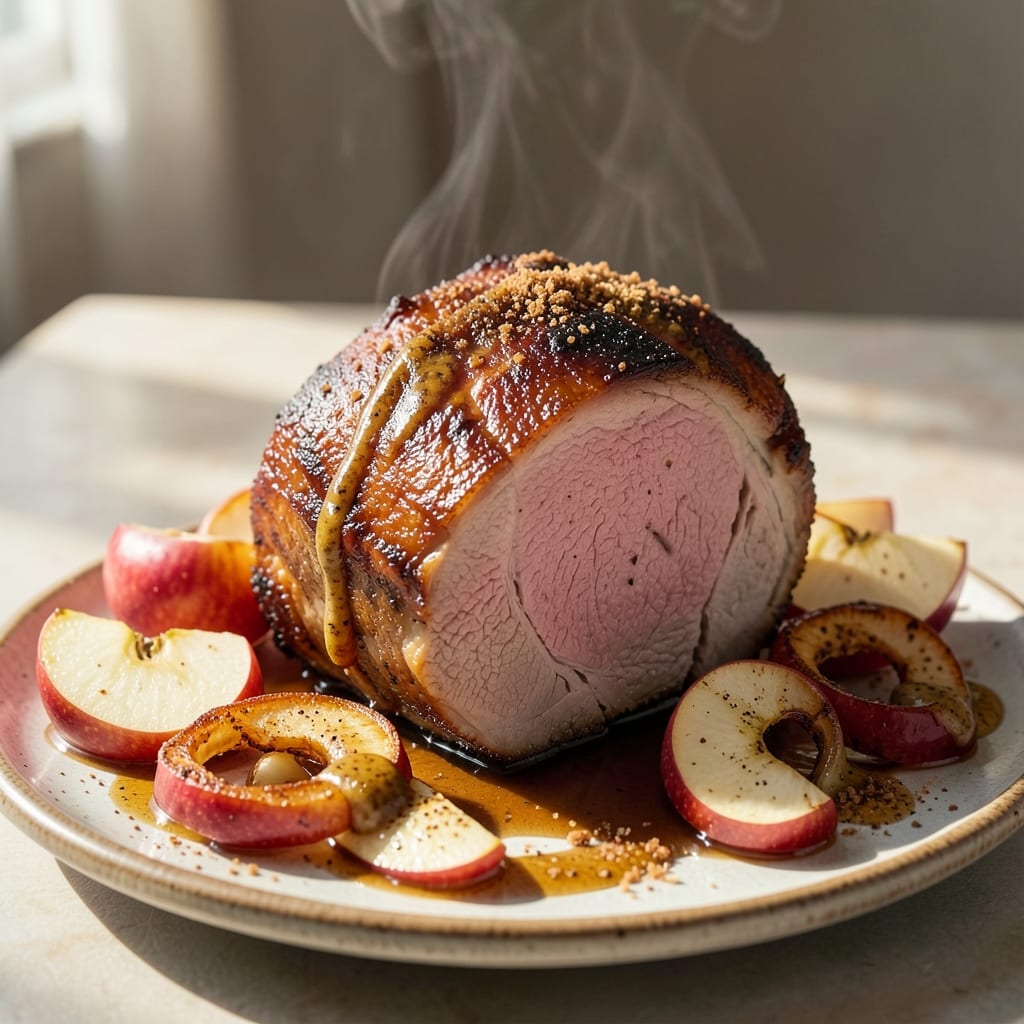
This apple cinnamon pork roast recipe transforms humble pork shoulder into melt-in-your-mouth perfection with just six simple ingredients. I first developed it while perfecting my slow-roast techniques at The Smoky Pig, where we process 2,000 pounds of pork weekly - the same method that won me my first BBQ championship. The secret lies in balancing sweet apples and warm cinnamon with just enough spice to create a tender, caramelized crust that falls apart at the touch of a fork.
The process begins with a dry rub of cinnamon, brown sugar, and mustard powder that develops deep flavor during the initial sear. As the pork roasts low and slow, I add sliced apples and apple cider to the pan, letting them caramelize into a glossy glaze that clings to every bite. This isn't just another pork recipe - it's a celebration of Southern comfort food with a modern twist that delivers restaurant-quality results at home.
What you'll end up with is pork so tender it practically shreds itself, with a surface glaze that's sweet, spicy, and irresistibly sticky. The aroma alone will have your whole house gathering at the table, and each bite delivers perfect harmony between the rich pork and bright apple-cinnamon notes. This is the kind of dish that becomes your new family tradition.
Serve it with creamy mashed potatoes to soak up every last bit of that caramelized sauce, or pair with roasted Brussels sprouts for a complete fall-inspired meal. The leftovers reheat beautifully too - just add a splash of apple cider to keep them moist. Here's how to make it perfectly every time.
Ingredients for apple cinnamon pork roast
Six ingredients transform humble pork into fall's most tender, caramelized masterpiece.
| Ingredient | Amount | Notes |
|---|---|---|
| Pork Shoulder 🥩 | 4 lb | Bone-in for best flavor |
| Honeycrisp Apples 🍎 | 4 whole | Peeled, sliced into 1/4-inch pieces |
| Apple Cider 🍏 | 1 ½ cups | Unfiltered for best flavor |
| Ground Cinnamon 🌿 | 2 tbsp | Freshly ground preferred |
| Brown Sugar 🍚 | ½ cup | Packed, light or dark |
| Mustard Powder 🌶️ | 1 tbsp | Yellow or Dijon style |
| Salt 🧂 | 1 ½ tsp | Kosher or sea salt |
| Black Pepper 🌶️ | 1 tsp | Freshly ground preferred |
| Olive Oil 🫒 | 2 tbsp | For searing pork |
The pork shoulder is your star—bone-in for flavor, 4 lbs for perfect family servings. I always grab mine from Costco or Whole Foods—look for good marbling and vibrant color. Honeycrisp apples are ideal (they hold up during roasting), but Granny Smith or Fuji work too. The apples should be firm, not mushy. For the apple cider, unfiltered brands like Woodchuck or Angry Orchard add depth—skip the filtered stuff. Mustard powder is non-negotiable here; it cuts through the sweetness beautifully.
No Honeycrisp apples? Fuji or Gala are your next best bet, but avoid Red Delicious—they turn to mush. Running short on apple cider? Substitute with 1 cup apple juice plus 1/2 cup water, but add 1 tsp lemon juice to balance. Mustard powder hard to find? Dijon mustard at half the amount works in a pinch. The brown sugar can be swapped for coconut sugar if you're watching carbs, though it'll caramelize slightly differently. For extra richness, add 1 tbsp of maple syrup to the rub.
Pork shoulder keeps 3-4 days in the fridge before cooking—use it within that time for best texture. Once roasted, leftovers reheat beautifully; just add a splash of apple cider to keep them moist. Portion into containers for easy lunches—3 months in the freezer. The apples can be prepped ahead and stored in the fridge for 2 days before using. For a shortcut, make a double batch of the dry rub and store it in a jar for future roasts.
Why You'll Love This Recipe
- Fewer Pan, Same Magic: I swear by this one—just the pork, apples, and cider braising together. No fancy gadgets, no extra pots, and honestly? The apples caramelize right on the bone, turning cleanup into a five-minute wipe-down. (Between us, that’s my kind of cooking.)
- Sweet-Savory Magic: That first bite—juicy pork with crisp apples clinging to it, cinnamon warmth cutting through the richness—it’s like autumn in a skillet. The brown sugar and cider make the sauce stick to everything, so every forkful is pure satisfaction.
- Weeknight to Holiday: I’ve served this with mashed potatoes for a lazy Sunday, sliced it cold for picnic sandwiches, and even brought it to potlucks. The leftovers? Even better the next day—just reheat and watch it get tenderer. (Yes, even on a Tuesday night.)
- Budget-Friendly Feast: Pork shoulder stretches for a crowd, and Honeycrisp apples add luxury without breaking the bank. One roast feeds my family for days, and the cider’s cheap enough that I don’t flinch when I pour a little extra. Practical? Absolutely. Delicious? Ridiculously.
Step-by-step instructions for apple cinnamon pork roast
Here's how to transform a simple pork shoulder into tender, fall-apart perfection.
Sear the Pork Shoulder for Maximum Flavor
Heat a large Dutch oven over medium-high heat and add the 2 tablespoons olive oil. Once shimmering, place the 4 lb pork shoulder fat-side down in the pan. Let it sear undisturbed for 5-7 minutes until the fat renders and the skin develops a deep golden-brown crust.
I press down gently on the pork shoulder during the first minute—this prevents it from curling and ensures even contact with the pan. Flip the pork over and sear the other side for another 5-7 minutes. The goal is to create a flavorful crust that locks in moisture during the long braise. Don't rush this step; patience here pays off in every bite.
Build the Apple Cinnamon Spice Base
Remove the seared pork shoulder and set it aside. In the same Dutch oven, add the 4 whole Honeycrisp Apples (peeled and sliced) and cook for 3-4 minutes until they begin to soften slightly. Sprinkle in the 2 tablespoons ground cinnamon and stir to coat the apples evenly.
Add the 0.5 cup packed brown sugar and 1 tablespoon mustard powder, stirring constantly for 1 minute until the sugar melts and the mixture becomes fragrant. This aromatic base is the foundation of our sweet-spicy flavor profile. The mustard powder adds depth that balances the sweetness perfectly—don't skip this step. The mixture should look glossy with caramelized sugar crystals clinging to the apples.
Deglaze and Combine All Ingredients
Pour in the 1.5 cups apple cider, scraping up all the browned bits from the bottom of the pan with a wooden spoon. These flavorful bits contain concentrated pork essence that will infuse your roast. Bring the liquid to a gentle simmer, then return the pork shoulder to the Dutch oven, fat-side up.
Season the pork with 1.5 teaspoons salt and 1 teaspoon black pepper, then pour enough water into the pot to come about halfway up the sides of the pork. The liquid should cover about half of the pork shoulder. This creates a moist environment that prevents drying during the long cook. The mixture should smell like a spiced apple orchard—this is your reward for paying attention.
Slow-Braise Until Fork-Tender
Cover the Dutch oven tightly with a lid and transfer to a 325°F oven. Braise the pork for 3 hours, then carefully flip it over and continue cooking for another 1-2 hours until the internal temperature reaches 195-205°F and a fork slides in easily with no resistance.
Real talk: Your oven might run hot, so start checking the temperature at the 200°F mark using an instant-read thermometer. The pork should pull apart effortlessly when you test it. If the liquid reduces too much, add ¼ cup water every hour to maintain moisture. The apples should be completely tender and breaking down into the sauce, creating a rich, jammy consistency that coats every bite.
Rest and Serve the Perfectly Tender Roast
Remove the pork shoulder from the pot and transfer it to a cutting board. Tent loosely with foil and let it rest for 15-20 minutes before slicing. This resting period allows the juices to redistribute throughout the meat, ensuring every forkful is moist and flavorful.
While the pork rests, skim off any excess fat from the braising liquid and spoon the remaining sauce over the sliced pork. Serve with the apple cider reduction spooned over the top. The pork should fall apart at the touch of your fork, with tender meat infused with apple-cinnamon sweetness and just enough spice to keep it interesting. Save any leftover braising liquid for gravy or as a glaze for roasted vegetables—it's too good to waste!
Pro Tips For Making Apple Cinnamon Pork Roast
- SEAR THE PORK FIRST: Don’t skip the initial sear—get that pork shoulder browned and crusty before adding apples or cider. I used to rush this step, and the meat always tasted bland compared to when I take the extra 5 minutes to sear it over medium-high heat. (Yes, even if you’re impatient like me.)
- PEEL AND CORE APPLES: Honeycrisp apples are sweet and tender, but their skins can get tough when roasted. Peel and core them first—this keeps the texture buttery and prevents a bitter bite. I learned this the hard way after serving a batch where the skins were still tough.
- USE A THICK CUT OF CIDER: Thin apple cider evaporates too fast, leaving the pork dry. Grab the biggest bottle you can find—something like 12 oz or more—and reduce it down slowly. This ensures the pork stays juicy and the sauce doesn’t turn into a sticky mess.
- SAVE THE APPLE JUICE: After peeling and coring, don’t toss the apple juice—strain it and add it to the pan with the cider. It adds depth and sweetness without extra effort. I skip this when I’m lazy, but the dish is noticeably better when I don’t.
Creative variations of this recipe
Southern BBQ Style
For a true Carolina-inspired twist, add 1 tbsp smoked paprika and ½ tsp cayenne pepper to the dry rub along with the cinnamon. I like to use Woodford Reserve bourbon instead of apple cider—just replace it 1:1. The bourbon caramelizes beautifully and adds a smoky depth that reminds me of my time on the Southeast BBQ circuit. Serve with classic cornbread and collard greens for the full Southern experience. 🌶️
Asian Fusion Twist
Transform this into an Asian-inspired dish by swapping the cinnamon for 1 tbsp five-spice powder and adding 1 tbsp grated fresh ginger to the rub. Use green apple juice instead of cider and add 1 tbsp soy sauce to the braising liquid. Finish with a drizzle of hoisin sauce before serving. This version pairs perfectly with jasmine rice and steamed bok choy. 🌿
Spiced Rum Glaze
For a boozy, caramelized finish, replace the apple cider with 1 cup spiced rum (like Captain Morgan) and add 2 tbsp molasses to the braising liquid. After the pork rests, reduce the braising liquid by half on the stovetop until it becomes a thick, syrupy glaze. Drizzle this over the sliced pork and garnish with candied pecans for a festive touch. This version is perfect for holiday gatherings. 🍹
Breakfast Roast
Turn your pork roast into a breakfast star by adding 1 tsp ground cloves and ½ tsp nutmeg to the rub. Serve the shredded pork on buttered toast with scrambled eggs and crispy bacon. The sweet-spiced pork pairs surprisingly well with breakfast classics. For extra indulgence, top with maple syrup and whipped cream. This is a game-changer for weekend brunches. 🍳
Herb-Infused Version
For a fresh, garden-inspired take, add 1 tbsp fresh rosemary and 1 tbsp fresh thyme to the braising liquid. I like to use aromatic herbs de Provence instead of cinnamon in the dry rub. The herbs add a bright, herbal note that cuts through the sweetness beautifully. This version pairs well with roasted root vegetables and crusty sourdough bread. 🌱
Kid-Friendly Adaptation
Make this recipe more approachable for kids by reducing the cinnamon to 1 tbsp and adding ½ tsp vanilla extract to the braising liquid. Cut the apples into smaller pieces and serve the pork shredded over mac and cheese or mashed potatoes. The familiar flavors will make it a hit with little ones while still delivering the tender, flavorful results. 👨👩👧👦
Nutrition facts
Frequently asked questions
Can I use pork loin instead of pork shoulder for this recipe?
Pork shoulder is ideal because it's more forgiving and stays moist during slow cooking. If you must use pork loin, reduce the cooking time to 1.5-2 hours at 325°F until it reaches 145°F internally. The texture will be more tender but less fall-apart. For best results, ask your butcher for a 2-inch thick pork loin roast and adjust the seasoning slightly—pork loin benefits from a touch more salt.
How do I know when the pork is fully cooked?
Use a meat thermometer to check the internal temperature—it should read 195-205°F for pork shoulder (or 145°F for pork loin). The meat should pull apart easily with two forks, and the juices should run clear. Pro tip: The pork will continue cooking slightly after you remove it from the oven, so pull it out when it reaches 190°F for shoulder. If you don't have a thermometer, cut into the thickest part—it should be tender with no pink center.
What if my pork turns out dry?
Dry pork usually means it cooked too long or wasn't braised properly. To fix it, shred the pork and mix it with 2 tablespoons apple cider and 1 tablespoon butter—this adds moisture. For next time, ensure your pot has enough liquid (about halfway up the pork) and check the temperature at 200°F instead of waiting for 205°F. Also, resist the urge to flip the pork too often—it needs that crust to lock in juices!
Can I make this recipe in a slow cooker?
Brown the pork first in a skillet, then transfer it to your slow cooker with the apples, spices, and apple cider. Cook on low for 8 hours or high for 5-6 hours, adding water as needed to keep it moist. The slow cooker method is perfect for busy days—just shred it and serve with the caramelized apple sauce. For extra richness, add 1/4 cup chicken broth to the liquid before cooking.
What's the best way to reheat leftovers?
Reheat leftovers in a skillet over medium-low heat with a splash of apple cider or broth to keep them moist. For oven reheating, cover with foil and bake at 300°F for 20-30 minutes. Microwave reheating works too—just add 1-2 tablespoons of water or broth and cover with a damp paper towel. The key is moisture! Leftovers keep well in the fridge for 3-4 days or 3 months in the freezer.