
Desserts
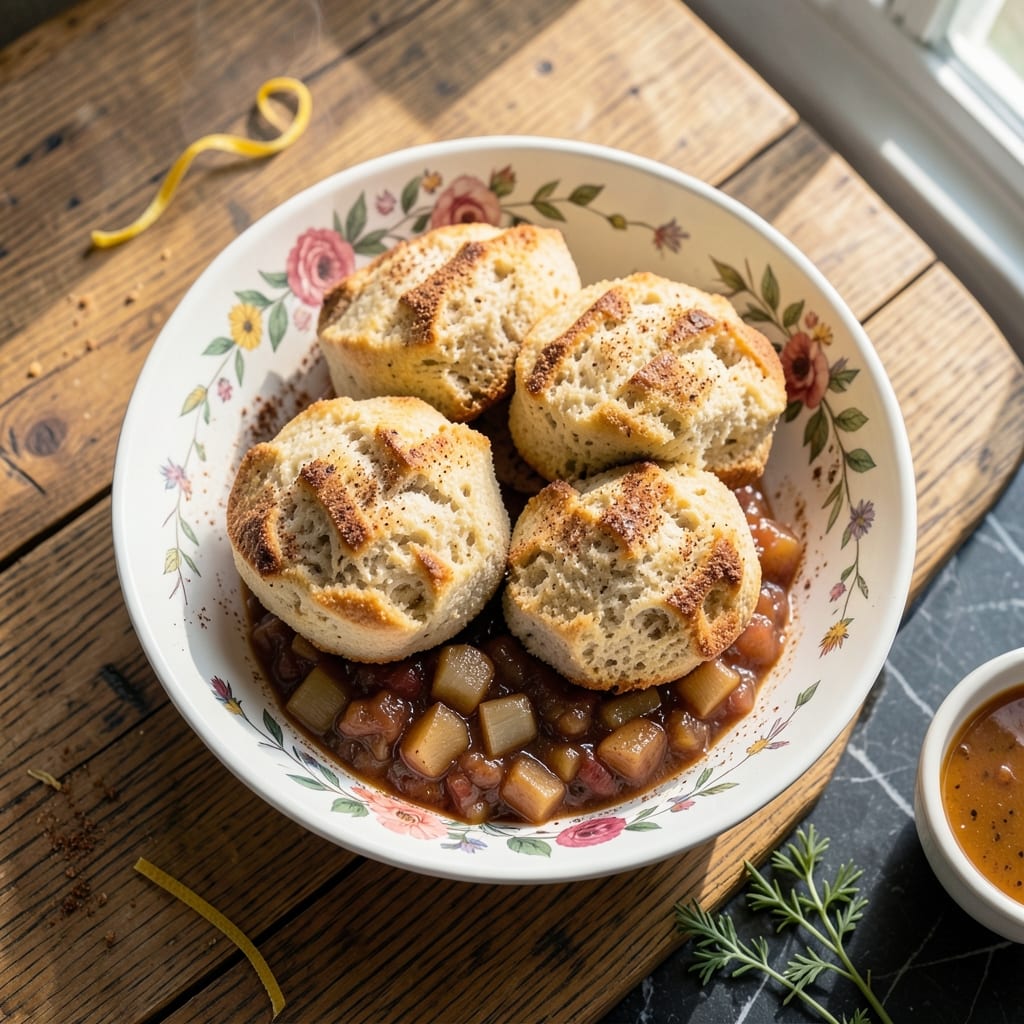
This apple cinnamon sourdough scones recipe delivers flaky layers that rival bakery perfection while keeping your kitchen warm with cinnamon and caramelized apple aromas. The secret lies in a well-fed sourdough starter that creates tender crumb and natural sweetness—no refined sugar needed. I developed this recipe after years of perfecting sourdough baking, and the difference between these and regular scones is night and day.
The process begins with a simple dough that combines your active starter with flour, butter, and just enough sugar to enhance the natural sweetness from the apples. We fold in diced apples and cinnamon, then cut in cold butter for that signature flakiness. The dough gets a gentle fold before shaping, which develops gluten just enough for structure without toughness.
After baking, you'll have golden scones with crisp edges, a tender crumb, and pockets of caramelized apple throughout. The warm cinnamon aroma fills your kitchen while the slight tang from the sourdough balances the sweetness perfectly. These scones are ideal for breakfast, brunch, or as a dessert with tea.
For extra indulgence, brush the warm scones with a simple glaze made from powdered sugar and milk. The contrast of crispy, flaky layers with the soft apple filling makes every bite worthwhile. Let's get baking!
Ingredients for apple cinnamon sourdough scones
These simple ingredients transform into bakery-style scones with tender crumb and caramelized apple pockets.
| Ingredient | Amount | Notes |
|---|---|---|
| Active Sourdough Starter 🍞 | ½ cup | Well-fed, bubbly starter |
| All-Purpose Flour 🌾 | 2 ½ cups | Plus 2 tbsp for dusting |
| Unsalted Butter 🧈 | ½ cup | Cold, cubed for flakiness |
| Granulated Sugar 🍯 | ¼ cup | Enhances apple sweetness |
| Cinnamon 🌿 | 1 ½ tbsp | Ground, aromatic variety |
| Apple Pie Filling 🍎 | 1 cup | Unsweetened, diced small |
| Large Egg 🥚 | 1 whole | For binding |
| Whole Milk 🥛 | ¼ cup | Full-fat for richness |
| Salt 🧂 | ½ tsp | Kosher or sea salt |
| Powdered Sugar 🍯 | ¼ cup | For glaze |
| Vanilla Extract 🍯 | ½ tsp | Optional for depth |
The sourdough starter is the magic here. King Arthur or Bobs Red Mill flours work best for sourdough—look for high-protein content. Your starter should be bubbly and active, with a tangy aroma. If you're new to sourdough, King Arthur's sourdough guide is a game-changer. The butter needs to be cold—take it out of the fridge 10 minutes before using so it's soft but still holds shape. For the apples, Granny Smith or Honeycrisp are ideal—they hold their shape and add brightness. If you can't find apple pie filling, dice up a firm apple like Fuji and toss it with 1 tsp lemon juice to prevent browning.
No sourdough starter? Plain yogurt or buttermilk can substitute in a pinch, but the flavor won't be quite the same. Short on butter? Coconut oil works too, though it adds a slight coconut note. The cinnamon can be swapped for cinnamon sticks blended into powder if that's what you've got. For the glaze, if you're avoiding dairy, almond milk or coconut milk works perfectly. The vanilla is optional but worth it—it rounds out the flavors beautifully. Pro tip: if your dough feels too sticky, chill it for 15 minutes before shaping—it'll come together much easier.
Store the dough in the fridge for up to 24 hours if you want to prep ahead. The baked scones keep well at room temperature for 2 days, wrapped in a clean kitchen towel to maintain freshness. For longer storage, freeze them on a tray first, then transfer to a bag—they'll keep for 3 months. Reheat in a 350°F oven for 5 minutes to restore crispness. These scones reheat beautifully, so save a few for breakfast the next day.
Why You'll Love This Recipe
- No-Knead Magic: I swear by this—just mix, fold, chill. The sourdough starter does all the work while you sip coffee, and those cold butter cubes melt into flaky layers like clockwork.
- Cinnamon-Apple Bliss: That warm, spiced apple filling (even if it’s just sugar + cinnamon + diced apple) turns every bite into a cozy hug. The sourdough’s tang cuts through the sweetness—balance at its finest.
- Breakfast or Snack Hero: Make a batch on Sunday, and you’ve got weekday breakfasts covered. Toast them for crunchy edges, or serve with jam for a picnic. Honestly, they disappear faster than I can say “second cup of coffee.”
- Budget-Friendly Luxury: Uses pantry staples (hello, butter and flour) but tastes like you slaved over it. Leftovers? Freeze them—just reheat for a lazy morning. My wallet and taste buds approve.
Step-by-step instructions for apple cinnamon sourdough scones
Here's how to create tender, flaky layers with warm apple-cinnamon goodness every time.
Combine Wet Ingredients for Perfect Texture
In a medium bowl, whisk together the 0.5 cup Active Sourdough Starter, 0.25 cup Whole Milk, 1 whole Large Egg, 0.5 tsp Vanilla Extract, and 0.25 cup Granulated Sugar until completely smooth. This mixture should be thick but pourable—like heavy cream. The sourdough starter adds that signature tang and helps create a light, airy crumb.
I like to use a fork for this step because it creates small air pockets that will develop into those beautiful flaky layers. If the mixture seems too thick, add 1-2 teaspoons of milk to loosen it slightly. The goal is to create a cohesive dough that will hold together when you add the dry ingredients.
Mix Dry Ingredients and Cut in Cold Butter
In a separate large bowl, combine the 2.5 cups All-Purpose Flour and 0.5 tsp Salt. Make a well in the center and pour in the wet mixture. Using a wooden spoon or silicone spatula, gently fold everything together until just combined—you should still see some flour streaks. This prevents overworking the dough, which can make the scones tough.
Next, add the 0.5 cup Unsalted Butter, cut into small cubes. Using your fingers or a pastry cutter, work the butter into the flour mixture until you have pea-sized crumbs with some larger butter pieces remaining. The cold butter is what creates those beautiful flaky layers when baked. If the mixture feels too dry, add 1 teaspoon of milk to help bind it together.
Fold in Apple Filling and Shape the Dough
Gently fold in the 1 cup Apple Pie Filling using a spatula or your hands. Be careful not to overmix—just distribute the filling evenly throughout the dough. The apples should be visible in pockets throughout. Sprinkle 1.5 tbsp Cinnamon over the top and fold it in as well. This step is where the warm spice flavor really starts to infuse into the dough.
Turn the dough out onto a lightly floured surface and pat it into a 1-inch thick rectangle. This thickness ensures even baking and prevents the scones from spreading too much. Dust the top with a little more flour to prevent sticking, then fold the dough in half like a book. This folding technique creates more layers, making the scones even flakier.
Cut and Bake for Golden Perfection
Preheat your oven to 400°F and line a baking sheet with parchment paper. Using a 2.5-inch round cutter (or a glass of that size), cut out scones from the dough. Place them on the prepared baking sheet, about 1 inch apart. Gather any scraps, press them together, and cut out more scones—you should get about 4-6 scones depending on your cutter size.
Bake for 15-18 minutes until the edges are golden brown and the tops look slightly puffed. The centers should still feel soft when pressed gently—they'll continue cooking as they cool. Here's the thing—don't overbake them. You want them to be tender inside with just a hint of crispness on the edges. If they start to brown too quickly, tent the baking sheet with foil.
Glaze and Serve Warm
While the scones are still warm, whisk together the 0.25 cup Powdered Sugar with 1-2 teaspoons of milk (or the reserved milk from the dough) until smooth. This creates a simple but elegant glaze that adds just the right amount of sweetness. Drizzle the glaze over the warm scones and let it soak in for about 1 minute before serving.
Serve immediately with a cup of coffee or tea while they're still warm and fragrant. The combination of flaky layers, warm apple-cinnamon filling, and sweet glaze makes these scones irresistible. If you can't eat them all at once, store them in an airtight container at room temperature for up to 2 days, or freeze for up to 1 month. Just reheat in the oven for 5-10 minutes at 350°F to restore that fresh-baked flavor.
Pro Tips For Making Apple Cinnamon Sourdough Scones
- Chill the Dough: I learned this the hard way—skipping the 24-hour cold proof changes everything. Wrap the shaped scones in plastic and refrigerate overnight; the gluten relaxes, the flavor deepens, and they brown beautifully. (Yes, even if you’re impatient like me.)
- Cut Cold Butter: Use unsalted butter straight from the fridge—no need to soften it first. Cut it into small cubes and mix it into the dry ingredients; the cold pieces will create flaky layers as they bake. (This isn’t the prettiest method, but it’s the tastiest.)
- Skip Overmixing: Once you add the sourdough starter, stop folding the dough after 2-3 turns. Overworking it develops gluten, and these scones should be tender, not chewy. (Your future self will thank you.)
- Toast the Cinnamon: Dry-toast the cinnamon in a small pan for 30 seconds until fragrant—it intensifies the flavor without overpowering. Let it cool before mixing into the dough. (Sounds weird, but it works.)
Common mistakes when making this recipe
Overmixing the Dough
This is the #1 mistake I see—overworking the dough turns scones dense instead of flaky. Once you've combined the wet and dry ingredients, stop mixing as soon as you see small flour streaks remaining. The gluten develops quickly, and once it's overworked, those beautiful flaky layers disappear. I recommend using a gentle folding motion with a silicone spatula rather than kneading. 🥄
Skipping the Cold Butter
Never use softened butter—it melts too quickly during baking, creating a tough texture instead of flaky layers. Cut your ½ cup unsalted butter into small cubes and keep it cold until the last possible moment. I like to take it straight from the fridge and cut it while the dough is still cool. The butter should stay firm but slightly soft enough to work into pea-sized crumbs.
Uneven Apple Distribution
Folding the apple filling in too aggressively can create pockets with too much fruit in some areas and none in others. Instead, gently stir the filling into the dough with a spatula until you see even distribution. Aim for 2-3 apple pieces per scone. If your filling is watery, drain it first or pat it dry with a paper towel to prevent a soggy texture.
Incorrect Baking Temperature
Baking at 375°F instead of 400°F slows the Maillard reaction, resulting in pale, underdeveloped flavor. The higher temperature creates that signature golden-brown crust and crisp edges. If your oven runs hot, reduce to 375°F but watch closely after 12 minutes. A thermometer probe in the thickest scone helps—pull them out at 190°F internal temperature.
Overbaking for Crispiness
I've seen scones turned into hockey pucks because they were baked too long. The perfect scone should have soft centers with just a hint of crispness. They'll continue cooking for 5-10 minutes after coming out of the oven. If the tops brown too quickly, tent with foil after 10 minutes to prevent over-browning while the centers finish baking.
Ignoring the Resting Time
Rushing the 15-minute chill before cutting leads to uneven shapes and dense texture. The cold temperature firms up the butter, preventing excessive spreading. If your kitchen is warm, chill the dough for 20-30 minutes. For best results, refrigerate overnight—this enhances the sourdough flavor and makes cutting cleaner. 🍂
Nutrition facts
Frequently asked questions
Can I make these scones without a sourdough starter?
Yes! For a similar texture, substitute ½ cup plain yogurt or ½ cup buttermilk for the starter. The flavor won't be identical, but you'll still get tender, flaky layers. For extra tang, add ½ teaspoon vinegar to the milk mixture. The scones will be slightly sweeter without the sourdough's natural acidity.
How do I store leftover scones?
Keep them fresh at room temperature for 2 days in an airtight container wrapped in a clean kitchen towel. For longer storage, freeze the baked scones (unfrosted) on a tray first, then transfer to a bag. They'll stay good for 3 months. Reheat in a 350°F oven for 5 minutes to restore crispness.
Can I use fresh apples instead of apple pie filling?
Dice 1 medium apple (like Honeycrisp or Granny Smith) into small pieces, then toss with ½ teaspoon lemon juice to prevent browning. Pat dry with a paper towel to remove excess moisture—this prevents soggy scones. Use the same 1 cup measurement as the filling.
Why did my scones turn out dense?
Overmixing is the most common cause. Stop folding when you see small flour streaks remaining. Also check your butter—it should be cold but pliable. If the dough was too warm, chill it 15-20 minutes before shaping. For extra flakiness, fold the dough in half once after shaping.
Can I make these scones gluten-free?
Yes, but expect a slightly denser texture. Replace the all-purpose flour with a 1:1 gluten-free baking flour blend (like Bob's Red Mill). Add ½ teaspoon xanthan gum if your blend doesn't contain it. For the sourdough starter, use a gluten-free version or substitute with ½ cup gluten-free yogurt.