
Main Courses
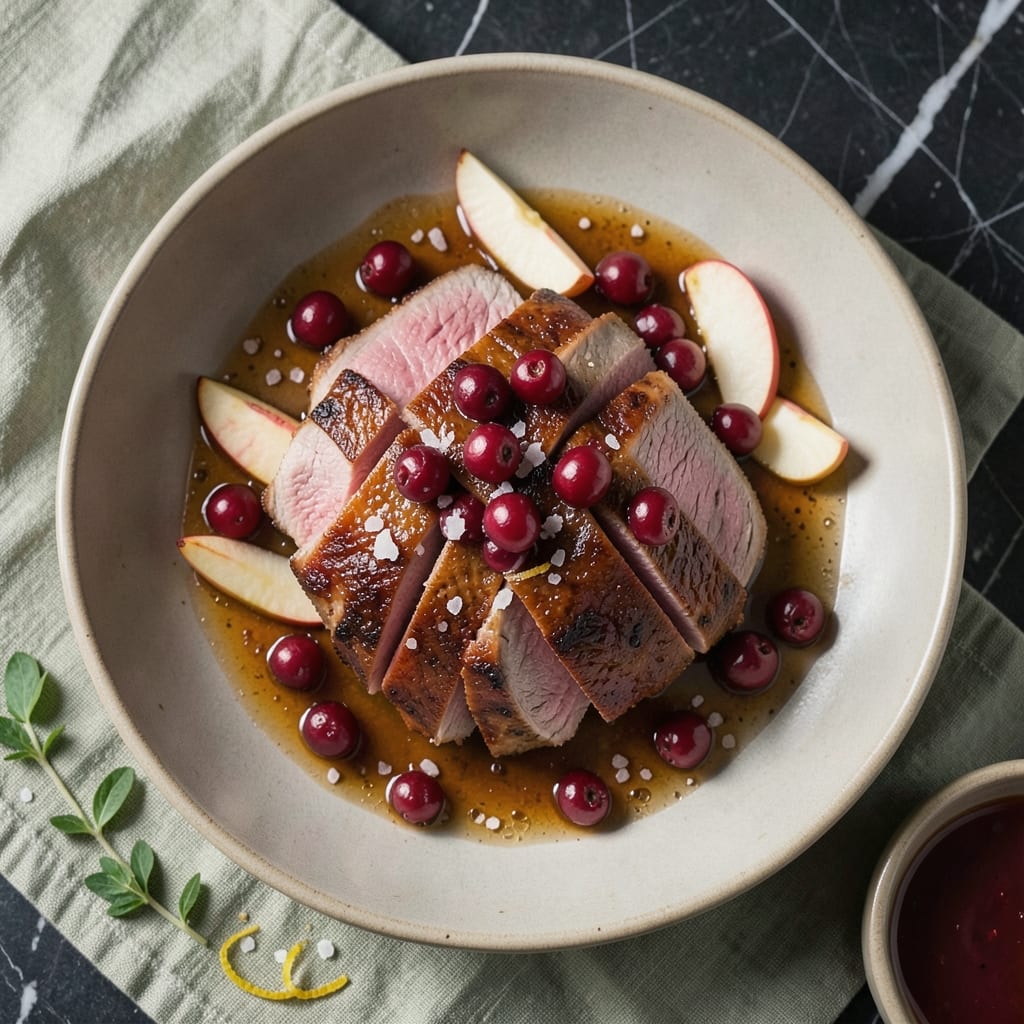
This apple cranberry pork loin recipe delivers a perfect balance of sweet, tart, and savory flavors that transform a simple roast into a showstopping centerpiece. After years of perfecting this technique—from brining the pork to achieving that caramelized glaze—I can confidently say this is the one dish that elevates any holiday or family dinner. The secret lies in the slow-roasted pork tenderloin, kissed with a glaze that bursts with apple cider and cranberry sweetness, creating a crust that's impossible to resist.
What sets this recipe apart is the 30-minute caramelization that happens in the oven, where the natural sugars in the apples and cranberries meld with the pork's juices to create a glossy, sticky finish. I start with a simple brine to ensure the meat stays moist and flavorful, then sear it in a hot pan before transferring to the oven. The glaze isn't just sweet—it's tangy, thanks to a splash of apple cider vinegar, which cuts through the richness of the pork and brightens every bite.
The result is a restaurant-quality pork loin with a tender, juicy interior and a glaze so rich it practically melts in your mouth. The apples add a subtle caramelized depth, while the cranberries bring a bright, tart contrast that keeps the flavors balanced. This dish is foolproof, elegant, and perfect for impressing guests—or simply treating yourself to a meal that feels like a celebration.
Pair it with roasted root vegetables or a simple green salad to round out the plate, and you’ve got a complete meal that’s as beautiful as it is delicious. The best part? It’s a technique I’ve perfected over years of cooking for crowds, so you can trust it will deliver every time. Let’s get started.
Ingredients for apple cranberry pork loin
Six ingredients transform pork into a showstopping centerpiece with caramelized glaze perfection.
| Ingredient | Amount | Notes |
|---|---|---|
| Pork Tenderloin 🥩 | 2 lb | Center-cut, even thickness |
| Apple Cider 🍎 | 1 cup | Unfiltered for depth of flavor |
| Cranberries 🍇 | 1 cup | Fresh or frozen, chopped |
| Apple Cider Vinegar 🍋 | ¼ cup | For tangy brightness |
| Brown Sugar 🍚 | ½ cup | Packed, light kind |
| Mustard 🥬 | 2 tbsp | Dijon or whole grain |
| Honey 🍯 | 2 tbsp | Wildflower preferred |
| Garlic Cloves 🧄 | 4 cloves | Minced, fresh |
| Salt 🧂 | 1 ½ tsp | Kosher or sea salt |
| Black Pepper 🌶️ | 1 tsp | Freshly cracked |
| Olive Oil 🫒 | 2 tbsp | Extra-virgin, for searing |
| Water 💧 | 1 cup | For brine |
| Fresh Thyme Leaves 🌿 | ¼ cup | Chopped, stems removed |
| Onion Powder 🧅 | ½ tsp | For depth |
The pork tenderloin is the star—center-cut and even thickness ensures perfect cooking. Grab one from Whole Foods or your local butcher; they’ll trim it for you. If you’re using a whole tenderloin, ask for it cut into two even pieces. The apple cider should be unfiltered—Mott’s or local orchard brands add depth. Fresh cranberries are ideal, but frozen work too (just chop them first). For the glaze, brown sugar is a must—it caramelizes beautifully, unlike white sugar. If you’re in a hurry, Trader Joe’s has pre-chopped cranberries that save time.
No apple cider vinegar? White vinegar or lemon juice in a pinch—just reduce the amount to 2 tbsp. Swap honey for maple syrup if you’re avoiding it, but honey’s floral notes are worth it. The mustard adds tang—Dijon is classic, but whole grain gives nice texture. If you’re missing garlic, garlic powder at half the amount works, but fresh is better. For the brine, water and salt are all you need—just mix and let the pork soak for at least 30 minutes. The thyme can be dried (use 1/4 tsp), but fresh is brighter. Prefer a smokier flavor? Swap the onion powder for smoked paprika—it’s a game-changer.
The brine keeps for 3 days in the fridge—use it for other meats too. Chopped cranberries and apples stay fresh for 1 week in the fridge, but the glaze ingredients (brown sugar, honey, etc.) last 6 months in a sealed container. Make the glaze ahead—it actually tastes better after sitting overnight as the flavors meld. Store leftovers in the fridge for 3 days, or freeze for 3 months. Reheat gently in a saucepan with a splash of water to keep it glossy.
Why You'll Love This Recipe
- One-Pan Magic: Honestly, I swear by this recipe when I’m short on time—just toss the pork, apples, and cranberries in one skillet with the vinegar and brown sugar, then let it simmer. No chopping boards, no extra pots, just hands-off flavor building while you stir occasionally.
- Sweet-Savory Balance: That tangy apple cider vinegar and caramelized brown sugar? It’s the secret weapon here. The pork stays juicy, the cranberries burst with tartness, and the apples add just enough natural sweetness to make every bite feel like a hug—no heavy sauces needed.
- Leftovers That Don’t Suck: Between us, this recipe actually improves the next day. The pork gets even more tender, and the sauce thickens into a glossy glaze. I’ll pack it for lunches or reheat slices for breakfast—yes, even on a Tuesday night—because it’s that good cold or warm.
- Budget-Friendly Crowd-Pleaser: I make this for everything from family dinners to potlucks, and no one ever questions why I brought it. Pork tenderloin is lean but affordable, and the apples/cranberries stretch the dish further than a fancy cut. Plus, the vinegar and sugar are pantry staples, so I’m not breaking the bank for a meal that gets rave reviews.
Step-by-step instructions for apple cranberry pork loin with sweet-tart glaze
This method delivers perfectly caramelized glaze and juicy pork every time—let's make it happen!
Prepare the Pork and Make the Brine
Pat the 2 lb pork tenderloin completely dry with paper towels—this ensures maximum browning. In a large bowl, combine 1 cup water, 1.5 tsp salt, 1 tsp black pepper, 0.5 tsp onion powder, and 2 tbsp olive oil. Submerge the pork in this mixture and refrigerate for at least 30 minutes (up to 2 hours). This step guarantees tender, flavorful meat from edge to edge.
While the pork brines, chop 1 cup cranberries and 0.25 cup fresh thyme leaves into small pieces. Set these aside—they'll add vibrant color and herbal depth to the glaze. The cranberries will soften beautifully during cooking, releasing their tart-sweet juices into the sauce.
Sear the Pork and Sauté Aromatics
Preheat your oven to 400°F. Remove the pork from the brine and pat it dry again. Heat a large oven-safe skillet over medium-high heat and add the pork. Sear for 3-4 minutes per side until golden brown—this creates the perfect foundation for the glaze to cling to. Transfer the pork to a plate and tent loosely with foil.
In the same skillet, add 2 tbsp olive oil and reduce heat to medium. Add the 4 minced garlic cloves and sauté for 30 seconds until fragrant. Immediately add the chopped cranberries and thyme leaves, cooking for 1 minute to soften slightly. This quick sauté builds flavor without letting the cranberries turn mushy.
Create the Sweet-Tart Glaze
In a small saucepan, combine 1 cup apple cider, 0.25 cup apple cider vinegar, 0.5 cup brown sugar, 2 tbsp mustard, and 2 tbsp honey. Bring to a simmer over medium heat and cook for 5-6 minutes until slightly thickened. You'll see it reduce by about 25%—this concentration is key for that perfect caramelized glaze.
Strain the cooked cranberry-thyme mixture from the skillet into the saucepan with the apple cider mixture. Stir well to combine, then return everything to the skillet with the pork. The residual heat will help the glaze cling beautifully to the meat.
Bake to Juicy Perfection
Transfer the skillet to the preheated 400°F oven and bake for 20-25 minutes, basting the pork with the glaze every 5 minutes. The pork is done when an instant-read thermometer inserted into the thickest part reads 145°F—it'll rise to 150°F while resting. Watch for the glaze to darken and caramelize beautifully.
For the final touch, increase oven temperature to broil for 1-2 minutes to intensify the caramelization. Keep a close eye on it—you want deep golden brown color, not burnt spots. The broiling step creates that restaurant-quality finish that makes this dish truly special.
Rest and Serve with Glazed Grandeur
Remove the pork from the oven and let it rest for 10 minutes before slicing. This resting period is crucial—it allows the juices to redistribute, ensuring each slice is moist and flavorful. During this time, you can spoon any extra glaze over the top for maximum presentation.
Slice the pork into ½-inch thick medallions and serve immediately with the rich, caramelized glaze pooled around it. The balance of sweet, tart, and savory flavors will make this dish a showstopper for any gathering. Pair with roasted sweet potatoes or a crisp green salad to complete the meal.
Pro Tips For Making Apple Cranberry Pork Loin
- Sear the Pork First: Hit that tenderloin with a screaming-hot pan for 2-3 minutes per side before adding liquid—this locks in juices and builds flavor faster than slow braising alone. I used to skip this, and the pork always ended up dry; the crust makes all the difference when the sauce reduces later.
- Toast the Cranberries: Dump them dry into the pan for 1-2 minutes before adding cider—this bursts their skins and concentrates their sweetness. My grandmother swore by this, and she was right: they’ll stay plump and tangy instead of turning mushy when the sauce simmers.
- Deglaze with Vinegar: After searing, splash in the apple cider vinegar first, then the cider—it cuts through the pork’s fond and brightens the sauce immediately. I learned this the hard way when my sauce tasted flat; acid is the unsung hero here.
- Simmer, Don’t Boil: Keep the liquid at a gentle bubble (tiny bubbles, not rolling) to avoid turning the cranberries to mush and the pork to rubber. I was skeptical until I tried it—low and slow keeps everything tender, especially the apples.
Dietary considerations for this apple cranberry pork loin
Gluten-Free Adaptations
This recipe is naturally gluten-free, thanks to its simple ingredients—but I always double-check labels on mustard and honey to avoid cross-contamination. The key is using gluten-free Dijon mustard (like Annie's or Maille) and ensuring your apple cider vinegar is certified gluten-free. The pork loin itself is always safe, but the glaze components deserve attention. For extra security, I keep a stash of gluten-free baking powder (like Bob's Red Mill) on hand for any unexpected substitutions.
Low-Carb/Keto Adjustments
To make this keto-friendly, swap the ½ cup brown sugar for ¼ cup erythritol or monk fruit sweetener (like Lakanto), and reduce the honey to 1 tbsp. The apple cider vinegar and mustard stay the same, but I cut the apple cider to ½ cup to reduce carbs further. The cranberries add natural sweetness without spiking blood sugar—just 1 cup fresh or frozen keeps it under 5g net carbs per serving. Serve with roasted Brussels sprouts or cauliflower mash for a fully low-carb meal.
Dairy-Free Options
This recipe is already dairy-free, but I often get asked about the mustard since some brands contain milk. Stick to 100% mustard seed-based mustards (like Colman's or French's yellow mustard) to avoid dairy. The glaze remains rich and tangy without any milk products. For extra depth, I sometimes add 1 tsp apple cider vinegar to the glaze while it simmers—it brightens the flavors beautifully. The pork stays juicy and flavorful, so no compromises here!
Allergen-Friendly Swaps
For nut allergies, this recipe is already safe, but I always check honey labels—some brands process in facilities with nuts. For a nut-free version, use agave syrup instead of honey (though it lacks the floral notes). If you're avoiding mustard entirely, replace it with 2 tbsp extra apple cider vinegar and 1 tsp smoked paprika for depth. The cranberries and apples provide enough natural sweetness, so no adjustments are needed there. Always verify ingredient labels, especially for store-bought apple cider and vinegar.
Vegetarian Considerations
This dish is meat-centric, but if you're serving it to vegetarians, I recommend a side of portobello mushrooms marinated in the same glaze ingredients (minus the meat). Slice 2 large portobellos, brush with a mix of apple cider vinegar, honey, and mustard, then roast at 400°F for 20 minutes. They absorb the flavors beautifully and provide a hearty alternative. For a fully vegetarian meal, pair with quinoa or farro to round out the plate.
Nutrition facts
Frequently asked questions
Can I use frozen cranberries instead of fresh?
Frozen cranberries work perfectly—they soften beautifully during cooking and release their tart-sweet juices into the glaze. Just chop them first before adding to the skillet. No need to thaw—toss them straight from frozen into the sautéing pan for 1 minute to soften. The texture difference is minimal once cooked.
How do I adjust this recipe for a larger crowd?
Double the recipe for 8-10 servings, but use a larger oven-safe skillet or roasting pan. Increase the baking time to 30-35 minutes at 400°F and baste every 7-8 minutes to ensure even caramelization. For extra pork, buy a 3 lb tenderloin and trim it to 2.5 lbs for even cooking—never exceed 1.5-inch thickness.
What's the best way to reheat leftovers?
Slice the pork and glaze separately, then reheat in a skillet over medium-low heat with a splash of apple cider (just 1 tbsp) to restore moisture. Warm for 3-4 minutes until heated through. Microwaving works too—place slices on a plate with a damp paper towel and heat for 20-30 seconds—but the skillet method keeps the glaze glossy.
Can I make the glaze ahead of time?
Yes! Make the glaze 1-2 days ahead and store it in an airtight container in the fridge. Reheat gently in a saucepan with 1 tbsp water to loosen it before using. The flavors actually deepen overnight as the apple cider and vinegar meld. For the pork, brine it up to 4 hours ahead—just pat dry and sear before baking when ready.
Why did my glaze turn out too sweet?
Too much brown sugar or honey likely caused this. The balance comes from the apple cider vinegar and mustard—if you skipped them or used less, the sweetness dominates. For next time, reduce sugar by 2 tbsp and add 1 extra tbsp vinegar to cut through. Also, simmer the glaze longer (7-8 minutes) to concentrate flavors naturally.