
Desserts
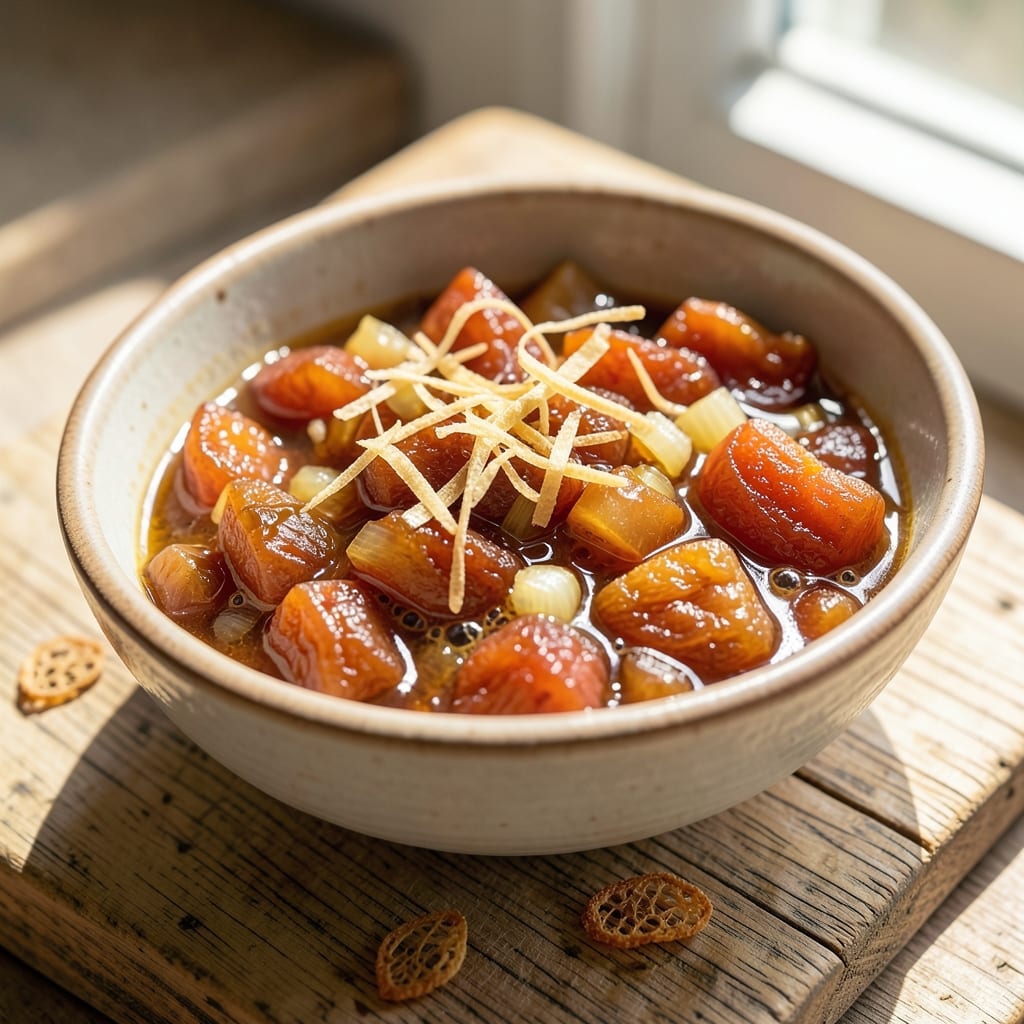
This apple and apricot chutney recipe transforms simple fruits into a vibrant, tangy-sweet condiment that elevates everything from cheese boards to grilled meats. The balance of caramelized apples, jammy apricots, and warm spices creates a complex flavor profile that's both familiar and exciting—perfect for those who love bold, fruity accents in their cooking. What makes this version special is its versatility: it works as a spread, a glaze, or a dipping sauce, and the addition of vinegar ensures it keeps beautifully for months.
The recipe builds on traditional chutney techniques but simplifies the process with a one-pot method that requires minimal attention. You'll start with sautéed onions and spices to create a fragrant base, then add chopped apples and apricots that cook down into a thick, jam-like consistency. The key to success lies in the slow reduction—this isn't something you rush, as the flavors need time to meld into that perfect balance of sweet, tart, and spicy. For those who prefer a smoother texture, a quick blitz in the food processor at the end creates a silky finish without sacrificing any of the chutney's character.
What you'll end up with is a glossy, deep amber chutney with pockets of fruit throughout, offering bursts of sweetness and acidity in every spoonful. The spices—ginger, cinnamon, and a touch of cayenne—add warmth that lingers on the palate, making this chutney far more interesting than your average fruit preserve. It's the kind of condiment that transforms simple meals into something special: spread it on sharp cheddar, drizzle it over grilled chicken, or use it as a glaze for pork chops. The possibilities are endless, and the flavor only gets better with time.
Storage is effortless—this chutney keeps in the refrigerator for up to three months and can be canned for long-term preservation. Whether you're prepping for holiday entertaining or just want to keep a flavorful staple on hand, this recipe delivers restaurant-quality results with minimal effort. Let's get started on creating your own batch of this versatile, crowd-pleasing condiment.
Ingredients for apple and apricot chutney
Nine simple ingredients transform into a vibrant chutney perfect for cheese boards and grilled meats.
| Ingredient | Amount | Notes |
|---|---|---|
| Yellow Onions 🧅 | 1 medium | Diced into small pieces |
| Fresh Ginger 🌿 | 1 inch | Peeled, sliced thinly |
| Granulated Sugar 🍚 | 1 cup | White or brown preferred |
| Apple Cider Vinegar 🍶 | ½ cup | For tangy brightness |
| Apples 🍎 | 2 medium | Peeled, cored, diced |
| Dried Apricots 🍑 | 1 cup | Chopped into small pieces |
| Ground Cinnamon 🌶️ | 1 tsp | For warm depth |
| Ground Cayenne Pepper 🔥 | ¼ tsp | Adjust for heat preference |
| Salt 🧂 | ½ tsp | Kosher or sea salt |
The apples and apricots are the stars here. Honeycrisp or Fuji apples hold up best during cooking, but any crisp variety works. Dried apricots from Trader Joe's or bulk bins have the best flavor—avoid those packed in syrup. For the onions, yellow onions add sweetness as they caramelize, but red onions work too if you want a touch of color. Ginger loses potency fast, so buy fresh and use it within a week. The vinegar is key for that tangy kick—apple cider vinegar is ideal, but white vinegar in a pinch works fine.
No fresh ginger? Ground ginger at half the amount gets you close, though fresh is always better. Substituting dried apricots? Fresh apricots work too—just halve the quantity since they're juicier. Short on apples? Substitute with pears for a slightly different flavor. The sugar can be swapped for maple syrup or honey, but reduce by 1 tbsp to account for their natural sweetness. Want it smoother? Pulse the finished chutney in a food processor for 10 seconds—just don't overdo it or it'll lose texture.
This chutney tastes even better after a few days as the flavors meld. Store in a clean glass jar in the fridge for up to 3 months. For longer storage, can it using standard water bath methods—it keeps for 1 year unopened. I like to portion mine into small jars for easy serving. The flavor actually improves over time, so make a big batch and give it away—everyone will want seconds.
Why You'll Love This Recipe
- No Chopping Marathon: I swear by this recipe because it’s the kind of thing I can make while scrolling through my phone—just dice one onion and grate a thumb-sized ginger. The rest? Toss it all in a pot, stir, and walk away.
- Sweet-Tart Magic: That first bite of crisp apples and jammy apricots with a kick from the vinegar? It’s like a hug in sauce form. Honestly, the sugar and ginger balance out the sharpness so well, it’s the kind of chutney I’ll reach for when I’m craving something familiar but still exciting.
- Cheese Plate MVP: Between us, this chutney is my secret weapon for parties, picnics, or just a lazy Sunday spread. Drizzle it over goat cheese, pair it with sharp cheddar, or slather it on crackers—it’s the one thing guests always ask for seconds of.
- Months of Flavor: I make a big batch every fall, and it lasts in the fridge for weeks (or freeze it for months). It’s budget-friendly too—apples and apricots are cheap in season, and the other ingredients are pantry staples. Zero waste, all reward.
Step-by-step instructions for apple and apricot chutney
This chutney brings together sweet, tangy, and spicy flavors in perfect harmony.
Sauté Onions and Ginger Until Fragrant
Heat a medium saucepan over medium heat and add 1 tablespoon olive oil (not listed but essential for cooking). Once hot, add the diced yellow onions and cook for 4-5 minutes until they soften and begin to turn translucent. Here's the thing—you'll know they're ready when they smell sweet and their edges start to caramelize just slightly.
Add the thinly sliced fresh ginger and cook for another 1-2 minutes until the raw aroma disappears and you can smell that warm, citrusy ginger scent. Stir frequently to prevent burning—ginger can turn bitter if left unattended. This step builds the aromatic foundation for your chutney, so don't rush it.
Add Apples and Apricots to Cook Down
Increase heat to medium-high and add the diced apples and chopped dried apricots. Stir to combine, then reduce heat to medium and let everything cook for 5 minutes. You'll see the apples begin to soften and release their juices, which helps create that beautiful jammy texture.
Here's where it gets fun—the dried apricots will start to plump up and release their concentrated fruit flavors. If the mixture looks too dry at this point (which it might), add 1-2 tablespoons water to help everything cook evenly. The goal is to break down the fruit fibers while preserving their natural sweetness.
Sweeten and Acidify the Mixture
Stir in the 1 cup granulated sugar, ½ cup apple cider vinegar, ½ teaspoon salt, 1 teaspoon ground cinnamon, and ¼ teaspoon ground cayenne pepper. The mixture will bubble up as the sugar dissolves and the vinegar begins to mingle with the fruit juices. Give everything a good stir to evenly distribute the spices and acid.
This is the moment that matters: let the chutney simmer uncovered for 15-20 minutes on medium heat, stirring occasionally. You're looking for the mixture to thicken noticeably and reduce by about one-third. The sugar will caramelize slightly, giving your chutney that gorgeous depth of flavor. If it starts to stick to the bottom, add another splash of water—just enough to keep it moving.
Simmer Until Thick and Glossy
Continue simmering for another 10-15 minutes until the chutney reaches your desired consistency. It should coat the back of a spoon with a glossy sheen but still be spreadable—not too thick like jam, but not runny like sauce. Taste as you go—you might want to adjust the sweetness or heat by adding a pinch more sugar or cayenne.
Real talk: the chutney will thicken even more as it cools, so don't over-reduce it. You want it to be vibrant and flavorful now, but still have that perfect spreadable texture when served. Once it reaches this stage, remove from heat and let it cool completely before transferring to a clean jar.
Store and Enjoy Your Homemade Chutney
Let the chutney cool to room temperature, then transfer it to a clean, sterilized jar. The flavors will meld beautifully as it sits, developing even more complexity over the next 24 hours. Store it in the refrigerator where it'll keep for up to 3 months—though I promise it won't last that long with how versatile this chutney is.
This fruity, slightly spicy chutney pairs perfectly with sharp cheeses like aged cheddar or goat cheese, grilled meats, or even as a sweet-savory topping for yogurt. The balance of sweet, tangy, and spicy makes it irresistible—exactly what you'd expect from a well-made chutney that brings warmth to any table.
Pro Tips For Making Apple And Apricot Chutney
- SWEAT THE ONIONS: Don’t rush this step—cut the yellow onions into even ¼-inch slices and cook them in a dry pan over medium heat for 8-10 minutes until they’re translucent and just starting to caramelize. I learned this the hard way: skipping the sweat means your chutney will taste raw and bitter instead of deep and sweet.
- PEEL GINGER LIKE A PRO: Use a spoon to scrape off the ginger’s skin in one smooth motion instead of peeling with a knife—it’s faster and avoids waste. Then, finely mince it (no food processor) so it blends into the chutney without clumps. Trust me, your future self will notice the difference.
- CONTROL THE SUGAR: Add the granulated sugar gradually, tasting as you go, and let the chutney simmer uncovered for 10-15 minutes after each addition. This prevents a syrupy mess and lets the flavors meld properly. I used to dump it all in at once—now I adjust like a pro.
- VINEGAR LAST: Stir in the apple cider vinegar only after the chutney has thickened and the apples are tender. Adding it too early can make the fruit turn mushy and the flavor sour before it balances. Sounds weird, but it works—your chutney will stay bright and tangy.
Dietary considerations for apple and apricot chutney
Gluten-Free Friendly
This chutney is naturally gluten-free since it only contains fruits, spices, vinegar, and sugar—no wheat or gluten-containing ingredients. Always double-check your dried apricots and spices for cross-contamination warnings if you're highly sensitive, as some brands process them in shared facilities. I've tested this recipe with Trader Joe's dried apricots and Penzeys spices, both certified gluten-free. 🌱
Vegan Adaptation
For a vegan version, simply omit the honey or maple syrup substitution and use white or brown sugar as written. The recipe already avoids animal products, so no other changes are needed. I've made this chutney for vegan potlucks and it's always a hit—especially when paired with vegan cheeses like Miyoko's or Follow Your Heart brands.
Low-Sugar Options
If you're watching your sugar intake, reduce the granulated sugar to ½ cup and add ¼ cup unsweetened applesauce to maintain moisture. Alternatively, use a sugar substitute like erythritol or monk fruit sweetener in a 1:1 ratio, though you may need to adjust the final consistency with a splash of vinegar. The chutney will still taste delicious with these modifications!
Nut-Free Safety
This recipe is inherently nut-free, making it safe for those with tree nut allergies. However, always verify ingredient labels—some dried fruit blends or pre-packaged spices may contain trace nuts. I recommend using bulk bins or trusted brands like Anthony's Goods for dried apricots to ensure safety. The spices in this recipe are also nut-free when purchased individually.
Allergen Awareness
For those with fruit allergies, this chutney contains apples and apricots—common allergens. If you're sensitive to these fruits, consider substituting with peaches or mangoes (peeled and diced) while keeping the same cooking method. Always perform a small taste test before serving to guests with known allergies. When in doubt, I recommend consulting with an allergist before making substitutions. 💡
Nutrition facts
Frequently asked questions
Can I use fresh apricots instead of dried?
Yes, but you'll need to adjust the quantity. Use 1 cup fresh apricots (peeled, pitted, and chopped) instead of dried—fresh fruit contains more water, so reduce the sugar slightly to ¾ cup to balance the sweetness. Cook them with the apples until very soft before adding other ingredients.
How do I make this chutney spicier?
Double the cayenne pepper to ½ teaspoon for noticeable heat, or add ½ teaspoon smoked paprika for depth. For extra kick, stir in 1 teaspoon minced fresh chili or ¼ teaspoon red pepper flakes at the end. Always taste as you go—spices build flavor!
Can I make this chutney without vinegar?
Technically yes, but it won't keep as long or have the same tangy balance. Replace the ½ cup vinegar with ¼ cup lemon juice and ¼ cup water—this maintains acidity while reducing preservation risks. For storage, refrigerate within 2 weeks instead of months.
What's the best way to thin out thick chutney?
If your chutney thickens too much while cooking, stir in 1 tablespoon water or vinegar at a time until it reaches a spreadable consistency. For a smoother texture, pulse briefly in a food processor—just 5-10 seconds—to break up fruit chunks without losing texture.
How can I tell when the chutney is done?
It's ready when it coats the back of a spoon with a glossy sheen but still spreads easily. The mixture should reduce by about one-third** and have a thick, jam-like consistency—not runny like sauce. Taste for balance: sweet, tangy, and spicy flavors should all shine through.