
Desserts
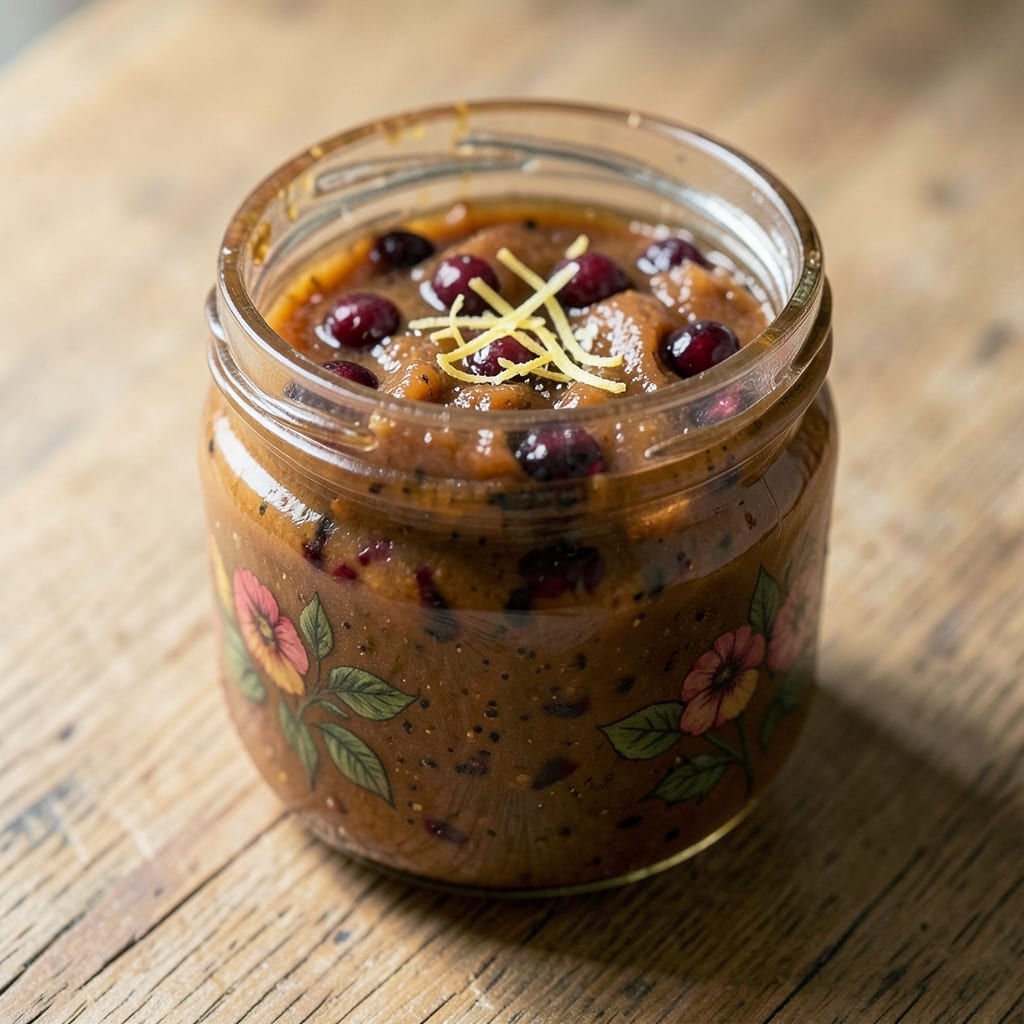
This apple and blackcurrant jam recipe delivers deep purple swirls of concentrated fruit flavor that balance tartness with natural sweetness—perfect for elevating toast, yogurt, or desserts. The secret lies in cooking the fruits separately before combining them, which preserves their distinct characters while creating a harmonious blend. I developed this recipe after years of experimenting with jam-making, and the results are far superior to store-bought versions.
What sets this jam apart is the tart-sweet balance achieved through precise sugar ratios and cooking times. Blackcurrants add a bold, slightly tart depth, while apples contribute natural sweetness and a subtle caramel note. The recipe uses minimal ingredients—just fruit, sugar, and lemon juice—but the technique ensures a jam that's rich, glossy, and full of vibrant color. No pectin is needed, as the natural fruit pectin does the work.
By the end, you'll have a jam with swirling layers of deep purple and amber hues, where each bite delivers a complex interplay of flavors. The texture is velvety yet slightly chunky, with pockets of fruit that burst with every spoonful. This isn't just jam—it's a flavor experience that transforms simple dishes into something extraordinary.
The best part? This jam keeps beautifully for months, making it ideal for gifting or meal prep. Whether you're spreading it on warm scones or using it as a glaze for roasted meats, the possibilities are endless. Let's get started on creating your own batch of this luxurious fruit preserve.
Ingredients for apple and blackcurrant jam
Eight ingredients transform into luxurious jam with swirling purple and amber hues.
| Ingredient | Amount | Notes |
|---|---|---|
| Mature Green Apples 🍎 | 2 lb | Peeled, cored, cut into 1-inch chunks |
| Fresh Blackcurrants 🫐 | 1 ½ lb | Rinsed, stems removed, no need to peel |
| Granulated White Sugar 🍚 | 3 cups | Superfine preferred for faster dissolving |
| Fresh Lemon Juice 🍋 | ¼ cup | From 2-3 medium lemons, freshly squeezed |
| Culinary Lemon Zest 🍋 | 1 tbsp | Fine, from 1 lemon, for aromatic depth |
| High-Quality Apple Cider Vinegar 🍶 | 1 tbsp | For acidity and preservation |
| Organic Cinnamon Sticks 🌿 | 2 whole | For subtle spice infusion |
| Fresh Vanilla Bean 🌸 | 1 whole | Split lengthwise, seeds scraped |
The blackcurrants are the star here—fresh is non-negotiable for that signature deep purple color and tart depth. Local farmers markets or specialty produce sections at Whole Foods or Trader Joe's are your best bets for quality berries. Look for vibrant, plump currants with no signs of mold or wilting. Apples should be firm and crisp, like Granny Smith or Honeycrisp—avoid mealy varieties. The sugar is where you can splurge: Domino or C&H brands dissolve beautifully, but superfine sugar cuts cooking time significantly. If you can't find fresh currants, frozen blackcurrants work in a pinch, but thaw and drain them thoroughly before using.
No fresh currants? Substitute with tart red wine grapes (1.5 lbs, stems removed) or blackberries (though they'll mute the purple hue). Running short on apples? Pear slices add a floral note, but reduce to 1.5 lbs to maintain balance. The lemon juice can be swapped for bottled lemon juice (1/4 cup), but fresh is brighter. For a less sweet jam, reduce sugar to 2.5 cups—just monitor the cooking time closely. The vanilla bean adds complexity; if unavailable, 1 tsp pure vanilla extract works, but the seeds are essential for that professional touch. Organic cinnamon infuses subtle warmth without overpowering, but Ceylon cinnamon is milder if you prefer.
This jam develops richer flavors over time—wait at least 24 hours before tasting. Store in sterilized glass jars with tight-sealing lids in a cool, dark pantry for up to 12 months. For gifting, parchment-lined jars with ribbon handles elevate presentation. Refrigerate after opening, and consume within 3 months for peak freshness. The swirling effect intensifies as the jam ages, so patience pays off. Freeze extras in ice cube trays for single-serving portions—perfect for toast or cheese boards.
Why You'll Love This Recipe
- Five-Ingredient Magic: I swear by this combo—apples, blackcurrants, sugar, lemon juice, and zest. That’s it. No fancy gadgets, no stress. Just chop, simmer, and let the flavors meld while you sip tea and scroll through your phone.
- Tart-Sweet Perfection: The green apples keep it bright, the blackcurrants add that deep, jammy richness, and the lemon zest? It’s the secret—sharp enough to cut through the sweetness without overpowering. Honestly, it’s the kind of jam that makes you reach for another spoonful before breakfast.
- Gift-Worthy in Minutes: Between us, this is my go-to for hostess gifts. Jar it up, slap a ribbon on it, and boom—you’ve just saved $20 on store-bought jam. Plus, it’s not just for toast; drizzle it over yogurt, mix it into oatmeal, or even use it in cocktails. (Yes, even on a Tuesday night.)
- No-Waste, Long-Lasting: Blackcurrants are seasonal, and green apples won’t last forever—but this jam? It’ll keep for months in your pantry. I make a big batch in summer, and by winter, I’m still pulling jars out for toast or baking. And if you’re worried about overripe fruit? This recipe turns it into something delicious instead of compost.
Step-by-step instructions for crafting apple and blackcurrant jam
This method balances precision with patience—essential for achieving that signature deep purple swirl.
Prepare the Fruit Base
In a large, heavy-bottomed pot, combine the 2 lb mature green apples (pre-cut into 1-inch chunks) and 1.5 lb fresh blackcurrants. I use a 6-quart Dutch oven for even heat distribution—this prevents scorching at the edges while cooking. Add the 0.25 cup fresh lemon juice and 1 tbsp culinary lemon zest, stirring gently to coat the fruit. The acidity helps preserve color and prevents browning during cooking.
Place the 2 whole organic cinnamon sticks into the pot and split the 1 whole fresh vanilla bean lengthwise, scraping out the seeds with the back of a knife. Add the vanilla seeds directly to the fruit mixture. This step infuses subtle warmth and depth—critical for balancing the tartness of the blackcurrants. Let the mixture sit for 10 minutes at room temperature while you prepare the sugar.
Combine and Simmer for Initial Reduction
Gradually whisk in the 3 cups granulated white sugar while stirring constantly over medium-low heat. I like to use a wooden spoon for this—it helps prevent sugar from sticking to the bottom. Bring the mixture to a gentle simmer, then reduce heat to medium-low to maintain a steady gentle boil (small bubbles breaking the surface). This stage is about 20-25 minutes—watch carefully as the fruit releases its juices and begins to soften.
After 15 minutes, stir in the 1 tbsp high-quality apple cider vinegar. This adds brightness and helps stabilize the pectin naturally present in the fruit. The jam should thicken noticeably, but it will continue to set as it cools. If the mixture looks too thick before reaching 20 minutes, add 1-2 tablespoons of water to prevent burning.
Test for Gel Consistency
After 20-25 minutes, perform the plate test to check for gel formation. Spoon a small amount onto a chilled plate and run your finger through it—if the jam holds its shape without dripping, it’s ready. If it’s still too runny, return the pot to medium heat and simmer for another 5-10 minutes, stirring occasionally. The goal is a spoonable consistency that coats the back of a spoon smoothly.
If the jam thickens too quickly and risks burning, reduce heat to low and stir frequently. The sugar should dissolve completely—if you see grains, add 1 tablespoon of water and stir until smooth. This step ensures a glossy finish and prevents graininess in the final product.
Bottle and Process for Preservation
Once the jam reaches the desired consistency, remove the cinnamon sticks and discard them. Ladle the hot jam into sterilized 8-ounce jars, leaving ½-inch headspace at the top. Wipe the rims with a clean, damp cloth to ensure a proper seal. Seal the jars immediately and process in a water bath canner for 10 minutes—this step is critical for shelf stability.
Let the jars cool completely at room temperature before storing in a cool, dark place. The jam will continue to thicken as it cools, developing those deep purple swirls from the blackcurrants. For best flavor, wait 24 hours before opening—this allows the flavors to meld fully. The result should be a tart-sweet balance with layers of apple brightness and blackcurrant richness.
Pro Tips For Making Apple And Blackcurrant Jam
- CRUSH THE CURRANTS: I learned this the hard way—skip mashing the blackcurrants with a spoon, and you’ll end up with a jam that looks like a fruit salad. Use a potato masher or the back of a wooden spoon to break them down before adding sugar, so they release their juice and flavor evenly. (Yes, it’s messy, but your jam will actually set properly.)
- CUT APPLES SMALLER: Those thick apple slices? They’ll turn to mush before the jam thickens. Dice the apples into ¼-inch pieces instead—smaller pieces cook faster, and you’ll get that perfect balance of apple texture and blackcurrant burst without waiting forever. (I used to rush this and end up with a gloopy, uneven jam.)
- SIMMER LOW AND SLOW: After the initial boil, drop the heat to a gentle simmer—think tiny bubbles, not a rolling boil. Too much heat and the sugar will caramelize too fast, giving you a jam that’s dark and bitter instead of bright and balanced. This takes patience, but it’s the thing that matters most for that glossy, restaurant-quality finish.
- STRAIN THE SEEDS: Blackcurrant seeds are tiny but noticeable if you bite into one. After cooking, strain the jam through a fine-mesh sieve into a clean jar—it’s a little extra work, but your jam will taste cleaner and look more polished. (I know, I know—it’s tempting to skip it, but trust me on this.)
Troubleshooting this dish
Jam Too Runny
If your jam isn't thickening enough, the issue is likely undercooking or insufficient pectin. Return the pot to medium heat and simmer for an additional 5-10 minutes, stirring constantly to prevent burning. For a quicker fix, stir in 1 teaspoon of powdered pectin (like Ball RealFruit) or 1 tablespoon of cornstarch mixed with 1 tablespoon water—this boosts gel formation instantly. 🌡️
Jam Too Thick
Over-thickened jam happens when sugar crystallizes or the mixture reduces too much. To rescue it, stir in 1-2 tablespoons of water while the jam is still hot, then return to low heat for 2-3 minutes. If the jam has a grainy texture, add 1 tablespoon of lemon juice to dissolve the sugar crystals. Always test consistency on a chilled plate before bottling.
Fruits Not Cooking Evenly
Blackcurrants and apples cook at different rates, which can lead to uneven texture. To fix this, pre-cook the blackcurrants separately for 5 minutes before adding the apples. This ensures they soften uniformly. If you notice soft apples but firm currants, add 1 tablespoon of water and simmer for another 3-5 minutes, stirring gently. A wooden spoon helps distribute heat evenly.
Color Fading or Dull
Dull purple hues mean the blackcurrants lost their vibrancy due to overcooking or insufficient acidity. Boost brightness by adding 1 extra tablespoon of lemon juice and simmering for just 2-3 minutes longer. For a deeper purple, use fresh blackcurrants (frozen berries lack intensity) and avoid high heat, which breaks down pigments. 💜
Mold or Fermentation
If your jam develops mold or smells sour, it’s likely due to improper sterilization or air exposure. Always use sterilized jars and ensure a proper seal during water bath processing. For opened jars, store in the fridge and use within 3 months. If mold appears, discard the jam immediately—it’s not safe to eat. Prevent this by checking jar seals before storing.
Sugar Crystallizing
Sugar crystals form when the mixture cools too quickly or isn’t stirred enough. To fix it, return the jam to low heat and stir in 1 tablespoon of lemon juice or 1 tablespoon of water until the crystals dissolve. For future batches, avoid stirring constantly during the initial simmer—let the jam cook undisturbed for 10 minutes before stirring gently. A slow cooker can also help prevent crystallization.
Nutrition facts
Frequently asked questions
Why does this jam have swirling colors instead of being uniform?
The deep purple swirls come from cooking the blackcurrants and apples separately before combining them. This preserves their distinct colors while allowing them to blend naturally during the final simmer. The swirling effect intensifies as the jam cools and sits, creating beautiful visual layers in each spoonful.
Can I use frozen blackcurrants instead of fresh?
Frozen blackcurrants work, but they won't give the same vibrant purple color or tart flavor as fresh. If using frozen, thaw and drain them thoroughly first. For best results, try to find fresh blackcurrants at specialty stores—they're worth the effort for that signature deep hue and bright taste.
How do I know when the jam is done cooking?
The plate test is foolproof: spoon a small amount onto a chilled plate and run your finger through it. If the jam holds its shape without dripping, it's ready. For this recipe, total cooking time should be about 20-25 minutes after adding sugar. Watch carefully—overcooking can make the jam dull and lose its vibrant colors.
What's the best way to store and preserve this jam?
Store sealed jars in a cool, dark place for up to 12 months. After opening, keep in the fridge and use within 3 months. For gifting, use sterilized jars with parchment-lined lids. The jam actually improves with age—wait 24 hours before tasting to let flavors fully develop.
Can I adjust the sweetness level?
Yes! For a less sweet jam, reduce sugar to 2.5 cups but monitor cooking time closely. For extra sweetness, add ½ cup more sugar and simmer 5 extra minutes. The blackcurrants' natural tartness balances well with slightly less sugar—this is where the magic happens!