
Beverages
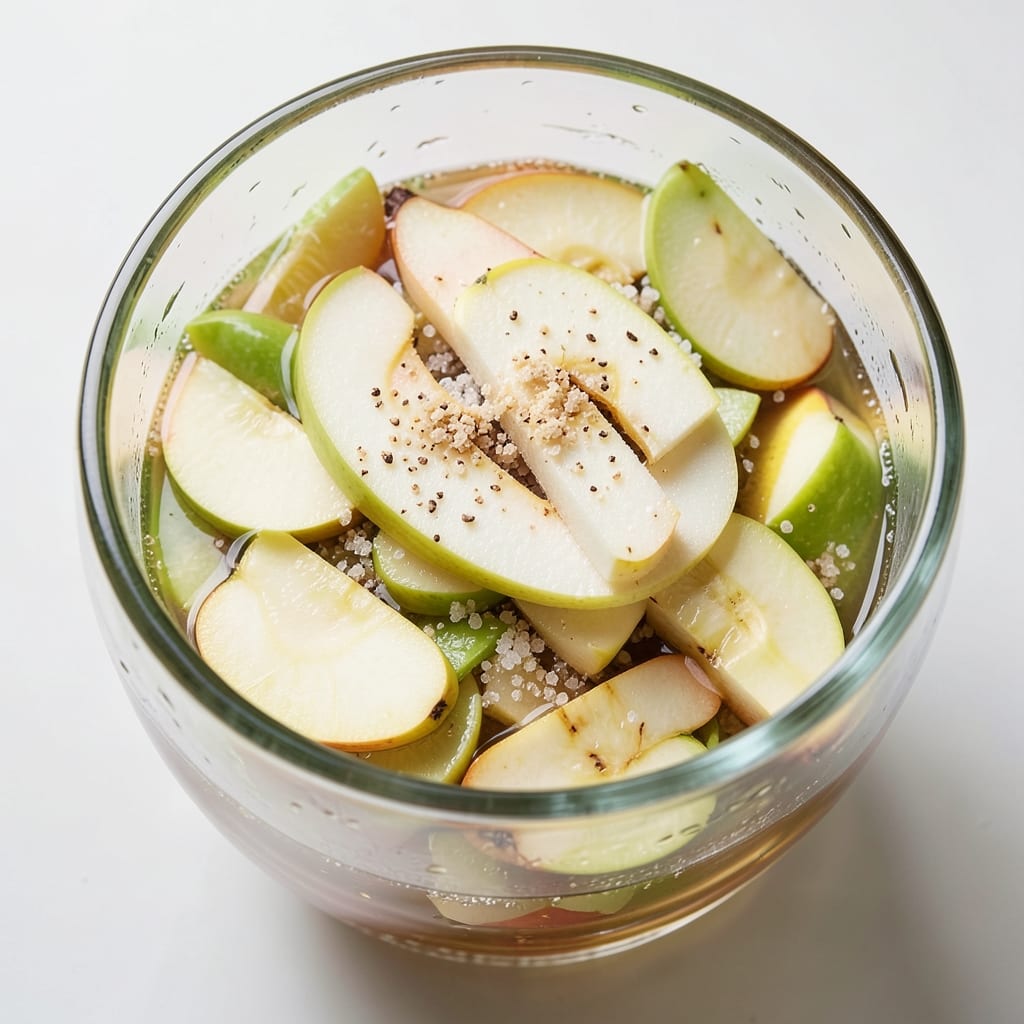
This apple and pear wine recipe transforms seasonal fruit into a fragrant, spiced elixir that captures autumn’s essence in every sip. The process is methodical yet rewarding, blending crushed fruit with yeast and sugar to create a beverage that deepens with time—think of it as homemade cider’s sophisticated cousin. What starts as a simple fermentation becomes a complex, flavorful wine with notes of caramel, spice, and bright fruit, perfect for sipping chilled or room temperature.
The key to success lies in sanitization and patience—sterile equipment prevents spoilage, while proper fermentation ensures balanced sweetness and alcohol content. You’ll work with whole fruit, crushed to release juices, then combine it with yeast, sugar, and optional spices like cinnamon or cloves for warmth. The wine develops over weeks, transforming tart fruit into a smooth, aromatic drink with a subtle effervescence.
By the time you bottle it, you’ll have a golden-hued wine with layers of flavor—crisp apple, honeyed pear, and a whisper of spice. Serve it chilled as an aperitif or pair it with cheese and dark chocolate for a cozy autumn evening. The process is approachable for beginners but yields results that rival commercial wines, proving that fermentation magic happens in your own kitchen.
Ready to ferment? This recipe includes step-by-step guidance from fruit prep to bottling, plus tips for adjusting sweetness and aging. Whether you’re crafting for a gift or your own enjoyment, the result is a beverage that tastes like autumn in a bottle—rich, aromatic, and deeply satisfying. Let’s get started on your homemade wine journey.
Ingredients for apple and pear wine
Seasonal fruit, yeast, and patience create this fragrant autumn wine with caramel and spice notes.
| Ingredient | Amount | Notes |
|---|---|---|
| Apples (Granny Smith or Honeycrisp) 🍎 | 2 lb | Peeled, cored, quartered |
| Pears (Bosc or Anjou) 🍐 | 2 lb | Peeled, cored, quartered |
| Granulated Sugar 🍚 | 2 cups | White or raw cane sugar |
| Active Dry Yeast 🍄 | ¼ oz | Or 1 packet wine yeast |
| Spring Water 💧 | 4 cups | Filtered or distilled preferred |
| Lemon Juice 🍋 | 2 tbsp | Freshly squeezed |
| Ground Cinnamon 🌿 | 1 tsp | Optional for spiced depth |
| Whole Cloves 🌶️ | 4 whole | Optional for warmth |
| Campden Tablets 💊 | 1 whole | Sulfite for sterilization |
| Unsulfured Honey 🍯 | ½ cup | Optional for sweetness |
| Food-Grade Plastic Carboys 🥫 | 2 whole | 5-gallon size recommended |
| Air Lock Fermentation Locks 🔒 | 2 whole | For sealed fermentation |
| Sanitizing Solution 🧼 | 1 cup | Star San or potassium metabisulfite |
The apples and pears are the heart of this wine, so pick firm, flavorful varieties—Granny Smith for tartness, Honeycrisp for sweetness. Local orchards or farmers markets often have better quality than grocery stores. If you can't find organic, wash thoroughly to remove wax. The yeast is non-negotiable—wine yeast handles the sugar better than bread yeast. Costco or wine-making supply stores carry reliable brands like Lalvin. For the water, filtered or distilled is best—tap water can introduce chlorine or bacteria that might interfere with fermentation.
No Campden tablets? Potassium metabisulfite works too—just dissolve it in a little water first. Running out of cloves? Allspice berries or a pinch of nutmeg add warmth too. The honey is optional but local raw honey adds floral notes—Trader Joe's or Whole Foods have good options. If you're short on fruit, substitute with apple juice (about 1 cup) but you'll lose that fresh-pressed character. The carboy size matters—5-gallon holds about 4.5 gallons of liquid, leaving room for expansion during fermentation. Never use glass bottles for fermentation—they can explode under pressure.
Sanitize everything before starting—Star San solution works well. The wine needs 2-3 weeks of active fermentation, then another 3-6 months aging before bottling. Store in a cool, dark place away from temperature fluctuations. Once bottled, it keeps 1-2 years in the fridge. If you make extra, gift it in decorative bottles—people will love the homemade touch. The first batch might be tart—add a bit more sugar or honey if you prefer sweeter wine next time.
Why You'll Love This Recipe
- Fruit in Minutes: I swear, the prep is ridiculously simple—just core, chop, and toss those Granny Smiths and Anjou pears into your fermenter. No peeling, no fancy equipment, just raw fruit and a little yeast magic. Honestly, it’s the kind of recipe that makes me feel like a winemaker on lazy Sundays.
- Sweet-Tart Magic: That balance of crisp Granny Smith and honeyed Anjou pears? Chef’s kiss. The Granny Smith keeps it bright, while the Anjou adds this luscious sweetness that makes every sip feel like autumn in a glass. And the yeast? It turns it into something smooth and complex—no artificial flavors here.
- Year-Round Flexibility: Make a big batch in September when pears are cheap, then enjoy it at holiday dinners or summer BBQs. Between us, I’ve gifted bottles to coworkers during office potlucks and had my in-laws ask for seconds. It’s the kind of drink that works everywhere.
- Zero-Waste Goldmine: Here’s what sold me—the cores and peels go straight into compost, and the leftovers? You can reduce the juice for a syrupy glaze or even a vinegar. I’ve turned overripe pears into this wine and a pantry staple. Budget-friendly? Absolutely. Practical? Even more so.
Step-by-step instructions for crafting apple and pear wine
Let's transform fresh fruit into a fragrant, spiced wine that captures autumn's essence.
Prepare and Sanitize Your Equipment
First, sanitize all equipment using the 1 cup sanitizing solution to prevent contamination. Fill a clean sink or large bowl with the solution and submerge the 2 whole food-grade plastic carboys, 2 whole air lock fermentation locks, and any utensils you'll use. Let them soak for at least 10 minutes, then rinse thoroughly with filtered water. This step is non-negotiable—clean equipment ensures a successful fermentation.
While equipment sanitizes, dissolve the 1 whole Campden tablets in 1 cup of the 4 cups spring water in a separate container. This creates a sterilizing solution that will help preserve your wine. Stir until fully dissolved, then set aside. I always use filtered or distilled water for fermentation to avoid chlorine or other contaminants that could interfere with the process.
Process and Combine the Fruit
Peel, core, and quarter the 2 lb apples and 2 lb pears as specified in the ingredients. I like to work quickly here—apples and pears oxidize fast once cut. Place the fruit in a large, sanitized container and mash them thoroughly with your hands or a potato masher until you achieve a pulp consistency. You want to break down the fruit completely to extract all the juices and flavors.
Transfer the mashed fruit to one of the sanitized carboys. In a separate bowl, combine the 2 cups granulated sugar, 0.5 cup unsulfured honey, 2 tbsp lemon juice, 1 tsp ground cinnamon, and 4 whole cloves. Stir until the sugar and honey dissolve completely, creating a spiced syrup. This mixture will balance the fruit's natural acidity and add depth to your wine.
Mix and Sterilize the Must
Pour the dissolved Campden tablet solution over the mashed fruit in the carboy. Stir gently to distribute it evenly throughout the mixture. This step helps prevent bacterial contamination during the initial fermentation phase. Let the mixture sit for 24 hours at room temperature. This waiting period allows the sulfites to work their magic while keeping the fruit covered to prevent oxidation.
After 24 hours, pour the spiced syrup over the fruit mixture in the carboy. Stir well to combine, then add the remaining 3 cups spring water. The total liquid volume should now be about 5 gallons—this gives you enough headspace in the carboy for fermentation gases. Cover the carboy with a clean cloth or lid (don't seal it yet) and let it sit at room temperature for another 24 hours to allow the flavors to meld.
Initiate Fermentation
After the second 24-hour period, it's time to start the fermentation process. Dissolve the 0.25 oz active dry yeast in the remaining 1 cup spring water at 75°F—this is crucial for activating the yeast properly. I like to use a thermometer to ensure the water is at the right temperature. Pour this yeast mixture into the carboy and stir gently to distribute it evenly.
Attach the air lock fermentation lock to the carboy and place it in a dark, temperature-stable location between 65°F and 75°F. This range is ideal for yeast activity without overheating. You should see bubbles in the air lock within 12-24 hours, indicating active fermentation. This is the moment when the yeast begins converting sugars into alcohol and carbon dioxide. Let the fermentation continue for 7-10 days, checking the air lock daily for consistent bubbling.
Rack and Age the Wine
Once fermentation slows significantly (bubbling in the air lock becomes infrequent), it's time to rack your wine. Carefully pour the liquid from the first carboy into the second sanitized carboy, leaving behind the sediment and fruit solids. This process, called racking, helps clarify the wine and removes unwanted particles. I use a siphon tube for this step—it's gentle and minimizes oxidation.
After racking, reattach the air lock and store the carboy in the same dark, temperature-stable location. Let the wine age for at least 3 months, but I recommend 6 months for optimal flavor development. During this time, the wine will continue to mellow and refine. Taste it periodically after the first month to monitor its progress—you'll notice the flavors evolving from sharp and fruity to smooth and complex. The longer it ages, the more nuanced your wine will become.
Pro Tips For Making Apple And Pear Wine
- Sterilize First: Scrub your fermenter, airlock, and tools with a mix of hot water and 1 teaspoon unscented bleach per gallon—then rinse thoroughly. I learned this the hard way when mold crept in because I skipped the bleach step, and trust me, you don’t want to deal with that cloudy, off-smelling mess later.
- Core and Chop Coarse: Cut apples and pears into 1-inch chunks with skins on—no need to peel unless they’re waxy. Coarse pieces release flavor faster than fine dice, and skipping the peel adds texture that makes the wine taste more complex. (Yes, even if you’re impatient like me.)
- Pitch Yeast at Night: Add the yeast after dark when your kitchen is naturally cooler (around 70°F). Yeast wakes up slower in cooler temps, giving it time to multiply before hitting the sugar rush—this prevents a sluggish or stuck fermentation. My grandmother swore by this, and she was right: the wine finishes cleaner.
- Use Filtered Water Only: Chlorine and chloramine in tap water can kill your yeast dead—no joke. If you don’t have spring water, boil tap water for 10 minutes to drive off chlorine, then cool it to room temp before using. I was skeptical until I tried it, and now I never risk it.
Serving suggestions for this apple and pear wine
Chilled Serving Style
Serve your apple and pear wine well-chilled at 45-50°F for a refreshing, crisp experience—especially on warm days or as an aperitif. I like to pour it into lead-free crystal goblets (like Riedel or Libbey) to enhance the wine's natural aromas. The cold temperature highlights the bright apple and pear notes while mellowing the spice. For extra flair, garnish with a thin apple or pear slice on the rim or a sprinkle of ground cinnamon—it adds a visual pop that guests will appreciate. 🍏
Room Temperature Pairings
For a more traditional wine experience, serve at 60-65°F in a borosilicate glass decanter (like CorningWare) to let the complex flavors shine. This temperature works beautifully with aged cheeses like Gouda or sharp cheddar, where the wine's acidity cuts through the richness. I also pair it with dark chocolate (70% cocoa or higher)—the bitterness in the chocolate complements the wine's spiced sweetness. Try a 2-ounce pour with a few squares of chocolate for the perfect bite-sized pairing. 🍫
Garnish and Presentation
Elevate your serving with simple but effective garnishes. A cinnamon stick lightly tapped on the rim releases aromatic oils that enhance the wine's spice notes. For a rustic touch, float a pear slice or apple chip on top—just ensure it’s fresh and hasn’t been submerged. If you’re feeling festive, add a star anise pod as a garnish; it echoes the cloves in the recipe and adds a subtle aniseed aroma. Serve in amber or green glass bottles (like Voss or LaCroix bottles) for a modern, reusable presentation. ✨
Food Pairings
This wine’s balanced sweetness and spice make it a versatile match for autumn dishes. Pair it with roasted pork tenderloin—the wine’s acidity cuts through the meat’s richness, while the cinnamon in the wine complements the pork’s natural sweetness. For vegetarians, try it with caramelized onion and goat cheese tartlets or spiced apple compote over vanilla ice cream. The wine’s fruit-forward profile also works well with savory pies, like a pear and prosciutto galette, where the wine’s brightness balances the salty, sweet, and savory flavors. 🥧
Gift-Worthy Bottling
If you’re gifting your wine, transfer it to swing-top bottles (like Voss or Klean Kanteen) for easy pouring and a stylish touch. Label them with calligraphy or printed tags—include the vintage year (e.g., "2023 Harvest") and a brief note like "Handcrafted Apple & Pear Wine." For a festive touch, add a dried apple slice or cinnamon stick tied with twine. Store the bottles in a cool, dark place (like a pantry) until ready to give—recipients will love the homemade, personalized gift. 🎁
Seasonal Serving Ideas
Use this wine to enhance seasonal gatherings. For Thanksgiving, serve it as a pre-dinner sipper with cheese boards—the wine’s acidity balances the buttery cheeses. During winter holidays, warm a small batch (not the entire batch) to 100°F and serve in mugs with a cinnamon stick as a cozy mulled wine alternative. In spring, chill it and pair with light salads or fresh fruit platters to refresh the palate. The wine’s versatility makes it a year-round staple once you’ve perfected the batch. 🍂
Nutrition facts
Frequently asked questions
Why do I need to use wine yeast instead of bread yeast for this recipe?
Wine yeast is specifically bred to handle higher alcohol levels and more sugar than bread yeast. It ferments more efficiently through the full sugar content, producing a smoother, more complex wine with 10-14% alcohol by volume (compared to bread yeast's max of 6-8%). Using bread yeast risks stuck fermentation or off-flavors—your wine might taste like vinegar or have a harsh bite.
How do I know when the fermentation is complete?
Fermentation is done when the air lock stops bubbling for 24-48 hours and the wine smells clean (no fruity or yeasty aromas). Use a hydrometer to check the specific gravity—if it’s stable at 0.990-0.995 for 3 days, fermentation is complete. Never rush this step; residual sugar can cause re-fermentation in bottles, which can explode them!
Can I adjust the sweetness level of the final wine?
Taste the wine after 3 months of aging. If it’s too tart, add 1-2 tbsp of honey or simple syrup per bottle before bottling. For a drier style, leave it as-is or add a splash of brandy or vodka (1 oz per gallon) to kill remaining yeast. Always back-sweeten after aging—adding sugar too early can restart fermentation in bottles.
What should I do if my wine smells like vinegar?
Vinegar-like smells mean bacterial contamination (usually from wild yeast or acetic acid bacteria). If this happens early (first 3-5 days), dump the batch and sanitize all equipment thoroughly. If it occurs later, you can try blending it with a small batch of fresh wine (like apple cider vinegar) or use it as a cooking vinegar—just don’t drink it. Prevention is key: always use sanitized equipment and Campden tablets!
How long can I store the wine before it goes bad?
Properly made and bottled wine keeps for 1-2 years in the fridge, with peak flavor at 6-12 months. After opening, consume within 1 week (or refrigerate and drink within 3 days). For longer storage, use sterile swing-top bottles and store in a cool, dark place. The wine will gradually lose carbonation and bright fruit notes over time, but it won’t spoil—just become less vibrant.