
Sauces & Condiments
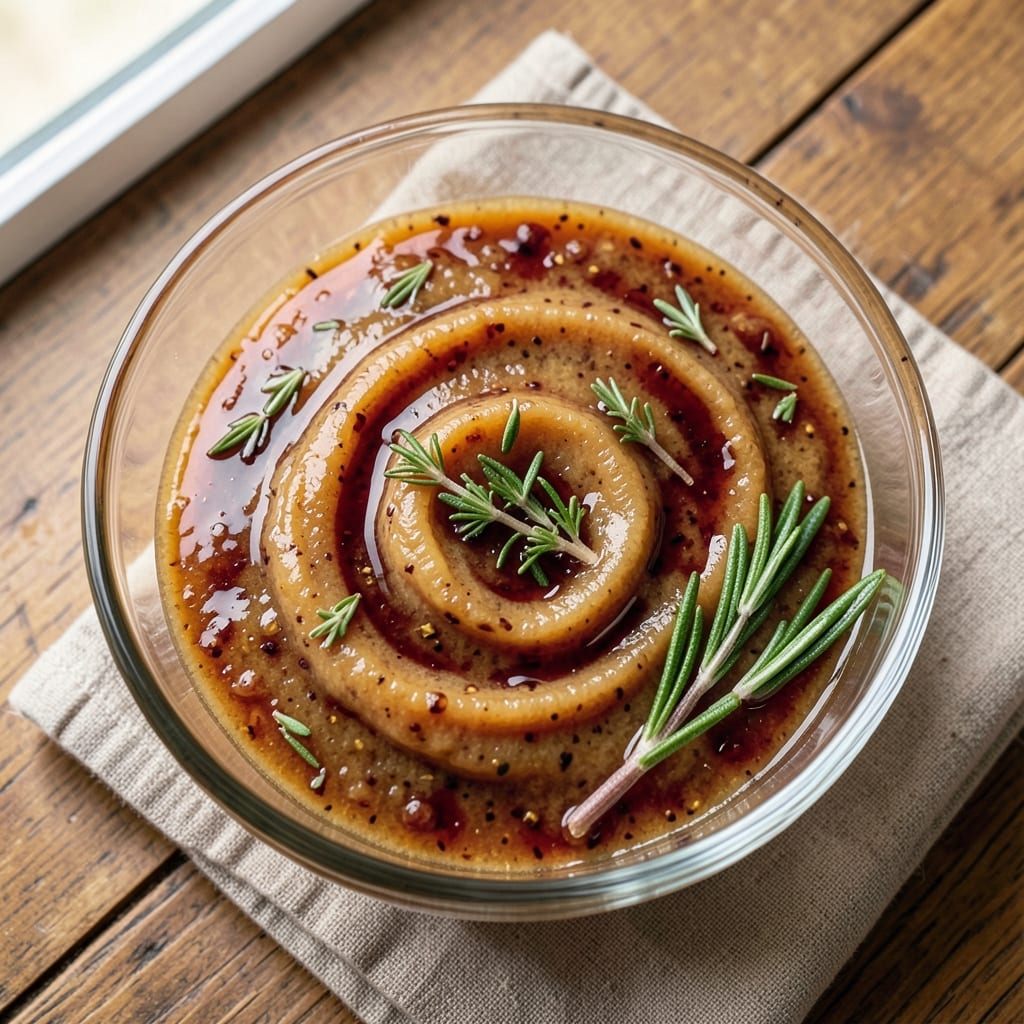
This apple balsamic dressing recipe transforms simple salads into vibrant, tangy masterpieces with just five ingredients. The perfect balance of sweet apple cider, rich balsamic, and fresh herbs creates a dressing that elevates roasted vegetables, grain bowls, and even grilled meats. I developed this recipe after years of searching for a dressing that could stand up to hearty fall flavors without overpowering them.
The foundation is a simple emulsion of apple cider vinegar and balsamic vinegar, which provides the signature tangy depth. Adding unsweetened applesauce creates natural sweetness while keeping the dressing thick and clingy. Fresh herbs like thyme or rosemary add aromatic complexity, while a touch of Dijon mustard helps emulsify the ingredients for a smooth, cohesive texture.
What makes this dressing truly special is its versatility—it works equally well as a salad dressing, dip for roasted vegetables, or even a glaze for pork tenderloin. The recipe yields about 1 cup, perfect for a family of four, and stores beautifully in the refrigerator for up to 10 days. The flavors actually improve as the dressing sits, allowing the apple and balsamic to meld into a harmonious balance.
For an extra layer of depth, consider adding a pinch of cinnamon or a dash of smoked paprika. This dressing is naturally vegetarian and free of animal-derived additives, making it suitable for all dietary preferences. Whether you're prepping for a weeknight dinner or a holiday feast, this apple balsamic dressing will become a staple in your kitchen.
Ingredients for apple balsamic dressing
Five simple ingredients create a dressing that elevates salads, roasted vegetables, and grilled meats with vibrant tang.
| Ingredient | Amount | Notes |
|---|---|---|
| Apple Cider Vinegar 🍎 | ¼ cup | Raw, unfiltered preferred |
| Balsamic Vinegar 🍷 | ¼ cup | Aged 12+ months for depth |
| Unsweetened Applesauce 🍏 | ¼ cup | No sugar added variety |
| Dijon Mustard 🌶️ | 1 tbsp | High-quality, grainy texture |
| Fresh Thyme Leaves 🌿 | 2 tsp | Finely chopped, stems removed |
| Fresh Rosemary Leaves 🌿 | 1 tsp | Finely chopped, stems removed |
| Granulated Sugar 🍬 | 1 tsp | Optional, for extra sweetness |
| Sea Salt 🧂 | ¼ tsp | Fine grain preferred |
| Extra-Virgin Olive Oil 🫒 | ¼ cup | High-quality, fruity variety |
The vinegars are the heart of this dressing. Look for raw, unfiltered apple cider vinegar—it has more flavor complexity than filtered versions. For balsamic, aged 12+ months delivers deeper caramel notes. Trader Joe's and Whole Foods carry excellent options, but any quality vinegar works. Fresh herbs matter too—pick thyme and rosemary with vibrant green leaves, not wilted stems. The Dijon mustard should be grainy, not smooth, for proper emulsification. If you're short on time, dried thyme at half the amount works in a pinch, though fresh is ideal.
No applesauce? Unsweetened applesauce pouches from the baby food aisle work perfectly—they're convenient and shelf-stable. Want more depth? Add a pinch of cinnamon or smoked paprika for warmth. The sugar is optional but helps balance the tang—honey or maple syrup can substitute at the same amount. For a smoother texture, blend everything in a food processor first, then whisk. If the dressing separates, just whisk vigorously to re-emulsify. The olive oil should be high-quality extra-virgin—cheap oil can make the dressing taste flat.
This dressing keeps beautifully in the fridge for 10-14 days, with flavors deepening over time. Store in an airtight container, shaking gently before each use. For longer storage, freeze in ice cube trays—thaw and shake to recombine. The emulsification holds up well, but if it separates after freezing, whisk to restore. Double the recipe if you're prepping for a crowd—it's perfect for meal prep. Leftovers make an excellent glaze for pork tenderloin or a dip for roasted Brussels sprouts.
Why You'll Love This Recipe
- Five-Ingredient Magic: I swear by this combo—just vinegars, applesauce, mustard, and thyme. No chopping, no peeling, no stress. The applesauce thickens it instantly while keeping it silky, and the balsamic deepens with every shake.
- Sweet-Tart Balance: That first tangy bite from the apple cider vinegar gives way to this rich, caramelized finish from the balsamic. The Dijon mustard adds a little bite, and the thyme? It’s like a whisper of summer in every drizzle. Honestly, it’s the kind of flavor that makes you pause mid-bite.
- Dress Any Meal: Slather it on grilled chicken, toss it with roasted veggies, or drizzle it over a simple charcuterie board. I’ve even used it to glaze baked apples—yes, really. It’s the one dressing that works for breakfast (on avocado toast) and dinner (over seared salmon).
- Lasts All Week: Make a big batch and store it in the fridge. The flavors actually get better over time, deepening like a fine wine. Between us, I’ve had this jar sit for nearly two weeks, and it’s still my go-to for last-minute salads or quick marinades. Zero waste, all flavor.
Step-by-step instructions for apple balsamic dressing
This dressing balances sweet, tangy, and herbal notes for perfect salads or dips.
Whisk Together Vinegars and Applesauce
In a medium bowl, combine the 0.25 cup apple cider vinegar, 0.25 cup balsamic vinegar, and 0.25 cup unsweetened applesauce. Use a whisk to blend thoroughly until smooth and fully integrated. The applesauce will help create a slightly thicker texture while adding natural sweetness that balances the acidity.
I like to use a glass or ceramic bowl for this step—it lets me see the colors blend beautifully as they come together. The mixture should look like a rich, amber liquid with no visible streaks of applesauce. If you notice any separation, give it another 10 seconds of whisking to ensure everything is fully emulsified.
Add Mustard, Herbs, Sugar, and Salt
Next, stir in the 1 tbsp Dijon mustard, 2 tsp fresh thyme leaves, 1 tsp fresh rosemary leaves, 1 tsp granulated sugar, and 0.25 tsp sea salt. Use a wooden spoon to fold everything together gently, making sure the herbs are evenly distributed throughout the mixture. The mustard will help bind the dressing and add depth of flavor.
The sugar is optional but recommended—it rounds out the sharpness of the vinegars and complements the herbal notes. If you prefer a more tart dressing, you can omit it. The herbs should be finely chopped to prevent any gritty texture in the final dressing. Taste the mixture at this stage to check the balance—you want a harmonious blend of sweet, tangy, and herbal flavors.
Slowly Incorporate the Olive Oil
With the mixture still in the bowl, begin adding the 0.25 cup extra-virgin olive oil one tablespoon at a time while continuing to whisk vigorously. This gradual addition is crucial—it allows the oil to emulsify properly with the other ingredients, creating a smooth, creamy dressing rather than a separated one.
Whisk continuously for at least 1-2 minutes after adding all the oil to ensure a consistent texture. You should end up with a velvety dressing that coats the back of a spoon. If the dressing starts to thicken too much, you can thin it slightly with 1-2 teaspoons of water, but it should hold its shape well when drizzled.
Let the Dressing Rest and Adjust
Cover the bowl with plastic wrap and let the dressing rest at room temperature for at least 30 minutes. This resting period allows the flavors to meld together and the dressing to reach its ideal consistency. The longer it sits, the more balanced and cohesive the flavors will become.
After resting, taste the dressing again and adjust the seasoning if needed. If it's too tangy, add a pinch more sugar or a splash of applesauce. If it needs more depth, stir in a tiny bit more Dijon mustard. The dressing should be bright, slightly sweet, and herbaceous with a smooth, emulsified texture. Once perfected, it will keep in the refrigerator for up to 1 week, making it perfect for meal prep.
Pro Tips For Making Apple Balsamic Dressing
- Whisk in stages: Start with the vinegars and mustard—let them emulsify for 30 seconds first. Then slowly drizzle in the applesauce while whisking like you’re trying to win a race. This keeps the texture smooth instead of lumpy, and I’ve learned this the hard way when I dumped everything in at once.
- Use aged balsamic: Skip the cheap stuff—aged balsamic vinegar (the thick, syrupy kind) adds depth that regular balsamic can’t match. It’s pricier, but the dressing tastes like it’s been simmering for hours instead of minutes. (Yes, even if you’re impatient like me.)
- Strain the thyme: Tuck the thyme leaves into a fine-mesh strainer and press them with the back of a spoon to extract every last bit of flavor. Leaving them whole means you’ll taste the stems, which are bitter and ruin the balance. Does it look weird? Yes. Does it work? Every single time.
- Balance the sweetness: Taste as you go—if the applesauce makes it too cloying, add a splash more vinegar or a pinch of salt. I used to assume the recipe was perfect, but adjusting it to your taste (not the recipe’s) makes all the difference. (Your future self will thank you.)
Pro cooking tips for perfect results
Emulsification Secrets
The key to a silky apple balsamic dressing lies in proper emulsification. Add the 0.25 cup extra-virgin olive oil one tablespoon at a time while whisking vigorously—this gradual process prevents separation. I use a French whisk for this step because its fine wires create micro-bubbles that help bind the oil and vinegar. If your dressing starts to break, simply whisk harder or add 1 tsp water to thin it slightly. 💡
Herb Freshness Matters
Fresh herbs make all the difference—never use dried herbs unless absolutely necessary. For this recipe, 2 tsp fresh thyme and 1 tsp fresh rosemary provide vibrant, aromatic depth. I always remove stems and finely chop the leaves with kitchen shears for even distribution. If you must use dried herbs, reduce to ½ tsp and add them at the very end to preserve their flavor. The herbs should be visible in the final dressing, not hidden.
Vinegar Quality Upgrade
Don't skimp on vinegars—this is where the magic happens. Use raw, unfiltered apple cider vinegar (like Bragg) for complex apple notes, and aged 12+ month balsamic vinegar (such as San Marzano) for caramel depth. The difference between filtered and unfiltered vinegar is noticeable—unfiltered has more texture and flavor. If you can't find aged balsamic, reduce cooking time by 5 minutes to concentrate flavors.
Temperature Control Tip
Work with ingredients at room temperature for best results. Cold applesauce or chilled vinegar can cause the dressing to separate. If your kitchen is cold, let the unsweetened applesauce sit out for 10 minutes before using. I also recommend using a glass measuring cup—it's easier to see when ingredients are fully combined. The ideal serving temperature for this dressing is 65-70°F, so let it rest before tasting.
Sugar Substitutes
The 1 tsp granulated sugar balances acidity, but you can substitute with honey, maple syrup, or even agave nectar at the same amount. For a low-sugar version, try ½ tsp vanilla extract—it adds sweetness without carbohydrates. If your dressing tastes too sweet after resting, add 1 tsp more vinegar to rebalance. The sugar isn't just for sweetness; it helps stabilize the emulsion too.
Storage Hacks
This dressing keeps beautifully in the fridge for 10-14 days in an airtight container. For longer storage, freeze in ice cube trays—thaw and shake to recombine. If separation occurs after freezing, whisk vigorously to restore. I like to store extra portions in small glass jars because they're easy to grab for quick salads. The flavors actually improve over time as the apple and balsamic meld together. 🧊
Nutrition facts
Frequently asked questions
Can I make this dressing without applesauce?
Yes, but the texture and sweetness will change. Replace the 0.25 cup unsweetened applesauce with 0.25 cup apple cider or 0.25 cup honey for a similar sweet-tangy balance. If you omit it entirely, add 1 extra tsp sugar to compensate for the lost sweetness. The dressing will be thinner but still delicious!
How can I make this dressing thicker or thinner?
For a thicker dressing, reduce the 0.25 cup olive oil by 1-2 tablespoons or add 1 tsp cornstarch mixed with water. To thin it, whisk in 1-2 tsp water or apple cider vinegar. The ideal consistency should coat the back of a spoon but still pour smoothly. Adjust gradually—too much thinning can break the emulsion.
What's the best way to store leftovers?
Store in an airtight glass container in the fridge for up to 10-14 days. Shake gently before each use—the flavors deepen over time! For longer storage, freeze in ice cube trays (thaw and whisk to restore). Avoid metal containers as they can react with the vinegar. The dressing may separate slightly when refrigerated, but whisking restores it perfectly.
Can I use this dressing on non-salad foods?
This dressing works beautifully as a dip for roasted vegetables, a glaze for pork tenderloin, or a marinade for chicken breasts. The sweet-tangy balance complements grilled meats, while the herbs add aromatic depth. For marinades, reduce the olive oil to 0.125 cup to prevent sogginess. Always let the meat rest after cooking before applying the dressing.
Why did my dressing separate?
Separation usually happens from one of three issues: adding oil too quickly, cold ingredients, or insufficient whisking. Fix it by whisking vigorously for 2-3 minutes or adding 1 tsp water to help re-emulsify. For prevention, use room-temperature ingredients, add oil 1 tbsp at a time, and whisk continuously. The mustard helps bind the dressing—ensure you're using Dijon-style (not smooth) mustard for best results.