
Sauces & Condiments
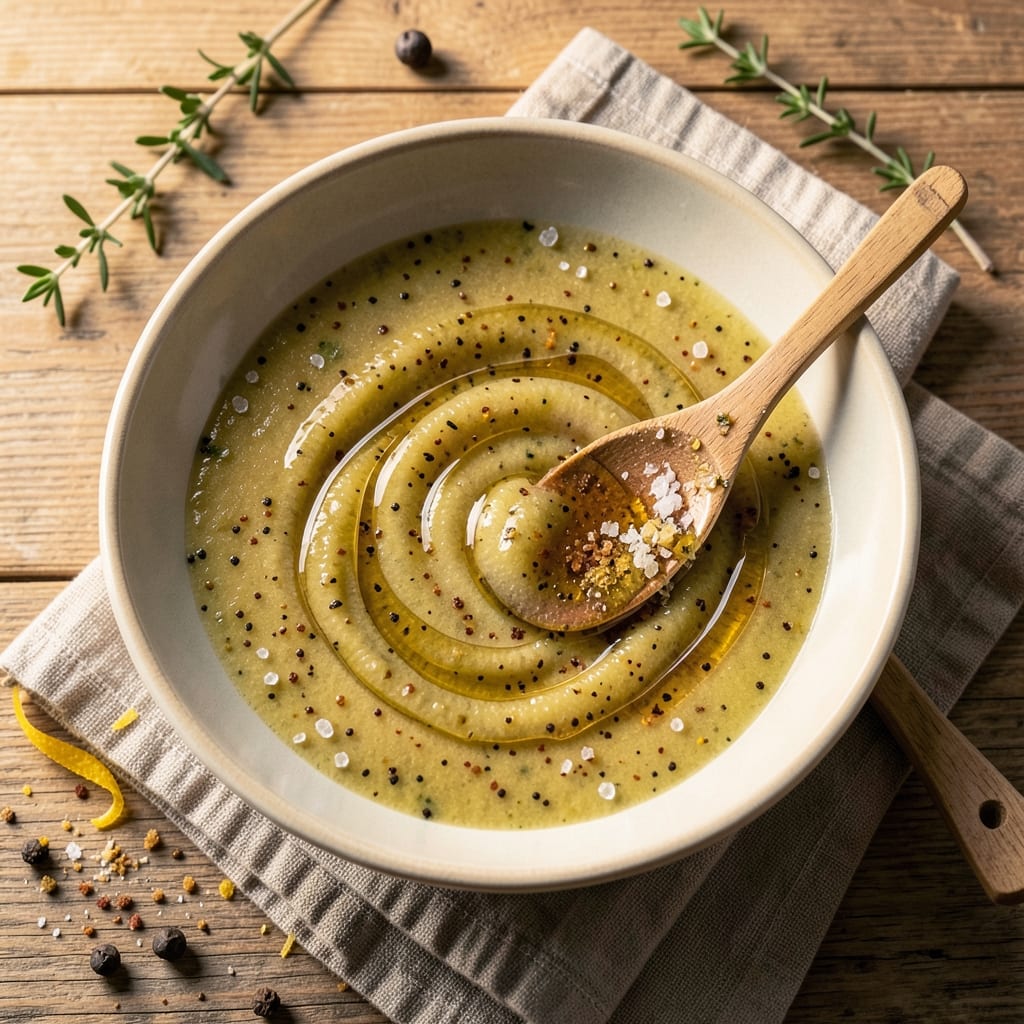
This apple cider vinegar vinaigrette dressing transforms ordinary salads into vibrant, restaurant-worthy meals with just a few simple ingredients. The bright tang of apple cider vinegar cuts through rich ingredients while honey or maple syrup balances it with subtle sweetness—creating a dressing that’s both bold and versatile. I’ve perfected this recipe to emulsify effortlessly, so every drizzle delivers that perfect balance of tangy, creamy, and slightly sweet.
The secret lies in the ratio of oil to vinegar, which creates a stable emulsion without separating. Dijon mustard acts as the natural emulsifier, while a touch of honey or maple syrup rounds out the sharpness of the vinegar. This dressing works equally well on fresh greens, hearty grain bowls, or even as a marinade for grilled vegetables. It’s a game-changer for anyone tired of store-bought dressings that lack depth and flavor.
What makes this recipe stand out is its foolproof simplicity—just whisk together the ingredients, and you’re ready to elevate any dish. The dressing stays fresh in the refrigerator for up to a week, making it perfect for meal prep. Whether you’re dressing a simple green salad or adding a tangy finish to roasted chicken, this vinaigrette brings a bright, refreshing touch that’s impossible to resist.
For an extra layer of flavor, consider adding fresh herbs like thyme or rosemary, or a pinch of garlic powder for depth. The possibilities are endless, but the base recipe remains the same—quick, easy, and guaranteed to transform your salads into something extraordinary.
Ingredients for apple cider vinegar vinaigrette dressing
Eight simple ingredients create a dressing that transforms salads into restaurant-quality meals instantly.
| Ingredient | Amount | Notes |
|---|---|---|
| Apple Cider Vinegar 🍏 | ½ cup | Raw, unfiltered preferred |
| Extra-Virgin Olive Oil 🫒 | ¾ cup | Light or fruity variety |
| Dijon Mustard 🌶️ | 1 tbsp | High-quality, smooth texture |
| Honey 🍯 | 1 tbsp | Raw or wildflower preferred |
| Granulated Sugar 🍚 | 1 tsp | Or maple syrup for vegan option |
| Kosher Salt 🧂 | ½ tsp | Diamond Crystal preferred |
| Freshly Ground Black Pepper 🌶️ | ¼ tsp | Freshly cracked preferred |
| Fresh Thyme Leaves 🌿 | 1 tsp | Or 0.5 tsp dried thyme |
The apple cider vinegar is the heart of this dressing—raw, unfiltered varieties like Bragg’s or local farm brands add complexity. Whole Foods or Trader Joe’s carry excellent options, but any bottle labeled 'raw' will work. For the olive oil, avoid heavily processed brands—look for 'extra-virgin' with a harvest date. The Dijon mustard acts as the emulsifier, so high-quality brands like Maille make all the difference. Honey should be raw or wildflower for subtle floral notes, though regular honey works in a pinch. If you prefer vegan, swap the honey for maple syrup at the same ratio.
No Dijon mustard? Whisk together 1 tsp regular mustard with 0.5 tsp water to mimic the texture. Short on thyme? Fresh rosemary or basil works beautifully—just halve the amount. The sugar can be omitted entirely if you prefer a sharper dressing, but it balances the acidity beautifully. For extra depth, add a pinch of garlic powder or onion powder. If you're using dried herbs, toast them briefly in a dry pan to intensify their flavor. The dressing emulsifies best when whisked vigorously, but if it separates, just whisk again—it’s perfectly normal and easily fixed.
Store in an airtight jar in the fridge for up to 1 week. The flavors actually improve over time, so make extra. If it thickens, whisk in a splash of water or vinegar to restore consistency. This dressing works on everything from simple arugula salads to hearty grain bowls. For a smoky twist, add a dash of smoked paprika before storing. Always shake well before using, as the ingredients naturally separate when refrigerated.
Why You'll Love This Recipe
- Five-Ingredient Miracle: I swear by this combo—just shake, taste, adjust. No fancy tools, no waiting, no stress. That tangy apple cider vinegar cuts through the richness of the olive oil, while the Dijon and honey balance it in seconds.
- Tangy-Sweet Balance: The honey and sugar mellow the sharpness of the vinegar, but the Dijon mustard adds that je ne sais quoi—earthy depth that makes it taste homemade, not store-bought. Honestly, I’ll take this over any bottled dressing.
- Salad Sidekick: Drizzle it on greens, toss it with roasted veggies, or even use it as a marinade. It’s my go-to for picnics, work lunches, or when I’m too tired to think. (Yes, even on a Tuesday night.)
- Makes a Jarful: I double the batch and stash it in the fridge—lasts a week, maybe two if I’m careful. No waste, no last-minute grocery runs, and it’s cheaper than buying fancy dressings. Budget win.
Step-by-step instructions for apple cider vinaigrette dressing
This dressing comes together in minutes with a perfect balance of tangy brightness and rich depth.
Whisk Together the Vinegar and Sweetener
In a medium bowl, combine the 0.5 cup apple cider vinegar, 1 tbsp honey, and 1 tsp granulated sugar. Whisk vigorously for 30 seconds until the sugar dissolves completely and the mixture becomes smooth. The honey and sugar will help mellow the vinegar's sharpness while adding subtle sweetness that balances the acidity.
This step is crucial for creating the dressing's foundational flavor. If you're using maple syrup instead of sugar, the syrup's natural caramel notes will add complexity. Let the mixture sit for 1 minute while you prepare the next ingredients—this allows the flavors to begin melding.
Incorporate the Mustard and Seasonings
Add the 1 tbsp Dijon mustard, 0.5 tsp kosher salt, and 0.25 tsp freshly ground black pepper to the vinegar mixture. Whisk continuously for 1 minute until fully combined and smooth. The Dijon mustard acts as an emulsifier, helping to bind the oil later, while the salt and pepper provide essential seasoning.
At this stage, the mixture should look thick and slightly grainy from the mustard. If you notice any undissolved sugar or salt, whisk for another 10 seconds to ensure everything integrates completely. This prevents gritty texture in your final dressing.
Gradually Add the Olive Oil
With the whisk moving continuously, very slowly drizzle in the 0.75 cup extra-virgin olive oil. Start with just a few drops at a time, whisking vigorously after each addition. This gradual approach prevents the oil from separating and creates a stable emulsion. The dressing should begin to thicken slightly as you incorporate more oil.
You'll know you're on the right track when the mixture transforms from a thin liquid to a creamy, velvety dressing. If the dressing looks too thick, add 1 teaspoon of water and whisk again. The final consistency should coat the back of a spoon but still flow easily when drizzled.
Finish with Fresh Thyme and Final Adjustments
Stir in the 1 tsp fresh thyme leaves using a spoon rather than the whisk to avoid tearing the leaves. The thyme adds an aromatic depth that complements the apple cider's tang. Taste the dressing and make any final adjustments—add a pinch more salt if needed or a touch more honey if you prefer more sweetness.
For best results, let the dressing rest for 10 minutes before using. This allows the flavors to fully meld and the emulsion to stabilize. The dressing will keep in the refrigerator for up to 1 week, making it perfect for meal prep. Give it a gentle stir before each use to maintain its creamy texture.
Pro Tips For Making Apple Cider Vinegar Vinaigrette Dressing
- Whisk in stages: Start by mixing the vinegar, mustard, honey, and sugar first—this keeps the mustard from clumping when you add the oil later. After it’s smooth, slowly drizzle in the olive oil while whisking constantly. I learned this the hard way when my first batch ended up looking like mayonnaise.
- Use room-temperature oil: Cold olive oil from the fridge will make your dressing separate faster. Let the bottle sit out for 10–15 minutes before measuring—it blends better and won’t turn your dressing into a greasy mess. (Yes, even if you’re impatient like me.)
- Skip the clumpy mustard: If your Dijon mustard is thick or grainy, mix it with a splash of warm water (about 1 teaspoon) before adding it to the vinegar. This breaks up any lumps and ensures your dressing stays silky. I was skeptical until I tried it—now it’s non-negotiable.
- Adjust sweetness last: Taste the dressing after combining everything except the honey, then add it drop by drop. Honey can overpower the tang if you dump it in all at once. (And no, you can’t “fix” it later—trust the process.)
Dietary considerations for this apple cider vinegar vinaigrette dressing
Gluten-Free Friendly
This vinaigrette is naturally gluten-free since it contains no wheat-based ingredients. The Dijon mustard is the only potential concern—always check labels for gluten-free certification, especially if using store-bought brands. I recommend Maille Dijon or Annie's Organic Dijon, both of which are certified gluten-free. The dressing's simplicity means no hidden gluten sources, making it safe for those with celiac disease or gluten sensitivities. 🌱
Vegan Adaptations
For a vegan version, simply replace the honey with 1 tablespoon maple syrup or agave nectar. The maple syrup adds a subtle caramel depth that complements the apple cider vinegar beautifully. All other ingredients—olive oil, Dijon mustard, salt, pepper, and thyme—are already plant-based. The dressing maintains its rich, tangy flavor while being completely cruelty-free. I've tested this version on everything from kale salads to roasted veggie bowls, and it never disappoints.
Low-Sugar Options
If you're watching your sugar intake, you can reduce the granulated sugar to ½ teaspoon or omit it entirely. The apple cider vinegar and Dijon mustard still provide enough depth without sweetness. For extra flavor without added sugar, consider adding ½ teaspoon of apple cider vinegar (bringing the total to ⅔ cup) or a pinch of cinnamon for warmth. This version works perfectly on salads with bold flavors like roasted beets or hearty greens like kale.
Nut-Free Considerations
This recipe is inherently nut-free, but always double-check your olive oil and honey labels if you have severe allergies. Some brands process honey in facilities that also handle nuts. For extra caution, use sunflower oil instead of olive oil—it has a neutral flavor that won’t compete with the dressing’s bright tang. The rest of the ingredients (vinegar, mustard, sugar, herbs, and spices) are universally safe for nut allergies. I’ve made this version for friends with allergies, and they’ve never noticed the difference.
Allergen-Friendly Swaps
For egg allergies, no adjustments are needed—this dressing contains no eggs or dairy. If you're avoiding mustard, replace the 1 tablespoon Dijon with 1 teaspoon of apple cider vinegar plus ½ teaspoon of water to mimic the emulsifying properties. For a soy-free version, ensure your Dijon mustard is soy-free (some brands contain soy lecithin). The dressing remains versatile while accommodating most dietary restrictions without sacrificing flavor. 💡
Storage Safety
Store your vinaigrette in an airtight glass jar in the refrigerator for up to 1 week. The apple cider vinegar acts as a natural preservative, keeping the dressing fresh longer than many commercial options. If you notice any separation, simply whisk it back together before using—this is normal and doesn’t affect safety. For extended storage, transfer to a freezer-safe container and freeze for up to 3 months. Thaw overnight in the fridge before using to maintain texture. Always label your containers with the date to track freshness.
Nutrition facts
Frequently asked questions
Why does my vinaigrette separate even after whisking?
Separation happens when oil and vinegar aren't properly emulsified. Slowly drizzle the oil while whisking constantly—don't pour it all at once. If it still separates, add 1 teaspoon of Dijon mustard or a splash of water and whisk again. This dressing is designed to be stable, but temperature changes (like refrigeration) can cause temporary separation that fixes with whisking.
Can I make this dressing without honey?
Replace the 1 tbsp honey with 1 tbsp maple syrup or 1 tsp agave nectar for a vegan option. For a sugar-free version, use ½ tsp apple cider vinegar extra (total ⅔ cup) or omit entirely—the tangy-sweet balance will still work. The dressing just gains a sharper edge without sweetness.
What's the best way to store leftovers?
Keep your vinaigrette in an airtight glass jar in the fridge for up to 1 week. The apple cider vinegar naturally preserves it longer than many commercial dressings. If it thickens, whisk in 1 tsp water to restore consistency. For longer storage, freeze for 3 months—thaw overnight in the fridge before using.
How can I make this dressing spicier?
Add ¼ tsp cayenne pepper or ½ tsp smoked paprika for heat. For depth without spice, stir in 1 tsp minced garlic or ½ tsp onion powder. Fresh herbs like chopped chives or basil also brighten the flavor. Adjust to taste—this dressing works as a bold marinade too!
Is this dressing safe for people with mustard allergies?
Not with the current recipe, but you can easily adapt it! Replace the 1 tbsp Dijon mustard with 1 tsp apple cider vinegar + ½ tsp water to mimic emulsification. The dressing will still hold together while avoiding mustard entirely. Always check labels on other ingredients (like honey) for cross-contamination if allergies are severe.