
Main Courses
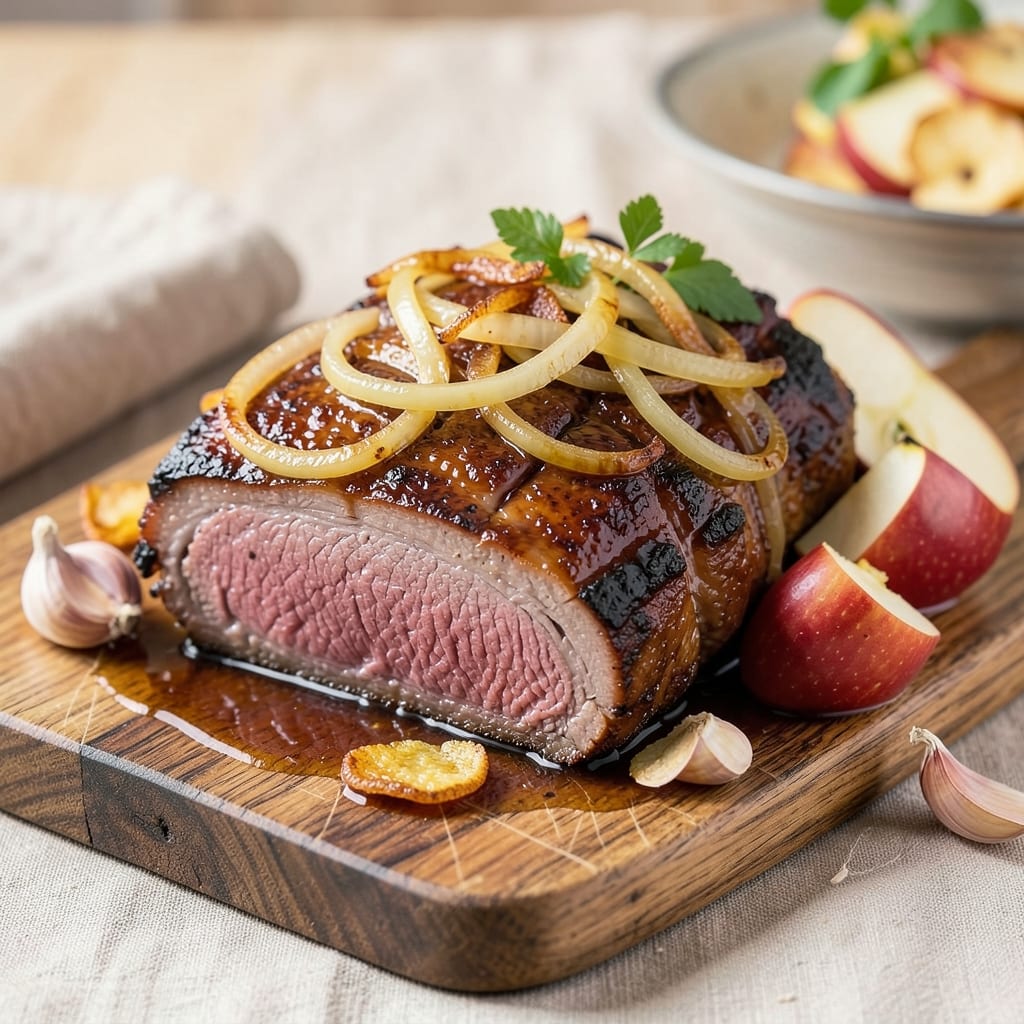
This apple brisket recipe transforms tough beef into melt-in-your-mouth perfection with a sweet-tangy apple glaze that caramelizes beautifully. The secret lies in a dry rub of smoky paprika and brown sugar, followed by slow cooking until the meat practically falls apart. I perfected this technique after years of experimenting with Texas-style smoking, but it works equally well in a crockpot or oven.
The magic happens when tender brisket absorbs the apple reduction, creating a sticky, caramelized crust that balances rich beef with bright fruit notes. This method preserves moisture while developing deep, complex flavors—no dry meat here. The result? A showstopping main course that pairs beautifully with mashed potatoes or roasted root vegetables.
What makes this recipe stand out is the balance of techniques: a bold dry rub for initial flavor, slow cooking for tenderness, and apple reduction for that signature caramelized finish. Every bite delivers layers of smoky, sweet, and savory—perfect for holiday feasts or special weekend dinners.
Ready to impress? The process is straightforward but requires patience—about 6 hours of cooking time, but mostly hands-off. The reward? Brisket so tender it shreds easily, with a glaze that makes it irresistible. Let's get started on this crowd-pleasing masterpiece.
Ingredients for apple brisket
Six pounds of brisket, four apples, and a smoky-sweet rub—this is the foundation of Texas-style perfection.
| Ingredient | Amount | Notes |
|---|---|---|
| Beef Brisket 🥩 | 5 lb | Packaged brisket with fat cap intact |
| Dry Rub 🌶️ | ½ cup | Custom blend (see notes for details) |
| Yellow Onions 🧅 | 2 whole | Medium size, sliced into wedges |
| Fresh Garlic Cloves 🧄 | 8 cloves | Peeled, smashed for intense flavor |
| Fresh Apples 🍎 | 4 whole | Honeycrisp or Granny Smith, peeled |
| Apple Cider Vinegar 🍏 | ¼ cup | For tangy depth in reduction |
| Brown Sugar 🍚 | ½ cup | Light or dark, packed firmly |
| Smoked Paprika 🌶️ | 2 tbsp | High-quality for authentic smoke |
| Ground Black Pepper 🌶️ | 1 tbsp | Freshly cracked for best flavor |
| Kosher Salt 🧂 | 1 ½ tbsp | Diamond Crystal preferred |
| Beef Broth 💧 | 2 cups | Low-sodium preferred |
| Unsalted Butter 🧈 | ¼ cup | Cold for finishing glaze |
| Fresh Thyme 🌿 | ¼ cup | Leaves only, chopped finely |
The brisket is non-negotiable—look for a packaged cut with intact fat cap from a trusted butcher or Costco's pre-cut brisket for consistency. Honeycrisp apples deliver the perfect balance of sweetness and tartness, but Granny Smith works beautifully for a sharper contrast. For the dry rub, Penzeys or local spice shops offer premium smoked paprika—avoid the generic grocery store brands. The beef broth should be low-sodium to prevent over-salting the final dish, and Kirkland Signature is my go-to for quality without the sodium bomb. Fresh thyme is ideal, but dried thyme at one-third the amount works in a pinch.
No smoked paprika? Substitute half cayenne pepper and half regular paprika for heat, or use liquid smoke at one-quarter teaspoon for depth. Swapping apples? Pears or cranberries add complexity—just adjust cooking time slightly. The apple cider vinegar can be replaced with red wine vinegar if unavailable, though it'll have a different profile. For a sweeter glaze, increase brown sugar to three-quarters cup and reduce vinegar to one tablespoon. The butter in the glaze is crucial—use full-fat for that rich finish, and European-style butter like Plugrá melts beautifully.
Brisket keeps beautifully in the fridge for up to 5 days when properly wrapped, though it's best enjoyed within 3 days for peak tenderness. For longer storage, freeze in portions for up to 3 months—wrap tightly in butcher paper first, then foil. The dry rub can be made ahead and stored in an airtight container for 6 months. Apples should be peeled and stored in cold water in the fridge until ready to use. The finished brisket reheats best at 300°F for 20 minutes, covered with foil to retain moisture.
Why You'll Love This Recipe
- Fewer Chores, Same Magic: I swear by this recipe because it’s the only brisket I’ll make when I’m too tired to fuss. Just slather on that dry rub, toss in chopped onions and apples, and let the oven do the heavy lifting—no basting, no stress. My kids even help peel the apples now.
- Sweet-Savory Balance: That caramelized apple glaze cutting through tender brisket? It’s the kind of harmony that makes you pause mid-bite. The garlic and onions deepen as they cook, while the apples add a bright, almost dessert-like finish—like a steakhouse dish with a cozy twist.
- Leftovers That Don’t Lie: This recipe actually improves the next day. The brisket gets more fall-apart tender, and the sauce thickens into something rich enough for sandwiches or tacos. I make it on Sundays just so I can eat it three more times before the week ends.
- Budget Meal for Big Gatherings: A full brisket feeds a crowd without breaking the bank, and the apples stretch the flavor so it doesn’t taste like a splurge. Honestly, it’s my go-to for game days or holiday sides—everyone raves, but my wallet stays happy.
Step-by-step instructions for smoky apple-caramelized brisket
This method transforms tough brisket into tender, apple-infused perfection with a caramelized crust.
Prepare and Season the Brisket
Remove the 5 lb beef brisket from packaging and pat it completely dry with paper towels. Trim the fat cap to about ¼-inch thickness, leaving enough to protect the meat during cooking. The fat should remain intact on the edges for flavor.
Apply the 0.5 cup dry rub generously to all sides, pressing firmly so it adheres. Pay special attention to the fat cap and edges where the rub tends to slide off. Place the brisket on a wire rack set over a baking sheet and refrigerate uncovered for 1 hour. This step ensures maximum flavor penetration and crispy bark formation.
Build the Apple-Caramel Base
In a large Dutch oven, combine the 2 whole yellow onions (sliced into wedges), 8 cloves fresh garlic cloves (smashed), 4 whole fresh apples (peeled and cored), 0.25 cup apple cider vinegar, 0.5 cup brown sugar, 2 tbsp smoked paprika, 1 tbsp ground black pepper, and 1.5 tbsp kosher salt. Cook over medium heat for 15 minutes, stirring occasionally, until the onions soften and the apples begin to break down.
Add 2 cups beef broth and bring to a gentle simmer. Reduce heat to low and let it cook uncovered for 30 minutes, allowing the liquid to reduce by about half. This creates a concentrated apple-caramel base that will later infuse the brisket with sweet-tart depth.
Sear the Brisket and Braise
Preheat your oven to 300°F. Heat a large skillet over high heat and sear the brisket on all sides until deeply browned, about 3-4 minutes per side. Transfer the seared brisket to the Dutch oven with the apple mixture, fat-side up. Pour any accumulated juices from the skillet over the brisket.
Cover the Dutch oven tightly with a lid and transfer to the oven. Braise for 4 hours, maintaining the 300°F temperature. This slow cook time allows the brisket to become fork-tender while absorbing the apple-caramel flavors. Check occasionally to ensure the liquid doesn't evaporate completely—add a splash of water if needed.
Finish with Butter and Thyme
Remove the brisket from the oven and let it rest for 15 minutes. In a small saucepan, melt the 0.25 cup unsalted butter over low heat. Add the 0.25 cup fresh thyme and stir until fragrant, about 1 minute. Pour this butter-thyme mixture over the brisket and let it sit for an additional 10 minutes to create a glossy, aromatic finish.
Slice the brisket against the grain into ¼-inch thick portions. Serve immediately with the apple-caramel reduction spooned over the top. The brisket should be fork-tender with a deep mahogany crust, and each bite should deliver a perfect balance of smoky, sweet, and savory flavors.
Pro Tips For Making Apple Brisket
- Trim the Fat First: Slice off that thick fat cap before you rub the brisket—it’s the difference between a brisket that renders juices and one that steams itself dry. I used to skip this, thinking it didn’t matter, until I ended up with a brisket that tasted like it was cooked in its own juice.
- Core Those Apples: Remove the cores and slice the apples into ¼-inch chunks—whole apples won’t break down enough to caramelize properly. I learned this the hard way when my brisket ended up with giant, undercooked apple bullets instead of sweet, jammy pockets of flavor.
- Start with Smoke, End with Steam: Hit the brisket with direct heat and smoke for the first 30 minutes to lock in that deep flavor, then drop the temp to 225°F and wrap it in foil with the apples and onions. After burning three batches by rushing the low-and-slow, I finally realized patience here makes the crust crisp and the meat tender.
- Sweat the Onions Right: Cook the onions until they’re translucent and just starting to brown—about 8-10 minutes—before adding the garlic. This builds flavor that actually sticks to the brisket instead of turning to mush. (Yes, even if you’re impatient like me.)
Storing and reheating this recipe
Fridge Storage Tips
Store your cooked apple brisket in an airtight container with the apple-caramel reduction spooned over the top. The reduction helps keep the meat moist and adds extra flavor. I like using glass Pyrex containers because they stack well in the fridge. Keep it refrigerated at 40°F or below for up to 5 days, though I recommend eating it within 3 days for the best texture. The flavors actually deepen overnight as the spices meld together. ❄️
Freezer Prep Guide
For longer storage, wrap the brisket tightly in butcher paper first, then in heavy-duty aluminum foil to prevent freezer burn. Place it in a freezer-safe bag with the reduction, leaving 1 inch of headspace for expansion. Label with the date and freeze for up to 3 months. Thaw overnight in the fridge before reheating for even cooking. I swear by this method—no dry meat here! 🥶
Stovetop Reheating
My preferred method is stovetop reheating because it preserves the best texture. Place the brisket in a heavy-bottomed pot with ¼ cup beef broth (or apple reduction) and heat over medium-low heat for 10-15 minutes. Cover with a lid to retain moisture and prevent drying. Taste and adjust seasonings—sometimes the apple flavors concentrate during reheating. 🔥
Slow Oven Method
For a more hands-off approach, preheat your oven to 300°F. Place the brisket and reduction in an oven-safe dish, cover tightly with foil, and bake for 20-25 minutes. This gentle heat keeps everything juicy without overcooking. I use this method when I'm short on time but still want restaurant-quality results. The slow cooker works too—just add 1 cup broth and cook on low for 3 hours.
Microwave Shortcut
When you're in a rush, the microwave works surprisingly well. Place the brisket and reduction in a microwave-safe dish, cover with a damp paper towel, and heat on 50% power for 3-4 minutes. Stir halfway through to distribute the heat evenly. Add a splash of water if it looks dry. This method takes just 5 minutes but still delivers great flavor. 💡
Leftovers Reinvention
Turn leftover apple brisket into brisket tacos with warm tortillas, shredded cabbage, and a squeeze of lime. Or make brisket sandwiches with crusty bread and a smear of apple butter. The tender meat also works beautifully in stir-fries or pasta dishes. Get creative—there are endless ways to enjoy this versatile protein! 🌟
Nutrition facts
Frequently asked questions
Can I use a different type of apple in this recipe?
While Honeycrisp or Granny Smith work best, Fuji or Braeburn apples add great texture. Tart varieties like Granny Smith balance the sweetness beautifully, while sweeter apples like Gala create a richer glaze. Just adjust cooking time slightly if using softer varieties.
How do I know when the brisket is fully cooked?
Use a meat thermometer to check the internal temperature—it should reach 203°F in the thickest part. The meat should be fork-tender and pull apart easily. If it's still slightly firm, return it to the oven for 30 more minutes covered. Never rely on color alone!
Can I make this recipe in a slow cooker?
Yes! Sear the brisket first, then transfer it to your slow cooker with the apple mixture. Cook on low for 8 hours or high for 5-6 hours. Add 1 cup beef broth halfway through if needed. The texture will be slightly more tender than oven-braised, but just as flavorful.
What's the best way to serve leftover apple brisket?
Slice it thinly for brisket sandwiches with crusty bread and apple butter, or shred it into tacos with lime and pickled onions. The tender meat also works perfectly in stir-fries or pasta dishes. Reheat gently with a splash of broth to maintain moisture.
Why did my brisket turn out dry?
Overcooking or insufficient liquid are the most common causes. Always maintain 300°F and cover tightly to trap steam. If your brisket was dry, try increasing the braising liquid by ½ cup next time or wrapping it in foil during the final 30 minutes of cooking.