
Desserts
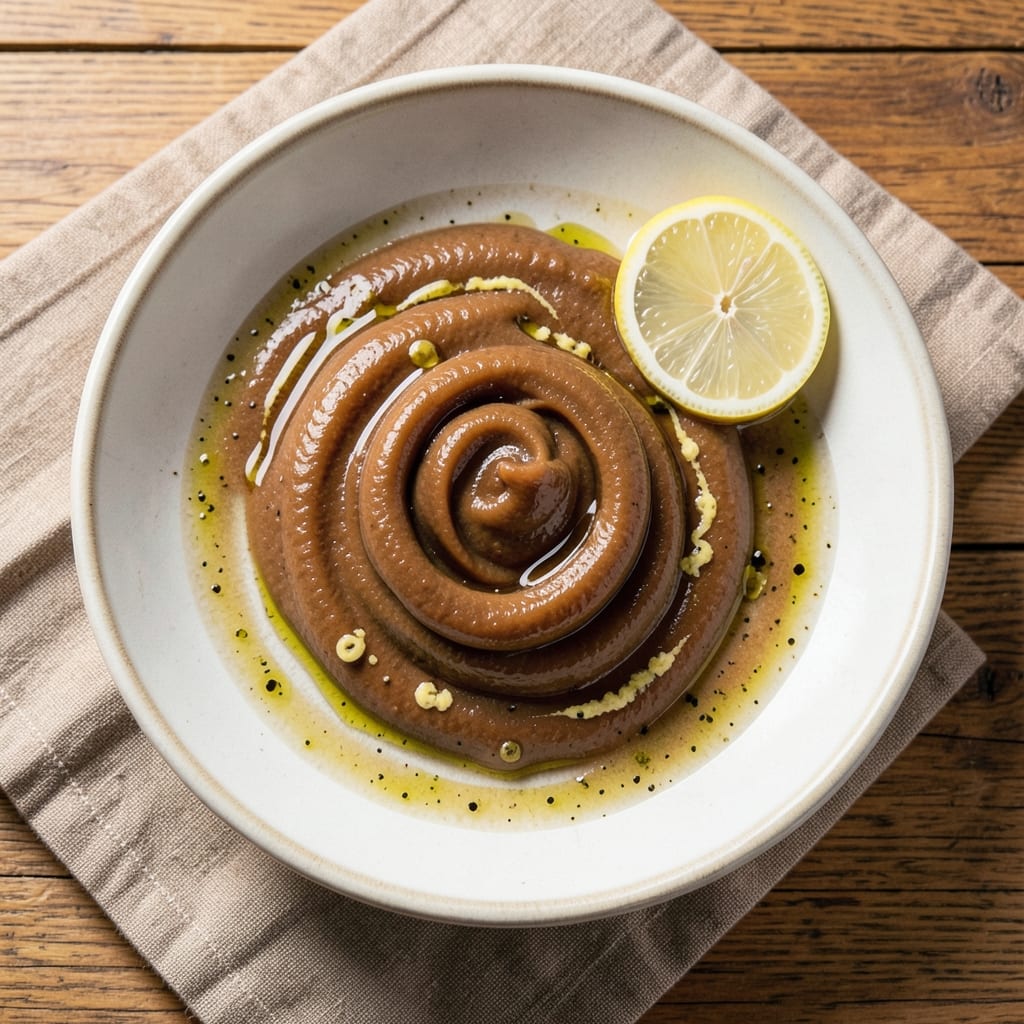
This apple butter vinaigrette recipe transforms simple salads into vibrant, flavor-packed meals with just five ingredients. The secret lies in balancing apple butter’s natural sweetness with sharp vinegar and rich olive oil, creating a dressing that’s as versatile as it is delicious. Perfect for autumn harvests or year-round meals, this recipe delivers a smooth, tangy-sweet profile that elevates everything from greens to roasted vegetables.
The beauty of this vinaigrette is its simplicity—no fancy techniques required. Combine apple butter, apple cider vinegar, olive oil, a touch of Dijon mustard, and a pinch of salt until emulsified. The result is a dressing that’s rich enough to stand alone as a dip yet light enough to enhance salads without overpowering them. It’s the kind of recipe that proves homemade can taste better than store-bought every time.
What sets this vinaigrette apart is its balanced sweet-tart flavor, which pairs beautifully with crisp apples, sharp cheeses, and earthy greens. Drizzle it over mixed salads, toss it with roasted Brussels sprouts, or use it as a dip for crusty bread. The possibilities are endless, and the ingredients are likely already in your pantry. Ready in just 5 minutes, this dressing is a game-changer for quick, flavorful meals.
For added depth, consider stirring in a teaspoon of honey or a splash of lemon juice to adjust the sweetness to your taste. Store leftovers in an airtight container in the refrigerator for up to 1 week, making it a perfect make-ahead solution for busy weeknights. Whether you’re hosting a dinner party or prepping meals for the week, this vinaigrette is your new go-to for effortless flavor.
Ingredients for apple butter vinaigrette
Five pantry staples create this restaurant-quality vinaigrette with perfect sweet-tart balance.
| Ingredient | Amount | Notes |
|---|---|---|
| Apple Butter 🍎 | ½ cup | Unsweetened for balanced flavor |
| Apple Cider Vinegar 🍎 | ¼ cup | Raw, unfiltered preferred |
| Extra-Virgin Olive Oil 🫒 | ½ cup | Light, fruity variety |
| Dijon Mustard 🌿 | 1 tbsp | Whole-grain preferred |
| Kosher Salt 🧂 | ¼ tsp | Diamond Crystal preferred |
| Fresh Lemon Juice 🍋 | 1 tsp | Optional, for brightness |
The apple butter should be unsweetened—brands like Mott’s or Smucker’s unsweetened work best, but check labels. Raw, unfiltered apple cider vinegar adds complexity over pasteurized versions. For the olive oil, California-grown brands like Corto or Bertolli provide the right fruity notes without bitterness. Dijon mustard matters here—whole-grain varieties like Maille or Amoy add subtle texture. If you can't find unsweetened apple butter, reduce regular apple butter with a pinch of vinegar to balance the sweetness.
No Dijon mustard? Yellow mustard at half the amount works, though texture will differ. Swap apple cider vinegar for white wine vinegar if needed, but reduce to 1 tablespoon for milder acidity. The lemon juice is optional but brightens the dressing significantly—skip it if you prefer pure sweet-tart balance. For a richer version, add 1 teaspoon of honey or maple syrup to deepen the sweetness. Store-bought apple butter with added spices? Use half the amount of those ingredients separately for control.
This vinaigrette keeps for up to 1 week in an airtight container in the fridge. For best flavor, shake or whisk before each use—it separates naturally. The lemon juice, if added, may cause slight separation, but a quick shake brings it back. Double the batch and store in small jars for easy salads throughout the week. Freeze extras in ice cube trays for single-serving portions—thaw overnight in the fridge.
Why You'll Love This Recipe
- Five-Ingredient Magic: That’s all it takes—no fancy gadgets, no measuring cups with tiny lines, just a jar and a whisk. Honestly, I’ve made this while waiting for the coffee to brew, and it still comes out smooth and perfect every time.
- Sweet-Savory Balance: The apple butter’s caramel depth meets the sharp tang of apple cider vinegar—like autumn in a bottle. That little hit of Dijon mustard ties it all together, so it’s never cloying, just ridiculously good.
- Salad Game-Changer: Drizzle it over greens for a lunch that feels fancy, toss it with roasted veggies for dinner, or even use it as a dip for crusty bread. I’ll be real: it’s my go-to for anything that needs a little je ne sais quoi without extra effort.
- Keeps Like a Dream: Make a big batch on Sunday, and you’ll have dressing ready for the week—no last-minute scrambling. The oil and vinegar combo keeps it fresh for days, and the apple butter’s natural thickness means no weird separation. Budget win, flavor win.
Step-by-step instructions for crafting apple butter vinaigrette
This balanced sweet-tart dressing comes together in minutes with simple technique and precise ratios.
Whisk Together the Sweet and Acid Components
In a medium bowl, combine the 0.5 cup apple butter and 0.25 cup apple cider vinegar. Use a whisk to blend them thoroughly until they form a smooth, homogeneous mixture with no visible streaks. The apple butter should be fully incorporated, creating a thick, syrupy base that carries both sweetness and tartness. This step establishes the flavor foundation—don't rush it, as any lumps will create texture inconsistencies in the final dressing.
I like to press the back of the spoon against the bowl while whisking to ensure the apple butter dissolves completely. You'll notice the mixture darken slightly as the vinegar begins to break down the apple butter's natural oils. This reaction is normal and actually enhances the dressing's complexity. The blend should coat the back of your spoon evenly when you lift it—this is your signal that the components are properly emulsified.
Incorporate the Dijon Mustard and Salt
Add the 1 tablespoon Dijon mustard and 0.25 teaspoon kosher salt to the apple butter-vinegar mixture. Whisk vigorously for 30-45 seconds until the mustard is completely dissolved and the salt is fully dispersed. The Dijon mustard acts as both an emulsifier and flavor enhancer, while the salt balances the sweetness and cuts through the richness of the apple butter.
This is where the dressing begins to take on its signature character. You'll see small bubbles form as the whisk incorporates air, which will help create a lighter, more stable emulsion later. If you notice any graininess at this stage, whisk for another 10 seconds—the mustard should fully integrate before moving to the next step. The mixture should now have a thick, pourable consistency similar to heavy cream.
Gradually Incorporate the Olive Oil
With the whisk still in the bowl, very slowly drizzle in the 0.5 cup extra-virgin olive oil while whisking continuously. This gradual addition is critical—adding the oil too quickly will cause the dressing to separate. Start with just a few drops at a time, whisking vigorously after each addition until the oil is fully incorporated before adding more. You'll notice the mixture will temporarily break, but with continued whisking, it will re-emulsify.
I recommend using a pouring spout or squeeze bottle for the olive oil to control the flow precisely. The key is patience here—rushing this step will result in a dressing that separates later. When about half the oil has been incorporated, the mixture should begin to hold its emulsion more steadily. Continue whisking until all the oil is added and the dressing reaches a smooth, velvety consistency with no visible oil separation.
Finish with Lemon Juice and Final Adjustments
Add the 1 teaspoon fresh lemon juice and whisk for another 15-20 seconds to distribute it evenly. The lemon juice brightens the dressing and prevents the apple butter's sweetness from becoming overwhelming. At this point, taste the dressing and make any final adjustments. If it needs more acidity, add another ¼ teaspoon lemon juice. If it's too thick, thin it with 1-2 teaspoons water while whisking. For a more robust flavor, you could add a pinch of black pepper or a dash of smoked paprika.
The dressing should now have a perfect balance of sweet, tart, and savory notes with a smooth, silky texture. It should coat the back of a spoon without being too thin or too thick. If you're using it immediately, transfer it to a clean jar or airtight container. For best results, let it sit at room temperature for 10-15 minutes before using—this allows the flavors to fully meld and the emulsion to stabilize.
Pro Tips For Making Apple Butter Vinaigrette
- Whisk Slowly: Stirring too fast just traps air and makes your vinaigrette look like a science experiment gone wrong. Use a fork or small whisk and mix in a slow, steady figure-eight motion—this helps the apple butter and Dijon mustard actually blend instead of clumping like a stubborn child refusing to share.
- Use Warm Apple Butter: Cold apple butter is like trying to mix peanut butter straight from the fridge—it fights you. Give that jar a quick spin in warm water for 30 seconds first. The texture softens, and the flavors meld smoother into the vinegar and oil. (Yes, even if you’re impatient like me.)
- Measure Vinegar Precisely: Too much apple cider vinegar and your dressing turns into a sour punch; too little and it tastes like a sad, watered-down salad. Use a measuring spoon—1 tablespoon is your baseline, but taste as you go. If it’s too sharp, add a splash more olive oil to balance it out.
- Salt in Two Stages: Toss in half the salt with the mustard and apple butter first, then add the rest after the oil and vinegar come together. This way, you’re not just masking flavors—you’re letting the salt actually work to brighten the apple butter’s sweetness and cut through the richness of the olive oil.
Regional styles of these flavors
Southern Comfort Style
In the American South, apple butter vinaigrette takes on a heartier profile by incorporating 1 teaspoon of honey and ½ teaspoon of ground cinnamon into the base recipe. This variation transforms the dressing into a perfect companion for smoked meats or cornbread salads. I first discovered this version at a family reunion in Georgia, where it was drizzled over warm collard greens with crispy bacon. The cinnamon adds warmth that pairs beautifully with the vinegar's sharpness, while the honey deepens the sweetness for a more indulgent flavor. 🍎
New England Harvest Twist
Up north, the focus shifts to maple syrup and walnut oil for a richer, more autumnal flavor profile. Swap the olive oil for ¼ cup walnut oil and replace the honey with 1 teaspoon pure maple syrup. Add 1 tablespoon finely chopped walnuts for texture and a pinch of fresh thyme for an earthy note. This version shines on roasted butternut squash salads or as a glaze for herb-crusted pork tenderloin. The walnut oil adds a subtle nuttiness that complements the apple butter's natural caramel tones.
Midwest Apple Orchard Version
The Midwest leans into local apple varieties by using ½ cup unsweetened apple cider instead of vinegar and adding 1 teaspoon of apple pie spice (a blend of cinnamon, nutmeg, and allspice). This creates a dressing that tastes like freshly pressed cider with a spiced kick. It's perfect for apple and cheddar salads or as a dip for caramelized onion tartlets. The apple cider adds a milder acidity that lets the apple butter's sweetness shine through, while the pie spice evokes classic autumn harvest flavors.
Pacific Northwest Citrus Kick
On the West Coast, the focus shifts to bright citrus and avocado oil for a lighter, more refreshing take. Replace the olive oil with ½ cup avocado oil and add 1 tablespoon freshly grated orange zest along with the lemon juice. This version pairs beautifully with kale and pear salads or grilled salmon. The avocado oil maintains a neutral base while the citrus zest adds a zesty brightness that cuts through the richness of the apple butter. I love using this version in summer when fresh citrus is at its peak.
Appalachian Smoky Depth
For a smoky twist, add ½ teaspoon of smoked sea salt and ¼ teaspoon of liquid smoke to the base recipe. This variation works exceptionally well on blackened chicken salads or as a marinade for grilled vegetables. The smoky notes complement the apple butter's natural caramelization, creating a dressing that feels both rustic and sophisticated. It's a favorite at my family's summer cookouts in the mountains, where it's often drizzled over shaved fennel and arugula salads with crispy prosciutto. 🔥
Nutrition facts
Frequently asked questions about apple butter vinaigrette
Can I make this vinaigrette without Dijon mustard?
Yes! If you don't have Dijon, use 1 tablespoon yellow mustard instead, though the flavor will be milder. For extra tang, add ½ teaspoon extra apple cider vinegar. The mustard helps emulsify the dressing, so if you omit it entirely, whisk the oil in even more slowly to prevent separation.
How do I fix a separated vinaigrette?
Simply whisk or shake the container vigorously for 30-60 seconds until the oil and apple butter mixture re-emulsify. If it keeps separating, the oil ratio might be too high—try thinning with 1 teaspoon water and whisk again. Most separations are temporary and fix easily!
What's the best way to store leftovers?
Transfer to an airtight container and refrigerate for up to 1 week. Give it a good shake or whisk before each use, as the oil may separate slightly. For longer storage, freeze in ice cube trays—thaw overnight in the fridge. The lemon juice (if added) may cause slight separation, but whisking restores it perfectly.
Can I use this as a marinade?
The sweet-tart balance makes it perfect for pork tenderloin, chicken, or tofu. Marinate for 2-4 hours (no longer, as vinegar can make meat mushy). For extra flavor, add 1 teaspoon soy sauce or smoked paprika to the base recipe. Always pat proteins dry first for better absorption.
What are the best salads to pair with this?
Try it on arugula with pears and walnuts, roasted Brussels sprouts with bacon, or goat cheese and apple slices>. The sweetness complements sharp cheeses like blue cheese or gouda, while the acidity cuts through creamy dressings. For a hearty option, toss with warm grain bowls or crispy potato salads>.