
Desserts
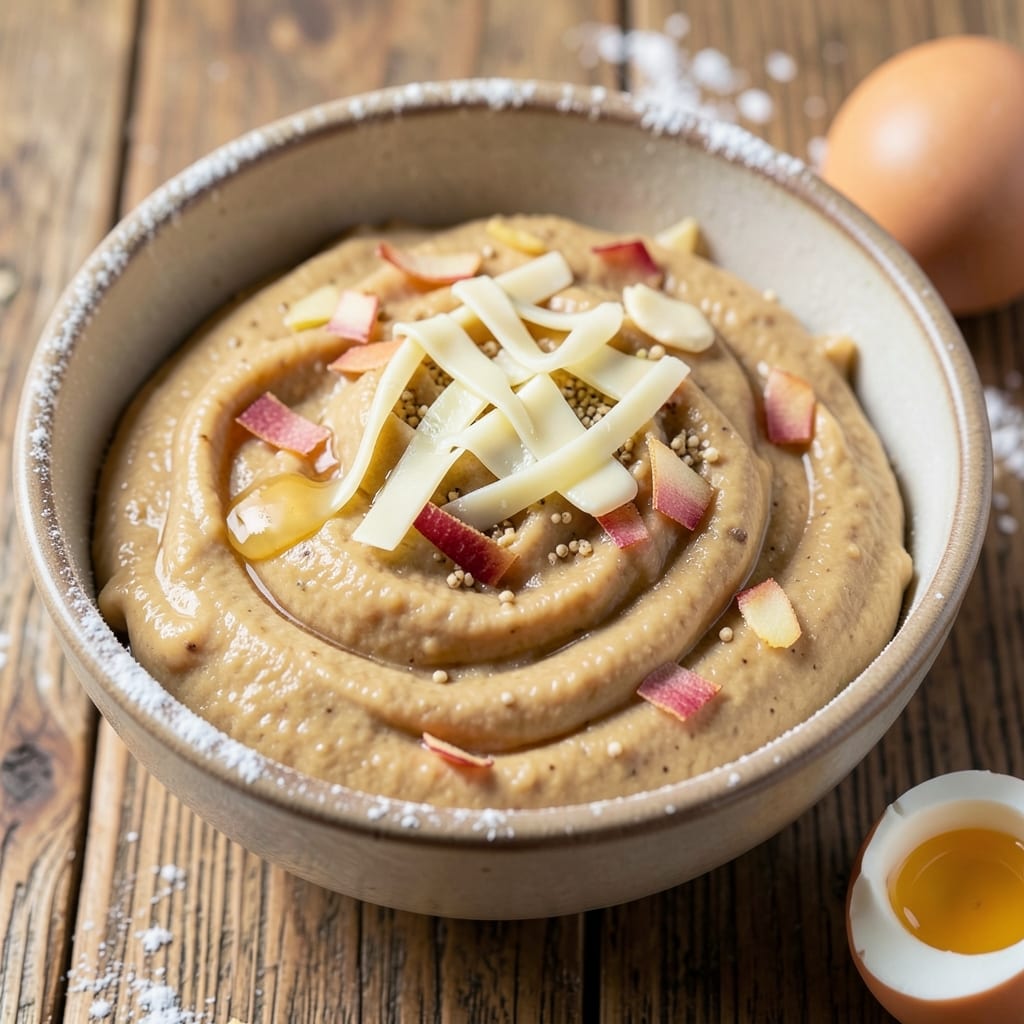
This apple cider donut batter recipe transforms simple pantry staples into golden, spiced clouds with crispy edges that disappear in one bite. 🌟 The secret lies in balancing yeast for classic donut texture with apple cider's warm, aromatic depth—no fancy equipment needed, just a few essential ingredients and patience for the perfect rise. I've perfected this recipe over years of trial (and a few too many burnt batches), so you'll get restaurant-quality results without the guesswork.
The magic begins with a warm cider-infused batter that develops rich caramel notes as it fries, creating that signature apple cider flavor in every bite. Whether you fry them in 350°F oil for classic donuts or bake for a lighter version, the cinnamon-sugar coating adds the perfect contrast—crunchy outside, tender inside. This recipe works equally well as a weekend treat or a cozy weeknight dessert, proving you don't need special occasions for homemade donuts.
What makes these donuts truly special is how the spices—cinnamon, nutmeg, and a pinch of cloves—combine with the cider to create an aroma that fills your kitchen long before they're ready. The batter's light, airy texture comes from proper yeast activation and gentle folding, while the high heat ensures that signature crispy exterior. Once you try these, store-bought donuts will never compare again.
For extra indulgence, try a simple glaze made with powdered sugar and warm cider, or roll them in chopped pecans for added crunch. The possibilities are endless, but the foundation—this foolproof batter—is what makes them unforgettable. Let's get started on creating your perfect batch!
Ingredients for apple cider donut batter
Golden spiced clouds start with just these 14 essential ingredients—no shortcuts, all magic.
| Ingredient | Amount | Notes |
|---|---|---|
| All-Purpose Flour 🌾 | 3 cups | Sifted for light texture |
| Granulated Sugar 🍚 | ½ cup | White or light brown |
| Unsalted Butter 🧈 | ½ cup | Cold, cubed for texture |
| Active Dry Yeast 🍞 | 2 ¼ tsp | Freshly measured, not expired |
| Apple Cider 🍎 | 1 cup | Unfiltered for depth of flavor |
| Large Eggs 🥚 | 1 whole | Room temperature for best mixing |
| Milk 🥛 | ½ cup | Warm, not hot |
| Ground Cinnamon 🌿 | 1 ½ tsp | Freshly ground preferred |
| Ground Nutmeg 🌿 | ¼ tsp | Freshly grated for warmth |
| Ground Cloves 🌶️ | ⅛ tsp | Pinch for depth |
| Salt 🧂 | ½ tsp | Diamond Crystal kosher |
| Vegetable Oil 🫒 | 2 cups | For frying, 350°F |
| Granulated Sugar 🍚 | ½ cup | For cinnamon-sugar coating |
| Ground Cinnamon 🌿 | 1 ½ tsp | For coating, extra pinch |
The apple cider is non-negotiable here—skip the bottled stuff and grab unfiltered, fresh-pressed from a local orchard or the refrigerated section at Whole Foods or Trader Joe's. That rich, caramel depth comes from the sediment, so don’t strain it! For yeast, Bob’s Red Mill or Saf-Instant are my go-tos, but check the expiration date—yeast loses its punch fast. The butter should be cold and cubed; don’t melt it first or you’ll kill the airy texture. And Diamond Crystal kosher salt is a must—it dissolves better than table salt, so you won’t taste the grit.
No apple cider? Unsweetened apple juice works in a pinch, but you’ll lose that deep, spiced aroma. Swap the nutmeg for a pinch of allspice if you’re out, but trust me, it’s worth hunting down. The vegetable oil for frying can be canola or peanut oil—just keep it at 350°F for that perfect crisp. For the cinnamon-sugar coating, Trader Joe’s sells pre-mixed cinnamon sugar, but homemade with McCormick ground cinnamon tastes infinitely better. Pro tip: Toast your spices briefly in a dry pan to wake up their flavors before mixing into the batter.
This batter is a two-stage rise, so plan ahead—it needs 1-2 hours total, including the second rise after frying. Store the dry ingredients (flour, sugar, spices, yeast) in an airtight container for up to 3 months, and the wet ingredients (cider, milk, egg) in the fridge for 5 days. Once fried, don’t stack the donuts—they’ll steam and turn soggy. Instead, place them on a wire rack to cool, then freeze extras between parchment paper for up to 3 months. They reheat beautifully in the oven at 300°F for 5 minutes.
Why You'll Love This Recipe
- No Yeast Stress: I’ve made donuts that require proofing for hours—this batter? Just mix, let it sit for 10 minutes, and you’re golden. The apple cider handles the rising while you sip your coffee, no fuss.
- Spiced Warmth in Every Bite: That caramelized sugar and melted butter combo? It’s like autumn in a donut. The cider adds this subtle tartness that cuts through the richness—honestly, it’s the kind of flavor that makes you reach for seconds without thinking.
- Breakfast or Dessert: Serve it with a dollop of whipped cream for brunch, or drizzle with maple syrup for a weekend treat. Same batter, two vibes—perfect for when you’re lazy but still want something special.
- Pantry Staples Only: Flour, sugar, butter—ingredients you already own. No specialty items, no last-minute store runs. (Yes, even on a Tuesday night when you’re out of cinnamon.)
Step-by-step instructions for apple cider donut batter
Here's how to transform simple ingredients into pillowy, spiced donuts with crispy edges that'll have everyone begging for seconds.
👨🍳 Step 1: Activate the Yeast and Prepare the Wet Ingredients
In a small bowl, combine the 1 cup apple cider with 1 teaspoon of the 0.5 cup granulated sugar (reserve the rest) and the 2.25 teaspoons active dry yeast. Let it sit for 5-10 minutes until it becomes foamy and bubbly—this tells you the yeast is alive and ready to work its magic.
While that works, warm the 0.5 cup milk in a microwave or small saucepan until it's about 110°F (it should feel warm to touch but not hot). In a separate bowl, whisk together the warm milk, 1 whole large egg, and the remaining 0.4 cup granulated sugar. This creates a smooth base that'll help your donuts rise beautifully.
👨🍳 Step 2: Mix the Dry Ingredients and Combine
In a large mixing bowl, whisk together the 3 cups all-purpose flour, 1.5 teaspoons ground cinnamon, 0.25 teaspoon ground nutmeg, 0.125 teaspoon ground cloves, and 0.5 teaspoon salt. Sift the flour mixture once to lighten it—this ensures your donuts will be airy and tender rather than dense.
Add the cold, cubed 0.5 cup unsalted butter to the dry ingredients and use a pastry cutter or your fingers to work it in until the mixture resembles coarse crumbs. This texture is crucial—it gives you that perfect balance of flakiness and softness in each bite. Then pour in the yeast mixture and the milk-egg-sugar mixture. Stir gently with a wooden spoon until just combined—you want to avoid overmixing, which develops gluten and makes donuts tough.
🔥 Step 3: Let the Batter Rise for Perfect Texture
Cover the bowl with a clean kitchen towel and let the batter rest at room temperature for 30-45 minutes until it's doubled in size and looks bubbly. This resting period allows the gluten to relax and the yeast to ferment properly, giving you that signature light, airy texture. The batter should be slightly sticky but still spoonable—this is perfect for frying.
Here's the thing—don't rush this step. I've learned the hard way that skipping the rise time results in dense, flat donuts. The warmth of the room helps the yeast work its magic, so if your kitchen is chilly, place the bowl near a warm spot like the top of your fridge.
🍳 Step 4: Fry to Golden Perfection
Heat 2 cups vegetable oil in a deep skillet or Dutch oven to 350°F. Use a candy or deep-fry thermometer to monitor the temperature—this is critical for even cooking and crispy edges. While the oil heats, prepare your cinnamon-sugar coating by mixing the 0.5 cup granulated sugar and 1.5 teaspoons ground cinnamon in a shallow bowl.
Carefully spoon the batter into the hot oil, using about 2 tablespoons per donut. Fry in batches, turning occasionally, for 2-3 minutes per side until the donuts are golden brown all over. They're ready when they float to the top and maintain their shape—no more raw batter showing. Use a slotted spoon to transfer them to paper towels to drain excess oil.
🥘 Step 5: Coat and Serve Warm
While the donuts are still hot, roll each one in the cinnamon-sugar mixture until fully coated. The heat from the donuts will make the sugar stick beautifully, creating that perfect crunchy exterior. Serve them immediately while they're warm and crispy—this is when they're at their absolute best.
For the ultimate experience, stack them high on a plate and drizzle with a little extra apple cider reduction or caramel sauce. Each bite should deliver that perfect balance of pillowy softness inside and crispy, spiced crunch outside. Trust me, your kitchen will smell like autumn magic, and everyone will think you're a donut pro!
Pro Tips For Making Apple Cider Donut Batter
- Warm the cider first: I learned this the hard way—dumping cold apple cider into warm butter and flour makes the yeast sluggish. Heat the cider to about 100°F (just warm to the touch) before mixing it with the yeast and sugar. The yeast will wake up faster, and your donuts will rise better.
- Use melted butter, not softened: Cold butter lumps up in flour, and you end up with uneven texture. Melt the butter completely, then cool it slightly (so it’s still liquid but not hot) before mixing it into the dry ingredients. This ensures a smoother batter and even distribution of flavor.
- Skip the extra sugar in the batter: Most recipes call for sugar in the batter and on top, but that’s overkill. Use all the sugar in the batter for structure and flavor, then save the glaze or topping sugar for after baking. Your donuts will be less greasy and still sweet enough.
- Let the dough rest—really: After mixing, give the dough a full 1–2 hours to rise at room temperature. I know, it’s tempting to rush, but this step develops the flavor and makes the donuts light. Cover it loosely with a towel, and resist the urge to poke or prod it. Patience pays off.
Common mistakes when making great apple cider donut batter
Overmixing the Batter
I’ve made this mistake more times than I’d admit—overmixing the batter after combining all ingredients creates tough, chewy donuts instead of light, airy clouds. Once you’ve mixed in the wet ingredients, stir just until combined (about 10-12 strokes with a wooden spoon). Overmixing develops gluten, which turns your donuts into dense, bread-like disappointments. 🥄
Skipping the Yeast Test
Never assume your yeast is active—always test it first! If you skip the 5-10 minute foam test with warm cider and sugar, you might end up with flat, flavorless donuts. The yeast should bubble vigorously; if it doesn’t, your batch will fail. Keep a fresh packet of Bob’s Red Mill or Saf-Instant yeast on hand—it’s worth the extra 2 minutes to check.
Incorrect Oil Temperature
Frying at the wrong temperature ruins everything. Too low (<350°F) = greasy, uncooked centers. Too high (>375°F) = burnt outsides, raw insides. Invest in a candy thermometer—it’s a game-changer. Maintain 350°F consistently, and fry in small batches to avoid dropping the temperature. A deep skillet or Dutch oven (like All-Clad) is ideal for even heat distribution.
Under-Rising the Batter
Rushing the 30-45 minute rise is a fast track to dense donuts. The batter must double in size and look bubbly before frying. If your kitchen is cold, place the bowl near a warm spot (like the top of your fridge) to help the yeast activate. Pro tip: Use a lightweight kitchen towel to cover the bowl—it breathes better than plastic wrap and prevents condensation.
Overloading the Oil
Dumping too much batter into the oil at once causes splattering and uneven cooking. Use a 2-tablespoon scoop (or a cookie scoop) and space donuts 2 inches apart in the pan. Overcrowding lowers the oil temperature, leading to greasy, undercooked donuts. Work in batches—patience here means perfect results later. 🍩
Ignoring the Cinnamon-Sugar Coating
Rolling hot donuts in cinnamon sugar while they’re still warm is non-negotiable. If you let them cool first, the sugar won’t stick properly, and you’ll miss that magical crunch. Keep your cinnamon-sugar mixture in a shallow bowl nearby and coat them immediately after frying. For extra flair, add a pinch of ground cardamom to the sugar—it pairs beautifully with apple cider.
Nutrition facts
Frequently asked questions
Can I make these donuts without frying them?
For a baked version, preheat your oven to 375°F and spoon the batter onto a parchment-lined baking sheet, spacing them 2 inches apart. Bake for 12-15 minutes until golden. Brush with melted butter while warm, then roll in cinnamon sugar. Baked donuts will be slightly denser but still delicious—perfect for a healthier option.
How do I store leftover apple cider donuts?
Keep them fresh by storing in an airtight container at room temperature for 2 days, or freeze for up to 3 months. To reheat, warm frozen donuts in a 350°F oven for 5 minutes or toast in a dry skillet over medium heat for 1-2 minutes per side to restore crispiness. Never microwave—they’ll turn rubbery!
What can I substitute if I don’t have apple cider?
Use unsweetened apple juice in a pinch, but you’ll lose some depth. For better flavor, mix 0.75 cup apple juice with 0.25 cup warm water and 1 teaspoon apple cider vinegar to mimic the acidity. The spices (cinnamon, nutmeg, cloves) will still shine, but the caramel notes will be subtler. For maximum flavor, track down unfiltered cider!
Can I make the batter ahead of time?
Yes! Prepare the batter up to 24 hours ahead and refrigerate it in an airtight container. Let it sit at room temperature for 30 minutes before the second rise to bring it back to ideal frying temperature. The cold batter will rise more slowly, so monitor it closely—it may take 1-1.5 hours to double in size. For best results, use within 48 hours.
Why are my donuts dense instead of light and fluffy?
Dense donuts usually mean one of three things: overmixing (stir too much after combining), under-rising (batter didn’t double in size), or old yeast. Double-check your yeast test—it should foam vigorously in 5-10 minutes. Also ensure your oil is at 350°F and the batter is slightly sticky but spoonable before frying. Patience pays off!