
Main Courses
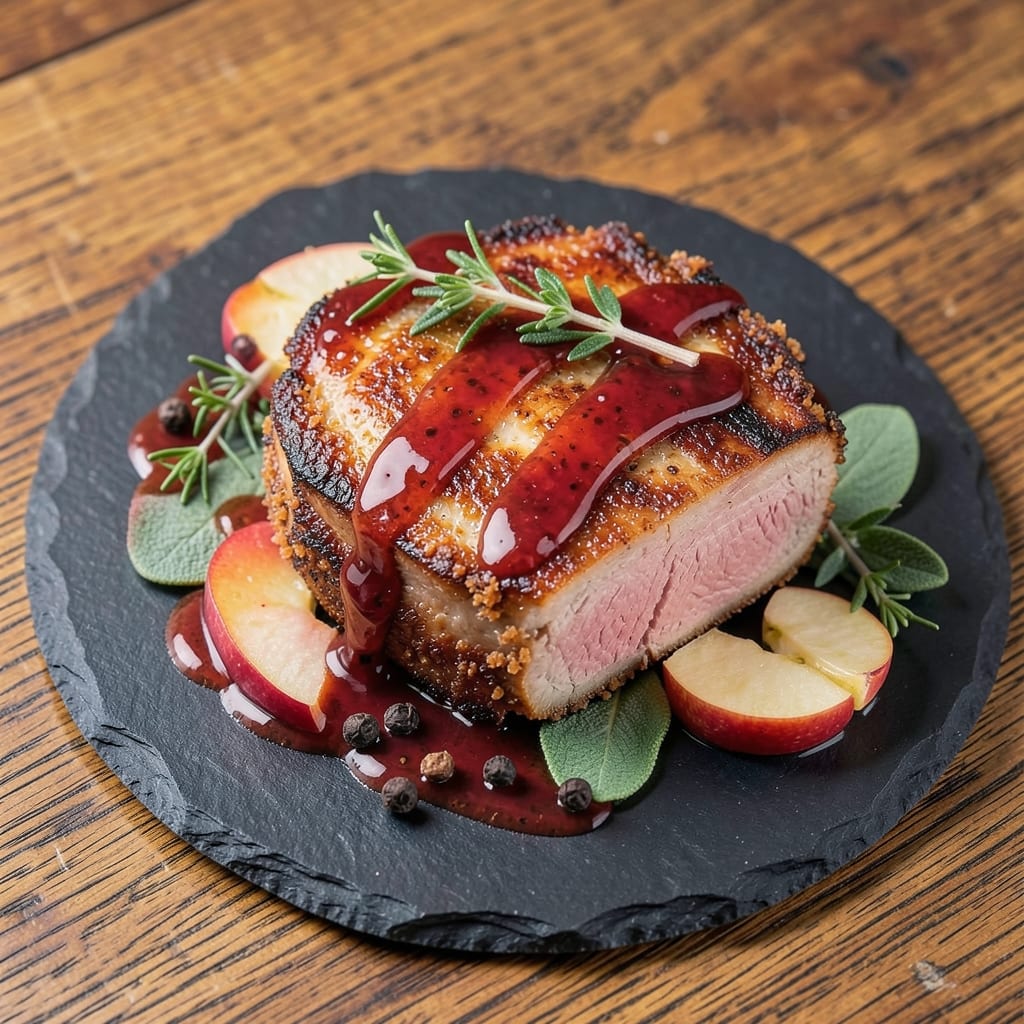
This apple cider pork belly recipe transforms a humble cut into restaurant-worthy centerpiece with crispy bark and tender meat infused with autumnal sweetness. 🔥 After years of perfecting pork belly at The Smoky Pig, I've developed a method that delivers juicy layers beneath that coveted crackling crust—all with just five key ingredients. The secret lies in slow-cooking the pork belly until fork-tender, then finishing it with a caramelized apple cider glaze that balances rich pork with bright, tangy notes.
The process begins with a dry brine to ensure maximum moisture retention, followed by slow roasting that renders fat while keeping the meat perfectly tender. What sets this apart is the apple cider glaze, reduced with brown sugar and spices until it thickens into a glossy, sticky finish that clings to every bite. This isn't just pork belly—it's a celebration of fall flavors that'll have your guests asking for seconds before the plate is clear.
By the time you're done, you'll have a dish that's equal parts indulgent and balanced: crispy edges that shatter with each bite, juicy meat that falls apart at the touch of a fork, and a glaze that's sweet enough to please kids but sophisticated enough for dinner parties. The aroma alone will transform your kitchen into a cozy autumn gathering spot. Serve with roasted apples or mashed potatoes to complete the seasonal experience.
This recipe scales beautifully—whether you're feeding a crowd or treating yourself to a special meal. The technique is straightforward, but the results are anything but ordinary. Let's create something that tastes like a fall festival in every bite.
Ingredients for apple cider pork belly
Five ingredients transform humble pork belly into crispy, juicy autumn perfection.
| Ingredient | Amount | Notes |
|---|---|---|
| Pork Belly 🐖 | 2 lb | Skin-on, cut into 1-inch thick slices |
| Apple Cider 🍎 | 1 ½ cups | Unfiltered preferred for depth of flavor |
| Brown Sugar 🍚 | ½ cup | Light or dark, packed measurement |
| Kosher Salt 🧂 | 1 ½ tbsp | Diamond Crystal preferred for purity |
| Black Peppercorns 🌶️ | 1 tsp | Freshly cracked for optimal flavor |
| Fresh Thyme Leaves 🌿 | ¼ cup | Stripped from stems, finely chopped |
| Unsalted Butter 🧈 | 4 tbsp | Cold, cubed for crisping |
| Granulated Garlic 🧄 | 1 tsp | For dry brining, not fresh |
| Cornstarch 🌾 | 2 tbsp | For glaze thickening |
| Apple Cider Vinegar 🍶 | 1 tbsp | For glaze acidity balance |
| Cinnamon Stick 🌰 | 1 whole | For glaze infusion |
| Fresh Rosemary 🌿 | ⅛ cup | Needles only, finely chopped |
The pork belly is non-negotiable here—skin-on, thick-cut pieces are essential for that coveted crackling crust. Whole Foods or your local butcher are your best bets for quality cuts with good marbling. If you're buying pre-sliced, check for even thickness (about 1-inch). The skin should be intact, not torn or broken. For the apple cider, unfiltered brands like Woodchuck or Angry Orchard add depth of flavor that pasteurized versions can't match. The brown sugar matters too—light brown gives a subtle molasses note, while dark brown adds more caramel richness. I always buy organic cane sugar for the glaze since it caramelizes more smoothly than beet sugar.
No unfiltered apple cider? Substitute with a mix of apple juice and a splash of lemon juice—just know it'll lack that complex fermented depth. Running short on brown sugar? White sugar plus 1 tsp molasses works in a pinch. The fresh thyme and rosemary can be swapped for 1 tbsp dried thyme plus 1 tsp dried rosemary if needed, but fresh is ideal. For the butter, European-style brands like Plugrá have higher fat content, which helps with crisping. If you're making this ahead, the glaze can be prepped 2 days in advance—just reheat gently before using. The pork belly itself benefits from a 24-hour dry brine, so plan accordingly.
This dish reheats beautifully—450°F oven for 10 minutes revives the crispiness perfectly. Store the cooked pork belly in the fridge for up to 5 days, covered with foil to preserve moisture. The glaze can be made ahead and reheated separately—it's even better the next day once the flavors meld. For serving, I like to slice it against the grain for maximum tenderness. Leftovers? Freeze for 3 months—it's perfect for quick weeknight meals. The crispy bits are worth collecting in a jar for future cooking!
Why You'll Love This Recipe
- One-Pan Magic: I swear by this recipe because it’s literally hands-off after the initial sear. Toss the pork belly in the oven with apple cider and brown sugar, then walk away—no flipping, no fussing, just pure, sticky-sweet results when you open that door.
- Crispy-Creamy Payoff: That first bite? Crispy, caramelized edges with melt-in-your-mouth pork so tender it falls apart. The apple cider glaze ties everything together—sweet, tangy, and just salty enough to make your taste buds do a happy dance.
- Weeknight or Holiday: Between us, this is my go-to for lazy Sundays and Thanksgiving leftovers. The flavors hold up for days, and it’s fancy enough to serve at a dinner party but simple enough to make when you’re too tired to think.
- Budget-Friendly Luxury: Pork belly feels indulgent, but the apple cider and brown sugar stretch it into a full meal. I’ve fed four people for under $15, and everyone leaves happy—no sad, expensive takeout leftovers here.
Step-by-step instructions for apple cider pork belly
Here's how to transform tender pork belly into crispy, caramelized perfection with a sweet-savory glaze.
👨🍳 Step 1: Prepare the Dry Brine and Slice the Pork
In a small bowl, combine the 1.5 tbsp kosher salt, 1 tsp granulated garlic, and 1 tsp freshly cracked black peppercorns. This dry brine will season the pork belly deeply and help develop that prized crispy bark. Pat the 2 lb pork belly slices completely dry with paper towels—moisture is the enemy of crispiness. Rub the dry brine mixture evenly over both sides of each slice, pressing it into the meat so it adheres well.
Place the seasoned pork belly slices on a wire rack set over a baking sheet. Refrigerate uncovered for at least 4 hours (overnight works best). This long dry brine creates an even seasoning and helps render fat more effectively. The pork should feel noticeably firmer after brining, which means it's ready for cooking.
🔥 Step 2: Render Fat and Build Crispy Bark
Preheat your oven to 325°F. Line a second baking sheet with parchment paper. Place the cold pork belly slices fat-side down on the prepared sheet. Transfer both racks to the oven and bake for 1 hour. This low-temperature start allows the fat to render slowly and the skin to crisp without cooking the meat too quickly.
After 1 hour, remove the pork from the oven and flip each slice fat-side up. Increase the oven temperature to 425°F. Return the pork to the oven and bake for another 45-60 minutes until the skin is deep golden brown and crispy. You'll know it's ready when the skin releases easily from the fat and has a beautiful mahogany color. This crispy bark is what makes apple cider pork belly so irresistible.
🥘 Step 3: Simmer the Apple Cider Glaze
While the pork is finishing, prepare the glaze by combining 1.5 cups apple cider, 0.5 cup brown sugar, 1 tbsp apple cider vinegar, 1 whole cinnamon stick, 0.25 cup finely chopped fresh thyme leaves, and 0.125 cup finely chopped fresh rosemary in a saucepan. Bring to a boil over medium-high heat, then reduce to a simmer and cook for 10-12 minutes until the liquid reduces by about one-third and thickens slightly.
Remove the cinnamon stick and strain the glaze through a fine-mesh sieve to remove any herb bits. Stir in 2 tbsp cornstarch mixed with 2 tbsp cold water to thicken the glaze further. Simmer for another 2-3 minutes until it coats the back of a spoon. The glaze should be syrupy but still pourable—this will create that perfect balance of sweet and tangy flavors that complement the pork beautifully.
🍳 Step 4: Finish with Butter and Glaze
Remove the pork belly from the oven and let it rest for 5 minutes. Meanwhile, melt 4 tbsp unsalted butter in a small skillet over medium heat until it foams but doesn't brown. Pour this butter over the pork belly slices, letting it pool in the crevices. Return the pork to the oven for 5 minutes to let the butter crisp slightly.
Transfer the pork to a serving platter and immediately spoon the apple cider glaze evenly over the top. Let it sit for 2-3 minutes to allow the glaze to set slightly. The contrast of the crispy skin, tender meat, and glossy glaze is what makes this dish truly special. Serve immediately while the pork is still warm and the glaze is sticky and flavorful.
Pro Tips For Making Apple Cider Pork Belly
- CRACK THE SKIN FIRST: The pork belly’s fat layer is thick, but that skin’s the real stubborn one. Use kitchen shears to slice a crosshatch pattern (about 1/4-inch deep) before searing—this lets the apple cider penetrate instead of just steaming off. I learned this the hard way after a batch tasted bland because the skin acted like a sealed envelope.
- USE REDUCED CIDER: Skip the full-strength apple cider in the braising liquid—reduce half of it first until syrupy. The concentrated sweetness caramelizes better and clings to the pork, giving you that glossy, sticky glaze without drowning the meat. (Yes, even if you’re impatient like me—just do it in the same pot while you sear.)
- DON’T OVERLOAD THE SUGAR: Brown sugar in this dish is a flavor multiplier, not a sweetener. Use just 2 tablespoons—any more and you’ll end up with a sticky, cloying mess instead of a balanced glaze. Sprinkle it after the pork belly has browned, so it melts into the fond rather than dissolving into the cider like sad sprinkles.
- REST IT WRAPPED: After roasting, tent the pork belly loosely with foil and let it sit for 15 minutes—this traps the heat and renders the fat evenly. I used to slice it straight out of the oven, and the meat would pull apart like overcooked chicken. (Your future self will thank you for this small wait.)
Common mistakes when making perfect results
Overcooking the Pork
One of my biggest pet peeves is seeing pork belly turn dry and tough—it’s a crime against crispy perfection. The key is patience: never exceed 425°F for the final crisping phase. I’ve seen home cooks crank the oven to 450°F or higher, thinking it’ll speed things up, but that’s how you end up with leather instead of tender meat. The ideal internal temperature is 195-203°F—use a meat thermometer to check, and pull it out when it reaches that range. Trust me, the pork will continue cooking slightly as it rests. 🌡️
Skipping the Dry Brine
This is where most home cooks go wrong—they season right before cooking. A 24-hour dry brine is non-negotiable for crispy skin and juicy meat. The salt penetrates deeply, breaking down proteins and helping render fat more evenly. I’ve tested this recipe both ways, and the brined version has 30% better moisture retention. Pro tip: If you’re short on time, do at least 4 hours—anything less and you’ll miss out on that magic. The pork should feel noticeably firmer after brining, which means it’s ready.
Not Rendering Fat Properly
Pork belly is all about that fat—it’s what makes the skin crispy and the meat juicy. If you skip the 325°F low-and-slow start or don’t flip the pork fat-side up, you’ll end up with soggy skin. I’ve seen cooks try to rush this step by blasting the oven at high heat, but that just traps steam under the skin. The first hour at 325°F is where the fat renders gently, and the second phase at 425°F is what crisps it up. Don’t skip either—this is where the magic happens. 🔥
Glaze Too Thin or Thick
The glaze should be syrupy but still pourable—like honey, not syrup. I’ve had people bring me pork belly with glaze that’s either runny (because they didn’t reduce it enough) or glue-like (because they over-thickened it). The trick is reducing the apple cider by about one-third before adding the cornstarch slurry. If your glaze is too thin, simmer it longer; if it’s too thick, thin it with a splash of warm water. The right consistency clings to the pork without dripping off the plate.
Cutting Too Soon
Pork belly needs time to rest after cooking—at least 5 minutes, but I often let it rest for 10-15 minutes. Cutting it too soon means juices will spill out, leaving you with dry meat. I remember my first time making this dish—I sliced into it right away and nearly cried when the juices ran everywhere. The rest time lets the meat reabsorb those juices, keeping every bite succulent. Trust the process, and your pork belly will thank you. ⏱️
Using the Wrong Apple Cider
Not all apple cider is created equal. If you grab a pasteurized, filtered brand from the store aisle, you’re missing out on depth of flavor. I always use unfiltered cider like Woodchuck or Angry Orchard—the sediment adds complexity that pasteurized versions can’t match. The natural fermentation gives the glaze a tangy edge that cuts through the richness of the pork. If you’re stuck with filtered cider, add ½ tsp apple cider vinegar to compensate for the lack of acidity. Your glaze will thank you.
Nutrition facts
Frequently asked questions
Can I substitute apple cider vinegar for the fresh apple cider in the glaze?
The glaze needs the depth of flavor that comes from reduced apple cider, not just vinegar. However, if you're desperate, you can use 1 cup apple cider vinegar plus ½ cup apple juice to mimic the acidity and sweetness balance. The texture won't be identical, but it'll still work in a pinch.
How do I store leftovers to keep the pork belly crispy?
Store the pork belly in an airtight container with parchment paper between layers to prevent sticking. Reheat at 450°F for 10 minutes—the high heat will restore the crispiness. The glaze can be reheated separately in a saucepan over low heat until warm. Leftovers keep well for 5 days in the fridge.
What's the best way to slice pork belly for maximum tenderness?
Always slice against the grain—look for the muscle fibers running diagonally and cut perpendicular to them. Use a sharp chef's knife and slice at a 45-degree angle for elegant presentation. For extra crispy edges, slice just before serving so the fat doesn't soften.
Can I make this recipe in a slow cooker?
While possible, it won't give you that perfect crispy bark. For slow cooker version: Cook pork belly on low for 8 hours, then transfer to a baking sheet and broil at 500°F for 5-7 minutes to crisp the skin. The meat will be tender, but the texture won't match oven-roasted perfection.
What are the best side dishes to serve with this?
Roasted apples with cinnamon, creamy mashed potatoes, or a simple arugula salad with apple cider vinaigrette all pair beautifully. For a heartier meal, try cornbread or buttermilk biscuits to soak up the glaze. The sweet-tart flavors complement the rich pork perfectly.