
Sauces & Condiments
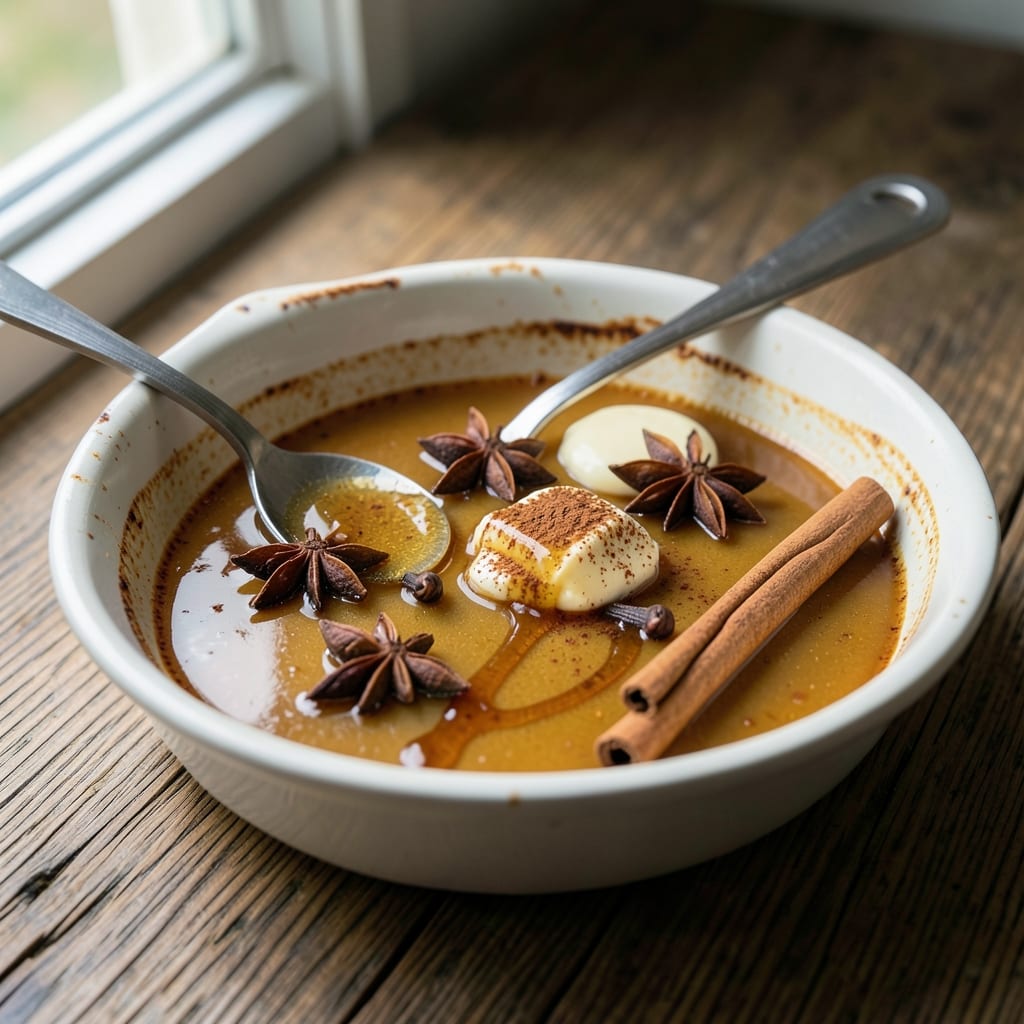
This apple cider recipe with apple cider vinegar transforms simple pantries into a flavor powerhouse—perfect for roasts, salads, or drizzling over grilled meats. The balance of tangy vinegar and sweet apple cider creates a versatile glaze that caramelizes beautifully, adding depth to any dish while keeping prep under 10 minutes. What makes this recipe stand out is how it elevates ordinary meals with just three core ingredients: apple cider, apple cider vinegar, and a touch of honey or maple syrup to round out the sharpness.
The magic happens in the reduction—simmering the mixture until it thickens into a glossy, sticky glaze that clings effortlessly to roasted vegetables, pork tenderloin, or even a simple green salad. Unlike store-bought versions, this homemade glaze avoids artificial additives, delivering a bright, complex flavor that’s restaurant-quality without the fuss. The vinegar’s acidity also acts as a natural preservative, so you can store leftovers in the fridge for up to 2 weeks, ready to transform last-minute meals.
What you’ll end up with is a versatile sauce that works as a glaze, dressing, or even a marinade—its sharp-sweet profile cuts through rich dishes while adding a touch of autumnal warmth. The glaze’s caramelized edges create a satisfying contrast with tender meats or crisp vegetables, making it a foolproof way to impress guests with minimal effort. Whether you’re prepping for a holiday feast or a quick weeknight dinner, this recipe delivers flavor that’s impossible to ignore.
For extra depth, consider adding a pinch of cinnamon or a splash of bourbon to the glaze, but the base recipe remains simple and adaptable to any palate. Let’s get started—your taste buds (and dinner table) will thank you.
Ingredients for apple cider recipe with apple cider vinegar
Three core ingredients transform into a restaurant-quality glaze with just 10 minutes of simmering.
| Ingredient | Amount | Notes |
|---|---|---|
| Apple Cider 🍎 | 2 cups | Unfiltered for best flavor |
| Apple Cider Vinegar 🍶 | ½ cup | Raw, unfiltered preferred |
| Honey 🍯 | 2 tbsp | Or maple syrup for vegan option |
| Cinnamon 🌿 | ½ tsp | Ground, optional for depth |
| Unsalted Butter 🧈 | 1 tbsp | Cold, for glossy finish |
| Salt 🧂 | ¼ tsp | Kosher or sea salt |
| Bourbon 🥃 | 1 tbsp | Optional for complexity |
The quality of your apple cider and vinegar makes all the difference here. Whole Foods or local orchards carry unfiltered varieties that retain more flavor complexity—look for labels specifying 'raw' or 'unpasteurized'. If you can't find those, Mott's or Tree Top cider works in a pinch, but avoid anything with added sugar. The vinegar should be similarly pure; Bragg's or Texas Caverns are excellent choices. For the honey, local raw honey adds subtle floral notes, but any high-quality variety will work. The cinnamon should be freshly ground—pre-ground loses its aroma quickly, so if you're using whole sticks, toast them briefly in a dry pan first.
No honey? Maple syrup or agave nectar work beautifully as sweeteners, though maple has a more pronounced flavor. Skipping the bourbon? Brandy or even a splash of orange juice can add complexity without overpowering. The butter is non-negotiable for that glossy finish—don't substitute margarine or oil, as it won't emulsify properly. For a dairy-free version, vegan butter or coconut oil (melted) works, though the texture will be slightly different. If you're making this ahead, store the dry ingredients (cinnamon, salt) separately until ready to use, as they'll absorb moisture over time. The vinegar and cider can be combined up to 3 days in advance, but the honey should be added fresh before simmering.
This glaze keeps beautifully in the fridge for 2 weeks when stored in an airtight container with a thin layer of oil on top to preserve freshness. For longer storage, freeze in ice cube trays—just thaw and reheat before using. The glaze reheats perfectly, so it's ideal for last-minute meals. If you find yourself with extra, it makes an excellent marinade for pork or chicken—just add a splash of soy sauce and let it sit for 2-4 hours. The caramelized edges develop best when reheated gently in a saucepan over medium heat, so don't rush the process. A quick brush with this glaze elevates even the simplest roasted vegetables or grilled meats to restaurant-quality status.
Why You'll Love This Recipe
- No Fuss, One-Pot Magic: I swear by this—just simmer the cider with vinegar, honey, and cinnamon until it thickens, then finish with butter. No peeling, dicing, or chopping. Honestly, the only tool you’ll need is a saucepan and a spoon.
- Sweet-Tart Balance: That first sip? Pure autumn in a mug. The vinegar cuts through the honey’s richness while cinnamon warms it up—like a cozy hug for your taste buds. (Yes, even on a Tuesday night.)
- Weeknight & Holiday Star: Make a big batch for brunch, drizzle it over pancakes, or serve it warm with toasted bread. It’s my go-to for lazy mornings, potlucks, or when company drops by unexpectedly. The butter swirl? Instant crowd-pleaser.
- Budget-Friendly Pantry Staple: Apple cider and vinegar last forever, honey keeps indefinitely, and cinnamon? A single jar does the trick. I’ve made gallons of this for under $10—no fancy ingredients, just pure, satisfying flavor that won’t break the bank.
Step-by-step instructions for apple cider glaze with apple cider vinegar
This versatile glaze transforms simple ingredients into a sophisticated sauce perfect for roasts, salads, and more.
Simmer the Apple Cider Base
In a medium saucepan, combine the 2 cups apple cider and 0.5 cup apple cider vinegar over medium-high heat. Bring to a gentle boil, then immediately reduce heat to medium-low to maintain a steady simmer. Let it cook uncovered for 10-12 minutes until the liquid reduces by about one-third and becomes slightly syrupy.
Watch for the aroma to deepen—you'll notice a rich, caramelized apple scent developing. This reduction process concentrates the flavors and removes excess water, creating a more intense base for your glaze. Stir occasionally to prevent sticking, but avoid constant stirring which can cause excessive evaporation.
Sweeten and Season
Once the cider mixture has reduced, whisk in the 2 tablespoons honey and 0.5 teaspoon cinnamon until completely dissolved. The honey will create a beautiful golden hue and add natural sweetness that balances the tartness of the vinegar. Continue simmering for another 5-7 minutes until the mixture thickens noticeably and coats the back of a spoon.
Taste the mixture at this stage—it should be pleasantly tart with a warm cinnamon undertone. If you prefer a smoother texture, you can strain it through a fine-mesh sieve to remove any sediment that might have formed during cooking. This step is particularly important if you're using unfiltered apple cider which may contain some natural particles.
Incorporate Butter and Salt
Remove the pan from heat and let it cool slightly for 1-2 minutes. Then, whisk in the 1 tablespoon cold unsalted butter and 0.25 teaspoon salt until the butter melts completely and creates a glossy sheen. The butter adds richness and helps create that beautiful, glossy finish that makes this glaze so appealing.
For an extra layer of complexity, add the 1 tablespoon bourbon now. The alcohol will burn off quickly as you reheat the mixture for 1-2 minutes over low heat. This step is optional but adds a subtle depth of flavor that pairs beautifully with roasted meats and salads. The bourbon's vanilla notes complement the apple and cinnamon perfectly.
Finish and Adjust Consistency
Return the glaze to a gentle simmer for 3-5 minutes to allow all the flavors to meld together. Taste and adjust the seasoning if needed—you might want to add a touch more honey for sweetness or a pinch of salt to balance the acidity. The glaze should now have a smooth, syrupy consistency that's thick enough to coat the back of a spoon but still pourable.
This glaze is incredibly versatile—use it immediately to drizzle over roasted pork tenderloin, chicken, or even as a tangy dressing for autumn salads. For best results, store any leftovers in an airtight container in the refrigerator for up to 1 week, reheating gently before use. The flavors actually improve as they sit, developing even more complexity over time.
Pro Tips For Making Apple Cider Recipe With Apple Cider Vinegar
- Simmer Slow and Steady: I learned this the hard way—rushing the simmer turns your cider into a sad, watery syrup. Keep it at a gentle bubble (think tiny, lazy ripples) for at least 10 minutes to let the flavors meld without burning the honey or turning the vinegar sharp.
- Use Real Vinegar, Not Substitutes: Store-bought "apple cider vinegar" in plastic jugs tastes like it’s been sitting in a warehouse for years. Track down raw, unfiltered vinegar (the cloudy kind) for depth—it’s worth the hunt. If you’re in a pinch, skip the vinegar entirely and add a pinch of cinnamon and a splash of lemon juice instead.
- Balance the Honey First: Taste before you commit. Add honey gradually (start with half the recipe’s amount) because once it’s in, you can’t take it out. The butter and cinnamon will mellow the sweetness, but if your first sip tastes like dessert syrup, you’ve overdone it—trust me, I’ve turned cider into candy before.
- Butter Last, Not First: If you melt the butter into the hot cider, it’ll turn into greasy sludge. Instead, stir in cold, cubed butter at the very end—it’ll emulsify beautifully and give that creamy finish without breaking. (Yes, it looks weird at first, but it works.)
Make-ahead tips for this recipe
Prep Ahead Components
Break down the glaze into its core components to save time later. Store the apple cider and apple cider vinegar together in an airtight container in the fridge for up to 3 days—this keeps them fresh and ready to reduce when needed. Keep the honey and cinnamon in separate small jars for easy access. The butter should stay cold in the fridge until you're ready to finish the glaze. This prep ensures you can assemble the glaze in just 5 minutes when you're ready to cook. 💡
Reduction Shortcut
If you're short on time, reduce the cider mixture in a skillet instead of a saucepan—it heats up faster and gives you more control over the reduction speed. I like using a 10-inch cast iron skillet because it creates a natural caramelization on the bottom. Just keep stirring occasionally to prevent burning. For even quicker results, use medium-high heat for the first 5 minutes, then drop to medium-low to finish reducing. This cuts your simmering time by 3-4 minutes without sacrificing flavor. ⏱️
Freezer-Friendly Glaze
Make a big batch and freeze the glaze in 1-tablespoon portions using ice cube trays. Once frozen, transfer the cubes to a ziplock bag and store for up to 3 months. When ready to use, simply pop out a cube, thaw in the microwave for 10-15 seconds, then reheat gently in a small saucepan. This method is perfect for last-minute meals or when you want to keep your fridge space free. The glaze reheats beautifully and maintains its glossy texture. ❄️
Double Batch Strategy
Double the recipe and split it into two 4-ounce jars for easy storage. Label one jar for roasts and the other for salads—this way, you always have a ready-to-use glaze on hand. The extra batch keeps for 2 weeks in the fridge, and you can always freeze half of it for even longer storage. I like keeping one jar in the fridge for quick weeknight dinners and the other frozen for holiday meals. This strategy ensures you never run out when inspiration strikes. 📅
Marinade Hack
Use the glaze as a marinade by thinning it with 2 tablespoons of apple cider vinegar per ½ cup of glaze. Let it sit for 2-4 hours (or overnight for deeper flavor) before using it on pork tenderloin, chicken, or tofu. The acidity in the vinegar helps tenderize the meat while infusing it with that signature apple-cider tang. Just pat the meat dry before cooking to ensure a good sear. This trick turns your glaze into a dual-purpose sauce that saves you time and ingredients. 🍖
Garnish Prep
Prep garnishes ahead of time to elevate your dishes effortlessly. Toast chopped pecans or walnuts in a dry pan for 3-4 minutes until fragrant, then store in a jar. Keep fresh thyme sprigs or rosemary in a small container with a damp paper towel to maintain freshness. When ready to serve, simply drizzle the glaze over your dish and sprinkle with the toasted nuts and herbs. This adds texture and visual appeal without any last-minute effort. 🌿
Nutrition facts
Frequently asked questions
Can I use this glaze on vegetables instead of just meats?
This apple cider glaze works beautifully on roasted or grilled vegetables like Brussels sprouts, carrots, or sweet potatoes. The tangy-sweet flavor complements their natural sweetness, and the glaze caramelizes nicely when brushed on before roasting. Try pairing it with 10 minutes of roasting at 400°F for best results.
What's the best way to store leftovers?
Transfer cooled glaze to an airtight container and refrigerate for up to 2 weeks. For longer storage, freeze in 1-tablespoon portions using ice cube trays. Thaw in the microwave for 10-15 seconds before reheating gently in a saucepan. The glaze reheats perfectly and maintains its glossy texture!
Can I make this glaze without honey?
Yes! Substitute honey with 2 tablespoons maple syrup or agave nectar for a vegan option. For extra depth, try 1 tablespoon brown sugar dissolved in 1 teaspoon hot water before adding. The key is balancing the vinegar's acidity with enough sweetness to create that signature tangy-sweet profile.
Why did my glaze turn cloudy?
Cloudiness usually means the butter didn't fully emulsify. Remove from heat, whisk vigorously for 30 seconds, then return to low heat for 1 minute to melt any remaining butter. If it persists, strain through a fine-mesh sieve to remove any separated particles. For next time, whisk the butter in while the mixture is still warm (around 160°F).
Can I use this as a salad dressing?
Thin the glaze with 2 tablespoons olive oil per ½ cup glaze and whisk until emulsified. Add a pinch of salt and black pepper for a tangy vinaigrette. The apple cider flavors pair wonderfully with greens like arugula or spinach, and the vinegar helps break down greasy dressings. Try adding 1 teaspoon Dijon mustard for extra richness.