
Beverages
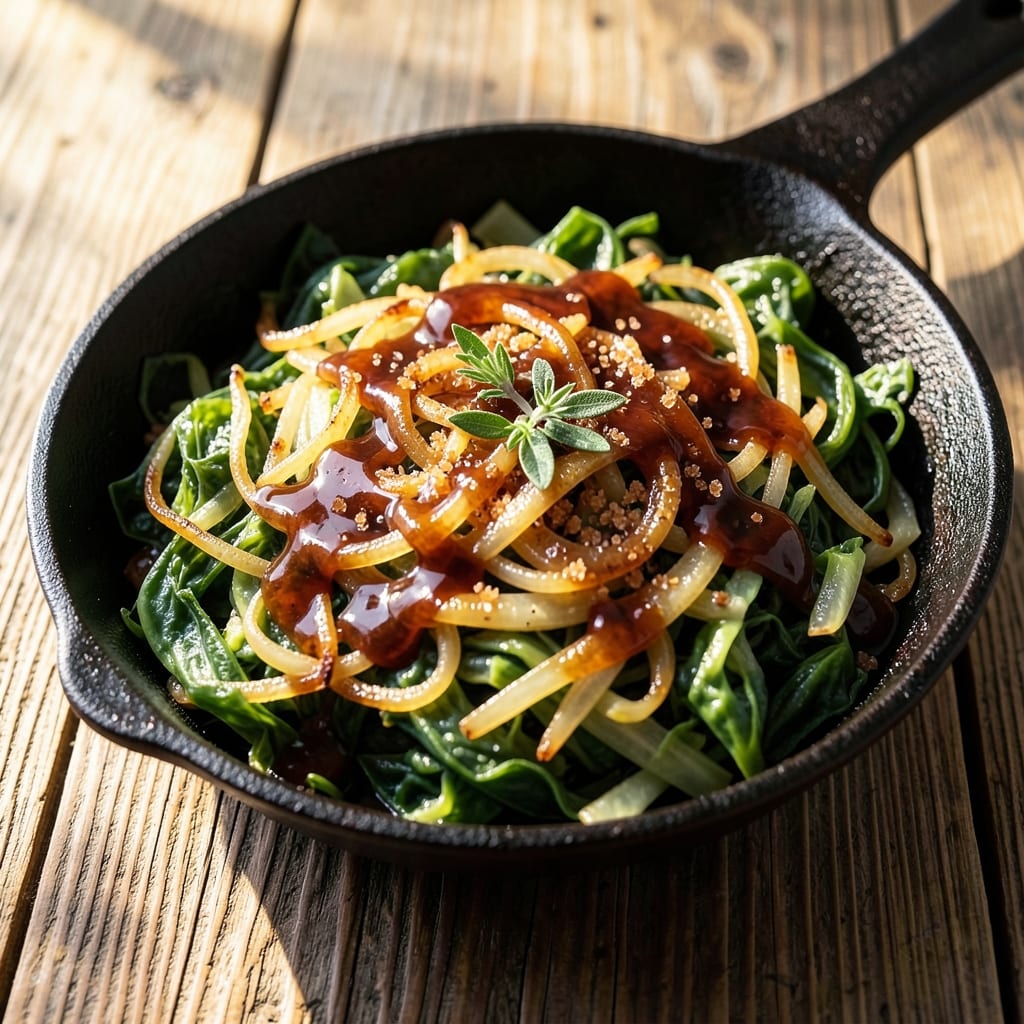
This apple cider sauerkraut recipe transforms tangy fermented cabbage into a sweet-tart masterpiece that balances crisp textures with spiced apple depth. The marriage of probiotic-rich sauerkraut and warm apple cider creates a dish that’s both comforting and vibrant—perfect for autumn tables or weeknight dinners. What makes this recipe special is the caramelized cider reduction, which adds a glossy, aromatic layer that ties every bite together.
The foundation of this dish lies in its simplicity: just sauerkraut, apple cider, onions, and a touch of sweetness to balance the tang. You’ll sauté onions until golden, then simmer the sauerkraut in a rich cider reduction until the flavors meld into a harmonious blend. The result is a dish that’s restaurant-quality but achievable at home, with a texture that’s crispy, tender, and just slightly caramelized.
By the time you serve this dish, you’ll have a plate that’s visually stunning—deep amber from the cider, vibrant green from the sauerkraut, and a glossy sheen that makes it irresistible. The flavors are bold yet balanced: the tang of the sauerkraut cuts through the sweetness of the cider, while the onions add a subtle depth. It’s the kind of dish that pairs beautifully with roasted meats, crispy potatoes, or even as a standalone vegetarian centerpiece.
Whether you’re serving this for a holiday gathering or a cozy family dinner, the apple cider sauerkraut delivers a perfect balance of tradition and innovation. The fermented crunch meets the spiced apple zing, creating a dish that’s as satisfying as it is elegant. Ready to bring this flavorful creation to your table? Let’s get started.
Ingredients for apple cider sauerkraut
Four cups of sauerkraut, two cups of cider, and a handful of autumn spices—simple yet transformative.
| Ingredient | Amount | Notes |
|---|---|---|
| Unpasteurized Sauerkraut 🥬 | 4 cups | With juice, no rinsing |
| Apple Cider 🍎 | 2 cups | Spiced variety preferred |
| Yellow Onions 🧅 | 1 whole | Thinly sliced, about 1.5 cups |
| Brown Sugar 🍯 | 2 tbsp | Light or dark preferred |
| Apple Cider Vinegar 💧 | 1 tbsp | For tangy depth |
| Fresh Thyme Leaves 🌿 | ½ tsp | Or 1/4 tsp dried thyme |
| Fresh Rosemary 🌿 | ¼ tsp | Chopped, for aroma |
| Cinnamon Sticks 🌰 | 2 whole | For simmering infusion |
| Cloves 🌶️ | 2 whole | Lightly crushed |
| Unsalted Butter 🧈 | 2 tbsp | For finishing richness |
| Kosher Salt 🧂 | ½ tsp | Adjust to taste |
| Black Peppercorns 🌶️ | ¼ tsp | Freshly cracked |
| Extra-Virgin Olive Oil 🫒 | 1 tbsp | For sautéing onions |
The sauerkraut should be unpasteurized—that's where the probiotic magic happens. Look for the kind with juice in the refrigerated section, not the shelf-stable jarred stuff. The juice is liquid gold here, so don't drain it. For onions, yellow or red work best—they caramelize more beautifully than white. If you're using store-bought sauerkraut, check the label for added vinegar or sugar; you might want to reduce those later. Trader Joe's and Whole Foods carry excellent brands like Bubbies or Green Chief. The apple cider should be spiced if possible—look for brands like Woodchuck or Angry Orchard that include cinnamon and cloves right in the bottle.
No spiced cider? Add 1/4 tsp cinnamon and a pinch of cloves to regular cider. Fresh thyme and rosemary are ideal, but dried works at half the amount. If you're feeling fancy, toast the spices in the butter for 30 seconds before adding to the sauerkraut—that aroma is next-level. The brown sugar can be swapped for maple syrup if you prefer, but it won't caramelize the same way. For a deeper flavor, simmer the cinnamon sticks and cloves in the cider reduction for 10 minutes before adding the sauerkraut. And if your sauerkraut is particularly salty, rinse it briefly under cold water to balance the flavors.
This keeps beautifully for 5 days in the fridge—the flavors actually deepen overnight. For longer storage, transfer to airtight containers with a thin layer of cider on top to preserve moisture. Freezes for 3 months too, though the texture gets softer. I like to make a double batch—one for immediate serving and one to freeze for lazy winter nights. The leftovers reheat perfectly in a skillet with a splash of cider and a pat of butter. Pair with roasted pork or crispy potatoes for maximum coziness.
Why You'll Love This Recipe
- Five-Ingredient Magic: I swear, this is the kind of recipe where you look at the pantry and think, "I already have all this?" No fancy prep—just dump, simmer, and let the apple cider’s warmth mellow that tangy sauerkraut into something ridiculously good.
- Sweet-Tart Symphony: That first bite? It’s like autumn in a bowl—the brown sugar caramelizes just enough to kiss the sharpness of the vinegar, while the onions add this deep, jammy richness. Honestly, I’ve made it three times this week and still reach for more.
- Weeknight Wonder: Slap this on brats, stir it into mashed potatoes, or serve it alongside roasted chicken. It’s the kind of side that turns a simple meal into something feels special—no fuss, just flavor. (Yes, even on a Tuesday night.)
- Leftovers That Don’t Suck: Unlike most sauerkraut dishes, this actually improves the next day. The flavors meld even more, and it reheats like a dream. I’ve packed it for lunches, tossed it into fried rice, and even used it as a topping for deviled eggs—never boring.
Step-by-step instructions for apple cider sauerkraut
Transform tangy sauerkraut into a sweet-spiced masterpiece with this simple, flavor-packed method.
Sauté Onions Until Translucent and Sweet
Heat the 1 tablespoon extra-virgin olive oil in a large skillet over medium heat. Add the thinly sliced yellow onions and cook for 5-6 minutes, stirring occasionally, until they become soft and translucent at the edges. This slow cooking draws out their natural sweetness—don't rush it, or they'll burn.
I like to press the onions down gently with a wooden spoon during the first 2 minutes to ensure even cooking. You'll know they're ready when they're golden around the edges but still hold their shape. Remove them from the pan and set aside, leaving the rendered oil in the skillet—it's packed with onion flavor.
Simmer Apple Cider and Spices for Depth
Return the skillet to medium heat and add the 2 cups apple cider, 2 whole cinnamon sticks, and 2 lightly crushed cloves. Bring to a gentle simmer and reduce heat to low to maintain a barely bubbling state. Let it cook uncovered for 8-10 minutes until the liquid reduces by about one-third, intensifying the apple flavor.
Here's the thing—this reduction step is where the magic happens. The spices infuse the cider with warm, aromatic notes, while the liquid concentrates into a syrupy base. If you see the mixture getting too thick before 8 minutes, add 1 tablespoon water to keep it moving. Strain out the spices using a fine-mesh sieve and discard them.
Combine and Sweeten the Sauerkraut
In the same skillet, melt the 2 tablespoons unsalted butter over medium-low heat. Add the 4 cups unpasteurized sauerkraut (with juice) and stir to coat evenly. Let it warm through for 2-3 minutes—just until the sauerkraut reaches room temperature and the butter melts completely.
Now, pour in the reduced apple cider mixture, followed by the 2 tablespoons brown sugar, 1 tablespoon apple cider vinegar, 0.5 teaspoon fresh thyme leaves, and 0.25 teaspoon chopped fresh rosemary. Stir gently to combine, letting the flavors meld for 3-4 minutes over low heat. The sauerkraut should be coated in a glossy, spiced apple glaze—this is your visual cue that it's ready.
Season and Finish for Perfect Balance
Taste the mixture and adjust the seasoning with 0.5 teaspoon kosher salt and 0.25 teaspoon freshly cracked black peppercorns. The sauce should be brightly tangy with a hint of sweetness and warm spice notes. If it needs more depth, add another ½ teaspoon brown sugar or ½ teaspoon apple cider vinegar to balance the flavors.
Transfer the apple cider sauerkraut to a serving dish and let it sit at room temperature for 10 minutes before serving. This resting period allows the flavors to fully integrate, resulting in a harmonious blend of fermented crunch, spiced apple richness, and herbal brightness. Serve warm as a side dish or topped on roasted meats for an unexpected twist.
Pro Tips For Making Apple Cider Sauerkraut
- Drain the Kraut First: Unpasteurized sauerkraut holds liquid—skip the step of draining it, and your pan turns into a thin, watery glaze instead of a rich, caramelized sauce. Dump it into a colander, press out the excess brine with a spoon, and you’ll end up with a texture that actually clings to onions and meat. Trust me, your future self will notice the difference.
- Sweat the Onions Low: I used to rush this part, and the onions would either burn or stay raw. Instead, cook them over medium-low heat for 8–10 minutes, stirring occasionally, until they’re translucent and just starting to soften. The slow release of their sugars is what makes this dish taste like fall in a skillet—don’t skip the patience.
- Use Raw Apple Cider Vinegar: Store-bought vinegar is fine, but if you’ve got a bottle of raw, unfiltered apple cider vinegar in your pantry, this is where to use it. The cloudy sediment adds a subtle depth of flavor that cuts through the sweetness of the brown sugar and balances the tang of the kraut. It’s not a dealbreaker, but it’s the thing that makes the dish feel finished.
- Add Sugar Gradually: Brown sugar burns faster than you’d think, especially when it’s caramelizing with onions and kraut. Start with half the amount called for, let it melt into the pan, then taste before adding the rest. You can always add more sugar, but you can’t un-burn it—and burnt sugar turns this dish bitter. (Yes, even if you’re impatient like me.)
Best sauces and condiments for this apple cider sauerkraut
Apple Cider Reduction
This is the star of the dish—a rich, spiced reduction that transforms ordinary sauerkraut into something extraordinary. Start by simmering 2 cups apple cider with 2 cinnamon sticks and 2 crushed cloves until it reduces by one-third (about 8-10 minutes). The spices infuse the cider with warm, aromatic notes, creating a syrupy base that coats the sauerkraut perfectly. For extra depth, strain out the spices and add 2 tbsp brown sugar and 1 tbsp apple cider vinegar to balance the sweet-tart profile. 🍏
Butter-Thyme Finish
Melt 2 tbsp unsalted butter in the same skillet after removing the onions, then fold in the warm sauerkraut. Add ½ tsp fresh thyme and ¼ tsp chopped rosemary for a fragrant herbal note. The butter adds richness while the herbs brighten the dish, creating a perfect harmony of textures and flavors. I always finish with a pinch of freshly cracked black pepper—it adds a subtle kick that elevates everything. 🌿
Sweet-Tart Balance
The magic lies in balancing the tangy sauerkraut with sweet apple cider and a touch of acidity from the vinegar. If your sauerkraut is extra salty, reduce the ½ tsp kosher salt slightly. For a deeper flavor, let the mixture simmer uncovered for an extra 2 minutes to concentrate the sauce. The result? A glossy, vibrant dish with layers of flavor that dance on your palate. 💫
Herb and Spice Infusions
Fresh herbs like thyme and rosemary add brightness, while cinnamon and cloves bring warmth. For a bolder flavor, toast the spices in the butter for 30 seconds before adding them to the sauerkraut. This simple step intensifies their aroma, making the dish taste like it’s been simmering for hours. Pro tip: If you love heat, add a pinch of cayenne pepper at the end—it cuts through the richness beautifully. 🌶️
Caramelized Onion Boost
Don’t skip the onion sautéing step—it’s what gives this dish its depth. Cook the onions until they’re golden and translucent (about 5-6 minutes), then set them aside. The rendered onion oil adds a sweet, savory base that pairs perfectly with the apple cider. For extra flavor, sprinkle the onions with a pinch of salt while they cook—it draws out more moisture and enhances their sweetness. 🧅
Serving Suggestions
This apple cider sauerkraut shines as a side dish for roasted pork, chicken, or even crispy potatoes. For a vegetarian twist, serve it alongside grilled halloumi or seared tofu. The glossy, spiced sauce makes it irresistible as a topping for grilled cheese sandwiches or tartines. Garnish with extra fresh herbs or a drizzle of honey for a touch of elegance. 🍽️
Nutrition facts
Frequently asked questions
Can I use regular cabbage instead of sauerkraut?
Not for this recipe—the fermented tang of sauerkraut is essential for balancing the sweet apple cider. Regular cabbage lacks the probiotic depth and natural acidity that makes this dish special. If you're set on cabbage, try a quick ferment (3-5 days in saltwater brine) to mimic the flavor, but it won't be the same!
How do I adjust this for a vegetarian meal?
This dish is already vegetarian-friendly! Serve it as a standalone side with grilled halloumi or seared tofu for protein. For extra richness, top with toasted walnuts or a drizzle of maple syrup. The spiced apple cider reduction pairs beautifully with plant-based proteins too!
What if my sauerkraut is too salty?
Rinse it briefly under cold water to remove excess salt, but don't overdo it—you want to keep some of that fermented punch! For the recipe, reduce the added 0.5 tsp kosher salt by half. The apple cider's sweetness will naturally balance the saltiness as it cooks.
Can I make this ahead of time?
This dish tastes even better the next day. Store in an airtight container in the fridge for up to 5 days. Reheat gently in a skillet with a splash of apple cider to restore the glossy texture. For longer storage, freeze for 3 months—just thaw overnight in the fridge.
What's the best way to reheat leftovers?
Warm them in a skillet over low heat with 1 tablespoon apple cider and a pat of butter. Stir gently for 3-4 minutes until heated through. Avoid microwaving—it dulls the glossy finish and makes the sauerkraut soggy. The stovetop method keeps all the flavors vibrant!