
Beverages
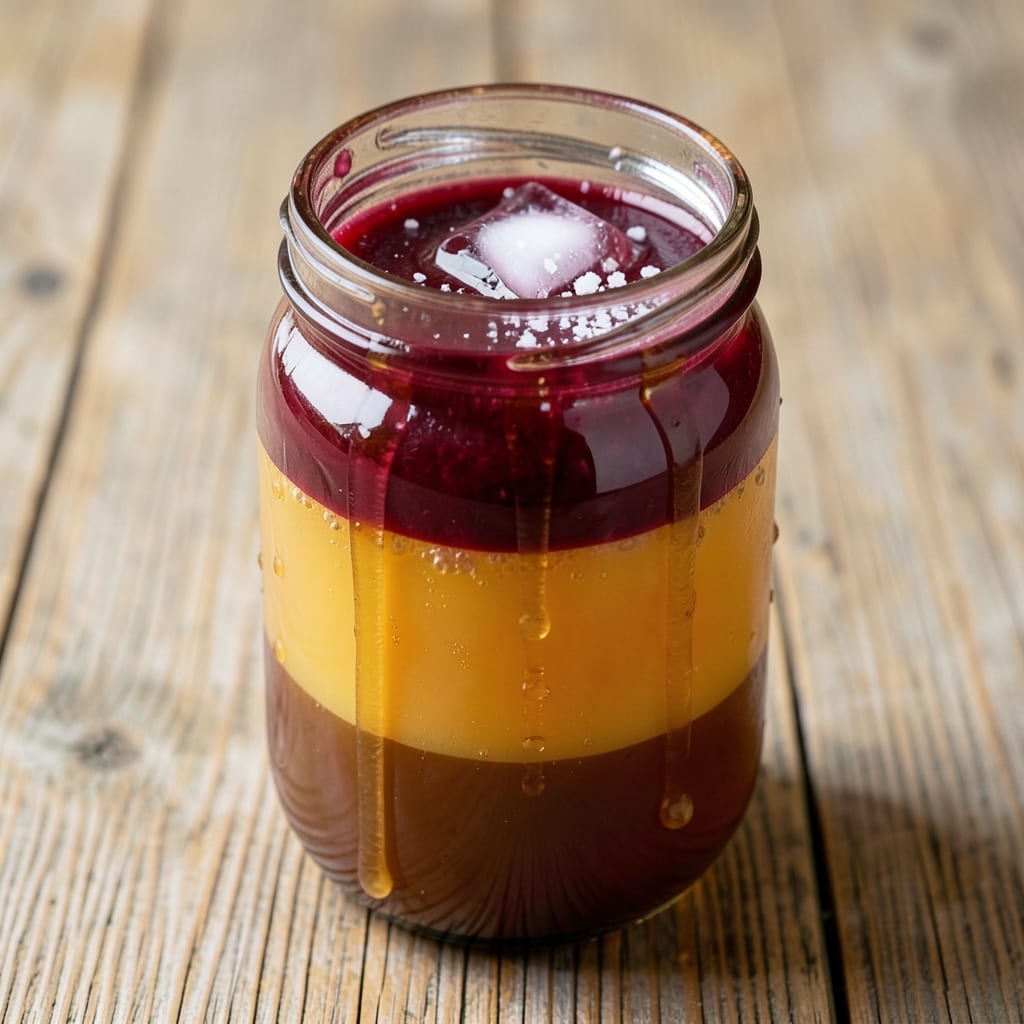
This fermented elixir blends apple cider vinegar, apple juice, and grape juice into a tangy, gut-friendly tonic that’s perfect for dressings, marinades, or refreshing drinks. The combination creates a bright, slightly effervescent flavor with probiotic benefits—ideal for anyone seeking a natural, plant-based condiment with depth and complexity. The fermentation process enhances its tangy notes while preserving the sweetness of the juices, making it versatile for both savory and sweet applications.
The recipe’s simplicity lies in its balanced ingredients: apple cider vinegar adds acidity and probiotics, while apple and grape juices contribute natural sweetness and fruitiness. No added sugars or artificial flavors mean you’re getting a clean, nutrient-dense condiment that’s easy to customize. Whether drizzled over salads, mixed into cocktails, or used as a marinade for meats, this elixir elevates dishes with its vibrant, zesty profile.
What sets this apart is its dual functionality—it works as both a condiment and a health tonic, thanks to the fermentation process that boosts gut-friendly bacteria. Store it in the refrigerator for up to 2 weeks, or extend its shelf life with a splash of alcohol (like vodka) for a non-alcoholic version that lasts longer. The result is a versatile, nutrient-packed liquid that’s as functional as it is delicious.
For best results, use organic juices and unpasteurized apple cider vinegar to maximize flavor and probiotic benefits. Adjust the sweetness by adding a touch of honey or maple syrup if needed, but the natural balance of the ingredients ensures a harmonious taste without overpowering your dishes. Whether you’re a health enthusiast or simply love bold flavors, this recipe delivers a refreshing, functional condiment worth keeping on hand.
Ingredients for apple cider vinegar apple juice grape juice
Three juices, one fermented fizz—this gut-friendly elixir is your new kitchen MVP.
| Ingredient | Amount | Notes |
|---|---|---|
| Unpasteurized Apple Cider Vinegar 🍏 | 1 cup | Raw, unfiltered for probiotics |
| Organic Apple Juice 🍎 | 1 cup | Cold-pressed, no added sugar |
| Organic Grape Juice 🍇 | 1 cup | Concord or red grape preferred |
| Raw Honey 🍯 | 2 tbsp | Optional, for sweetness balance |
| Filtered Water 💧 | 1 cup | Room temperature |
| Sea Salt 🧂 | ¼ tsp | Fine grain, non-iodized |
| Black Tea Bag ☕ | 1 whole | Optional, for fermentation boost |
| Vodka (optional) 🍸 | 2 tbsp | For preservation extension |
The unpasteurized apple cider vinegar is non-negotiable here—it's the probiotic powerhouse. Bragg or Annie's are solid choices, but any raw, unfiltered brand works. Organic apple juice makes all the difference in flavor, so skip the store-brand stuff. Trader Joe's or Whole Foods carry great options. For grape juice, Concord has that deep, fruity punch—Ocean Spray is a reliable brand. The honey? Only if you need it—this blend is naturally balanced, but a touch of raw local honey adds depth. Store your juices in dark glass bottles to preserve freshness, and check labels for added sugars.
No unpasteurized vinegar? Pasteurized ACV with extra probiotic capsules works in a pinch, though flavor won't be as vibrant. Swap grape juice for white grape juice or pomegranate juice if that's what you've got—just adjust sweetness with more honey if needed. The tea bag is optional but adds tannins that help fermentation along. If you're making a big batch, red wine instead of grape juice gives it a sophisticated twist. And that vodka? Only add it if you want to extend shelf life—otherwise, skip it for a purer taste.
Ferment in a glass jar with a loose lid—you want airflow but not fruit flies. Keep it at room temperature for 3-5 days, then refrigerate to slow fermentation. The fizz builds over time, so taste daily after the first 24 hours. For storage, use dark glass bottles to block light—keeps for 2-3 weeks in the fridge. Add vodka? It'll last up to 6 months. I always make a double batch—one for drinking, one for dressings. The flavor only gets better as it ages, so don't rush it.
Why You'll Love This Recipe
- Five-Ingredient Magic: I swear by this combo—just mix, stir, and sip. No fancy tools, no waiting, no stress. The unpasteurized ACV adds depth instantly, while the honey balances the tang like a pro.
- Tangy-Sweet Balance: That first sip? Chef’s kiss. The grape juice brings fruity richness, the apple juice keeps it bright, and the raw honey rounds out the sharpness of the vinegar—like a grown-up fruit punch that actually tastes intentional.
- Weeknight & Weekend: Pour it over ice for a quick brunch refresher or dilute it with sparkling water for a fancy-ish cocktail. (Yes, even on a Tuesday night.) The leftovers? Last me all week in smoothies or salad dressings—zero waste.
- Budget Brightener: Honestly, this costs pennies per serving. A splash of ACV and juice turns basic water into something special, and the honey stretches further than store-bought tonics. My wallet and my taste buds thank me.
Step-by-step instructions for fermented apple-cider elixir
Here's how to craft a probiotic-packed, fizzy elixir that balances gut health with refreshing flavor.
Combine Base Liquids and Sweetener
In a clean, sterilized glass jar with an airtight lid, pour in the 1 cup unpasteurized apple cider vinegar and 1 cup organic apple juice. Stir gently to blend, then add the 1 cup organic grape juice and 2 tablespoons raw honey. Mix thoroughly until the honey dissolves completely—you should see a smooth, golden liquid with no visible granules.
This initial blend creates the foundational flavor profile while the honey begins to integrate with the acidity. The unpasteurized vinegar contributes beneficial probiotics, while the grape juice adds depth. Let the mixture sit at room temperature for 5 minutes to allow the honey to fully incorporate before proceeding.
Season and Prepare for Fermentation
Dissolve the ½ teaspoon sea salt in the 1 cup filtered water by stirring until completely dissolved. Pour this saltwater solution into the jar, then add the whole black tea bag (if using) and the 2 tablespoons vodka (if including). Seal the jar tightly and give it one final gentle shake to ensure all ingredients are well combined.
The tea bag introduces tannins that support fermentation, while the vodka (if used) acts as a natural preservative. The saltwater balance is crucial—it helps regulate fermentation without overpowering the flavors. Let the mixture sit undisturbed at room temperature for 12 hours to allow initial fermentation to begin.
Initiate Fermentation
After the 12-hour rest, remove the tea bag (if used) and give the mixture another gentle stir. Transfer the elixir to a fermentation vessel with an airlock lid or a jar with a loose-fitting lid to allow gas escape. Place it in a dark, warm spot (around 70-75°F) where it can ferment undisturbed for 3-5 days. You'll notice slight fizzing and a subtle increase in bubbles—this is your fermentation indicator.
Check daily for activity. If you see vigorous bubbling or a strong vinegar aroma developing, reduce fermentation time slightly. The goal is a gentle effervescence with a balanced tang. Taste after 3 days—it should be lightly fizzy with a harmonious blend of sweet and tart notes.
Bottle and Condition
Once fermentation reaches your desired level of fizz (typically 3-5 days), transfer the elixir to sterilized swing-top bottles or flip-top bottles. Leave about ½ inch of headspace in each bottle to accommodate carbonation buildup. Seal tightly and store at room temperature for an additional 2-3 days to allow flavors to meld and carbonation to develop fully.
During this conditioning period, the elixir will develop a more complex flavor profile. You'll notice increased effervescence—this is normal. After 2-3 days, refrigerate to slow further fermentation. The chilled version will be ready to drink immediately, while room-temperature bottles will continue developing subtle depth over time.
Serve and Enjoy
Pour the fermented elixir over ice for a refreshing gut-friendly drink. You can dilute it with sparkling water for a lighter version or serve it straight for a more concentrated flavor experience. The finished product should have a pleasant effervescence, a balanced sweet-tart profile, and a subtle herbal note from the tea (if used).
For best results, consume within 2 weeks of bottling. The elixir will continue to develop complexity but may become overly fizzy after this period. Store unopened bottles in a cool, dark place to preserve freshness. Each serving delivers a probiotic boost from the unpasteurized vinegar along with the antioxidant benefits of the fruit juices.
Pro Tips For Making Apple Cider Vinegar Apple Juice Grape Juice
- DILUTE THE VINEGAR FIRST: Mix the unpasteurized apple cider vinegar with filtered water before adding it to the juices—this prevents the sharp acidity from clumping the honey or curdling the grape juice. I learned this the hard way when my first batch turned cloudy and weirdly thick.
- CHILL THE HONEY: Let the raw honey cool slightly before stirring it in—warm honey blends smoother and avoids sudden temperature shocks to the juices. Sounds fussy, but it makes a real difference in texture, especially if you’re using thick, unfiltered honey.
- WEIGH THE GRAPE JUICE: Use a scale to measure grape juice instead of relying on volume cups—its density varies wildly between brands, and you’ll end up with a drink that’s either too sweet or too tart. A quick 10-second step that saves frustration later.
- STIR IN STAGES: Add the apple juice and grape juice in two separate batches, tasting after each—this lets you adjust sweetness and acidity precisely. I used to dump everything in at once and wonder why it never balanced right. Now I tweak as I go.
Regional styles of this dish
New England Apple Cider Twist
In New England, this elixir becomes a seasonal staple by adding ½ cup freshly pressed apple cider (strained) and 1 cinnamon stick during fermentation. The warm spice complements the natural tartness, creating a drink perfect for autumn gatherings. I've made this version with local Vermont cider—the deeper apple notes shine through beautifully. Serve chilled in mugs with a cinnamon stick stirrer for an instant cozy vibe. 🍂
Southern Grape Vinegar Fusion
Down South, swap the grape juice for ½ cup muscadine grape juice (or reduce to ¼ cup) and add 1 tsp blackstrap molasses for a deeper, almost caramelized flavor. The molasses adds a slow-burning sweetness that pairs perfectly with the vinegar's acidity. I like using this version as a BBQ sauce glaze—simmer it with a splash of hot sauce and brush onto ribs or chicken wings. The result? A tangy, slightly smoky profile that cuts through rich meats. 🍗
Pacific Northwest Berry Boost
In the Pacific Northwest, where berries thrive, replace grape juice with ½ cup blackberry or raspberry juice (or blend fresh berries). Add 1 tbsp elderflower syrup for floral complexity. This version works brilliantly as a cocktail mixer—try it in a gin-based drink with tonic water. The berry brightness balances the vinegar's sharpness, creating a refreshing, fruity sip. I've used this in summer sangrias too, swapping vodka for white wine. 🍇
Midwest Heartland Herb Infusion
The Midwest takes this elixir to heart with fresh herbs—add 2 sprigs of rosemary or thyme during fermentation for an earthy depth. The herbs pair wonderfully with the grape juice's richness, making it a fantastic marinade for grilled meats (especially pork chops). I've also seen it used as a vinaigrette base for hearty salads with roasted squash and walnuts. The herb notes add a rustic touch that feels distinctly Midwestern. 🌿
Southwest Spicy Kick
For a Southwest-inspired version, add 1 tsp chipotle powder or ½ tsp cayenne pepper along with the sea salt. The heat balances the sweetness of the grape juice, creating a bold, complex flavor. Use this as a hot sauce substitute—drizzle over tacos, nachos, or even grilled fish. I've also mixed it with lime juice for a spicy-sweet margarita twist. The cayenne adds a slow-building warmth that lingers. 🌶️
Nutrition facts
Frequently asked questions
Can I make this without unpasteurized apple cider vinegar?
Yes, but the probiotic benefits will be reduced. Use pasteurized apple cider vinegar and add 1 probiotic capsule (like Saccharomyces boulardii) to the mixture during fermentation. The flavor won't be as vibrant, but it'll still work for dressings or drinks. For best results, stick with unpasteurized—it's the secret to that tangy, gut-friendly kick!
How long does the fermentation process need to be?
Ferment for 3-5 days at room temperature for optimal flavor and fizz. Taste after 3 days—if it's too tart, refrigerate immediately. Over-fermenting (7+ days) can make it overly acidic. The grape juice helps balance the acidity, but timing is key for that perfect sweet-tart harmony.
What are the best uses for this elixir?
This versatile blend works as a salad dressing (mix with olive oil), a marinade for chicken or pork, or a refreshing gut-friendly drink over ice. Dilute with sparkling water for a fizzy beverage, or drizzle over roasted vegetables. The grape juice adds depth that makes it great for both sweet and savory dishes!
Why does my mixture smell like vinegar after fermentation?
That strong vinegar aroma means fermentation went too far! Reduce fermentation time to 2-3 days next time, or refrigerate earlier. The grape juice should mellow the acidity, but if it's overpowering, balance it with a touch of honey or fruit juice. A splash of sparkling water can also help refresh the flavor.
Can I use this as a substitute for balsamic vinegar?
Its fruity depth makes it a great balsamic alternative for dressings or glazes. However, it's lighter and less reduced than traditional balsamic. Simmer it for 10-15 minutes to concentrate flavors if you want a thicker, more intense reduction. Works beautifully on caprese salads or grilled meats!