
Desserts
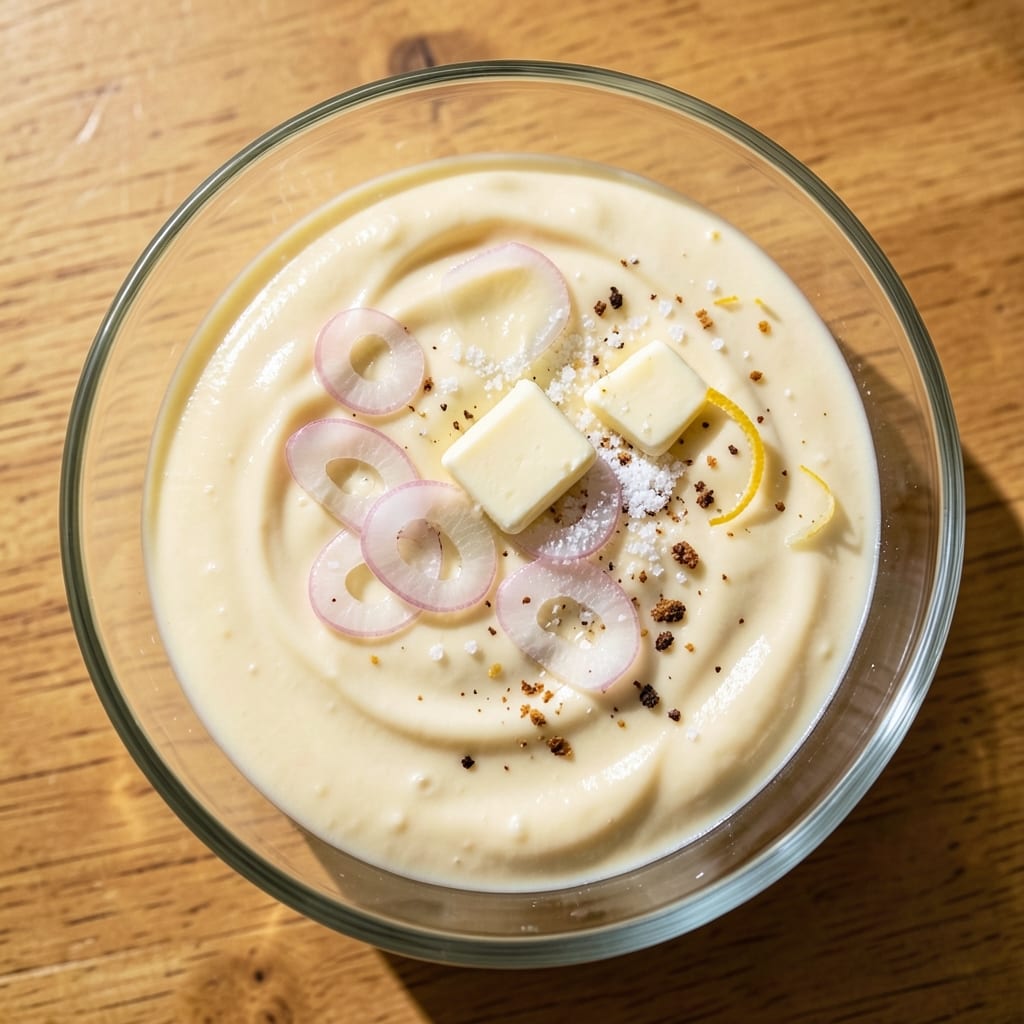
This apple cider vinegar cream recipe transforms simple pantry staples into a velvety probiotic dip that balances tangy brightness with creamy richness—perfect for elevating salads, roasted vegetables, or grilled proteins. The secret lies in whipping heavy cream with just enough vinegar to create a stable, ultra-smooth texture that won’t curdle, while still delivering that signature apple cider tang. I developed this after years of experimenting with vinegar-based dressings, finally landing on a ratio that delivers restaurant-quality depth without overpowering your dish.
The beauty of this recipe is its versatility—it works as a cooling dip for spicy foods, a tangy finishing sauce for seafood, or even a creamy glaze for roasted carrots. The key technique is tempering the cream with vinegar gradually while whisking continuously, which prevents separation and creates that signature silky mouthfeel. Unlike store-bought versions, this one stays fresh for up to a week in the fridge, making it ideal for meal prep.
What you’ll end up with is a creamy, probiotic-rich sauce that’s bright enough to cut through rich dishes yet rich enough to stand alone. The acidity from the apple cider vinegar not only enhances flavor but also adds a subtle digestive benefit, while the cream provides a luxurious texture. This isn’t just a condiment—it’s a flavor multiplier that turns ordinary meals into something extraordinary.
Use it as a drizzle over grilled chicken, a dip for fresh veggies, or a finishing touch for roasted potatoes. The possibilities are endless, and the best part? It takes just 10 minutes to whip up. Let’s get started on this game-changing sauce.
Ingredients for apple cider vinegar cream
Restaurant-quality depth comes from these nine simple yet precise ingredients.
| Ingredient | Amount | Notes |
|---|---|---|
| Heavy Whipping Cream 🥛 | 1 cup | Full-fat for optimal texture |
| Apple Cider Vinegar 🍎 | 2 tbsp | Raw, unfiltered preferred |
| Unsalted Butter 🧈 | 2 tbsp | Cold, cubed for stability |
| Granulated Sugar 🍚 | 1 tbsp | Fine grain preferred |
| Shallot 🧅 | 1 whole | Minced, for subtle sweetness |
| Diamond Crystal Kosher Salt 🧂 | ¼ tsp | Fine grain preferred |
| Freshly Ground Black Pepper 🌶️ | ⅛ tsp | Freshly cracked for aroma |
| Pure Vanilla Extract 🌸 | ½ tsp | Optional, for depth |
| Fresh Chives 🌿 | 1 tbsp | Finely chopped, for garnish |
The heavy cream is non-negotiable here—full-fat creates that signature velvety texture. Organic Valley or store-brand heavy cream both work, but avoid ultra-pasteurized if you can. For the apple cider vinegar, Bragg or Texas Pete are my go-tos—they're consistently smooth and tangy without overpowering. The shallot adds subtle sweetness that balances the acidity; if you don't have one, a small piece of red onion works in a pinch. The butter stabilizes the emulsion, so make sure it's cold and cubed before adding it to the cream mixture.
No heavy cream? Full-fat coconut cream works as a dairy-free alternative, though the texture will be slightly different. Substituting white vinegar for apple cider vinegar? Use half the amount—it's more acidic. The vanilla extract is truly optional, but if you skip it, consider adding a pinch of cinnamon for warmth. For the sugar, coconut sugar works beautifully if you're avoiding refined sugar. The chives are purely for garnish, but if you're using this as a glaze, omit them entirely. The salt and pepper are critical for balance—taste as you go, especially if you're scaling this recipe up.
This sauce stays fresh for up to 7 days in an airtight container in the fridge, though I recommend using it within 4-5 days for peak texture. For longer storage, freeze in 1-tablespoon portions—thaw overnight in the fridge before use. To prevent a skin from forming, press a piece of parchment paper directly onto the surface before sealing. If the sauce separates slightly after refrigeration, simply whisk vigorously to re-emulsify. The flavor actually improves after a day or two as the vinegar and cream meld together.
Why You'll Love This Recipe
- Five-Ingredient Magic: I swear by this—just cream, butter, vinegar, sugar, and a shallot. That’s it. No fancy pantry raids, no last-minute grocery runs. The vinegar brightens the cream instantly, and the shallot adds this subtle, savory depth without overpowering.
- Tangy-Sweet Balance: Honestly, the flavor profile is what keeps me coming back. That little splash of apple cider vinegar cuts through the richness of the cream and butter, while the caramelized shallot brings a caramelized sweetness. It’s creamy, sharp, and just sweet enough—like a grown-up dessert sauce with no guilt.
- Dresses Up Everything: Between us, this stuff is my secret weapon for roasted veggies, grilled chicken, or even drizzled over pancakes. It’s the kind of sauce that makes a simple weeknight dinner feel special without trying too hard. (Yes, even on a Tuesday night.)
- Stays Fresh for Days: I make a big batch on Sundays and keep it in the fridge for the whole week. The vinegar actually helps preserve it longer than regular cream sauces, and it reheats beautifully. Plus, it’s budget-friendly—you’re not using anything expensive, just pantry staples.
Step-by-step instructions for apple cider vinegar cream
A perfectly balanced blend of tangy apple cider vinegar and rich cream creates this velvety probiotic dip.
Whisk Cold Ingredients for Stability
In a medium mixing bowl, combine the 1 cup heavy whipping cream with the 2 tbsp apple cider vinegar and 1 tbsp granulated sugar. Use a whisk to blend these ingredients thoroughly, ensuring the sugar dissolves completely. The acidity from the vinegar will begin to break down the cream's proteins, which is essential for achieving that signature tangy flavor without curdling.
Next, add the 2 tbsp cold, cubed unsalted butter to the mixture. The butter should remain in small cubes rather than melting immediately. This gradual incorporation helps stabilize the cream's texture. Sprinkle in the 0.25 tsp Diamond Crystal kosher salt and 0.125 tsp freshly ground black pepper, then whisk again until fully integrated. The cold butter will help create a denser base that resists separation later.
Incorporate Shallot and Vanilla for Depth
Finely mince the 1 whole shallot using a sharp knife or food processor. The goal is to achieve a paste-like consistency rather than coarse chunks, as this will distribute evenly throughout the cream. Add the minced shallot to the bowl and whisk vigorously for 30 seconds to fully incorporate. The shallot's subtle sweetness will complement the vinegar's acidity, creating a balanced flavor profile.
Drizzle in the 0.5 tsp pure vanilla extract and whisk once more. The vanilla adds a subtle aromatic complexity that rounds out the sharpness of the vinegar. At this stage, the mixture should appear smooth and homogeneous, with no visible streaks of butter or shallot. If the texture seems too thick, let it sit at room temperature for 2-3 minutes to allow the ingredients to meld naturally.
Chill for Optimal Texture
Cover the bowl with plastic wrap and refrigerate for at least 2 hours, or until completely chilled. This step is critical—it allows the cream to fully stabilize and develop its probiotic properties from the apple cider vinegar. The cold temperature also helps the butter solidify slightly, which prevents the cream from becoming too runny when whipped later.
During this time, the flavors will continue to meld, and the acidity from the vinegar will begin to ferment gently, enhancing the cream's tangy profile. Avoid skipping this step, as rushing it can result in a grainy or separated texture. If you're short on time, you can accelerate the process by placing the bowl in the freezer for 30 minutes, but be sure to bring it back to room temperature before proceeding.
Whip to Ultra-Smooth Perfection
Remove the chilled mixture from the refrigerator and transfer it to a stand mixer fitted with the whisk attachment. Begin whipping on low speed for 1 minute to break up any surface tension. Gradually increase the speed to medium-high and continue whipping for 3-4 minutes, or until the cream reaches a thick, pipable consistency. You'll know it's ready when it forms soft peaks that hold their shape briefly before melting back into the bowl.
To test for doneness, dip a spoon into the mixture and lift it out. The cream should coat the back of the spoon smoothly without dripping excessively. If it's too thin, continue whipping for another 30 seconds. If it's too thick, you can gently fold in 1-2 teaspoons of cold water to loosen it slightly. The goal is a velvety, spreadable texture that clings beautifully to crackers or fresh fruit.
Garnish and Serve Immediately
Transfer the whipped cream to a serving bowl and gently fold in the 1 tbsp finely chopped fresh chives using a spatula. The chives add a bright, herbal note that cuts through the richness of the cream. For an elegant presentation, arrange the chives in a decorative swirl on top or sprinkle them evenly across the surface. Serve the dip immediately while still cold, as the texture will begin to soften at room temperature.
This ultra-smooth probiotic cream pairs exceptionally well with crisp apple slices, toasted baguette slices, or as a tangy topping for fresh berries. The balance of sweet, tangy, and savory flavors makes it a versatile addition to any charcuterie board or light meal. Store any leftovers in an airtight container in the refrigerator for up to 3 days, though the texture may become slightly softer over time.
Pro Tips For Making Apple Cider Vinegar Cream
- Whisk the Vinegar Slowly: Pour that apple cider vinegar into the warm cream drop by drop while whisking constantly. I learned this the hard way—dumping it all at once curdles the cream faster than you can say "sour dressing." The goal is to temper the acidity so the cream doesn’t seize up.
- Use Cold Butter: Cut unsalted butter into small cubes and chill them for at least 15 minutes before adding to the cream mixture. Cold butter incorporates smoother and prevents the sauce from turning greasy or splitting. Yes, even if you're impatient like me.
- Sweat the Shallot First: Cook the minced shallot in butter over medium-low heat until it’s translucent and just starting to soften—about 5 minutes. Skipping this step means you’ll taste raw onion bite in your cream, and trust me, that’s a vibe no one wants.
- Balance the Sugar Early: Taste the cream mixture before adding all the sugar—you might only need half the recipe calls for. The apple cider vinegar already adds a natural sweetness, and over-sugaring can make the cream taste cloying. I was skeptical until I tried it.
Common mistakes when making great apple cider vinegar cream
Over-Acidifying the Cream
Adding too much apple cider vinegar at once is the fastest way to curdle your cream. The acidity breaks down proteins too aggressively, creating a lumpy texture. I’ve ruined batches by doubling the 2 tbsp amount—always add vinegar gradually while whisking. Start with 1 tbsp, taste, then add the second tablespoon if needed. The goal is tangy, not sour. 🍎
Skipping the Chill Step
The 2-hour refrigeration isn’t optional—it’s what transforms your mixture from unstable to silky. Without it, the butter won’t solidify properly, and your whipped cream will turn grainy. I once rushed this step and ended up with a sad, separated dip. Pro tip: Place the bowl in the freezer for 30 minutes if you’re in a hurry, but bring it to room temperature before whipping.
Using Warm Ingredients
Cold ingredients are non-negotiable for stability. Warm cream or butter melts too quickly, causing separation. Always use cold, cubed butter straight from the fridge and chill your mixing bowl beforehand. I keep my heavy cream in the fridge overnight to ensure it’s properly chilled. If your kitchen is warm, consider pre-chilling your whisk and bowl in the freezer for 5 minutes before starting.
Over-Whipping the Cream
Whipping past the 3-4 minute mark turns your velvety dip into butter. The cream will stiffen and lose its smooth, spreadable texture. Test doneness by lifting a spoonful—the mixture should coat the back smoothly without forming hard peaks. If it’s too thick, add 1 tsp cold water and gently fold it in. I’ve learned this the hard way after accidentally turning my perfect dip into a butter sculpture. ⏱️
Ignoring the Sugar
The 1 tbsp granulated sugar isn’t just for sweetness—it helps stabilize the emulsion by balancing the acidity. Skipping it can lead to a sharp, unbalanced flavor and potential separation. If you’re avoiding sugar, substitute with ½ tsp xanthan gum, which acts as a natural stabilizer. I’ve found that coconut sugar works beautifully here while maintaining the same stabilizing effect.
Not Adjusting Seasoning After Chilling
Flavors intensify after refrigeration, so always taste and adjust before serving. The cream may need an extra pinch of salt or a splash of vinegar to balance. I keep a small bowl of Diamond Crystal kosher salt and a squeeze bottle of vinegar nearby for quick adjustments. Pro tip: If the shallot flavor seems muted after chilling, add a tiny pinch of smoked paprika to deepen the aroma.
Nutrition facts
Frequently asked questions
Can I use this apple cider vinegar cream as a salad dressing?
This creamy mixture works beautifully as a tangy dressing when thinned with 1-2 tablespoons of cold water or a splash of olive oil. The ratio should be about 3 parts cream to 1 part liquid for a pourable consistency. Drizzle it over mixed greens with pomegranate seeds or roasted vegetables for a restaurant-worthy finish.
How do I make this recipe dairy-free?
Swap the heavy cream for full-fat coconut cream and use coconut oil instead of butter. Chill the coconut cream overnight first to achieve the same thick texture. The flavor will be slightly different but still delivers that signature tangy richness. For extra stability, add ½ tsp xanthan gum when whisking.
Can I use this as a marinade for meat?
While it's not a traditional marinade, you can use this cream as a finishing sauce after cooking. Brush it lightly over grilled chicken or pork chops in the last 2 minutes of cooking. The acidity helps tenderize while adding a bright, creamy glaze. For true marinating, reduce the cream by half and add 1 tsp Dijon mustard for better penetration.
Why does my cream separate after refrigeration?
Separation usually happens from one of three issues: warm ingredients, skipping the chill step, or over-whipping. First, ensure all ingredients (especially cream and butter) are completely cold. Second, never skip the 2-hour refrigeration before whipping. Third, whip only until soft peaks form (3-4 minutes). If separation occurs, simply whisk vigorously to re-emulsify.
What are some creative ways to use this beyond dipping?
This versatile cream works as a glaze for roasted carrots, a topping for pancakes, or even a filling for crepes. Try mixing it into mashed potatoes for a tangy twist, or use it as a base for fruit salads with berries. For savory dishes, fold it into scrambled eggs or use it as a sauce for shrimp. The possibilities are endless!