
Beverages
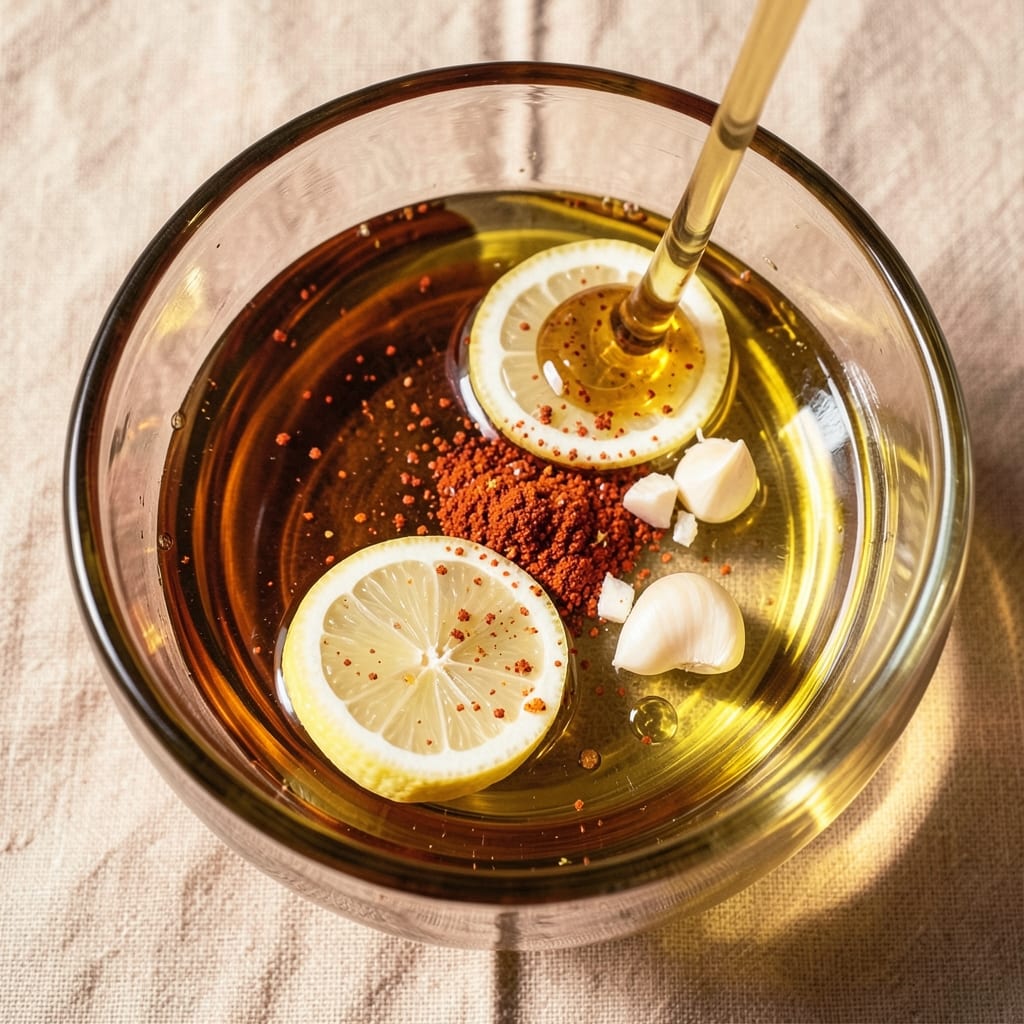
This apple cider vinegar lemon juice cayenne pepper recipe transforms simple pantry staples into a bold, tangy dressing that elevates salads, marinades, and roasted vegetables with just three ingredients. The sharp brightness of lemon juice cuts through the vinegar’s acidity, while cayenne pepper adds a controlled heat that lingers without overpowering. I developed this blend after craving a dressing with depth—something that could stand up to hearty greens while still feeling light enough for summer meals.
The magic happens in the balance: 1 part apple cider vinegar (for tangy richness), 1 part fresh lemon juice (for zesty freshness), and ½ teaspoon cayenne pepper (for heat that builds gradually). Simmering the mixture briefly intensifies the flavors, creating a versatile sauce that works as a salad dressing, a marinade for grilled chicken, or even a finishing drizzle for roasted potatoes. The cayenne’s heat mellows slightly as it cooks, making it safer for sensitive palates while still delivering a satisfying kick.
What makes this recipe stand out is its customizable heat—adjust the cayenne to taste, or swap in honey for a touch of sweetness if you prefer. The dressing keeps well in the fridge for up to 2 weeks, making it a go-to for meal prep. Whether you’re dressing a crisp winter salad or adding zing to a summer dish, this blend delivers restaurant-quality flavor with minimal effort.
Pair it with mixed greens, grilled shrimp, or even popcorn for a savory-sweet twist. The possibilities are endless, but the preparation couldn’t be simpler. Let’s get started!
Ingredients for apple cider vinegar lemon juice cayenne pepper
Three core ingredients with optional enhancements create this restaurant-quality dressing.
| Ingredient | Amount | Notes |
|---|---|---|
| Apple Cider Vinegar 🍏 | ½ cup | Raw, unfiltered preferred for depth |
| Fresh Lemon Juice 🍋 | ½ cup | Strained for clarity |
| Cayenne Pepper 🌶️ | ½ tsp | Adjust for desired heat level |
| Extra-Virgin Olive Oil 🫒 | ¼ cup | Light, fruity variety preferred |
| Garlic Cloves 🧄 | 2 cloves | Minced for subtle aroma |
| Honey 🍯 | 1 tbsp | Optional for sweetness balance |
| Sea Salt 🧂 | ¼ tsp | Diamond Crystal preferred |
The foundation lies in raw, unfiltered apple cider vinegar—it contains the mother, which adds complexity. Bragg or Maverick brands deliver consistent quality, but any organic variety works. Fresh lemon juice should be strained through a fine-mesh sieve to remove pulp, ensuring a silky texture. For the cayenne, Penzeys offers premium ground pepper, though any high-quality brand suffices. The garlic cloves should be peeled and minced immediately before combining to preserve their freshness. Extra-virgin olive oil should have a light, fruity profile—avoid heavy, bitter varieties that can overpower the dressing's brightness.
No honey? Maple syrup or agave nectar work equally well for sweetness, though honey adds subtle floral notes. Short on garlic? Garlic powder at half the amount suffices, though fresh is ideal. The dressing's heat can be adjusted by reducing cayenne to ¼ teaspoon for mild heat or increasing to 1 teaspoon for intense spice. For a smoky twist, add ½ teaspoon smoked paprika. The olive oil can be omitted entirely if you prefer a tangier dressing, though it adds richness and helps emulsify the mixture. All ingredients should be room temperature before combining for optimal flavor integration.
This dressing maintains peak freshness for 2 weeks when stored in an airtight glass jar in the refrigerator. For longer storage, transfer to a sterilized, sealed container and freeze for up to 3 months. The flavors actually deepen slightly over time, making it perfect for meal prep. Shake vigorously before each use, as the ingredients naturally separate. For best results, use within 1 week of opening if stored at room temperature—though the vinegar's acidity helps preserve it longer than typical dressings. The dressing pairs exceptionally well with warm roasted vegetables or grilled proteins, where its heat can be balanced by creamy elements like avocado or goat cheese.
Why You'll Love This Recipe
- Pantry Magic: I swear by this combo—no shopping lists, no special trips. Just grab what’s already there: that bottle of apple cider vinegar gathering dust, a lemon from the fridge, and a tiny jar of cayenne. Honestly, it’s the kind of recipe that makes me feel like a genius for remembering to check my spice rack.
- Tangy Kick: The lemon juice cuts through everything like a bright summer breeze, while the cayenne adds just enough heat to wake up your taste buds. Between us, that first drop of olive oil after mixing it all feels like a hug for my flavor receptors—rich, sharp, and impossible to resist.
- Dress-Up Anything: This is my go-to for roasted veggies, grilled chicken, or even a quick salad toss. I’ll be real: it’s saved me from bland meals more times than I can count. The garlic cloves? They’re optional, but I crush them in like they’re my secret weapon—especially when I’m prepping meals for the week.
- Zero-Waste Winner: A little goes a long way, so I make a big batch and keep it in the fridge for weeks. No spoilage, no waste—just pure, budget-friendly flavor. Plus, it’s the kind of thing that turns into a family favorite because even my picky eater asks for seconds when I drizzle it on their fries. (Yes, even on a Tuesday night.)
Step-by-step instructions for zesty fire-boosting dressing
This vibrant dressing combines sharp acidity, smoky heat, and delicate sweetness for a perfect salad companion.
Combine Acidic Base Ingredients
In a medium glass bowl, measure out the 0.5 cup apple cider vinegar and 0.5 cup fresh lemon juice. I prefer using a glass container because it allows me to observe the color transformation as ingredients blend—it should turn a bright, golden hue. Add the 0.5 teaspoon cayenne pepper and 0.25 teaspoon sea salt, then whisk vigorously for 30 seconds until fully dissolved. The cayenne will dissolve more completely if you use a fine-mesh strainer first, but whisking ensures even distribution throughout the dressing.
This initial mixture creates the dressing's foundational acidity and heat profile. The apple cider vinegar provides depth, while the lemon juice adds brightness. The cayenne introduces subtle heat that will mellow slightly when combined with the other ingredients. Taste after whisking—you should notice an immediate tangy kick with a hint of warmth. If the heat feels too intense, reduce the cayenne slightly in future batches.
Incorporate Sweetness and Aromatics
Add the 1 tablespoon honey and 2 minced garlic cloves to the bowl. Whisk continuously for 1 minute until the honey is completely dissolved and the garlic is evenly distributed. The honey should create a silky texture while balancing the acidity. I like to use a small whisk for this step to ensure the garlic doesn't get pulverized—you want visible specks for texture contrast.
Here's where the flavor profile really comes together. The honey softens the acidity while the garlic adds a subtle savory depth. If you're using raw garlic, let it sit for 5 minutes before adding to mellow its intensity. The mixture should now have a balanced sweet-spicy-tangy character. Give it another taste—you'll notice the heat has mellowed slightly while the sweetness rounds out the flavor.
Emulsify with Olive Oil
With the bowl still containing the acidic mixture, slowly drizzle in the 0.25 cup extra-virgin olive oil while whisking continuously. Start with a slow drizzle, then gradually increase speed as the oil incorporates. You're aiming for a smooth, creamy emulsion—not a separated vinaigrette. This step requires patience; if you add the oil too quickly, you'll end up with a broken dressing.
The olive oil should create a glossy sheen and thicken the dressing slightly. The final texture should be like heavy cream—thick enough to coat a spoon but still pourable. If the dressing separates, simply whisk vigorously for another 30 seconds to re-emulsify. The olive oil carries the dressing's richness, so I prefer a light, fruity variety that won't overpower the bright flavors. Taste again—now you should experience all components working together: the heat from cayenne, the sweetness from honey, and the umami from garlic.
Rest and Adjust Seasoning
Cover the bowl with plastic wrap and let the dressing rest at room temperature for 10 minutes. This resting period allows all the flavors to meld completely. After resting, give it one final taste and adjust the seasoning if needed. If it needs more acidity, add 1 teaspoon lemon juice or apple cider vinegar. For more heat, add an additional pinch of cayenne pepper. If it needs sweetness, add ½ teaspoon honey.
The dressing should now have a complex balance of flavors with a velvety texture. It's ready to use immediately, but I find it develops even better flavor if refrigerated for up to 2 weeks. The heat from the cayenne will mellow slightly over time, making it even more approachable. This dressing works beautifully on mixed greens, grain salads, or even as a marinade for grilled vegetables—its versatility comes from this perfect balance of flavors.
Pro Tips For Making Apple Cider Vinegar Lemon Juice Cayenne Pepper
- STRAIN THE GARLIC: Mince those cloves finely—not just chopped, but almost paste-like—so they dissolve into the dressing instead of sitting like gritty afterthoughts. I used to skip this, and the texture always felt off afterward. A microplane or garlic press works best, but if you’re mincing by hand, go slow and don’t rush.
- DILUTE THE CAYENNE FIRST: Mix the cayenne pepper into the olive oil before adding vinegar or lemon juice—it’ll emulsify smoother and won’t clump like a spicy landmine. I learned this after burning my tongue twice trying to "fix" a lumpy dressing mid-drizzle. A pinch is enough; trust your heat tolerance.
- USE COLD VINEGAR: Chill the apple cider vinegar in the fridge for 10 minutes before mixing—it tempers the acidity and keeps the dressing from tasting harsh or metallic. I was skeptical until I tried it; now I swear by it, especially in summer when the vinegar’s warmth makes the lemon juice taste sharper than intended.
- SHAKES, NOT STIRS: Whisk the dressing vigorously for 30 seconds after combining all ingredients—it forces the oil and acid to marry properly. I used to stir lazily, and the separation was always a fight. A small jar with a tight lid? Shake it like you’re mad at it. The effort pays off.
Creative variations of this dish
Sweet & Spicy Twist
For a sweet-spicy variation, add 1 tablespoon honey and ½ teaspoon smoked paprika to the base recipe. The honey balances the cayenne’s heat while the paprika adds a smoky depth. I like to use local wildflower honey for floral notes that complement the dressing’s tang. This version works amazingly as a glaze for grilled chicken or a drizzle over roasted Brussels sprouts. 🌶️
Herb-Infused Version
Boost the dressing with 1 tablespoon finely chopped fresh herbs like basil, dill, or parsley. These herbs add brightness and freshness that cut through the heat. I recommend flat-leaf parsley for its clean, slightly peppery flavor. For a Mediterranean twist, add ½ teaspoon dried oregano along with the herbs. This variation pairs perfectly with summer salads or as a marinade for shrimp skewers.
Creamy Cayenne Dressing
Transform the dressing into a creamy dip by whisking in ¼ cup plain Greek yogurt or sour cream after the olive oil step. The dairy softens the heat while adding a luxurious texture. I use full-fat Greek yogurt for maximum creaminess. This version is ideal for vegetable platters, crudité, or as a dipping sauce for fried chicken. Store in an airtight container for up to 1 week in the fridge.
Smoky Chipotle Swap
Replace the cayenne with ½ teaspoon chipotle powder (or 1 chipotle pepper in adobo sauce, finely chopped) for a smoky, deep heat. The chipotle adds complexity that pairs beautifully with barbecued meats or grilled corn. For extra richness, stir in 1 teaspoon tahini at the end. This variation is perfect for smoky BBQ sides or as a marinade for pork tenderloin.
Citrusy Heat Boost
Amplify the citrus notes by adding 1 tablespoon freshly squeezed grapefruit juice and zest of 1 lime. The grapefruit adds a bitter-sweet contrast that enhances the cayenne’s heat. I like to use Ruby Red grapefruit for its juicy, slightly tart flavor. This version shines on avocado salads or as a finishing sauce for ceviche. The grapefruit juice also helps balance the acidity, creating a more nuanced flavor profile. 🍊
Spiced Honey Variation
Infuse the honey with spices before adding it to the dressing. Warm 1 tablespoon honey with ¼ teaspoon ground cinnamon and a pinch of cloves in a small saucepan for 2 minutes. Let it cool, then whisk into the dressing. This spiced honey adds warmth that complements the cayenne beautifully. This variation is perfect for fall harvest dishes or as a glaze for roasted sweet potatoes. The spices mellow out the heat while adding a cozy, aromatic depth. ✨
Nutrition facts
Frequently asked questions
Can I use white vinegar instead of apple cider vinegar?
You can substitute white vinegar, but you'll lose some depth in flavor. Apple cider vinegar's slight sweetness and fruity notes create complexity that white vinegar lacks. If you must use white vinegar, add ½ teaspoon maple syrup to compensate for the missing sweetness. The heat from cayenne will still shine through, but the overall dressing will taste sharper and less nuanced.
How do I make this dressing less spicy?
Reduce the cayenne pepper to ¼ teaspoon for mild heat or omit it entirely for a completely non-spicy version. If you've already made the dressing, stir in 1 tablespoon honey or 1 teaspoon sugar to help balance the heat. For a creamy option, whisk in 2 tablespoons plain yogurt to soften the spice. The acidity from the vinegar and lemon will still provide tang without the burn.
What are the best ways to use this dressing beyond salads?
This versatile dressing works as a marinade for grilled chicken or shrimp, a dip for vegetable sticks or fries, or a finishing sauce for roasted potatoes or Brussels sprouts. Try drizzling it over tacos or using it as a base for a spicy aioli by whisking in ¼ cup mayonnaise. The balance of acidity and heat makes it perfect for cutting through rich, fatty foods.
Will this dressing thicken over time?
Yes, the dressing may thicken slightly when refrigerated, especially if you use olive oil. Before serving, whisk vigorously or gently warm it for 10-15 seconds in the microwave to restore its pourable consistency. If it separates completely, simply whisk it back together. The texture should return to a smooth, creamy state. For a thicker dressing from the start, reduce the olive oil by 2 tablespoons.
Can I make this dressing without olive oil?
For a lighter, tangier version, omit the olive oil entirely or replace it with 2 tablespoons water or avocado oil (which has a higher smoke point). The dressing will be thinner but still packed with flavor. If you skip the oil, the acidity will be more pronounced, making it ideal for drizzling over sushi rolls or raw vegetable platters. The cayenne's heat will still stand out beautifully.