
Beverages
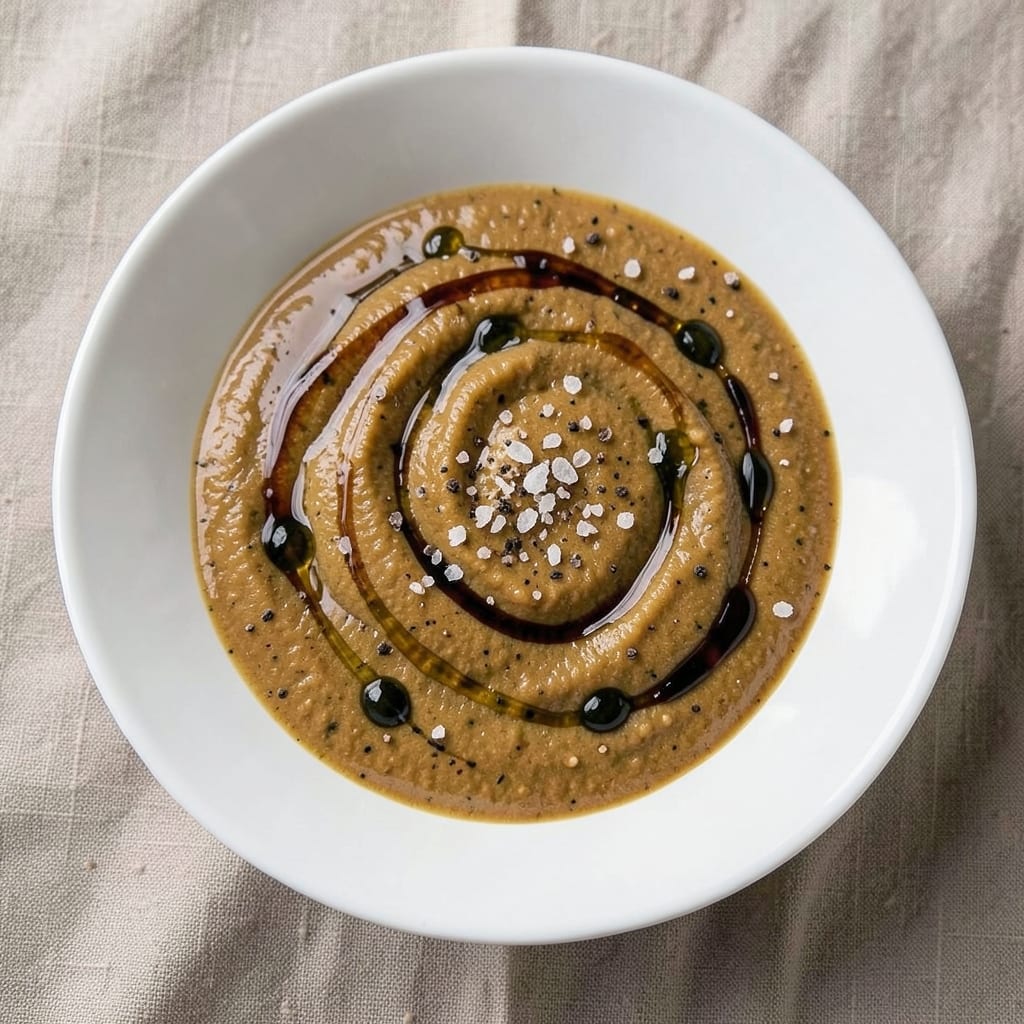
This apple cider vinegar mustard recipe transforms simple pantry staples into a versatile condiment with a perfect balance of tangy, sweet, and sharp flavors—ideal for elevating salads, sandwiches, and marinades. The secret lies in the ratio of vinegar to mustard, where apple cider vinegar adds depth while Dijon mustard provides a smooth, slightly spicy base. I developed this recipe after craving a dressing that cut through rich ingredients without overpowering them, and it’s become a staple in my kitchen for its adaptability and bold flavor profile.
The process is straightforward and requires just five core ingredients, all of which you likely already have on hand. A touch of honey or maple syrup balances the acidity, while a pinch of salt and black pepper rounds out the flavor. Unlike store-bought versions, this homemade mustard stays fresh for weeks in the refrigerator, allowing you to adjust the sweetness or spice to your preference. The tangy kick makes it perfect for everything from Caesar salads to grilled chicken marinades, and the texture remains smooth and spreadable.
What sets this recipe apart is its versatility—use it as a bold salad dressing, a tangy sandwich spread, or even a marinade for meats. The apple cider vinegar adds a subtle fruitiness that pairs beautifully with savory dishes, while the mustard ensures a consistent, rich flavor. Unlike commercial blends, this version avoids artificial additives, giving you full control over the taste. Once you try it, you’ll never reach for store-bought again.
Storage is simple: transfer the mustard to an airtight container and keep it refrigerated for up to four weeks. If it thickens over time, a quick stir with a splash of water or vinegar restores its smooth consistency. Whether you’re prepping for a week of meals or experimenting with new flavor combinations, this apple cider vinegar mustard delivers restaurant-quality results with minimal effort.
Ingredients for apple cider vinegar mustard
Five simple ingredients create this tangy, versatile mustard with restaurant-quality depth.
| Ingredient | Amount | Notes |
|---|---|---|
| Apple Cider Vinegar 🍎 | ½ cup | Raw, unfiltered preferred |
| Dijon Mustard 🌶️ | ½ cup | High-quality, smooth variety |
| Pure Maple Syrup 🍁 | 2 tbsp | Grade B for deeper flavor |
| Kosher Salt 🧂 | 1 tsp | Fine grain preferred |
| Freshly Ground Black Pepper 🌶️ | ½ tsp | Cracked peppercorns preferred |
| Extra-Virgin Olive Oil 🫒 | 1 tbsp | For smooth texture |
The apple cider vinegar makes all the difference here—raw, unfiltered brands like Bragg or Whole Foods 365 have the best complexity. If you can only find distilled, don’t sweat it, but you’ll miss that subtle apple flavor. The Dijon mustard should be smooth (no grainy bits)—Maille is the gold standard, but Whole Foods or Trader Joe's carry solid budget options. For the maple syrup, Grade B (the darker, molasses-like version) adds depth, but Grade A works in a pinch. The olive oil isn’t just for texture—it helps emulsify everything so your mustard stays smooth. Grab a small bottle of California Early Harvest if you want to splurge, or any good extra-virgin from the grocery store.
No apple cider vinegar? White wine vinegar or rice vinegar work in a bind, but you’ll lose that fruity note. Short on Dijon? Whole-grain mustard thinned with a splash of water mimics the texture, though it’ll be less refined. The maple syrup can be swapped for honey (reduce other liquids slightly) or agave nectar, but maple’s caramel undertones are ideal. For extra kick, add 1/4 tsp of cayenne or a pinch of smoked paprika. If your mustard separates, stir in 1 tsp more olive oil—it’s the emulsifier. And yes, you can make this spicy by adding hot sauce or sweet with more syrup; adjust to taste.
This keeps for up to 4 weeks in the fridge, stored in a clean glass jar with a tight seal. If it thickens over time, stir in 1 tsp water or vinegar to restore consistency. For longer storage, transfer to a sterilized jar and refrigerate—it’ll last 6 months this way. I like to divide mine into small 4-oz jars so I always have a ready-to-use portion. The flavor actually improves after a few days as everything melds. Pro tip: Label it—this stuff disappears fast!
Why You'll Love This Recipe
- Three-Ingredient Mix: I swear by this combo—just whisk, taste, and adjust. No peeling, no chopping, no mess. Honestly, it’s the kind of sauce I make when I’m too tired to do anything else, and it still tastes like I tried.
- Tangy-Sweet Magic: That first bite? The sharp vinegar cuts through the richness of maple syrup, while the Dijon adds depth without overpowering. It’s bright, balanced, and impossible to stop dipping into—even my picky husband asks for seconds.
- Picnic to Party: Slather it on sandwiches for a quick lunch, drizzle it over roasted veggies for dinner, or toss it with fries at a game day spread. Between us, I’ve used it on everything from grilled chicken to deviled eggs, and it never lets me down.
- Pantry Staple Power: A little goes a long way—this batch lasts me weeks in tiny jars, and the ingredients cost less than store-bought specialty sauces. Plus, it keeps indefinitely, so I’m never scrambling for a last-minute glaze or dressing. My secret weapon for lazy Sundays.
Step-by-step instructions for apple cider vinegar mustard
This tangy, balanced mustard comes together in minutes with simple ingredients you likely already have.
Whisk Together the Base Ingredients
In a medium bowl, combine the 0.5 cup apple cider vinegar and 0.5 cup Dijon mustard. Use a whisk to blend them thoroughly for about 30 seconds until fully incorporated. The vinegar will start to mellow the mustard's sharpness, creating a smoother foundation. I like to work in a bowl large enough to accommodate any potential thickening as we add the remaining ingredients.
This initial blend should be smooth and slightly thick, resembling a well-emulsified dressing. If you notice any lumps, whisk vigorously for another 10 seconds—this ensures your final mustard has a silky texture. The raw, unfiltered apple cider vinegar adds depth that store-bought versions often lack, so don't skip this step.
Incorporate Sweetness and Seasoning
Next, add the 2 tablespoons pure maple syrup and 1 teaspoon kosher salt to the bowl. Whisk continuously for 1 minute until the maple syrup dissolves completely and the mixture becomes uniformly smooth. The syrup not only balances the acidity but also adds a subtle caramel note that complements the vinegar's brightness.
Now sprinkle in the 0.5 teaspoon freshly ground black pepper and whisk for another 20 seconds. Freshly cracked peppercorns release more aroma and flavor than pre-ground pepper, giving your mustard an extra layer of complexity. Taste the mixture at this stage—it should be tangy with a touch of sweetness and just a hint of heat from the pepper.
Finish with Olive Oil for Smooth Texture
Drizzle in the 1 tablespoon extra-virgin olive oil while whisking constantly. The oil helps emulsify the mixture, preventing separation and giving the mustard a luxurious, velvety consistency. Continue whisking for 1 full minute until the oil is fully incorporated and the mustard reaches your desired thickness. It should coat the back of a spoon but still be pourable.
If the mustard feels too thick, add 1 teaspoon water at a time until it reaches a spreadable consistency. For extra tang, you can add an additional 1 teaspoon apple cider vinegar. Let the mustard sit at room temperature for 5 minutes before tasting again—the flavors will meld even more during this resting period.
Adjust and Store Properly
Taste the mustard and adjust the balance as needed. For more tang, add a splash of apple cider vinegar. For extra sweetness, incorporate another ½ teaspoon maple syrup. The key is achieving harmony between the vinegar's sharpness, the mustard's depth, and the syrup's smoothness.
Transfer the finished mustard to a clean, airtight jar and store it in the refrigerator. It will keep for up to 2 weeks, though I find it disappears much faster than that. This versatile condiment elevates everything from classic sandwiches to fresh salads—its bold flavor profile makes it a standout in any dish.
Pro Tips For Making Apple Cider Vinegar Mustard
- Whisk in Stages: Start by mixing just the Dijon and vinegar—this prevents the maple syrup from curdling right away. Add the syrup slowly while whisking, or you’ll end up with a grainy mess that ruins the smooth texture.
- Use Raw Apple Cider: Unpasteurized vinegar has more depth and a subtle tang that pasteurized versions lack. Skip the "organic" label if it’s pasteurized—look for "raw" or "unfiltered" on the bottle for real flavor.
- Salt Before Sweetening: Taste the mustard base before adding maple syrup—you’ll need more salt than you think. The syrup dilutes the sharpness, so season aggressively now to avoid a bland finish.
- Thin with Warm Water: If the mustard thickens too much, add 1 teaspoon of warm water at a time instead of cold. Cold liquid can separate the oils, while warm water blends smoothly—no lumps, no fuss.
Serving suggestions for this recipe
Salad Dressing Star
Toss this mustard with olive oil and a splash of water to create a bold vinaigrette. I recommend mixing ¼ cup mustard with ½ cup olive oil and 1 tbsp water for a perfect Caesar-inspired dressing. The apple cider vinegar adds a fruity depth that pairs beautifully with romaine lettuce and grilled chicken. For extra richness, whisk in 1 tbsp mayonnaise—this creates a creamy version perfect for hearty salads like Cobb or wedge salads. 🥗
Sandwich Spread
Spread this mustard generously on sandwiches for a tangy kick that cuts through rich meats. I love it on turkey and avocado sandwiches with a sprinkle of red pepper flakes or on grilled cheese with sharp cheddar. For a Southern-inspired twist, mix 1 tbsp of this mustard with 2 tbsp mayonnaise and a pinch of smoked paprika—this combo elevates pulled pork sandwiches to new heights. 🥪
Marinade Magic
Use this mustard as a marinade for meats like chicken or pork. Combine ¼ cup mustard with 2 tbsp olive oil, 1 tbsp soy sauce, and 1 minced garlic clove for a flavorful base. The apple cider vinegar tenderizes while adding brightness, making it ideal for grilled or roasted dishes. I marinate chicken breasts for 4-6 hours before grilling—it stays juicy and packed with flavor. 🍗
Dip for Crudités
Serve this mustard as a dip for raw vegetables like carrots, celery, and bell peppers. Thin it slightly with 1-2 tbsp water for a dippable consistency. The tangy-sweet balance makes it irresistible with hummus or guacamole as a mixed dip platter. For a smoky twist, stir in ½ tsp chipotle powder—it adds heat that pairs perfectly with roasted veggies. 🥕
Garnish for Grilled Meats
Use this mustard as a finishing touch for grilled meats. Drizzle it over grilled steaks or pork chops just before serving to add a bright, tangy contrast. The apple cider vinegar also helps tenderize the surface of the meat. For a restaurant-worthy presentation, swirl it artistically with a squeeze of lemon juice—it adds a pop of color and acidity that elevates any protein. 🍖
Nutrition facts
Frequently asked questions
Can I use regular white vinegar instead of apple cider vinegar?
You can substitute, but the flavor will be different. Apple cider vinegar adds subtle fruity notes that white vinegar lacks. For a similar tang without the apple flavor, try rice vinegar—it’s milder and still works well in this recipe. If you’re set on white vinegar, add ½ teaspoon ground cinnamon to mimic some of the apple cider’s depth.
How can I make this mustard spicier?
Add ½ teaspoon cayenne pepper or 1 teaspoon hot sauce for immediate heat. For a smoky kick, stir in ½ teaspoon smoked paprika. If you prefer gradual spice, blend in 1 tablespoon prepared horseradish—it adds a sharp, peppery bite. Always taste before adding more!
Why did my mustard separate? How do I fix it?
Separation happens when oil and vinegar aren’t properly emulsified. Whisk in 1 teaspoon olive oil or 1 teaspoon water and stir vigorously for 1 minute. For future batches, ensure all ingredients are at room temperature before mixing. A splash of lemon juice can also help stabilize the texture.
Can I make this mustard without sugar?
Yes! Replace the maple syrup with 2 tablespoons powdered erythritol or 1 tablespoon honey (reduce other liquids by 1 teaspoon to balance). For a completely sugar-free version, omit it entirely—you’ll get a sharper, more vinegary mustard. The sweetness balances the acidity, so adjust other flavors (like salt or herbs) to taste.
How long does homemade mustard last?
Store in a clean, airtight jar in the fridge for up to 4 weeks. For longer storage, transfer to a sterilized jar and refrigerate—it’ll keep for 6 months. If it thickens over time, stir in 1 teaspoon water or vinegar to restore consistency. The flavor actually improves as it sits!