
Sauces & Condiments
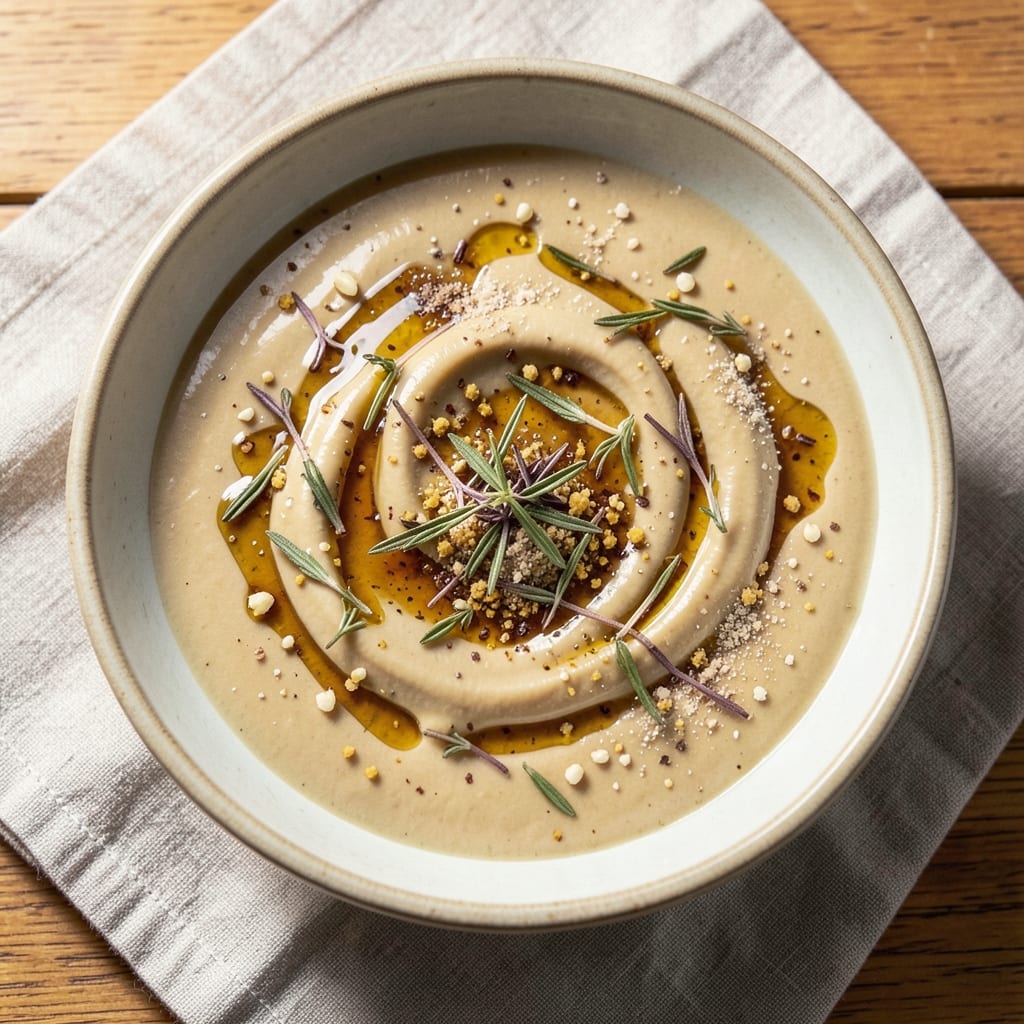
This apple cider vinegar recipe no sugar transforms simple pantry staples into a probiotic-rich elixir that enhances salads, marinades, and dressings without any added sweetness. The key lies in balancing tangy apple cider vinegar with aromatic herbs and earthy spices, creating a versatile condiment that supports digestion and adds depth to meals. With just five ingredients and 10 minutes of prep, you'll have a sugar-free solution that rivals store-bought versions in both flavor and health benefits.
The foundation of this recipe is raw apple cider vinegar, which provides natural probiotics and enzymes while delivering that signature tang. I combine it with extra-virgin olive oil for richness, Dijon mustard for subtle depth, and a blend of garlic, onion powder, and dried oregano to create complex layers of flavor. The result is a dressing that's equally at home drizzled over greens, tossed with roasted vegetables, or used as a marinade for grilled meats.
What makes this recipe truly special is its adaptability—use it immediately or store it in the refrigerator for up to two weeks. The probiotic properties of apple cider vinegar remain intact, making this more than just a flavor enhancer; it's a functional ingredient that supports gut health. Each component plays a crucial role: the vinegar provides acidity, the oil creates creaminess, and the herbs add aromatic complexity without overpowering the natural tang.
This no-sugar version maintains all the benefits of traditional apple cider vinegar recipes while offering a cleaner flavor profile. Perfect for those watching sugar intake or seeking natural alternatives, it proves that healthy eating doesn't require sacrificing flavor. Let's create this versatile condiment that will become a staple in your kitchen.
Ingredients for apple cider vinegar recipe no sugar
Eight simple ingredients create a probiotic-rich elixir perfect for salads, marinades, and dressings without added sugar.
| Ingredient | Amount | Notes |
|---|---|---|
| Raw Apple Cider Vinegar 🍏 | ½ cup | Unfiltered with mother preferred |
| Extra-Virgin Olive Oil 🫒 | ½ cup | Cold-pressed, fruity variety |
| Dijon Mustard 🥬 | 1 tbsp | Whole grain preferred |
| Garlic Powder 🧄 | 1 tsp | Freshly ground preferred |
| Onion Powder 🧅 | 1 tsp | Non-GMO preferred |
| Dried Oregano 🌿 | ½ tsp | Mediterranean variety |
| Sea Salt 🧂 | ½ tsp | Fine grain preferred |
| Black Pepper 🌶️ | ¼ tsp | Freshly cracked preferred |
The quality of your apple cider vinegar makes all the difference—Bragg or Zevia are excellent choices, but any raw, unfiltered vinegar with mother will work. For the olive oil, California-based brands like Corto or Colavita offer superior fruity notes that elevate the dressing. Dijon mustard should be whole grain for texture and depth, while the garlic and onion powders should be freshly ground to preserve their aromatic compounds. I always source these spices from Penzeys for their superior quality, but any reputable brand will suffice. The sea salt should be fine grain to ensure even distribution throughout the mixture.
No apple cider vinegar? White vinegar or balsamic vinegar can substitute in a pinch, though the probiotic benefits will differ. Running low on Dijon mustard? Yellow mustard at half the amount works, though it lacks the same depth. Fresh herbs like parsley or basil can replace dried oregano—use one-third the amount of fresh for equivalent flavor. The olive oil can be swapped for avocado oil if preferred, though it may alter the flavor profile slightly. For a more robust garlic flavor, consider adding one minced garlic clove if you have it on hand, though it's not required for this recipe.
This dressing maintains its probiotic benefits for up to two weeks when stored in a sealed glass jar in the refrigerator. Shake well before each use to redistribute the ingredients. For longer storage, transfer to an airtight container and freeze for up to three months. The probiotic properties remain intact during freezing, making it an excellent option for meal prep. To extend shelf life further, add a squeeze of lemon juice before storing, which acts as a natural preservative while enhancing the tangy flavor profile.
Why You'll Love This Recipe
- Five-Ingredient Magic: I swear by this combo—just stir, taste, adjust. No measuring cups, no stress, no second-guessing. That tangy ACV cuts through the richness of the olive oil like a breath of fresh air, and the mustard ties it all together without a single spoonful of sugar.
- Tangy, Savory, Addictive: Honestly, the first time I drizzled this over roasted Brussels sprouts, I nearly licked the bowl. The garlic and onion powders add warmth, while the raw ACV keeps it bright and complex—like a fancy vinaigrette, but with half the effort.
- Dresses Everything: Between us, this is my go-to for salads, grilled chicken, even scrambled eggs. (Yes, even on a Tuesday night.) The Dijon mustard gives it depth, so it works with bold flavors or delicate greens—no fancy pairings required.
- Pantry Goldmine: I’ve had this sitting in my fridge for weeks, and it’s still the first thing I reach for. Cheap ingredients, zero waste, and it stretches across multiple meals. Plus, the ACV’s shelf life means I’m not scrambling to use it up before it goes bad.
Step-by-step instructions for crafting a sugar-free apple cider vinegar elixir
Here's how to combine these ingredients into a probiotic-rich, flavorful elixir without added sugar.
Whisk Together the Base Ingredients
In a medium bowl, combine the 0.5 cup raw apple cider vinegar with the 0.5 cup extra-virgin olive oil. Use a whisk to emulsify these two liquids thoroughly for 30 seconds. The olive oil should break into a fine, creamy consistency rather than separating. This creates the foundational texture for your elixir.
Next, add the 1 tablespoon Dijon mustard and whisk vigorously for another 20 seconds. The mustard acts as a natural emulsifier, helping to bind the vinegar and oil while adding depth of flavor. You'll notice the mixture thicken slightly as the mustard incorporates fully.
Incorporate the Dry Seasonings
In a small separate bowl, combine the 1 teaspoon garlic powder, 1 teaspoon onion powder, 0.5 teaspoon dried oregano, 0.5 teaspoon sea salt, and 0.25 teaspoon black pepper. Mix these dry ingredients thoroughly to ensure even distribution of flavors.
Gradually sprinkle the seasoning blend into the vinegar-oil mixture while whisking continuously. This prevents clumping and ensures each drop of elixir receives balanced flavor. Whisk for an additional 15 seconds until the mixture appears homogeneous and fully integrated.
Rest and Emulsify for Optimal Texture
Transfer the mixture to an airtight glass container with a lid. Gently shake the container for 10 seconds to redistribute any settled ingredients. Allow the elixir to rest at room temperature for 10 minutes—this resting period lets the flavors meld and the emulsion stabilize.
After resting, give the container another gentle shake before final use. The texture should be smooth and velvety, with no visible separation. If you notice any separation after shaking, whisk vigorously for 10 seconds to re-emulsify. This elixir is now ready to use immediately or store for future use.
Optional Flavor Enhancement (If Desired)
For an additional layer of complexity, you may choose to infuse the elixir with fresh herbs. Add 2-3 sprigs of fresh rosemary or thyme (if using) to the container and let it steep for 5 minutes before removing the herbs. This step is purely optional but enhances the aromatic profile.
The resulting elixir should have a tangy, slightly sweet vinegar base with rich olive oil depth and a well-rounded spice profile. Use within 2 weeks for optimal freshness and probiotic benefits, storing in a cool, dark place.
Pro Tips For Making Apple Cider Vinegar Recipe No Sugar
- Whisk Slowly First: Start by drizzling the raw apple cider vinegar into the olive oil drop by drop while whisking constantly—this prevents the vinegar from separating into a greasy mess. I used to dump it all in at once, and the emulsion would break every time. Take your time here, even if it feels tedious.
- Use Cold Mustard: Scoop Dijon mustard straight from the fridge—it blends smoother and won’t thin out the dressing prematurely. Warm mustard releases its oils faster, turning your dressing into a runny disappointment. Trust me, the 30-second wait makes a real difference.
- Skip the Crowding: If you’re making this for salads or dips, store it in a narrow jar (like a mason) instead of a wide bowl. The vinegar’s acidity separates when it’s exposed to too much air at once. Fill it to the brim—your future self will thank you when it stays consistent.
- Toast the Powders: Lightly toast the garlic and onion powders in a dry pan for 30 seconds before mixing—it deepens their flavor without burning. I was skeptical until I tried it: the aroma goes from mild to actually savory, and the dressing tastes more complex. (Yes, even if you’re impatient like me.)
Wine and beer pairings for this apple cider vinegar recipe no sugar
Dry Red Wine Pairing
This elixir pairs beautifully with Pinot Noir or Chianti—their bright acidity and earthy notes complement the dressing's tangy profile without overpowering it. The 12-14% alcohol content in these wines helps cut through the richness of olive oil while enhancing the garlic and oregano flavors. I like to chill my wine slightly to 60-65°F before serving, which brings out the red fruit notes that harmonize with the vinegar's sweetness. 🍷
Crisp White Wine Options
For a refreshing contrast, try pairing with a dry Sauvignon Blanc or Vermentino. The citrus and herbal notes in these wines mirror the dressing's garlic and oregano while providing a crisp, palate-cleansing finish. I recommend serving the wine slightly cooler than room temperature—around 50-55°F—to highlight its vibrant acidity. A 2019 New Zealand Sauvignon Blanc from Cloudy Bay is my go-to for this pairing.
Craft Beer Complements
A Belgian witbier like Hoegaarden or Stella Artois offers a delightful contrast with its coriander and citrus notes. The effervescence helps cleanse the palate between bites, while the slight sweetness balances the dressing's tang. For a hoppier option, try a Pilsner-style beer—the crisp, clean finish pairs perfectly with the dressing's herbal complexity. Serve the beer well-chilled at 40-45°F for optimal enjoyment. 🍺
Non-Alcoholic Alternatives
For a sugar-free non-alcoholic option, I love pairing this dressing with sparkling water infused with cucumber and mint. The effervescence mimics wine's palate-cleansing effect, while the cucumber adds a refreshing contrast to the dressing's richness. Another great choice is unsweetened hibiscus tea—its tart, cranberry-like flavor complements the vinegar's tang beautifully. Serve both at 45-50°F for the best experience.
Seasonal Pairing Tips
In summer, I reach for rosé wine or a light lager—their crisp profiles stand up to the dressing's bold flavors while keeping the meal refreshing. During winter, a bold Zinfandel or Port-style ruby port adds warmth that pairs wonderfully with hearty roasted vegetables drizzled with this dressing. Always adjust wine temperature based on the season: cooler in summer, slightly warmer in winter.
Nutrition facts
Frequently asked questions
Can I use this vinegar dressing as a marinade?
This probiotic-rich dressing works wonderfully as a marinade for chicken, fish, or tofu. Simply add 1 tablespoon of the elixir per pound of protein and marinate for 30-60 minutes (never longer than 2 hours for safety). The acidity tenderizes while the herbs infuse flavor—just pat dry before cooking to ensure a good sear.
Why does my dressing separate after storing?
Separation happens when oil and vinegar naturally split due to temperature changes. Before using, whisk vigorously for 10-15 seconds or shake the container for 30 seconds to re-emulsify. For extra stability, add 1 teaspoon of xanthan gum to the original recipe—it acts as a natural thickener that prevents separation.
What are the best vegetables to use with this dressing?
This elixir shines on leafy greens like arugula or kale, but it also elevates roasted Brussels sprouts, grilled asparagus, and crispy zucchini ribbons. For extra texture, toss with toasted walnuts or pumpkin seeds—the crunch contrasts beautifully with the creamy dressing.
Can I make this without mustard?
Yes! Replace the 1 tablespoon Dijon mustard with 1 teaspoon of honey mustard (if you tolerate small amounts of sweetness) or 1 teaspoon of lemon juice to balance the acidity. For a completely mustard-free version, add ½ teaspoon of ground flaxseed—it thickens naturally and adds a subtle nutty depth.
How can I make this spicier?
Boost the heat by adding ½ teaspoon of smoked paprika or ¼ teaspoon of cayenne pepper to the dry seasoning blend. For a smoky kick, infuse the olive oil with 1 minced jalapeño (remove seeds for mild heat) before combining with vinegar. Let it steep for 10 minutes before whisking into the dressing.