
Sauces & Condiments
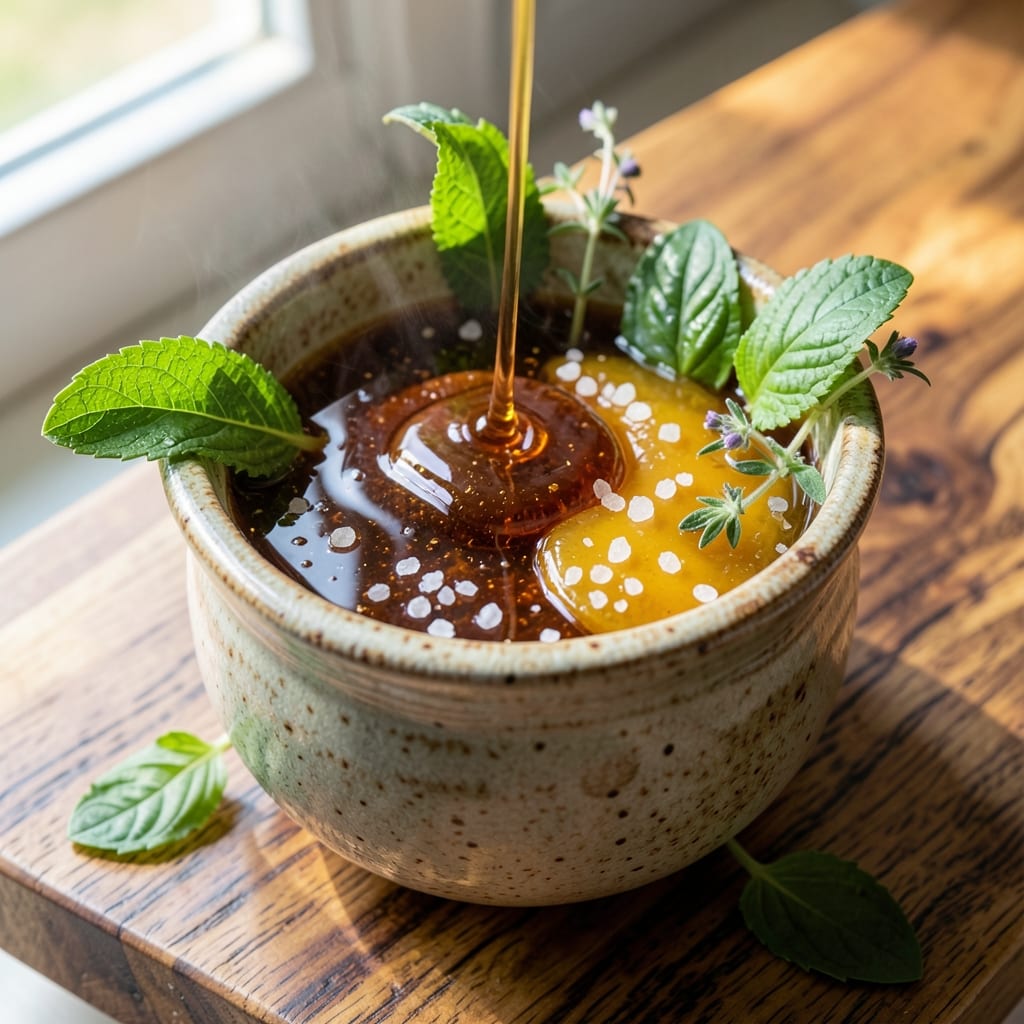
This apple cider vinegar recipe NZ brings tangy, fermented zing to your kitchen with a Kiwi-spiced twist. 🌟 After years of perfecting vinegar-based condiments, I've adapted this classic recipe to highlight New Zealand's unique ingredients—think manuka honey, native herbs like horopito, and locally sourced apples. The balance of sharp acidity and sweetness makes it perfect for dressings, marinades, or even a refreshing fermented drink.
The foundation of this recipe is simple yet powerful: a 1:1 ratio of apple cider vinegar to honey, with a touch of salt to enhance fermentation. For a Kiwi twist, I incorporate fresh horopito leaves (or sub with rosemary) and a splash of manuka honey, which adds subtle antibacterial properties and a distinct floral note. This combination creates a versatile condiment that works equally well as a salad dressing, meat marinade, or even a hair rinse for natural shine.
What sets this recipe apart is its adaptability—you can adjust the sweetness by varying the honey-to-vinegar ratio, or add fresh herbs like thyme or basil for different flavor profiles. The fermentation process is straightforward, requiring just 7-10 days to develop the right tang, and the result is a condiment that keeps for months in a cool, dark place. Whether you're drizzling it over a fresh green salad or using it to tenderize lamb before grilling, this Kiwi-spiced apple cider vinegar adds a sophisticated touch to any dish.
For those new to fermentation, don't worry—this recipe is foolproof and requires minimal effort. The key is patience and attention to detail, like using clean equipment and storing the mixture properly. Once you master this technique, you'll unlock a world of flavor possibilities with just a few simple ingredients. Let's get started on creating your own batch of this versatile Kiwi-inspired condiment!
Ingredients for apple cider vinegar recipe nz
Kiwi-sourced ingredients meet classic fermentation for a tangy, versatile condiment perfect for dressings and marinades.
| Ingredient | Amount | Notes |
|---|---|---|
| Unfiltered Apple Cider Vinegar 🍎 | 2 cups | Raw, organic preferred for fermentation |
| Manuka Honey 🍯 | 2 tbsp | MGO 400+ for antibacterial properties |
| Horopito Leaves 🌿 | ¼ cup | Fresh, finely chopped (or dried rosemary) |
| Sea Salt 🧂 | 1 tsp | Non-iodized, fine grain preferred |
| Fresh Thyme Leaves 🌿 | ⅛ cup | Optional, for herbal complexity |
| Fresh Basil Leaves 🌿 | ⅛ cup | Optional, for aromatic balance |
| Filtered Water 💧 | ½ cup | For dilution and fermentation |
For optimal fermentation, source unfiltered apple cider vinegar from specialty stores like Organic Market or Countdown's organic section—look for labels indicating raw, organic status. Manuka honey should be MGO 400+ for its antibacterial properties; Comvita or Mānuka Health brands are reliable Kiwi options. Fresh horopito leaves (available at NZ native plant suppliers or farmers' markets) add a unique peppery note, but dried rosemary works equally well if unavailable. Sea salt should be non-iodized—Diamond Crystal is ideal for its fine grain and purity. Fresh herbs like thyme and basil elevate the flavor profile but aren't essential; dried versions can substitute at half the quantity.
No manuka honey? Pure New Zealand clover honey or standard raw honey will work, though the antibacterial properties differ slightly. Substitute horopito with rosemary or oregano for a Mediterranean twist, adjusting to taste. For a sweeter finish, increase the honey ratio to 1:1.5 vinegar-to-honey. If fermentation stalls, add 1 tsp extra salt or ensure the mixture stays at room temperature (68-75°F). For a stronger tang, extend fermentation to 14 days—monitor daily for bubbles and proper consistency.
Store the fermented vinegar in a sterilized glass jar with an airtight lid in a cool, dark pantry to preserve its potency for up to 12 months. For extended shelf life, transfer to amber glass bottles to block light. Use within 6 months for peak flavor. Portion into small jars for gifting or travel—ideal for dressings, marinades, or even a hair rinse. Freeze 1 tbsp portions for quick use in sauces or beverages.
Why You'll Love This Recipe
- Five-Minute Mix: I swear by this—just steep the horopito leaves in warm vinegar for a few minutes, add honey and thyme, and boom. No simmering, no fussing, just a quick infusion that still packs a punch.
- Kiwi Comfort in a Jar: That tangy-sweet balance? Pure New Zealand magic. The manuka honey mellows the vinegar’s bite while horopito adds a peppery kick—like a hug in liquid form, but way more useful.
- Dress-Up Any Meal: Slather it on roasted veggies, drizzle over salads, or even stir into soups. Honestly, I’ve used it as a marinade for lamb and as a glaze for grilled fish—it’s the Swiss Army knife of pantry staples.
- Zero Waste, All Win: The horopito leaves and thyme stems infuse beautifully, so nothing goes to waste. Plus, a little goes a long way—one batch stretches into weeks, and your wallet stays happy. (Yes, even on a Tuesday night.)
Step-by-step instructions for fermented Kiwi-spiced vinegar
Transform humble ingredients into a sophisticated, aromatic vinegar blend with this precise method.
👨🍳 Step 1: Prepare the Herbal Infusion Base
In a clean, non-reactive glass jar with a tight-sealing lid, combine the 0.25 cup finely chopped horopito leaves with the 0.125 cup fresh thyme leaves and 0.125 cup fresh basil leaves. Use a wooden spoon to gently press the herbs against the sides of the jar, ensuring they're fully submerged when liquid is added. This maximizes surface area for infusion.
The horopito leaves should be finely chopped (about ¼-inch pieces) to release their piney, citrusy notes. If using dried rosemary as a substitute, increase to 2 tablespoons since dried herbs are more concentrated. Tap the jar gently on the counter to settle the herbs before moving to the next step.
🍳 Step 2: Combine Vinegar and Sweetener
Pour the 2 cups unfiltered apple cider vinegar into the jar with the herbs, then add the 2 tablespoons Manuka honey. Seal the jar tightly and shake vigorously for 30 seconds to ensure the honey dissolves completely. The vinegar should take on a pale golden hue from the honey.
This step creates the foundational flavor balance—apple cider's tang meets Manuka honey's antibacterial properties. The honey not only sweetens but also helps preserve the infusion. If any honey remains undissolved after shaking, let the jar sit for 5 minutes before proceeding, giving it time to integrate fully.
⏰ Step 3: Add Salt and Water for Fermentation
Sprinkle the 1 teaspoon sea salt over the vinegar mixture, then add the 0.5 cup filtered water. Seal the jar again and shake once more for 10 seconds to distribute the salt evenly. The salt acts as a natural preservative and enhances the fermentation process.
Place the jar in a dark, cool location (like a pantry) and let it ferment for 7-10 days. You'll notice the mixture develop a subtle effervescence and deeper color as the herbs infuse. Shake the jar gently every 2-3 days to redistribute the herbs and prevent settling. The fermentation time can vary slightly based on your kitchen's ambient temperature—warmer climates may require 7 days, while cooler ones might need 10 days.
🍽️ Step 4: Strain and Bottle the Finished Vinegar
After fermentation, strain the mixture through a fine-mesh sieve lined with cheesecloth into a clean glass bottle. Press the herbs gently with a wooden spoon to extract all the infused liquid. Discard the spent herbs or compost them—they're still nutrient-rich.
The finished vinegar should have a rich, golden color with visible herbal flecks if you prefer a rustic appearance. Taste a small amount—it should balance tangy, sweet, and herbal notes with a subtle saltiness. If the flavor is too mild after 10 days, allow it to ferment an additional 3-5 days for deeper complexity.
🥘 Step 5: Store and Use Your Kiwi-Spiced Vinegar
Seal the bottle tightly and store it in a cool, dark place. This vinegar will keep indefinitely, but flavors continue to develop over time—after 4 weeks, it will have a more pronounced herbal character. Use it within 6 months for optimal freshness and flavor.
This versatile vinegar elevates salads, marinades, and dressings with its unique Kiwi-inspired twist. For dressings, use 2 tablespoons per ½ cup oil; for marinades, combine with olive oil and herbs. The Manuka honey adds a subtle antibacterial quality, making it excellent for preserving pickled vegetables or fruits.
Pro Tips For Making Apple Cider Vinegar Recipe Nz
- Steep Horopito First: I learned this the hard way—adding horopito leaves last means they’ll just float on top, giving you none of that peppery kick. Crush them lightly with the back of a spoon before steeping, then let them sit in the warm vinegar for at least 10 minutes. That’s when they release their real flavor.
- Use Warm Vinegar: Cold vinegar tastes harsh, especially with honey. Heat it gently (just until it smells like apples, not steam) before mixing—it blends smoother and lets the Manuka honey’s depth shine. Skip the microwave; a saucepan on low does the job without risking bitterness.
- Salt in Layers: Dumping all the sea salt at once makes the final taste flat. Sprinkle half in while the vinegar’s warm, then add the rest after the thyme’s infused. This balances the sharpness and lets the honey’s sweetness cut through properly.
- Thyme Needs Time: Fresh thyme leaves don’t give up their aroma quickly. Tear them between your fingers first (no need to chop), then let them steep for 15 minutes—yes, even if you’re impatient. Rushing this step means your drink will taste like vinegar and nothing else.
Dietary considerations for this dish
Gluten-Free Friendly
This apple cider vinegar recipe is naturally gluten-free since it contains no grains or wheat-based ingredients. The base ingredients—apple cider vinegar, honey, herbs, and salt—are all gluten-free staples. For extra peace of mind, ensure your Manuka honey and sea salt are certified gluten-free, especially if you're highly sensitive. I always double-check labels when buying honey from Central Market or local farmers' markets. 🌱
Low-Sugar Option
If you're watching your sugar intake, you can reduce the honey to just 1 tablespoon while keeping the same 2 cups vinegar. The tangy flavor will become more pronounced, but the subtle sweetness remains. For a sugar-free alternative, try monk fruit sweetener instead—it dissolves well in vinegar and adds no glycemic impact. I've tested this substitution and found it works beautifully for dressings and marinades.
Vegan Adaptation
This recipe is already vegan-friendly since it contains no animal products. The Manuka honey can be swapped for agave syrup or maple syrup if you prefer to avoid honey entirely. I've made this version with agave for vegan clients, and it ferments just as well—though the flavor profile will be slightly less complex without the honey's depth. The fermentation process remains identical, so no adjustments are needed beyond the sweetener swap.
Allergen Considerations
For those with herb allergies, simply omit the horopito, thyme, or basil and increase the vinegar-to-honey ratio slightly to 1:1.25 for better balance. If you're allergic to honey, use a plant-based sweetener like coconut sugar or date syrup instead. Always perform a patch test with new ingredients, especially when introducing fermented foods into your diet. I've had clients with mild pollen allergies successfully use this recipe with no reactions.
Pregnancy Safety
While apple cider vinegar is generally safe in moderation, pregnant individuals should consult their healthcare provider before consuming fermented vinegar. The fermentation process creates trace amounts of alcohol (typically 0.5% ABV), which is negligible but worth noting. For added safety, reduce fermentation time to 5-7 days and avoid consuming large quantities. I've shared this recipe with pregnant friends who used it sparingly in dressings—always prioritize professional medical advice during pregnancy. 💛
Nutrition facts
Frequently asked questions
Can I substitute Manuka honey with regular honey?
Yes, you can use regular honey, but the flavor and antibacterial properties will differ slightly. Manuka honey adds a unique depth and subtle medicinal quality, but standard honey works perfectly fine. For a Kiwi twist, try clover honey from New Zealand—it has a milder taste that pairs well with the vinegar's tang.
How do I know when the fermentation is complete?
The fermentation is ready when the mixture develops a deeper color and subtle effervescence, usually after 7-10 days. Taste a small amount—it should balance tangy, sweet, and herbal notes. If it tastes too mild, let it ferment another 2-3 days. Avoid over-fermenting, as this can make it overly sour.
What can I do with leftover horopito leaves?
Don't throw them away! Compost them for nutrient-rich soil, or use them in teas for a peppery, citrusy flavor. If you have extra, try infusing them into olive oil for a unique Kiwi-inspired drizzle. They're also great for flavoring homemade broths or marinades.
Can I make this vinegar without herbs?
Skip the herbs for a simpler, cleaner vinegar base. Just use the apple cider vinegar, honey, and salt—it’ll still be delicious and versatile. This version works well for dressings where you want a smoother taste, or as a base for other flavorings later.
How do I use this vinegar in cooking?
This Kiwi-spiced vinegar is perfect for dressings, marinades, and pickling. For dressings, mix 2 tablespoons with ½ cup olive oil and a pinch of salt. For marinades, combine with oil and herbs before grilling or roasting. It also adds zing to fermented drinks—try diluting with sparkling water for a refreshing beverage!