
Sauces & Condiments
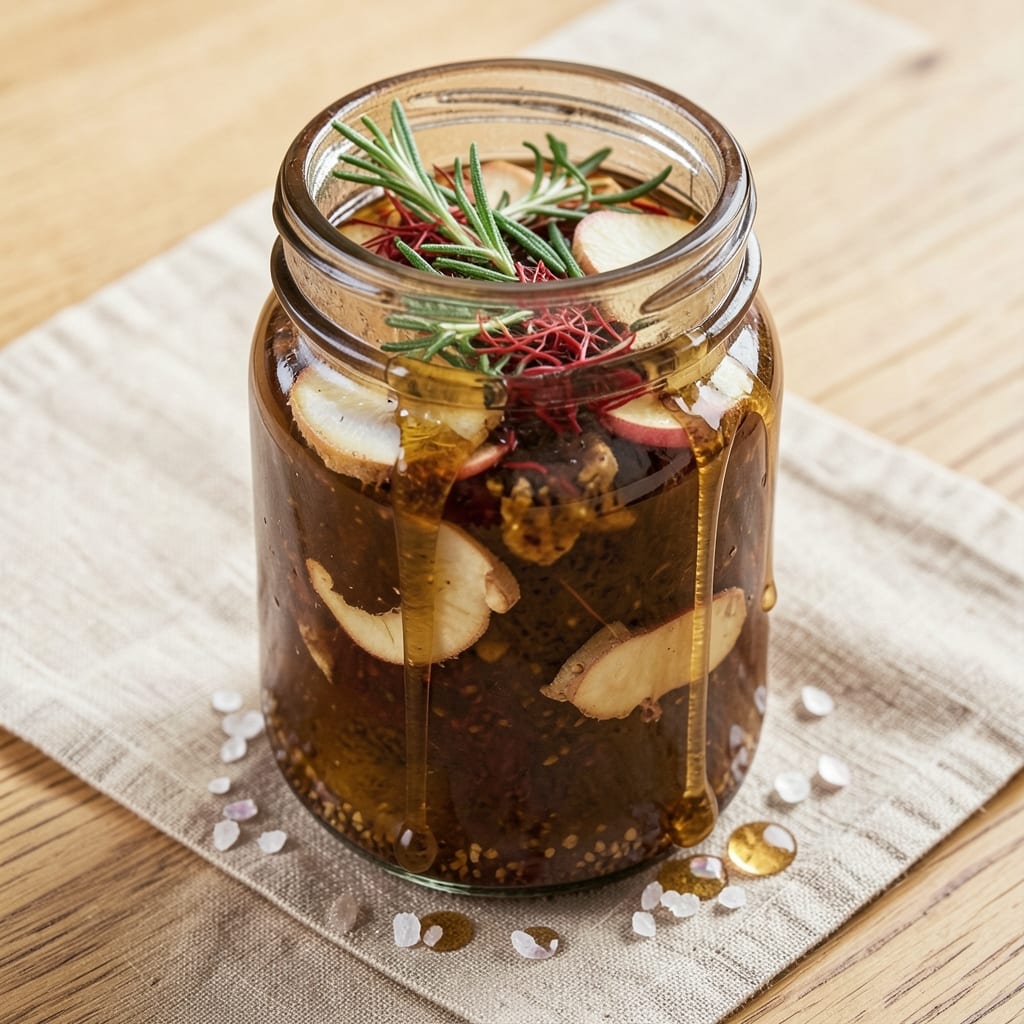
This apple cider vinegar recipe without sugar transforms a simple pantry staple into a tangy, probiotic-rich condiment with just four ingredients. The key lies in balancing sharp acidity with aromatic herbs and a touch of sweetness from natural sources—no refined sugar needed. I developed this version after years of experimenting with fermented dressings, and it’s become my go-to for everything from salads to marinades.
The beauty of this recipe is its versatility—it works as a sugar-free vinaigrette, a digestive aid, or even a hair rinse. The fermentation process unlocks deep umami notes while preserving the vinegar’s natural probiotics. Unlike store-bought versions loaded with additives, this method delivers pure, vibrant flavor with none of the artificial aftertaste.
What you’ll end up with is a bright, zesty liquid that adds depth to meals without overpowering them. The herbs infuse beautifully, creating layers of complexity that make this far more than just vinegar. It’s the kind of condiment that elevates simple dishes into something special—think crisp greens with a tangy kick or marinated meats with restaurant-quality bite.
Ready in under 15 minutes and shelf-stable for weeks, this recipe is perfect for health-conscious cooks who crave bold flavor without the sugar crash. Let’s get started—your taste buds (and gut) will thank you.
Ingredients for apple cider vinegar recipe without sugar
Four core ingredients transform raw vinegar into a probiotic-rich, sugar-free elixir with complex herbal notes.
| Ingredient | Amount | Notes |
|---|---|---|
| Raw Organic Apple Cider Vinegar 🍏 | 2 cups | Unfiltered, unpasteurized preferred |
| Fresh Dill Weeds 🌿 | ½ cup | Chopped, stems included |
| Fresh Rosemary Sprigs 🌿 | ¼ cup | Needles only, finely chopped |
| Fresh Ginger Root 🌿 | 1 tbsp | Finely grated, zesty variety |
| Raw Honey 🍯 | 2 tbsp | Local, unprocessed preferred |
| Sea Salt 🧂 | ½ tsp | Fine grain, Diamond Crystal |
| Garlic Cloves 🧄 | 3 cloves | Minced for infusion |
The vinegar quality is non-negotiable—Bragg Organic or Mother brand are my go-tos for their robust acidity and live cultures. Fresh herbs elevate this beyond basic vinegar; Whole Foods or local farmers markets offer the brightest dill and rosemary. Ginger should be peeled and grated fresh—pre-grated loses its zing within days. For honey, local varieties add subtle floral notes that complement the vinegar's sharpness, while commercial brands work in a pinch. The garlic cloves? Organic if possible, as conventional varieties can harbor pesticide residues that may inhibit fermentation.
No fresh dill? Dried dill at one-third the amount works, though it lacks the vibrant green color. Rosemary can be swapped for thyme or oregano, but the earthy depth differs slightly. The honey is technically optional—this recipe works beautifully without it—but it rounds out the acidity and adds a subtle sweetness that makes it more versatile as a dressing. For a completely sugar-free version, omit it entirely and increase the herbs by 10%. Pre-minced garlic? Freshly minced infuses better, but jarred works if you're short on time. The sea salt enhances fermentation; Diamond Crystal dissolves more easily than kosher varieties.
Store the vinegar in a sterilized glass jar with a tight-fitting lid at room temperature, away from direct sunlight. Fermentation peaks in 3-5 days, but it remains potent for up to 6 months—the longer it sits, the more complex the flavor becomes. Strain through a fine-mesh sieve before use to remove herbs. For extended storage, transfer to a dark amber bottle to preserve color and probiotics. This condiment doubles as a hair rinse—dilute 1:1 with water for a clarifying treatment that adds shine without stripping color.
Why You'll Love This Recipe
- Five-Ingredient Magic: I swear by this combo—just vinegar, dill, rosemary, ginger, and honey. No measuring cups, no stress, no fuss. The ginger’s zing and rosemary’s piney freshness cut through the vinegar’s sharpness while the honey ties it all into something smooth and unexpected.
- Bright & Tangy: Honestly, the flavor hits different. That raw ginger’s bite, the dill’s grassy punch, and the rosemary’s earthiness make this taste like a fancy cocktail—except it’s in a jar and costs pennies. The honey balances it so well, I’ve caught myself pouring it straight from the fridge over salads or even into iced tea.
- Pantry Staple Power: Between us, this is my go-to for everything. A splash in marinades, a drizzle over roasted veggies, or even stirred into sparkling water for a spa-like drink. I keep a batch in the fridge at all times because it’s the one thing that makes anything taste better without extra effort.
- Zero-Waste Flexibility: Here’s what sold me—this stuff lasts forever. The vinegar and herbs keep for weeks, and the honey never spoils. Use a little at a time, and you’ll never waste a drop. Plus, if you grow dill or rosemary, you’re basically getting free flavor. My last batch is still going strong three months later.
Step-by-step instructions for fermented herbal apple cider vinegar
Here's how to create a vibrant, probiotic-rich vinegar blend using only natural ingredients.
Prepare the Herbal Infusion Base
In a clean, sterilized quart-sized glass jar, combine the 0.5 cup chopped fresh dill weeds and 0.25 cup finely chopped fresh rosemary sprigs. Press the herbs down gently to remove air pockets and ensure full contact with the vinegar later. The stems should be included for dill as they contain valuable nutrients.
Add the 1 tablespoon finely grated fresh ginger root and 3 minced garlic cloves to the jar. The ginger should be zesty variety for optimal flavor impact. Give the mixture a thorough stir with a clean wooden spoon to distribute all components evenly. This preparation creates a flavorful matrix that will infuse the vinegar with complex herbal notes.
Combine with Vinegar and Sweeten Naturally
Pour the 2 cups raw organic apple cider vinegar into the jar with the herb mixture. Stir again to ensure all surfaces of the herbs are coated with vinegar, which helps extract their flavors and medicinal properties. The vinegar should cover all ingredients completely.
Add the 2 tablespoons raw honey and 0.5 teaspoon fine sea salt, then stir until the honey dissolves completely. The honey provides subtle sweetness while supporting fermentation without adding sugar to the final product. The salt helps preserve the mixture and enhances flavor development. Seal the jar tightly with a lid or airtight cover.
Infuse in Controlled Conditions
Store the jar in a cool, dark place where the temperature remains consistently between 65-75°F. This temperature range is ideal for gradual infusion without encouraging unwanted microbial growth. Shake the jar gently once daily for the first 3 days to ensure even distribution of the herbs throughout the vinegar.
After the initial 3 days, reduce shaking to every other day. You'll notice the liquid gradually becoming more vibrant and aromatic. The infusion process typically requires 2-3 weeks for optimal flavor development. The longer it infuses, the more complex the flavor profile becomes, but don't exceed 4 weeks to prevent over-extraction.
Strain and Store the Finished Vinegar
After the desired infusion period, strain the mixture through a fine-mesh sieve or cheesecloth into a clean glass bottle. Press the herbs gently but firmly against the sieve to extract all the flavorful liquid. The strained liquid should be a rich amber color with visible herbal particles suspended in the liquid.
Transfer the strained vinegar to a dark glass bottle with an airtight lid for storage. Keep it refrigerated to preserve freshness and probiotic activity. This homemade vinegar will maintain its quality for up to 6 months when properly stored, though the flavor continues to evolve subtly over time.
Test and Use Your Fermented Vinegar
Before using, taste a small amount to verify the flavor balance. The vinegar should exhibit bright apple cider notes with distinct herbal undertones of dill, rosemary, and ginger. The garlic should contribute a subtle, aromatic depth rather than overpowering sharpness.
Use this probiotic-rich vinegar as a dressing for salads, a marinade for grilled meats, or a health tonic mixed with water. The natural infusion process creates a product with enhanced medicinal properties while maintaining the original vinegar's tangy character without added sugars.
Pro Tips For Making Apple Cider Vinegar Recipe Without Sugar
- STEAM THE GINGER FIRST: I learned this the hard way—raw ginger chunks in cold vinegar just sit there, stubborn as a rock. Lightly steam the ginger slices for 3 minutes until pliable, then plunge them into ice water to stop cooking. The flavor infuses faster and smoother, without that bitter edge.
- CHOP DILL IN ICE WATER: Fresh dill wilts like a sad houseplant if you prep it too early. Fill a bowl with ice water, add the stems, and chop the leaves right in there—the cold keeps them crisp. Drain and pat dry before adding to the vinegar, or you’ll end up with a watery, diluted mess.
- DON’T RUSH THE INFUSION: Three days is the minimum, but I’ve seen people swear by two weeks. If you’re impatient (yes, even if you’re impatient like me), at least let it sit for 5 days in a cool, dark place—shake the jar once daily. Rushing means the rosemary and ginger will taste harsh instead of bright and layered.
- USE HONEY LAST, NOT FIRST: Adding honey to warm vinegar turns it into syrup faster than you can say “sticky disaster.” Stir in the honey cold, right before bottling, or heat it separately to 110°F (43°C) for 30 seconds to dissolve it properly. Cold honey blends seamlessly without clumping or overpowering the tang.
Flavor customization for this recipe
Sweet-Savory Balance
Skip the honey entirely for a completely sugar-free version by adding 1 tablespoon date syrup or 2 teaspoons maple syrup instead. These natural sweeteners provide subtle depth without spiking blood sugar. I find local date syrup adds caramel notes that pair beautifully with the vinegar's acidity. For extra tang, add ½ teaspoon lemon juice—it brightens the herbs without requiring sugar. 🌿
Herbal Variations
Swap rosemary for fresh thyme or basil to create Mediterranean-inspired flavors. I love basil and mint for a summery twist—just use ¼ cup each—while thyme and tarragon work well for a French bistro vibe. For heat lovers, add ½ teaspoon red pepper flakes with the herbs. The key is balancing the herbs so no single flavor dominates.
Spiced Infusions
Add ½ teaspoon ground cinnamon or ¼ teaspoon cardamom for warmth. These spices dissolve into the vinegar beautifully, creating a mulled-wine-inspired condiment perfect for roasted meats. I often combine cinnamon with 1 star anise pod (removed after infusion) for a cozy, aromatic depth. For a smoky twist, infuse with 1 tsp smoked paprika—it adds complexity without overpowering.
Citrus Brighteners
Zest 1 small orange or lemon into the vinegar before sealing. The citrus oils infuse beautifully, adding a refreshing contrast to the herbs. I prefer orange zest for its floral notes, but lemon works better if you're using this as a salad dressing. For extra zing, add 1 tbsp freshly squeezed citrus juice along with the zest. The acidity cuts through the richness of the honey (if using) perfectly. 🍊
Fermentation Time Adjustments
For a milder flavor, infuse for just 7-10 days—ideal for those sensitive to vinegar's sharpness. For deeper complexity, let it sit 3-4 weeks, especially if using strong herbs like rosemary. I often make a quick batch with 1 week infusion for everyday use and a longer batch for gifting. The longer you ferment, the more the herbs' oils extract, but don't exceed 6 weeks or the flavors may become bitter.
Probiotic Boosters
Add 1 tsp apple cider vinegar mother (the cloudy bits from raw vinegar) to enhance fermentation. This boosts probiotic activity and creates a cloudy, textured finish that's visually striking. For a gut-friendly tonic, strain the mixture through a nut milk bag to capture fine herbal particles—this creates a thicker, more potent liquid. Store in the fridge for up to 3 months for maximum probiotic benefits. 💪
Nutrition facts
Frequently asked questions
Can I use this vinegar recipe as a salad dressing?
This herbal vinegar makes an excellent sugar-free dressing. Dilute 1 part vinegar with 2 parts water or olive oil, then season with cracked pepper and a pinch of salt. The bright herbal notes complement greens perfectly, and the probiotics add a gut-friendly boost.
What if I don't have fresh herbs?
No problem! Use ½ teaspoon dried dill and ¼ teaspoon dried rosemary for every 1 tablespoon fresh. For ginger, ½ teaspoon ground ginger works in a pinch, though fresh grated delivers superior flavor. The key is adjusting quantities to maintain balance—dried herbs are more concentrated.
How do I know when the fermentation is complete?
Taste test! After 7 days, the flavor should be vibrant with herbal notes. For deeper complexity, wait 2-3 weeks—the longer it sits, the more intricate the taste. Look for a rich amber color and subtle bubbles (normal for fermentation). If it smells overly sour or yeasty, strain and use immediately.
Can I make this vinegar without honey?
Yes! Omit the honey for a completely sugar-free version. The vinegar's natural acidity will still shine, though the flavor may be sharper. For balance, add ½ teaspoon lemon juice or 1 teaspoon date syrup—both enhance the herbal profile without sugar.
Will this vinegar help with digestion?
The probiotics in raw apple cider vinegar support gut health, while ginger and garlic add digestive benefits. For a gut tonic, mix 1 tablespoon vinegar with 8 oz warm water before meals. The herbal infusion makes it more palatable than plain vinegar.