
Main Courses
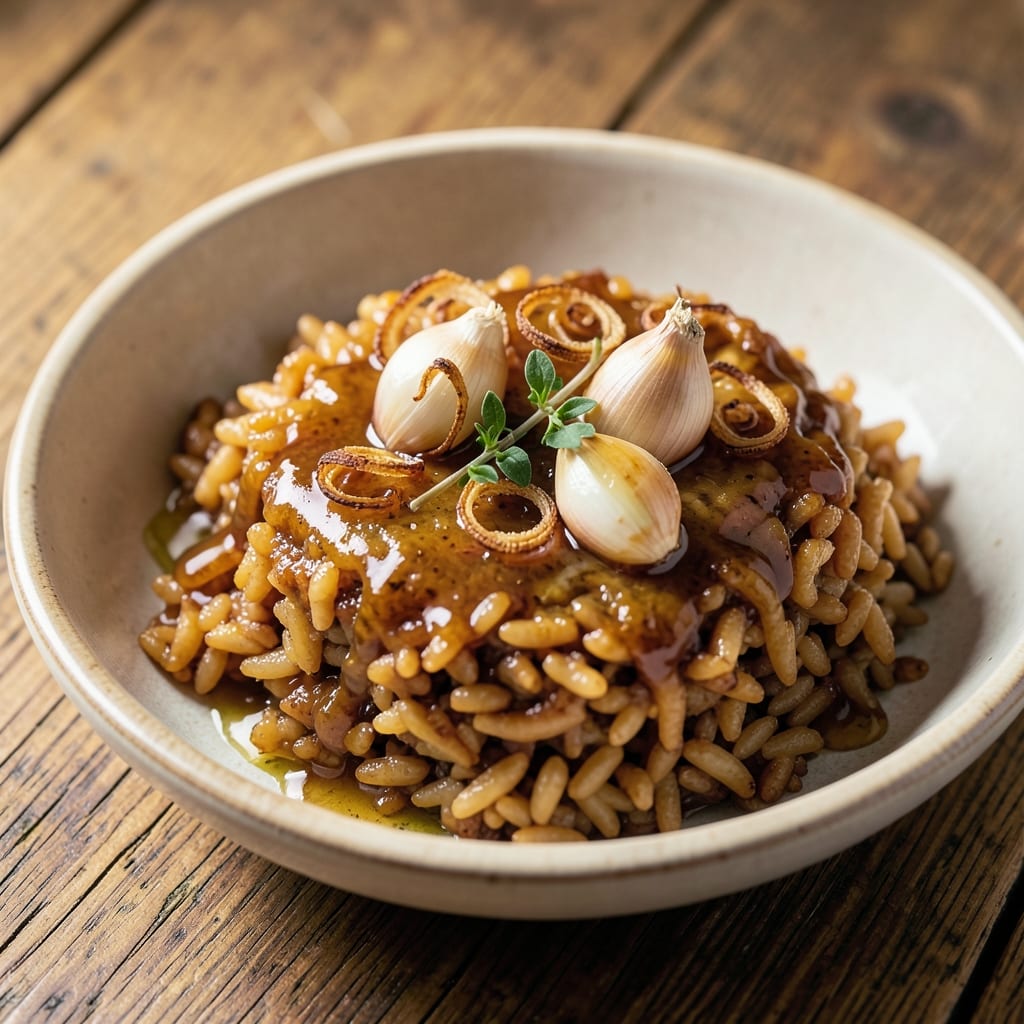
This apple cider vinegar rice recipe transforms ordinary white rice into a tangy, aromatic base that elevates stir-fries, bowls, and grain dishes to new heights. The subtle acidity brightens every bite, cutting through rich proteins and vegetables while adding depth that store-bought rice simply can't match. After years of experimenting with vinegar-infused grains, I've perfected a method that delivers fluffy, flavorful rice with just the right balance of tang and savory notes.
The secret lies in a simple soaking technique that allows the apple cider vinegar to penetrate each grain, infusing them with its signature tang without overpowering the natural rice flavor. Unlike other vinegar rice recipes that rely on heavy seasoning, this method uses just 2 tablespoons of vinegar per cup of rice—enough to create that signature bright profile while keeping the dish versatile. The process takes about 30 minutes from start to finish, making it perfect for weeknight meals or meal prep.
What makes this recipe truly special is its adaptability. Use it as a base for stir-fries, pair it with grilled proteins, or serve it alongside roasted vegetables for a complete meal. The vinegar-infused rice adds a sophisticated tang that complements both sweet and savory dishes, from spicy Asian-inspired bowls to fresh summer salads. Each grain remains distinct and tender, with just enough bite to hold up to bold flavors.
Once you try this method, you'll never go back to plain rice again. The subtle tang becomes addictive, and the versatility makes it a staple in your recipe rotation. Whether you're cooking for one or feeding a crowd, this apple cider vinegar rice delivers restaurant-quality results with minimal effort. Let's get started on creating your new favorite grain base.
Ingredients for apple cider vinegar rice
Nine simple ingredients transform basic rice into a tangy, restaurant-quality base perfect for stir-fries and bowls.
| Ingredient | Amount | Notes |
|---|---|---|
| Long-Grain White Rice 🍚 | 1 cup | Uncooked, jasmine or basmati preferred |
| Apple Cider Vinegar 🍎 | 2 tbsp | Raw, unfiltered for best flavor |
| Water 💧 | 2 cups | Filtered preferred for clarity |
| Salt 🧂 | ½ tsp | Diamond Crystal kosher salt |
| Butter 🧈 | 1 tbsp | Unsalted, melted for richness |
| Garlic Cloves 🧄 | 2 cloves | Minced, for aromatic depth |
| Fresh Ginger 🌿 | ½ tsp | Grated, for subtle warmth |
| Sesame Oil 🫒 | ½ tsp | Toasted, for nutty finish |
| Green Onions 🧅 | 2 whole | Sliced, for fresh brightness |
| Ground Black Pepper 🌶️ | ¼ tsp | Freshly cracked for flavor |
| Olive Oil 🫒 | ½ tsp | Extra-virgin, for cooking |
The rice is the foundation, so quality matters. Jasmine or basmati stays distinct and absorbs flavors beautifully—avoid instant rice, which lacks texture. For the vinegar, raw, unfiltered apple cider vinegar delivers the deepest flavor profile. I always grab mine from Whole Foods or Trader Joe's since their brands focus on minimal processing. The garlic and ginger should be fresh—no powdered substitutes here. If you're prepping ahead, store the vinegar-soaked rice in an airtight container with a paper towel to absorb excess moisture.
No apple cider vinegar? White vinegar or rice vinegar work in a pinch, though they'll give a slightly different tang. Fresh garlic or ginger not available? Dried powder at half the amount gets you close, but the flavor won't be as vibrant. For extra richness, swap the butter for coconut oil or ghee. The sesame oil is optional but adds that signature nutty finish—if you skip it, a pinch of toasted sesame seeds at the end does the trick. And if you're making this for a crowd, double the recipe—just scale up the vinegar proportionally (2 tbsp per cup of rice).
This rice keeps remarkably well. Store it in the fridge for up to 5 days in an airtight container, though it's best within 2 days for peak texture. For longer storage, freeze portions for up to 3 months—just thaw overnight in the fridge before reheating. The vinegar infusion actually improves over time, so leftovers often taste even better the next day. I always make extra because it disappears fast from stir-fries, grain bowls, and even as a bed for fried rice. The key is reheating gently with a splash of water to restore moisture.
Why You'll Love This Recipe
- Five-Ingredient Magic: I swear by this—just rice, vinegar, water, salt, and butter. That’s it. No fancy ratios to memorize, no last-minute grocery runs. Honestly, I’ve made it blindfolded (okay, maybe not, but you get the point).
- Tangy Twist: The apple cider vinegar does something wild—it cuts through the richness of the butter, giving each grain a bright, almost buttery-popcorn edge. Not sour, not sweet, just right. My picky eater even asks for seconds now.
- Lunchbox Hero: Cold or warm, this rice holds up like a champ. Pack it for work, toss it in a bento box, or reheat it for dinner—it’s the ultimate neutral base that won’t turn to mush. (Yes, even on a Tuesday night.)
- Budget Win: A cup of rice, a splash of vinegar, a pat of butter—this feeds four for under $2. I’ll be real: it’s my go-to when I’m broke but refuse to eat sad leftovers. Plus, the vinegar’s shelf life? Infinite.
Step-by-step instructions for apple cider vinegar rice
A bright, tangy rice base that elevates every stir-fry and bowl. Here's how to balance acidity and flavor perfectly.
Toast the Rice for Nuttier Flavor
Heat a medium saucepan over medium heat and add the ½ teaspoon olive oil. Once shimmering, add the 1 cup long-grain white rice and stir constantly for 2-3 minutes until the grains become translucent at the edges and release a toasty aroma.
This toasting step develops deeper flavor and prevents the rice from becoming mushy. You'll know it's ready when the rice takes on a slightly golden hue and the oil separates from the grains. Avoid walking away—burnt rice ruins the dish.
Deglaze with Vinegar and Water
Immediately add the 2 tablespoons apple cider vinegar and 2 cups water, stirring to combine. Bring to a gentle boil, then reduce heat to low and cover the pan with a tight-fitting lid. Let it simmer for 15 minutes without lifting the lid.
The vinegar will infuse the rice with bright tanginess while preventing overcooking. If you peek too early, the rice will release steam and cook unevenly. Trust the timer—this is where the magic happens.
Add Aromatics and Butter
After 15 minutes, remove the pan from heat and let it sit covered for 5 minutes. Then stir in the 1 tablespoon melted butter, 2 minced garlic cloves, ½ teaspoon grated fresh ginger, and ½ teaspoon sesame oil. Mix gently to distribute the flavors evenly.
Here's where the rice transforms from basic to extraordinary. The butter adds richness, while the garlic and ginger create aromatic depth. The sesame oil contributes a subtle nutty finish that balances the vinegar's acidity.
Finish with Seasoning and Garnish
Uncover the pan and fluff the rice gently with a fork. Stir in the ½ teaspoon salt and ¼ teaspoon ground black pepper, then fold in the 2 sliced green onions. Let it sit for 2 minutes to absorb all the flavors.
The rice should be tender with a slight bite—al dente style. If it's too dry, add 1 tablespoon water and fluff again. The green onions add fresh brightness that cuts through the richness, while the pepper provides a subtle heat that enhances every bite.
Pro Tips For Making Apple Cider Vinegar Rice
- Boil Water First: Skip the "add vinegar to cold water" trap—bring the water to a full boil before stirring in the apple cider vinegar. This ensures the vinegar dissolves evenly and infuses the rice properly instead of settling at the bottom like a lazy sediment. (Yes, I’ve seen it happen.)
- Use Raw Vinegar: Don’t dilute or heat the apple cider vinegar first—add it raw to the boiling water. The acidity needs to hit the rice at peak strength to tenderize the grains and brighten the flavor. I learned this the hard way after making a half-strength batch and wondering why it tasted flat.
- Stir Once, Then Stop: After adding rice, stir vigorously just once to separate the grains, then resist the urge to check on it. Constant stirring turns rice mushy, and this method guarantees even cooking. (Your future self will thank you for the perfectly separate grains.)
- Butter Last, Not First: Swirl in the butter after the rice is fully cooked and off the heat—this seals in moisture and adds richness without risking a greasy pot. I used to add it earlier, and the rice always ended up dry. Timing matters more than you’d think.
Best sauces and condiments for this dish
Tangy Garlic Sauce
Elevate your rice with a quick garlic-infused apple cider vinegar sauce—simmer 2 tbsp apple cider vinegar, 1 tbsp butter, 2 minced garlic cloves, and 1 tsp honey in a small saucepan over low heat for 3-4 minutes. Drizzle this bright, aromatic sauce over your finished rice for an extra layer of depth. The honey balances the vinegar's sharpness while the garlic adds warmth. 💛
Sesame-Ginger Dressing
For an Asian-inspired twist, blend 2 tbsp toasted sesame oil, 1 tbsp apple cider vinegar, 1 tbsp soy sauce, 1 tsp grated fresh ginger, and 1 tsp maple syrup until emulsified. Toss this dressing with the cooked rice for a nutty, slightly sweet profile that complements stir-fries and bowls beautifully. The ginger and sesame oil create a perfect harmony with the vinegar's tang.
Spicy Sriracha Mayo
Mix 2 tbsp mayonnaise, 1 tsp apple cider vinegar, ½ tsp sriracha, and a pinch of salt for a creamy, spicy topping. This bold sauce pairs exceptionally well with grilled proteins or crispy vegetables. The vinegar's acidity cuts through the richness of the mayo, while the sriracha adds a kick that brightens every bite. Drizzle lightly over the rice or use it as a dipping sauce. 🌶️
Honey-Mustard Glaze
Combine 1 tbsp Dijon mustard, 1 tbsp apple cider vinegar, 1 tbsp honey, and 1 tsp olive oil in a small bowl. Whisk until smooth and drizzle over the rice for a sweet-and-tangy finish. This glaze works wonders with roasted meats or as a standalone topping for grain bowls. The mustard adds a subtle depth that rounds out the vinegar's sharpness.
Lemon-Herb Vinaigrette
For a fresh, herbaceous touch, whisk together 2 tbsp apple cider vinegar, 1 tbsp fresh lemon juice, 2 tbsp olive oil, 1 tbsp chopped fresh parsley, and ½ tsp salt. This bright vinaigrette adds a citrusy lift that pairs perfectly with seafood or light salads. The lemon juice amplifies the vinegar's tang while the herbs bring a vibrant finish. 🍋
Creamy Avocado Lime Dressing
Blend ½ ripe avocado, 1 tbsp apple cider vinegar, 1 tbsp lime juice, 1 tbsp Greek yogurt, and ½ tsp salt until smooth. This creamy, tangy dressing adds a luxurious texture to your rice, especially in bowls or as a side for tacos. The avocado's richness balances the vinegar's acidity beautifully, creating a well-rounded flavor profile.
Nutrition facts
Frequently asked questions
Can I use other types of vinegar instead of apple cider vinegar?
Yes, but the flavor will differ slightly. White vinegar or rice vinegar work in a pinch, though they'll give a sharper or milder tang. For best results, stick with apple cider vinegar—its subtle sweetness and complexity make it ideal for rice. If using a substitute, reduce to 1 tablespoon per cup of rice to avoid overpowering the dish.
How do I prevent the rice from becoming mushy?
Toast the rice in oil for 2-3 minutes before adding liquid, and never lift the lid while cooking. Also, use the right water-to-rice ratio (2 cups water per 1 cup rice) and avoid overcooking. If your rice turns out too soft, spread it on a baking sheet and dry it in the oven at 200°F for 10 minutes to restore texture.
What are the best proteins to pair with this vinegar rice?
This tangy rice pairs beautifully with grilled chicken, seared shrimp, or pan-fried tofu. The acidity cuts through rich proteins like salmon or beef, while the nutty sesame notes complement lighter options like tempeh. For a complete meal, try it with roasted vegetables or a fresh cucumber salad for balance.
Can I make this recipe without butter?
Swap the butter for coconut oil, ghee, or even olive oil for a dairy-free version. For extra richness, add 1 teaspoon toasted sesame seeds or ½ teaspoon nutritional yeast to compensate for the missing butter flavor. The key is maintaining the rice's moisture and depth of flavor.
How can I make this rice spicier?
Add ½ teaspoon red pepper flakes or 1 teaspoon sriracha when stirring in the aromatics. For heat lovers, mix 1 tablespoon gochujang (Korean chili paste) into the melted butter before adding it to the rice. The vinegar's acidity will balance the spice beautifully, creating a complex flavor profile.