
Desserts
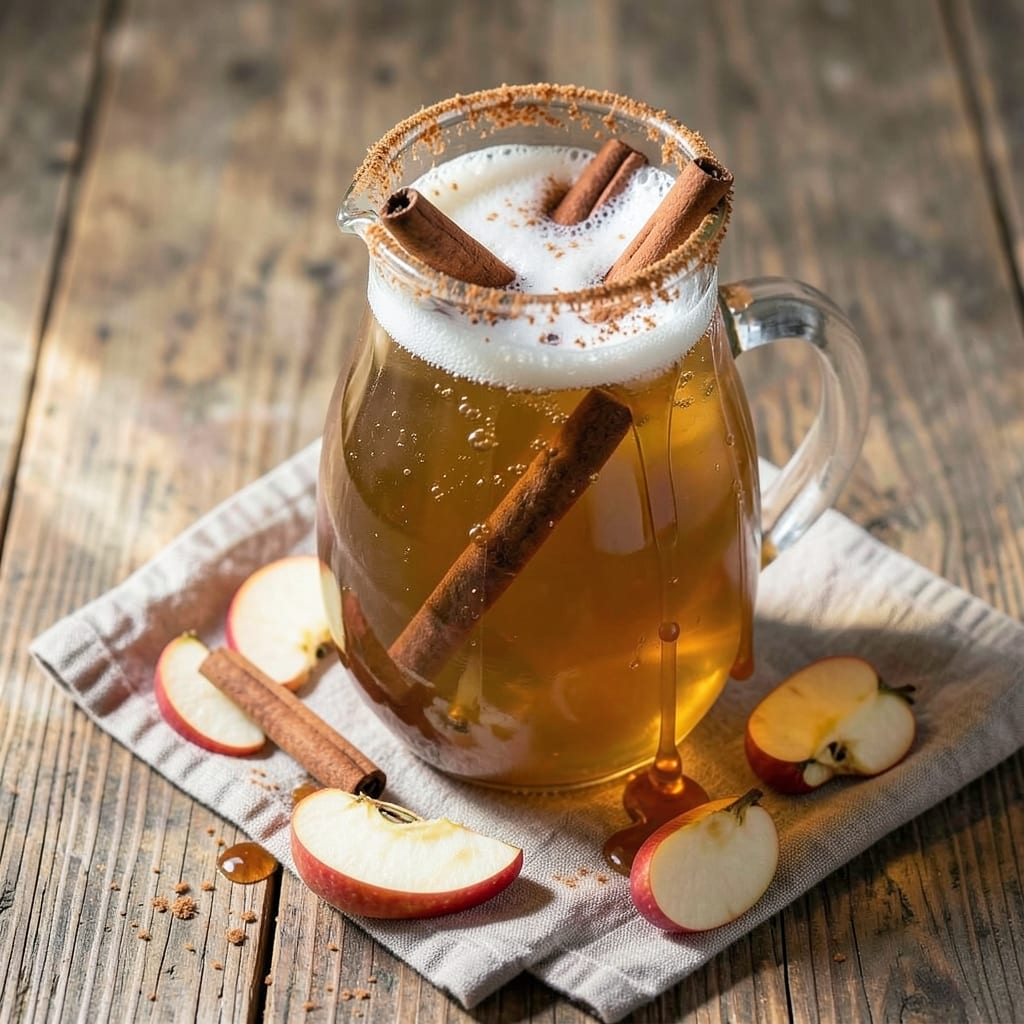
This apple cinnamon hard cider recipe transforms simple apples and spices into a rich, fermented sipper that tastes like autumn in a glass. The secret lies in caramelizing apple chunks before fermentation—this creates deep, molasses-like sweetness that balances the cinnamon's warmth. Unlike store-bought versions, this method lets you control the alcohol content and spice levels precisely, resulting in a drink that's both complex and approachable.
We'll use a traditional fermentation process with wild yeast from apple peels (no need for store-bought yeast) and a 5-day cold fermentation to develop subtle apple notes without overpowering the cinnamon. The recipe includes safety notes about alcohol levels and proper sanitation—critical for first-time home brewers. What makes this stand out is the caramelization step, which gives the cider its signature depth without added sugar.
By the end, you'll have a golden, aromatic cider with hints of caramel, cinnamon, and apple cider vinegar complexity. It's perfect for sipping by a fire, gifting in bottles, or using as a cocktail base. The process is straightforward but requires patience—fermentation takes about 10 days, but the reward is a drink that tastes homemade in the best way.
For those new to brewing, I've included troubleshooting tips for cloudiness, carbonation control, and adjusting sweetness. This recipe delivers restaurant-quality results without requiring specialized equipment—just a large pot, fermentation vessel, and time. Let's get started on your first batch!
Ingredients for apple cinnamon hard cider
Simple ingredients with big flavor—transforming apples and spices into a rich, fermented sipper.
| Ingredient | Amount | Notes |
|---|---|---|
| Apples (Honeycrisp or Fuji) 🍎 | 4 lb | Peeled, cored, cut into 1-inch chunks |
| Granulated Sugar 🍚 | 1 ½ cups | For caramelization (organic preferred) |
| Cinnamon Sticks 🌿 | 4 whole | Ceylon preferred for delicate flavor |
| Ground Cinnamon 🌶️ | 2 tbsp | For fermentation blend (organic preferred) |
| Apple Cider Vinegar 🍶 | ½ cup | Raw, unfiltered for probiotics |
| Chlorine-Free Water 💧 | 6 cups | Filtered or bottled for fermentation |
| Active Dry Yeast 🍞 | ¼ tsp | Optional for faster fermentation |
| Lemon Juice 🍋 | 1 tbsp | Freshly squeezed for acidity |
| Honey 🍯 | ¼ cup | Local raw honey for fermentation |
| Star Anise Pods 🌱 | 2 whole | Optional for complexity (remove before drinking) |
| Cloves 🌿 | 4 whole | Whole, for aroma infusion |
| Sanitizing Solution 🧼 | ½ cup | Star San or 1 tsp unscented bleach per gallon |
The apples are everything here. Honeycrisp or Fuji have the perfect balance of sweetness and acidity—Granny Smith adds tartness if you want complexity. Grab organic if possible, but conventional works too. The caramelization step is non-negotiable—this is what creates that deep, molasses-like sweetness. Costco or local orchards often have bulk apple deals in fall, and the vinegar should be raw and unfiltered from Trader Joe's or health food stores. For the yeast, I usually skip it since we're relying on wild fermentation, but Lalvin EC-1118 from a brewing supply store gives you more control if you're nervous.
No Ceylon cinnamon? Regular cassia works, but it's stronger—use half the amount. Star anise optional but worth it for that subtle licorice note. Short on apples? Pear chunks work too, though the flavor shifts. The chlorine-free water is critical—tap water often contains chlorine that can kill yeast. If you're in a bind, let tap water sit out overnight to dissipate chlorine. For the sanitizing solution, Star San is my go-to, but a 1 tsp unscented bleach per gallon of water works in a pinch. Just make sure everything's properly rinsed before drinking.
Store your fermenting cider in a cool, dark place—55-65°F is ideal. The caramelized apple mixture keeps in the fridge for 3 days before fermentation. Once bottled, it'll last 6-12 months in the fridge. I always make extra—this stuff makes great gifts. For serving, chill for 2 hours to let the flavors meld. The longer it sits, the more complex it gets. Trust me, the first batch won't be your last.
Why You'll Love This Recipe
- Fewer Ingredients, Same Magic: Honestly, I was skeptical—just apples, sugar, and cinnamon? But the acidity from that apple cider vinegar cuts through the sweetness just right. No fancy syrups, no overpriced extracts, just pure, warm, spiced cider that tastes like autumn in a mug.
- Spiced Like a Bakery: Between us, this isn’t your basic apple juice. The cinnamon sticks steep into the simmering mix, releasing that deep, woody warmth while the ground cinnamon adds a cozy dusting—like sipping a cinnamon roll’s twin. Honeycrisp apples? They’re the secret; their natural sweetness means less sugar, but you’d never guess.
- Weeknight or Weekend Star: I make this when I’m hosting and when I’m just heating leftovers. Serve it chilled with a sprinkle of cinnamon over vanilla ice cream for dessert, or warm it up with a splash of bourbon for a grown-up hot toddy. (Yes, even on a Tuesday night.)
- No Waste, All Win: That half-bag of sugar? Gone. The cinnamon sticks? Used twice. The apples? If you’re not using them for this, they’re going to pancakes or oatmeal anyway. And the leftovers? They keep for weeks in the fridge—just reheat and enjoy. Budget-friendly? More like pocket-friendly.
Step-by-step instructions for apple cinnamon hard cider
Transform fresh apples into a rich, spiced hard cider with deep caramelized flavors and warming cinnamon notes.
Sanitize Equipment and Prepare Apple Base
Start by thoroughly cleaning all equipment with the 0.5 cup Sanitizing Solution—this prevents contamination during fermentation. Dissolve the sanitizer in a small amount of water and wipe down your fermentation vessel, airlock, and any utensils. For the apples, peel, core, and cut the 4 lb Apples (Honeycrisp or Fuji) into 1-inch chunks using a sharp knife or mandoline. The larger the chunks, the more texture your cider will have, but they should still break down during cooking.
Transfer the apple chunks to a large pot and add 6 cups Chlorine-Free Water, covering them completely. Bring to a boil over medium-high heat, then reduce to a simmer for 20-25 minutes until the apples soften and begin to break down. You'll know they're ready when a wooden spoon glides through easily and the mixture takes on a thick, jam-like consistency. This step develops the caramelized apple depth that makes this cider special.
Caramelize and Infuse with Spices
While the apples cook, prepare your spice blend by tying the 4 whole Cinnamon Sticks and 2 whole Star Anise Pods together with kitchen twine, then add the 4 whole Cloves to the bundle. Once the apples are soft, carefully crush them with a potato masher or wooden spoon to create a chunky purée. Stir in the spice bundle, 1.5 cups Granulated Sugar, and 2 tbsp Ground Cinnamon, then simmer uncovered for another 15-20 minutes until the mixture thickens and darkens slightly. You're looking for a deep amber color and a rich, spiced aroma—this is where the caramelization happens.
Real talk: Don't rush this step. The longer you simmer, the more complex the flavors become. If the mixture starts to stick, add a splash of the Chlorine-Free Water to keep it moving. Once it reaches the desired consistency (thick but still pourable), remove from heat and let it cool to room temperature—about 30-45 minutes. This cooling phase is crucial before adding yeast.
Add Fermentation Agents and Acidify
Once the mixture has cooled to room temperature, stir in the 0.25 tsp Active Dry Yeast, 0.25 cup Honey, and 1 tbsp Lemon Juice. The yeast will activate the fermentation process, while the honey and lemon juice balance the flavors and create the right environment for fermentation. Add the 0.5 cup Apple Cider Vinegar next—this adds probiotics and helps preserve the cider while giving it a bright, tangy edge that cuts through the sweetness.
Give everything a gentle stir to combine, then carefully pour the mixture into your sanitized fermentation vessel, leaving about 2 inches of headspace at the top. This prevents overflow as the cider ferments. Cover with a clean cloth or lid (but leave it slightly ajar or use an airlock if available) and let it sit at room temperature for 3-5 days, stirring gently once daily. You'll see bubbles forming on the surface—this is the yeast doing its job and converting sugars into alcohol.
Ferment and Bottle for Carbonation
After 3-5 days, taste the cider—it should be slightly fizzy and have a mild alcoholic kick. If you prefer a stronger cider, let it ferment longer (up to 7 days), but taste frequently to avoid over-fermentation. Once it reaches your desired strength, strain out the spice bundle and any remaining apple solids using a fine-mesh sieve or cheesecloth. Transfer the liquid to sanitized bottles, leaving 1 inch of headspace at the top to allow for carbonation.
Seal the bottles tightly and let them sit at room temperature for 24-48 hours to develop natural carbonation. After this period, refrigerate the cider to halt fermentation and enjoy within 1-2 weeks for the freshest flavor. The cold temperature will also help the carbonation settle, giving you a perfectly balanced, spiced sipper perfect for winter.
Pro Tips For Making Apple Cinnamon Hard Cider
- Simmer Slow and Steady: Use low heat once the cider reaches a boil—too much splashing turns your hard cider into a weak tea. I learned this the hard way after making a batch that tasted like apple juice with a hint of cinnamon.
- Core Apples Before Cooking: Peel and slice apples into even ¼-inch chunks—they’ll soften faster and release flavor more evenly. Uneven pieces mean some will turn to mush while others stay tough, and nobody wants that texture fight.
- Add Cinnamon Sticks Early: Drop in cinnamon sticks at the start, not halfway through—they’ll infuse flavor better without overpowering. I used to wait, and the cider always tasted like cinnamon was an afterthought.
- Strain Twice for Smoothness: First strain through a fine-mesh sieve to catch pulp, then a cheesecloth for silky texture. Skipping this step leaves your cider gritty, and trust me, you’ll notice the difference.
Perfect pairings for these flavors
Spiced Cocktail Base
Use your apple cinnamon hard cider as the foundation for cozy fall cocktails. Mix 2 oz cider with 1 oz bourbon and a dash of orange bitters for a spiced apple old-fashioned. For a non-alcoholic version, combine 3 oz cider with ½ oz ginger syrup and top with sparkling apple cider. The cinnamon and caramelized apple flavors shine in both versions. 🍹
Baking Ingredient
Substitute apple cider for apple juice in baked goods like muffins or pies. Replace 1 cup apple juice with 1 cup cider in recipes for deeper spice notes. It works especially well in apple cinnamon muffins or caramel apple bars. The alcohol content adds moisture while the spices enhance flavor. Store-bought cider lacks this complexity!
Gravy Enhancer
Use reduced cider as a sauce for roasted meats or mashed potatoes. Simmer 2 cups cider with 1 tbsp butter and 1 tsp flour until thickened. Add a pinch of cinnamon for warmth. This works beautifully with roast pork or sweet potatoes. The caramelized apple depth elevates simple dishes to restaurant quality. ✨
Cheese Pairings
Serve with sharp cheeses that complement the cider's sweet-spicy profile. Try aged cheddar, brie, or goat cheese on a charcuterie board. The acidity in the cider cuts through rich cheeses while the cinnamon adds warmth. For a sweet pairing, serve with cinnamon-spiced nuts or dark chocolate squares.
Beverage Pairings
Pair with warm drinks like chai tea or hot mulled wine for a cozy fall spread. The cider's spice notes harmonize with these beverages. For a refreshing contrast, serve with sparkling water and lime. The effervescence cleanses your palate between sips. I love hosting gatherings where guests can sample both warm and cold versions. 🍂
Nutrition facts
Frequently asked questions
Can I use frozen apples instead of fresh?
Fresh apples are ideal for this recipe, but you can use frozen apples in a pinch. Thaw them completely first, then drain any excess liquid before using. The texture will be slightly softer, but the flavor remains excellent. Avoid pre-cooked or canned apples—they lack the freshness needed for proper caramelization and fermentation.
How do I know when fermentation is complete?
Fermentation is done when the bubbles slow significantly and the cider develops a pleasant, slightly fizzy mouthfeel. Taste it daily after 3 days—it should have a mild alcoholic kick (around 4-6% ABV) and balanced sweetness. If it tastes overly sharp or dry, fermentation may have gone too far. For safety, stop when you're happy with the flavor.
Why is my cider cloudy after bottling?
Cloudiness is normal during active fermentation but should clear within 24-48 hours after bottling. If it stays cloudy, your cider may need more time to settle or could have been exposed to contaminants. Ensure all equipment was properly sanitized, and avoid using tap water with chlorine. For extra clarity, chill the cider for 2 hours before serving.
Can I adjust the alcohol strength?
Yes! For a stronger cider, ferment longer (up to 7 days) or add 0.5 cup extra sugar per batch to feed the yeast. For a lighter version, reduce fermentation time to 2-3 days or use less honey. Remember, each 1 cup sugar typically produces about 1% ABV. Always taste test to gauge your preference.
What's the best way to store leftover cider?
Store unopened bottles in the fridge for up to 6 months, and opened bottles for 1-2 weeks. The cold temperature slows fermentation and preserves freshness. If you notice continued fizziness, the yeast is still active—transfer to a clean bottle with fresh airlock or consume quickly. Freezing isn't recommended as it can alter texture and flavor.