
Beverages
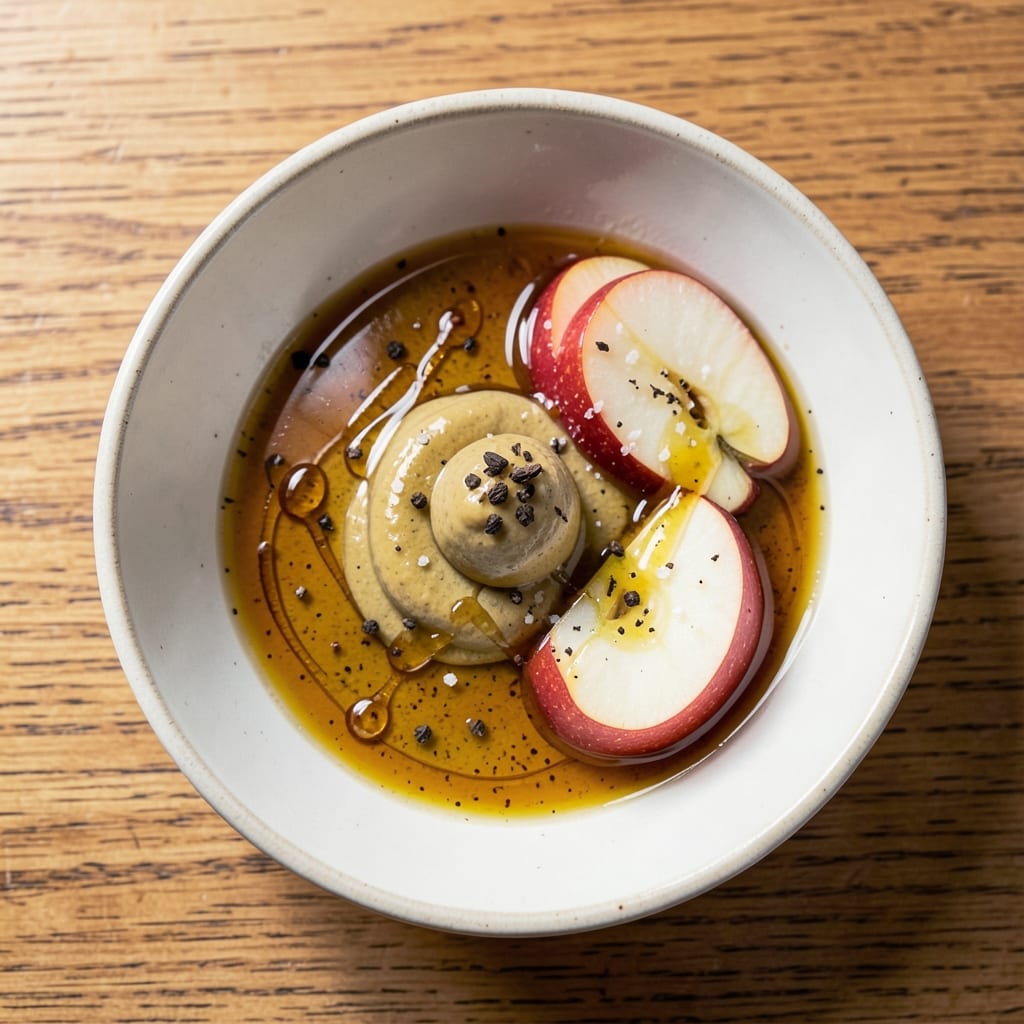
This apple cider Dijon vinaigrette recipe transforms ordinary salads into vibrant, tangy masterpieces with just five simple ingredients and five minutes of prep. The balance of sweet apple cider vinegar and sharp Dijon mustard creates a complex flavor that bridges sweet, tangy, and savory notes—ideal for fall harvests or year-round brightening. Unlike store-bought dressings, this version stays fresh for up to a week in the fridge, making it perfect for meal prep enthusiasts.
The secret lies in the 3:1 oil-to-acid ratio, a classic vinaigrette principle that ensures proper emulsification without overpowering the delicate apple cider flavor. Dijon mustard acts as both an emulsifier and flavor enhancer, while a touch of honey rounds out the sharpness. This dressing works equally well on crisp greens, roasted Brussels sprouts, or as a dipping sauce for crusty bread—its versatility makes it a pantry staple.
What sets this recipe apart is its ability to elevate simple ingredients with minimal effort. The apple cider vinegar adds depth that generic vinegar lacks, while the Dijon mustard provides a subtle heat that lingers. Once you taste the difference, you’ll never reach for bottled dressings again. The result is a bold, balanced dressing that enhances rather than overpowers your dishes.
Whether you're prepping for a week of lunches or adding finishing flair to a dinner salad, this vinaigrette delivers consistent, restaurant-quality results. The recipe scales effortlessly—double or halve it without affecting flavor. Store it in an airtight container to preserve its bright tang for up to seven days, ensuring you always have a flavorful boost ready whenever inspiration strikes.
Ingredients for apple cider dijon vinaigrette
Five ingredients transform into a restaurant-quality vinaigrette with perfect balance of sweet, tangy, and savory notes.
| Ingredient | Amount | Notes |
|---|---|---|
| Extra-Virgin Olive Oil 🫒 | ¾ cup | High-quality, fruity variety preferred |
| Apple Cider Vinegar 🍎 | ¼ cup | Braeburn or Granny Smith preferred |
| Dijon Mustard 🌶️ | 1 tbsp | Whole grain preferred for texture |
| Raw Honey 🍯 | 1 tbsp | Local honey ideal for depth |
| Diamond Crystal Kosher Salt 🧂 | ½ tsp | Fine grain for even dissolution |
| Freshly Ground Black Pepper 🌶️ | ¼ tsp | Freshly cracked for maximum aroma |
| Garlic Cloves 🧄 | 1 whole | Minced for subtle depth (optional) |
The extra-virgin olive oil should be the star here—look for bottles labeled 'first press' at Whole Foods or Trader Joe's, where the fruity notes are most pronounced. Apple cider vinegar matters just as much; avoid the cheap white vinegar substitutes—Braeburn or Granny Smith varieties from Walmart's Great Value or Costco offer that signature apple complexity without breaking the bank. Dijon mustard is non-negotiable for emulsification—Maille is the gold standard, but Annie's organic works perfectly for home cooks. The honey should be raw and local if possible, as it adds subtle floral notes that store-bought honey lacks. For the garlic, fresh is ideal, but if you're in a pinch, garlic powder at half the amount works in a bind.
No Dijon mustard? Whole grain mustard at the same quantity or 1 tsp yellow mustard plus 1/2 tsp honey mimics the texture. Running out of apple cider vinegar? White wine vinegar or balsamic vinegar (reduce honey to 1/2 tbsp) works, though the flavor profile shifts slightly. The garlic can be omitted entirely if you dislike its presence, but it adds a subtle depth that enhances the dressing's complexity. For a gluten-free version, ensure your Dijon is certified gluten-free (some brands contain wheat). If you prefer a sweeter dressing, increase honey to 1.5 tbsp, or for extra tang, add 1/2 tsp lemon juice. The salt and pepper are flexible—adjust to taste, but don't skip them entirely.
This vinaigrette stays fresh for up to 7 days in an airtight container in the fridge, with the flavors actually improving as the ingredients meld. For longer storage, transfer to a sterilized glass jar and freeze for up to 3 months—thaw in the fridge before use. To extend freshness, add a thin layer of olive oil on top before sealing, which prevents oxidation. Double the recipe and store in small jars for convenient meal prep—perfect for lunches or quick salad dressings. The dressing thickens slightly when refrigerated; simply whisk in 1-2 tsp water to restore consistency before using.
Why You'll Love This Recipe
- Five-Ingredient Magic: I swear by this combo—just oil, vinegar, mustard, honey, and salt. Honestly, if you’ve got those in your pantry, you’re already halfway there. No fancy gadgets, no last-minute grocery runs, just pure, unapologetic flavor.
- Tangy-Sweet Balance: That honey and Dijon mustard? They’re the dynamic duo. The vinegar cuts through the richness of the olive oil while the honey rounds it out—like a crisp autumn bite with a velvety finish. I’ll be real: it’s the kind of dressing that makes you pour extra, even when you’re trying to be responsible.
- Salad Sidekick: This isn’t just for greens—it’s my go-to for roasted veggies, grilled chicken, or even drizzled over a charcuterie board. (Yes, even on a Tuesday night.) The acidity cuts through fatty meats, and the sweetness makes everything feel a little more special without trying too hard.
- Lasts All Week: Make a big batch and store it in the fridge—it doesn’t separate, it doesn’t get weird, and it’s still fresh by Friday. Between us, this is my secret weapon for lazy lunches and last-minute dinners. Plus, it’s cheaper than buying fancy dressings, and you’ll never regret having it on hand.
Step-by-step instructions for apple cider Dijon vinaigrette
This vinaigrette delivers a perfect balance of tangy, sweet, and savory notes every time.
Whisk Together the Base Ingredients
In a medium bowl, combine the 0.75 cup extra-virgin olive oil with the 0.25 cup apple cider vinegar. Start with a whisk and cut through the oil slowly to emulsify the mixture. The vinegar will initially resist blending, but with steady strokes, you'll see it begin to incorporate into the oil, creating a smooth, cloudy liquid.
This emulsification process is crucial—it prevents the oil and vinegar from separating later. I like to whisk for about 30 seconds at this stage, just until the mixture starts to thicken slightly. The texture should resemble heavy cream rather than two distinct layers.
Incorporate Dijon Mustard and Honey
Add the 1 tablespoon Dijon mustard to the bowl and whisk vigorously for 15-20 seconds until fully combined. The mustard acts as an emulsifier, helping to bind the oil and vinegar more permanently. Next, pour in the 1 tablespoon raw honey and whisk again for another 15 seconds until the honey dissolves completely.
At this point, the mixture should begin to take on a glossy sheen. The honey not only adds sweetness but also enhances the emulsification, creating a stable dressing that won't separate. Taste the mixture now—you should detect a balance of tangy vinegar, rich oil, and subtle sweetness with a hint of mustard's depth.
Season with Salt, Pepper, and Garlic
Add the 0.5 teaspoon Diamond Crystal kosher salt and 0.25 teaspoon freshly ground black pepper to the bowl. Whisk these in thoroughly for 10 seconds until the salt dissolves completely. The salt enhances all the flavors, while the pepper adds a subtle warmth that cuts through the richness.
If using, mince the 1 whole garlic clove and add it to the mixture. Whisk for another 10 seconds to distribute the garlic evenly. The garlic adds a subtle, aromatic depth that complements the apple cider's natural sweetness. For a more pronounced garlic flavor, you can increase the amount slightly, but start with this measurement to avoid overpowering the delicate balance.
Final Emulsification and Taste Adjustment
Whisk the vinaigrette for an additional 20-30 seconds to ensure all ingredients are fully incorporated. The dressing should now have a silky, velvety texture with no visible separation. If it appears slightly thick, add 1-2 teaspoons of water and whisk again until smooth.
Taste the vinaigrette and adjust the seasoning as needed. You might need a touch more salt, a splash of vinegar for tang, or a drizzle of honey for sweetness. The goal is a harmonious blend where no single flavor dominates. Once balanced, transfer the dressing to a clean jar or airtight container. It will keep in the refrigerator for up to 1 week, making it perfect for meal prep.
Pro Tips For Making Apple Cider Dijon Vinaigrette
- MUSTARD FIRST: Mix the Dijon into the vinegar and honey before adding oil—this keeps everything emulsified and smooth. I learned this the hard way after making a lumpy mess that took forever to fix.
- SALT THE VINEGAR: Add the kosher salt to the vinegar-honey-mustard mix before emulsifying—it dissolves better and balances flavor right from the start. (Yes, even if you’re impatient like me.)
- OIL IN STAGES: Pour in half the olive oil first, whisk like crazy, then add the rest slowly. This prevents a greasy split and ensures every drop binds properly.
- HONEY TO TASTE: Start with 1 teaspoon, then adjust—raw honey varies in sweetness, and you want the acidity and mustard to shine. Taste after emulsifying, not before.
Wine and beer pairings for apple cider dijon vinaigrette
Crisp White Wine
This vinaigrette pairs beautifully with dry white wines that complement its apple and Dijon notes. I recommend a Chardonnay from California’s Central Coast—look for unoaked varieties like La Crema or Bogle Vineyards. The crisp acidity and subtle citrus undertones mirror the apple cider’s brightness, while the wine’s minerality balances the dressing’s richness. Serve it slightly chilled (45-50°F) to enhance the refreshing contrast. 🍷
Apple Cider Beer
For beer lovers, a hard cider or apple cider-inspired ale elevates the experience. Try Angry Orchard Crisp Apple Cider or Hudson Hard Cider—both feature apple-forward flavors that harmonize with the dressing’s sweet-tangy profile. Alternatively, a Belgian witbier like Hoegaarden adds effervescence and coriander notes that cut through the vinaigrette’s depth. Serve the beer slightly colder (40-45°F) to highlight its crispness.
Sparkling Wine
A Prosecco or Cava brings a celebratory touch to any dish dressed with this vinaigrette. The bubbles cleanse the palate between bites, while the wine’s floral and citrus notes complement the apple cider’s natural sweetness. Opt for a dry or brut style to avoid clashing with the dressing’s tang. Chill thoroughly (38-42°F) to preserve its effervescence and refreshing quality. ✨
Red Wine (For Heartier Dishes)
If serving the vinaigrette on roasted root vegetables or charcuterie boards, a Pinot Noir or Gamay works surprisingly well. These lighter reds won’t overpower the dressing’s flavors but add a juicy, fruit-forward contrast. Choose a California Pinot Noir like Meiomi or a French Beaujolais for a bright, approachable match. Serve at 60-65°F to let its red fruit notes shine alongside the apple cider’s tang.
Non-Alcoholic Options
For a refreshing non-alcoholic pairing, try sparkling apple cider like Martinelli’s or Woodchuck Hard Cider’s non-alcoholic version. The effervescence and apple notes create a seamless match. Alternatively, a ginger beer with a squeeze of lime adds a zesty kick that complements the vinaigrette’s complexity. Serve both chilled (40-45°F) for the best experience. 🍎
Nutrition facts
Frequently asked questions
Can I make this vinaigrette without honey?
Yes! Replace the honey with 1 tablespoon maple syrup or 1 teaspoon agave nectar for a similar sweetness level. For a more tangy profile, use 1/2 teaspoon lemon juice instead. The honey adds depth, but these alternatives work well for dietary preferences.
Why did my vinaigrette separate?
Separation happens when the oil-to-acid ratio isn't properly emulsified. Whisk more vigorously for 30-45 seconds or add 1/2 teaspoon Dijon mustard to help bind the mixture. If it's already separated, simply whisk again before using—it's still safe to eat!
How can I use this dressing beyond salads?
This versatile vinaigrette works as a marinade for grilled chicken or pork tenderloin, a dipping sauce for crudité, or a glaze for roasted vegetables. Drizzle it over charcuterie boards or use it to deglaze pans after cooking. The apple cider's sweetness caramelizes beautifully when reduced!
Can I make this gluten-free?
Use a gluten-free Dijon mustard (like Annie's or Primal Kitchen) or substitute with 1/2 teaspoon xanthan gum mixed with 1 tablespoon water as an emulsifier. Check all other ingredients for hidden gluten—most vinegars and oils are naturally gluten-free.
What's the best way to store leftovers?
Transfer to an airtight glass jar and refrigerate for up to 7 days. The flavors actually improve as they meld! For longer storage, freeze in ice cube trays—thaw overnight in the fridge before using. Always whisk before serving to restore consistency.