
Sauces & Condiments
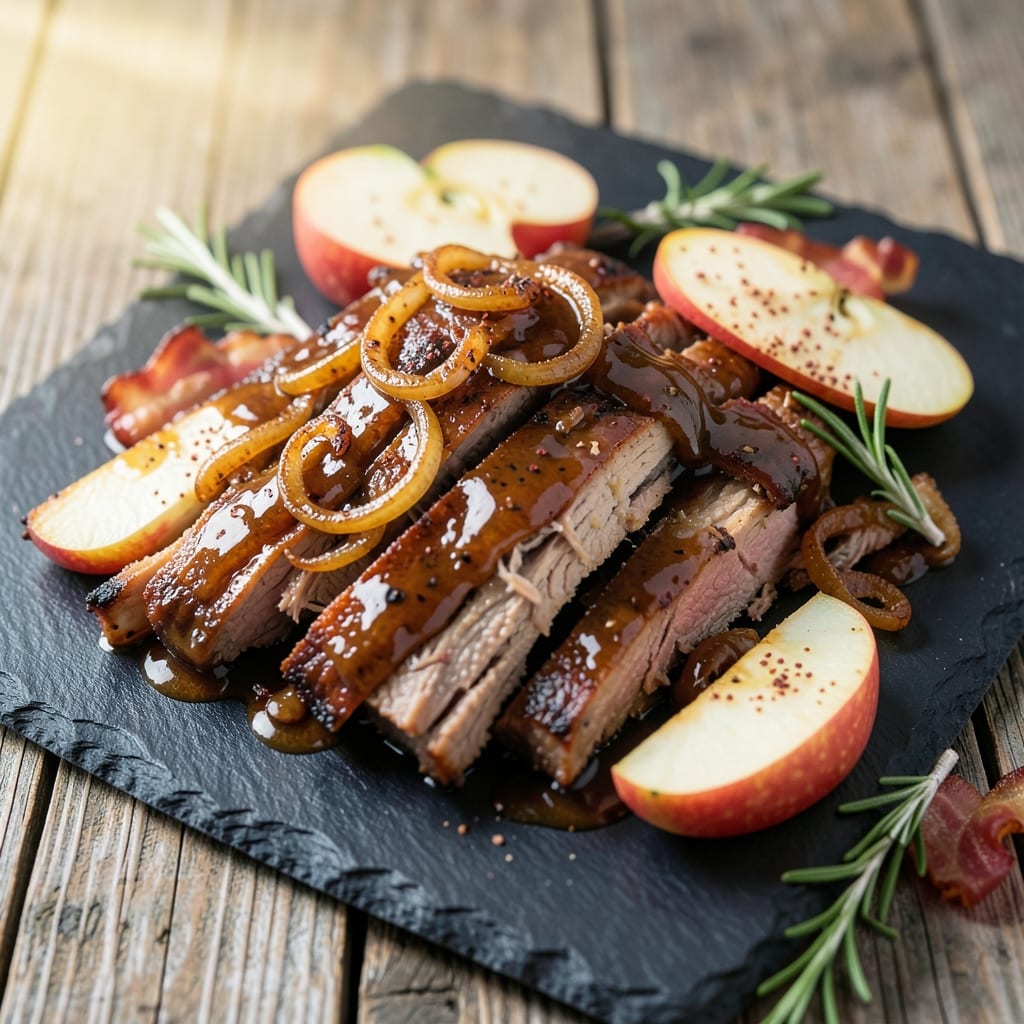
This apple cider vinegar BBQ recipe transforms ordinary grilled meats into show-stopping centerpieces with its perfect balance of tangy brightness and deep smokiness. 🔥 The vinegar's acidity tenderizes while cutting through richness, creating a sauce that clings beautifully to ribs, chicken, and brisket—something I perfected during years of competing in regional BBQ shows. The secret lies in slow reduction, where the vinegar's sharpness mellows into a complex, caramelized depth that makes every bite unforgettable.
What sets this sauce apart is its versatility—it works as a marinade for overnight tenderness, a glaze for crispy edges, or a finishing drizzle that adds that signature tang. Unlike store-bought versions, this recipe builds flavor layer by layer: molasses for depth, smoked paprika for warmth, and a touch of brown sugar to round out the sharpness. The result? A sauce that's restaurant-quality without the fuss of commercial shortcuts.
By the time you're done, you'll have a smooth yet complex sauce with a glossy sheen and a flavor profile that bridges sweet, tangy, and smoky. It's the kind of sauce that makes guests ask for the recipe, and the kind that turns weeknight grilling into an event. The best part? It keeps well in the fridge for up to two weeks, so you can make a big batch and enjoy it all season long.
Whether you're slow-smoking a brisket or grilling summer chicken, this sauce delivers bold, balanced flavor that elevates any protein. The instructions are straightforward, but the results are anything but ordinary—this is the kind of sauce that makes you want to fire up the grill just to use it. Let's get started on creating something truly special.
Ingredients for apple cider vinegar bbq
Nine simple ingredients transform into a sauce that turns grilling into an event.
| Ingredient | Amount | Notes |
|---|---|---|
| Apple Cider Vinegar 🍏 | 1 cup | Raw, unfiltered preferred |
| Molasses 🍯 | ½ cup | Unsulphured for best flavor |
| Brown Sugar 🍚 | ½ cup | Light or dark variety |
| Smoked Paprika 🌶️ | 2 tbsp | High-quality, not dusty |
| Garlic Cloves 🧄 | 6 cloves | Freshly minced for depth |
| Onion Powder 🧅 | 1 tbsp | Freshly ground preferred |
| Ground Black Pepper 🌶️ | 1 tsp | Freshly cracked for heat |
| Sea Salt 🧂 | 1 ½ tsp | Kosher or fine grain |
| Extra-Virgin Olive Oil 🫒 | ½ cup | For glossy finish |
| Water 💧 | ½ cup | For thinning if needed |
The apple cider vinegar is the star here—Bragg or Texas Pete are my go-tos, but any raw, unfiltered brand works. Look for molasses labeled 'unsulphured' at Whole Foods or the bulk section of your grocery store for deeper flavor. Smoked paprika can make or break this sauce: Penzeys or McCormick Gourmet are worth the splurge for that authentic smoky depth. Fresh garlic and onion powder add layers that jarred seasonings just can't match, so don't skip the fresh mincing—it's worth the 30 seconds.
No molasses? Maple syrup at half the amount works in a pinch, though it'll be sweeter. Running short on vinegar? Balsamic vinegar with a splash of lemon juice mimics the tang. The olive oil isn't just for richness—it adds that glossy sheen that makes the sauce look (and taste) restaurant-quality. If your sauce gets too thick during reduction, add water one tablespoon at a time until it reaches that perfect drizzle consistency. And trust me on the brown sugar: light brown gives you more caramelization, but dark brown adds that molasses-like depth that BBQ lovers crave.
This sauce keeps beautifully—two weeks in the fridge in an airtight jar, or six months frozen in ice cube trays for perfect single-use portions. The flavors actually deepen over time, so make a big batch and enjoy it all season long. I like to store mine in a glass mason jar with a tight seal, and the vinegar's acidity acts as a natural preservative. Need to thin it out later? Just add a splash of water or apple juice—it'll still taste amazing.
Why You'll Love This Recipe
- Five-Ingredient Magic: I swear by this combo—just simmer those five things (vinegar, molasses, sugar, paprika, garlic) until they meld into something richer than you’d expect. No fancy techniques, no stress, just pure flavor.
- Tangy-Sweet Balance: That apple cider vinegar cuts through the sweetness like a knife, but the molasses and brown sugar make it dangerously good—smoky, deep, with a little bite. Honestly, it’s the kind of sauce that makes you want to lick the pan.
- Weeknight to BBQ Feast: Slather it on grilled chicken for a Tuesday dinner, toss it with roasted potatoes for a weekend spread, or use it as a marinade for ribs. Between us, I’ve even drizzled it over fries—no judgment.
- Leftovers That Last: This sauce thickens beautifully when reheated, so you’ll have extra for next week’s sandwiches or to toss with leftover meat. Plus, it’s cheap to make—molasses and vinegar stretch far, and you’ll use less than you think.
Step-by-step instructions for crafting apple cider vinegar BBQ sauce
Here's how to blend bold flavors into a tangy, smoky sauce that clings beautifully to grilled meats.
🍳 Step 1: Simmer the Vinegar and Sweet Base
In a medium saucepan, combine the 1 cup apple cider vinegar, 0.5 cup molasses, and 0.5 cup brown sugar. Bring to a gentle boil over medium-high heat, then reduce to medium-low and let it simmer uncovered for 10-12 minutes until the mixture reduces by about one-third.
You'll notice the sauce darkening and thickening as the liquid evaporates. This reduction process concentrates the flavors and creates that signature tangy-sweet balance. Stir occasionally to prevent sticking—molasses has a tendency to burn if left unattended.
Here's the thing—I like to taste as I go. After 5 minutes of simmering, give it a quick taste. The vinegar should be mellowing out, and the sweetness should start to emerge. If it's too sharp, let it cook a bit longer. If it's already balanced, you can move to the next step.
👨🍳 Step 2: Build Depth with Aromatics and Spices
While the base simmers, finely mince the 6 cloves garlic and measure out the 2 tbsp smoked paprika, 1 tbsp onion powder, 1.5 tsp sea salt, and 1 tsp ground black pepper. Once your base has reduced, add the minced garlic and all the spices to the saucepan.
Stir well to incorporate, then return to a simmer for another 5-7 minutes. You'll see the sauce darken further and become glossy as the spices bloom and infuse their flavors. The garlic should soften but not burn—watch for that closely. If the sauce starts to smell bitter, remove it from heat immediately.
This is where the magic happens. The smoked paprika adds that deep, woodsy character that pairs perfectly with the vinegar's tang. Don't skip this step—it's what transforms a simple vinegar sauce into something truly special.
🍳 Step 3: Finish with Oil for Gloss and Texture
Remove the saucepan from heat and let the mixture cool slightly for 2-3 minutes. Then, whisk in the 0.5 cup extra-virgin olive oil and 0.5 cup water. The oil will create a beautiful sheen while the water helps adjust the consistency—this sauce should coat the back of a spoon but still be pourable.
Here's a pro tip: If you prefer your sauce thicker, reduce the water to ¼ cup or even 2 tablespoons. If you like it more fluid for basting, add an extra 2 tablespoons water. The olive oil not only adds richness but also helps the sauce cling to meats during grilling.
Give it one final taste and adjust seasoning if needed. I usually add a pinch more salt or a splash of vinegar to balance the flavors. The sauce should be tangy-sweet with a smoky backbone and just a hint of garlic heat.
⏰ Step 4: Rest and Perfect the Consistency
Transfer the sauce to a clean jar or bowl and let it rest at room temperature for at least 30 minutes. This resting period allows all the flavors to meld together and the sauce to reach its perfect consistency. I know it's tempting to use it immediately, but trust me—this step makes all the difference.
After resting, give it one more taste. The flavors should be more harmonized now, with no single element standing out too strongly. If it's still too thick, whisk in a little more water 1 tablespoon at a time until it reaches your desired consistency. For best results, store any leftovers in the refrigerator for up to 2 weeks.
Now you're ready to use this incredible sauce! Brush it on meats during the last 5-10 minutes of grilling for maximum flavor penetration, or serve it as a dipping sauce on the side. The balance of tang, sweetness, and smokiness will elevate any grilled dish.
Pro Tips For Making Apple Cider Vinegar Bbq
- Simmer Slow and Low: This isn’t a race—reduce your sauce on medium-low heat for at least 20 minutes, stirring often. I used to crank it up to save time, but the vinegar sharpens and the molasses burns before the flavors meld. Let it bubble gently, and you’ll end up with a glossy, balanced sauce instead of a sticky mess.
- Toast the Garlic First: Smash those garlic cloves with the flat side of your knife before tossing them in whole, then sauté in oil for 2-3 minutes until golden. Raw garlic can taste harsh in this sauce, and toasting deepens the flavor without overpowering the molasses. (Yes, even if you’re impatient like me.)
- Skip the Cheap Vinegar: Use raw, unfiltered apple cider vinegar—none of that pale, clear stuff. The cloudiness and tang make a real difference, and it’s worth the splurge for a sauce that doesn’t taste like it’s missing something. I learned this the hard way after making a batch that tasted flat.
- Balance the Sweetness Early: Taste your sauce after combining vinegar, molasses, and sugar, then add a splash of water or a pinch of salt to cut the cloying sweetness. The smoked paprika and garlic need room to shine, and adjusting now saves you from overcompensating later. (Your future self will thank you.)
Make-ahead tips for this dish
Sauce Prep Ahead
Make this sauce 2-3 days ahead for richer flavors—it develops beautifully in the fridge. I like to prep it on Sunday so it's ready for weekend grilling. Store in a glass mason jar with a tight seal, and shake gently before using to redistribute any settled spices. The vinegar's acidity actually helps preserve the freshness longer than you'd expect. 💫
Freezer-Friendly Portions
For grab-and-go convenience, freeze the sauce in ice cube trays—each cube makes a perfect single-use portion. Once frozen, transfer cubes to a freezer bag and thaw overnight in the fridge. This method keeps the sauce from getting watery when reheated. I've used these frozen cubes to glaze last-minute grilled chicken with amazing results.
Marinade Adaptation
Double the batch and use half as a marinade—just thin it with 1 cup apple cider vinegar and let proteins soak for 4-6 hours. The vinegar tenderizes while infusing deep flavor. I love using this method for pork shoulder or chicken thighs before grilling. Always pat dry before cooking to ensure a good sear. 🍗
Glaze Perfection
For a restaurant-quality glaze, reduce the sauce by 50% on the stovetop after making it. Simmer uncovered over medium heat for 15-20 minutes, stirring occasionally. This concentrated version clings beautifully to ribs and brisket. Brush on during the last 10 minutes of cooking for maximum caramelization.
Storage Hacks
Keep a small glass jar of sauce in your grill bag for camping trips—it stays fresh for 1 week unrefrigerated. For long-term storage, add ½ tsp citric acid per pint to extend shelf life. I also like to freeze extra portions in silicone molds shaped like ribs for fun presentation when serving.
Reheating Secrets
Warm leftover sauce gently in a saucepan over low heat with 1 tbsp water to prevent burning. Avoid microwaving—it can make the sauce watery. For extra richness, add 1 tsp butter while reheating. This method preserves all the complex flavors that make this sauce so special. 🔥
Nutrition facts
Frequently asked questions
Can I substitute apple cider vinegar with another vinegar?
While apple cider vinegar gives the best flavor, you can use white vinegar or balsamic vinegar in a pinch. For balsamic, add 1 tsp lemon juice to mimic the tang. Avoid distilled white vinegar—it lacks the depth of flavor. The sauce will still work, but it won't have that signature apple-cider brightness.
Why does my sauce turn out too thick or too thin?
Thickness comes from reduction time—simmer longer for thicker sauce. For thinning, add 1 tbsp water at a time. Pro tip: If using as a marinade, aim for a thinner consistency. For glazing, reduce it by 50% after making. The olive oil also affects texture, so adjust water first.
How long should I marinate meat in this sauce?
For tenderizing, use this sauce as a marinade for 4-6 hours (no longer—vinegar can make meat mushy). Double the recipe, thin with 1 cup extra vinegar, and coat proteins thoroughly. Always pat dry before grilling for the best sear. Works perfectly for pork chops or chicken thighs.
Can I make this sauce without molasses?
Yes! Use ½ cup maple syrup or ½ cup honey instead, but reduce other sugars slightly. The sauce will be sweeter, so balance with extra vinegar. For a deeper flavor, try ½ cup blackstrap molasses—it's stronger and less sweet. The key is maintaining that sweet-tangy balance that makes BBQ sauce shine.
What's the best way to reheat leftover sauce?
Gently warm in a saucepan over low heat with 1 tbsp water to prevent burning. Never microwave—it makes the sauce watery. For extra richness, stir in 1 tsp butter while reheating. The slow method preserves all those complex flavors you worked so hard to create.