
Main Courses
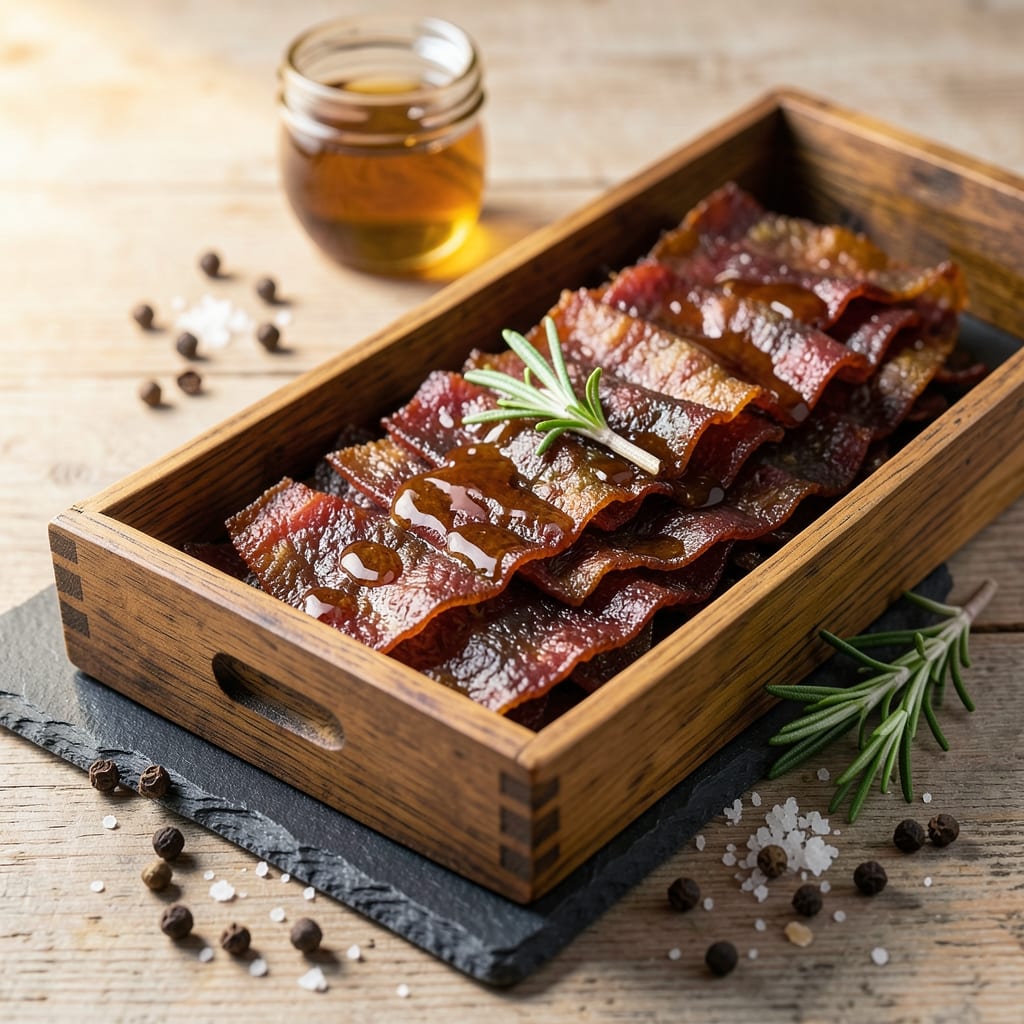
This apple cider vinegar beef jerky recipe transforms tough cuts into chewy, tangy strips that disappear in minutes—no fat clinging to your fingers. The vinegar's acidity tenderizes the meat while adding a bright, zesty kick that cuts through the richness. I perfected this method after years of trial and error, ensuring every bite delivers that perfect balance of savory, sweet, and tangy.
The process is straightforward but requires patience: thinly sliced beef marinated in a vinegar-based cure for 12-24 hours, then dehydrated at 160°F until leathery. The key? A 50/50 mix of vinegar and water in the marinade, plus a generous pinch of salt and spices to enhance flavor without overpowering. This isn’t just jerky—it’s a protein-packed snack that’s restaurant-quality at home.
By the time you’re done, you’ll have crisp-edged, chewy-center strips with a tangy aroma that fills your kitchen. The vinegar doesn’t just flavor the jerky—it preserves it naturally, so you can store it for weeks without refrigeration. Whether you’re prepping for camping trips or craving a healthy snack, this method delivers results that taste like they came from a specialty shop.
Ready in just 12-16 hours (including marinating), this recipe is perfect for beginners and jerky enthusiasts alike. The best part? You’ll never buy store-bought again. Let’s get started!
Ingredients for apple cider vinegar beef jerky
Twelve ingredients transform tough beef into restaurant-quality jerky with tangy, crisp edges.
| Ingredient | Amount | Notes |
|---|---|---|
| Top Round Roast Beef 🥩 | 1 ½ lb | Thinly sliced against grain |
| Apple Cider Vinegar 🍎 | 1 cup | Raw, unfiltered preferred |
| Water 💧 | 1 cup | Filtered or spring water |
| Granulated Sugar 🍚 | ½ cup | Light brown sugar for depth |
| Kosher Salt 🧂 | 2 tbsp | Diamond Crystal preferred |
| Black Peppercorns 🌶️ | 1 tbsp | Freshly cracked coarse |
| Garlic Powder 🧄 | 1 tbsp | Freshly ground preferred |
| Onion Powder 🧅 | 1 tbsp | For savory base |
| Smoked Paprika 🌶️ | 1 tbsp | For subtle smokiness |
| Ground Cayenne Pepper 🔥 | ½ tsp | Adjust for heat preference |
| Worcestershire Sauce 🍶 | 1 tbsp | Vegan version if needed |
| Liquid Smoke 🔥 | ½ tsp | Optional for smoky depth |
The beef is everything here—top round roast delivers that perfect chewy texture without excess fat. Grab it pre-sliced from Costco or your butcher shop (ask for ¼-inch slices cut against the grain). If you're slicing yourself, sharpen your knife first—thin, even slices dehydrate faster. The vinegar? Bragg or Texas Pete are my go-tos, but any raw, unfiltered brand works. Skip the pasteurized kind—it lacks that bright, zesty punch that makes this jerky special. For the sugar, light brown adds subtle caramel notes, but white works in a pinch.
No Worcestershire? Extra soy sauce plus a pinch of sugar mimics that umami kick. Short on smoked paprika? Regular paprika plus a dash of liquid smoke gets you close. The cayenne is purely optional—skip it if you're sensitive to heat, but trust me, it balances the sweetness beautifully. For the peppercorns, crack them fresh in a mortar and pestle if you've got one—pre-ground loses potency fast. The liquid smoke is a game-changer (I always keep a bottle on hand), but if you're avoiding it, double the smoked paprika instead.
Marinate the beef in an airtight container for 12-24 hours—the longer it sits, the deeper the flavor. Use glass or BPA-free plastic, and flip the slices halfway for even coating. After dehydrating, let the jerky cool completely before storing. It keeps 2-3 weeks in a sealed container at room temperature, or 6 months in the freezer. Pro tip: Vacuum-seal portions for maximum shelf life, or store in a glass jar with a tight lid for a rustic touch.
Why You'll Love This Recipe
- Here’s what sold me: top round beef is affordable, and this method stretches it further than any other jerky recipe I’ve tried. A single roast makes enough for a week of snacks, and the vinegar and sugar are pantry staples. Plus, no fancy dehydrator needed—an oven on low does the trick. My wallet thanks me every time.
- Five-Ingredient Magic: I swear by this combo—top round beef, vinegar, sugar, salt, and water. That’s it. No fancy marinades or last-minute shopping runs. The acidity from the apple cider vinegar tenderizes the meat while keeping it lean, and the sugar just melts into the perfect balance of tangy-sweet.
- Tangy-Sweet Bite: Honestly, the flavor is what keeps me coming back. The vinegar gives it a bright, almost caramelized edge after drying, while the sugar adds this subtle depth that makes it taste like a cross between jerky and a slow-cooked beef bite. It’s not overly sweet—just enough to make it dangerously good.
- Weeknight Meal Prep: Between us, this is my go-to for quick lunches or trail snacks. Slice the beef thin, marinate overnight (or even just 4 hours), and dehydrate. No reheating, no fuss—just grab-and-go protein that lasts for days. I pack it in my kids’ lunches, toss it in salads, or eat it straight. It’s that versatile.
Step-by-step instructions for apple cider vinegar beef jerky
Here’s how to transform tough top round into perfectly chewy, tangy jerky in record time.
Slice the Beef Against the Grain
Using a sharp boning knife, slice the 1.5 lb top round roast beef into strips ¼-inch thick and 1-inch wide, cutting against the grain for maximum tenderness. The grain runs lengthwise, so you’ll see those long muscle fibers—slice perpendicular to them. Work quickly to keep the meat cold, and discard any fat or connective tissue. For even slices, place the roast on a cutting board and hold it firmly with one hand while slicing with the other.
This step is non-negotiable. If you slice with the grain, your jerky will be tough and chewy rather than tender. Test a slice by bending it—if it doesn’t snap easily, you’re still cutting with the grain. Once sliced, arrange the strips on a clean tray and refrigerate until ready to use. Cold meat holds its shape better during slicing and marinating.
Create the Marinade
In a large mixing bowl, combine the 1 cup apple cider vinegar, 1 cup water, 0.5 cup granulated sugar, 2 tbsp kosher salt, 1 tbsp freshly cracked black peppercorns, 1 tbsp garlic powder, 1 tbsp onion powder, 1 tbsp smoked paprika, 0.5 tsp ground cayenne pepper, 1 tbsp Worcestershire sauce, and 0.5 tsp liquid smoke. Stir until the sugar and salt dissolve completely, creating a syrupy marinade. The mixture should coat the back of a spoon—this ensures maximum flavor penetration.
The acidity from the apple cider vinegar not only tenderizes the beef but also preserves it, while the sugar and salt work together to draw out moisture and create that signature jerky chew. The smoked paprika and liquid smoke add depth, and the cayenne delivers a subtle kick. Taste the marinade—it should be bold and balanced, with a tangy-sweet-savory profile. If it’s too mild, add a pinch more salt or cayenne.
Marinate the Beef
Add the sliced beef to the marinade, ensuring every strip is fully coated. Cover the bowl with plastic wrap and refrigerate for at least 12 hours, or up to 24 hours for deeper flavor. Stir the beef occasionally to redistribute the marinade. The longer it marinates, the more tender and flavorful it becomes, but don’t exceed 24 hours or the acidity will start to break down the meat fibers.
Here’s the thing—this step is where the magic happens. The apple cider vinegar breaks down the tough muscle fibers, transforming the beef into something silky and chewy. The sugar and salt create an osmotic effect, drawing out moisture and concentrating the flavors. After 12 hours, the beef will look plump and glossy, ready for dehydrating. If you’re short on time, you can marinate for 6 hours in the fridge, but the flavor won’t be as deep.
Dehydrate the Jerky
Preheat your dehydrator to 160°F. Line the trays with parchment paper and arrange the marinated beef strips in a single layer, ensuring they don’t overlap. Overlapping can trap moisture and lead to soggy jerky. Place a wire rack over the trays to allow air to circulate underneath. Dehydrate for 4-6 hours, checking after 3 hours. The jerky is done when it’s dry to the touch but still pliable—it should bend without snapping.
If you don’t have a dehydrator, you can use an oven. Preheat to 175°F, prop the oven door open with a wooden spoon to allow moisture to escape, and bake on the lowest rack for 3-4 hours. The key is low and slow—high heat will cook the jerky instead of dehydrating it, leaving you with a tough, rubbery result. Test for doneness by poking a strip with a toothpick—it should come out clean, and the jerky should feel dry but not brittle.
Cool and Store
Remove the jerky from the dehydrator and let it cool completely on a wire rack. This prevents condensation from forming and makes it easier to handle. Once cooled, transfer the jerky to an airtight container or resealable bag. It will keep in the fridge for up to 2 weeks or in the freezer for up to 3 months. The flavors will continue to develop over time, so it’s best enjoyed within a few weeks for peak freshness.
Slice the jerky into bite-sized pieces if desired, and enjoy it as a snack, trail mix addition, or protein boost for salads. The apple cider vinegar gives it a bright, tangy kick that cuts through the richness of the beef, while the smoked paprika and liquid smoke add a subtle depth. Store it in a cool, dark place to preserve its texture and flavor. This method delivers jerky that’s tender, flavorful, and ready in a fraction of the time traditional methods take.
Pro Tips For Making Apple Cider Vinegar Beef Jerky
- Freeze the Beef First: I learned this the hard way—skipping the freeze step means your slices will shrink unevenly during dehydrating. Pop the top round in the freezer for 1-2 hours first, then slice against the grain. The slices stay thicker, chewier, and dry more evenly.
- Use Raw Apple Cider Vinegar: That "cooking vinegar" from the store won’t cut it here. The raw, unfiltered kind has sediment and natural cloudiness that adds depth to the flavor. Strain it after marinating if you’re picky about texture—but don’t skip the raw stuff.
- Marinate Overnight, Not Less: I was skeptical until I tried it: 12 hours minimum makes a real difference. The vinegar needs time to tenderize the tough top round, and the sugar actually dissolves better after sitting. Set a timer—your future self will notice.
- Dehydrate at 160°F, Not Higher: After burning three batches, I finally figured out: 160°F is the sweet spot. Hotter than that and you’ll get jerky that’s dry on the outside but still raw inside. Use a meat thermometer to check—160°F guarantees safe, fully cooked jerky without sacrificing moisture.
Common mistakes when making this recipe
Skipping the Marinade
Don’t rush the marinating step—even 6 hours won’t cut it for deep flavor. The apple cider vinegar needs time to tenderize the beef and penetrate those muscle fibers. I’ve seen beginners skip this entirely, thinking they’ll save time, but the result is tough, flavorless jerky. Trust me, 12-24 hours in the fridge is worth it for that perfect chew and tang. 💪
Uneven Slicing
Thick slices dehydrate unevenly, leaving you with some jerky that’s still moist and others that turn rubbery. Always aim for ¼-inch thickness and slice against the grain. Use a sharp knife and keep the beef cold while slicing—warm meat stretches and tears. I recommend practicing on a small piece first to get the hang of it.
Overlapping Strips
Stacking jerky strips during dehydrating traps moisture, creating a steamy environment that leads to soggy jerky. Arrange them in a single layer with space between each strip. If you’re short on dehydrator space, work in batches rather than crowding the trays. This might add 30-60 minutes to your total time, but it’s worth avoiding the texture disaster.
High Heat Dehydrating
Cranking your dehydrator or oven to high temperatures will cook the jerky instead of drying it properly. The ideal temperature is 160°F—any higher, and you’ll end up with a tough, leathery mess. If you’re using an oven, prop the door open slightly to allow moisture to escape. I’ve had jerky turn out like shoe leather when people ignore this simple rule. 🔥
Ignoring Rest Time
Freshly dehydrated jerky needs to cool completely before storing. Skipping this step causes condensation to form inside your storage container, making the jerky damp and prone to spoilage. Let it cool on a wire rack for at least 30 minutes before packing it away. This also helps the flavors meld together for a more cohesive taste.
Using Wrong Beef Cut
Not all beef works for jerky. Lean cuts like top round are ideal, but fatty cuts like ribeye will leave you with greasy, unappetizing results. Stick to top round, flank steak, or silverside roast for the best texture. I’ve tried using chuck roast once—big mistake. The fat renders out unevenly, and the jerky ends up with a weird, greasy aftertaste.
Nutrition facts
Frequently asked questions
Why does apple cider vinegar work better than other marinades for jerky?
The acidity in apple cider vinegar tenderizes the beef while acting as a natural preservative. Unlike citrus-based marinades, vinegar doesn't break down the meat fibers too aggressively, maintaining that perfect chewy texture. The tangy flavor also cuts through the richness of the beef beautifully. Plus, it helps create that signature jerky "bite" that keeps it interesting!
Can I make this jerky without a dehydrator?
Use your oven set to 175°F with the door slightly propped open. Place the marinated beef strips on a wire rack over a baking sheet to allow air circulation. Dehydrate for 3-4 hours, checking periodically. The key is low and slow—high heat will cook the jerky instead of drying it properly.
How do I know when my jerky is fully dehydrated?
Your jerky is done when it's dry to the touch but still pliable—it should bend without snapping. A toothpick test works too: insert it into a strip; if it comes out clean, your jerky is ready. Over-dehydrating can make it brittle, while under-dehydrating leaves it chewy and potentially unsafe to eat. Aim for 4-6 hours at 160°F for perfect results.
Can I use this recipe with other types of vinegar?
While apple cider vinegar is ideal for its flavor and acidity balance, you can substitute with white vinegar or balsamic vinegar. White vinegar will be sharper in taste, while balsamic adds sweetness. Avoid red wine vinegar—it can make the jerky taste overly fruity. If substituting, increase the sugar slightly to balance the acidity.
How long will my jerky last before it goes bad?
Properly made jerky keeps for 2-3 weeks at room temperature in an airtight container, or up to 6 months in the freezer. The vinegar marinade acts as a natural preservative, but always check for spoilage signs like mold or an off smell. For maximum shelf life, vacuum-seal portions or store in a glass jar with a tight lid.