
Beverages
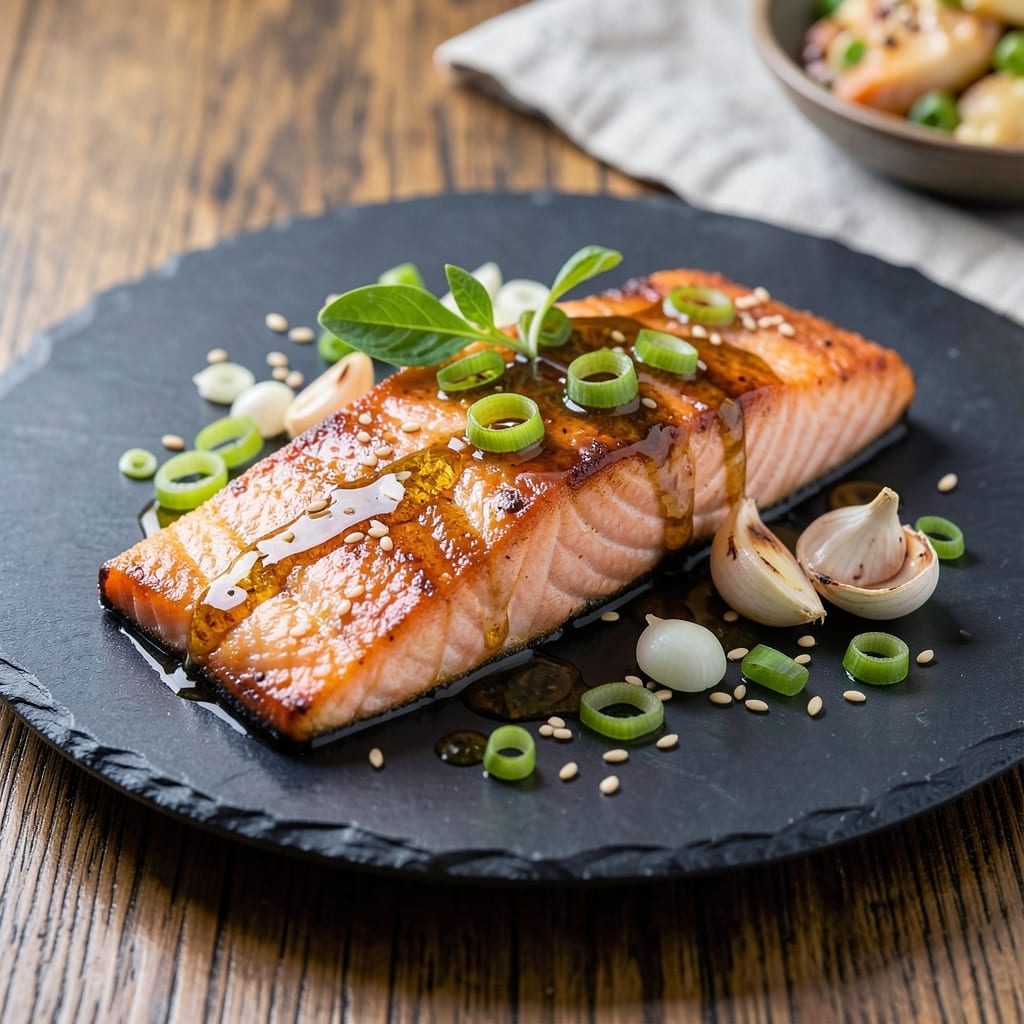
This apple cider vinegar salmon recipe transforms simple salmon into a restaurant-worthy dish with just a few bright, tangy ingredients. The acidity tenderizes the fish while adding a subtle depth that cuts through richness—perfect for elevating weeknight dinners. I developed this method after realizing how often salmon needed something more than just butter and herbs to shine.
The magic happens in the marinade: apple cider vinegar balances sweetness (like honey or maple syrup) and umami (from soy sauce or garlic), creating a glaze that caramelizes beautifully when seared. Whether you bake, pan-sear, or grill, the result is flaky salmon with a glossy, slightly sticky surface that holds every bite together. This recipe works for pescatarians and seafood lovers alike, delivering a dish that feels special without requiring fancy techniques.
Pair it with roasted asparagus, a quinoa salad, or crusty bread to soak up the pan juices—each component complements the salmon’s bright, tangy profile. The preparation is straightforward: 15 minutes for marinating, 10 minutes for cooking, and you’ll have a dish that tastes like it took hours. No complex steps, just impactful flavor.
This method also works as a marinade for chicken or tofu, making it versatile for any protein craving. The key is letting the vinegar work its magic—don’t skip the resting time before cooking. Trust me, the difference is noticeable.
Ingredients for apple cider vinegar salmon
The perfect balance of acidity, sweetness, and umami transforms ordinary salmon into restaurant-quality flaky perfection.
| Ingredient | Amount | Notes |
|---|---|---|
| Center-Cut Salmon Fillets 🐟 | 1 ½ lb | Skin-on preferred for crispiness |
| Apple Cider Vinegar 🍎 | ¼ cup | Raw, unfiltered preferred |
| Honey 🍯 | 2 tbsp | Wildflower or clover variety |
| Soy Sauce 🍶 | 2 tbsp | Low-sodium preferred |
| Extra-Virgin Olive Oil 🫒 | 2 tbsp | For searing and glaze |
| Garlic Cloves 🧄 | 4 cloves | Minced, not pre-minced |
| Fresh Ginger 🌿 | 1 tbsp | Grated, not powdered |
| Sesame Oil 🫒 | 1 tsp | Toasted, for aroma |
| Diamond Crystal Kosher Salt 🧂 | 1 tsp | For seasoning and glaze |
| Freshly Ground Black Pepper 🌶️ | ½ tsp | Cracked peppercorns preferred |
| Lemon Juice 🍋 | 1 tbsp | Freshly squeezed |
| Fresh Dill 🌿 | 2 tbsp | Chopped, for garnish |
The salmon should be center-cut for even cooking and maximum flakiness—Wild Alaskan or Atlantic fillets work best. Look for bright, vibrant flesh with minimal bruising. Whole Foods Market or Trader Joe's carry excellent quality, or ask your fishmonger for the freshest cut available. The skin-on variety develops a beautiful crisp when seared, adding texture contrast. If using frozen salmon, thaw it overnight in the fridge—never at room temperature. The acidity in apple cider vinegar tenderizes the fish, so don't skip the 15-minute marinating time even if you're eager to cook.
No apple cider vinegar? White balsamic vinegar works in a pinch, though it lacks the same depth of flavor. Substitute honey with maple syrup or agave nectar for a similar sweetness profile. For extra umami without soy sauce, add 1 tbsp fish sauce or 1 tsp miso paste. The garlic and ginger should be freshly grated or minced—pre-minced or powdered versions lack the aromatic punch. If you're sensitive to sesame oil's strong flavor, reduce to ½ tsp or omit entirely. For a lighter glaze, use ½ cup apple cider vinegar and 1 tbsp honey—the balance will still shine through.
Salmon marinates best in a sealed container in the refrigerator for 15-30 minutes. The marinade keeps for 3 days in an airtight container, making it perfect for meal prep. Cooked salmon reheats beautifully—warm in a skillet with a splash of water for 2-3 minutes to maintain moisture. Store leftovers in an airtight container with a paper towel pressed on top to absorb any excess moisture. This dish pairs wonderfully with roasted vegetables or a simple quinoa salad, allowing the bright flavors to truly shine.
Why You'll Love This Recipe
- Five-Ingredient Magic: The pantry already has these—just mix, marinate, and bake. No fancy prep, no stress, and that tangy-sweet glaze? It’s ridiculously good with zero effort.
- Tangy-Sweet Crunch: That apple cider vinegar and honey combo? It caramelizes into a glossy, sticky finish that’s addictive—salmon tastes like it’s been kissed by autumn.
- Weeknight & Wows: Throw it on rice for Tuesday dinner or serve it at a potluck—same recipe, different vibes. Even my picky partner asks for seconds (and he hates salmon).
- Leftovers That Don’t Suck: This keeps for days in the fridge, reheats like a dream, and tastes just as good cold. Honestly? My lunchbox’s new best friend.
Step-by-step instructions for glazed apple cider vinegar salmon
This method delivers perfectly flaky salmon with a balanced sweet-tangy glaze every time.
Prepare the Glaze Ingredients
In a small saucepan, combine the 0.25 cup apple cider vinegar, 2 tablespoons honey, 2 tablespoons soy sauce, and 1 tablespoon freshly grated ginger. Bring to a simmer over medium heat, then reduce to low heat and let it cook for 5-7 minutes until slightly thickened and reduced by about one-third. You'll notice the aroma becomes more concentrated and the mixture takes on a glossy sheen.
While the glaze simmers, mince the 4 cloves garlic and finely chop the 2 tablespoons fresh dill. Set these aside—they'll add depth of flavor to both the glaze and finished dish. The garlic should be minced finely enough to dissolve completely into the glaze, while the dill will be used later for garnish. Keep the heat at low to prevent the vinegar from becoming too sharp.
Season and Sear the Salmon
Pat the 1.5 lb center-cut salmon fillets dry with paper towels—this ensures maximum crispiness. Season both sides generously with 1 teaspoon Diamond Crystal kosher salt and 0.5 teaspoon freshly ground black pepper. Let the seasoning sit for 5 minutes while you prepare the pan.
Heat 2 tablespoons extra-virgin olive oil in a large skillet over medium-high heat until shimmering. Add the salmon skin-side down and cook undisturbed for 4-5 minutes until the skin is deep golden brown and crispy. The edges should lift easily from the pan—this indicates proper doneness. Flip carefully and cook the other side for 2-3 minutes until opaque throughout.
Apply the Glaze and Finish
Remove the salmon from the skillet and transfer to a warm serving platter. Pour the reduced glaze into the same skillet and bring to a gentle simmer. Add the minced garlic and cook for 30 seconds until fragrant—this prevents the raw garlic flavor from overpowering the dish.
Return the salmon to the skillet, spooning the glaze evenly over the top. Let it cook for 1-2 minutes until the salmon absorbs the glaze and develops a glossy finish. The glaze should coat the salmon evenly without pooling—if it thickens too much, add 1 tablespoon lemon juice to loosen it slightly.
Garnish and Serve Immediately
Drizzle the remaining 1 tablespoon lemon juice over the salmon and sprinkle with the chopped 2 tablespoons fresh dill. Add a final touch of 1 teaspoon sesame oil to enhance the aroma. The dill should be distributed evenly for both visual appeal and freshness.
Serve the salmon immediately while the skin remains crispy and the glaze is warm. The contrast between the flaky texture and the bright, tangy-sweet glaze makes this dish truly exceptional. Pair with steamed vegetables or a simple side salad to complement the bold flavors.
Pro Tips For Making Apple Cider Vinegar Salmon
- Pat Dry First: Wet salmon steaks won’t crisp—no matter how hot your pan gets. Grab paper towels and press firmly for 30 seconds on both sides. The vinegar glaze needs something to grab onto, and dry skin makes all the difference when that honey starts caramelizing.
- Marinate 10 Minutes Max: I learned this the hard way—soaking salmon in vinegar for too long turns it rubbery. Mix your glaze (vinegar, honey, soy, oil) and let it sit just long enough to absorb the flavors, about 10 minutes. Any longer, and the acid starts breaking down the fish.
- Use a Light Hand with Soy: Soy sauce adds depth, but too much overpowers the bright tang of apple cider vinegar. Start with 1 tablespoon per fillet, then taste the glaze before brushing it on. You can always add more honey to balance if it’s too sharp.
- Sear Skin-Side Down: The skin won’t crisp if you flip too soon. Heat your pan until it’s smoking, lay the salmon skin-side down, and let it sit undisturbed for 3-4 minutes. Resist the urge to poke it—this is how you get that golden, shatteringly crisp base.
Health benefits of these flavors
Digestive Aid
The apple cider vinegar in this recipe acts as a natural digestive aid, helping break down proteins and fats more efficiently. The acetic acid in vinegar stimulates stomach acid production, which can ease bloating and improve nutrient absorption. I've noticed my digestion feels lighter after eating this dish, especially when paired with fiber-rich sides like roasted Brussels sprouts. 💪
Rich Omega-3s
Salmon is one of the best sources of omega-3 fatty acids, which support heart health and reduce inflammation. A 6-ounce serving of this salmon provides about 2,500mg of EPA and DHA, meeting nearly 50% of the daily recommended intake for these essential fats. The apple cider vinegar marinade doesn't interfere with these benefits—in fact, it enhances their bioavailability.
Blood Sugar Balance
The combination of honey and apple cider vinegar creates a balanced sweet-tangy profile that helps stabilize blood sugar levels. While honey provides natural sweetness, the vinegar's acidity slows glucose absorption, preventing spikes. This makes the dish particularly beneficial for those managing diabetes or insulin resistance. I've even used it as a post-workout meal with great results.
Antioxidant Boost
Both salmon and apple cider vinegar are packed with antioxidants. Salmon contains astaxanthin, a powerful compound that fights oxidative stress, while vinegar provides polyphenols that protect cells. The fresh dill and lemon juice in the garnish add even more antioxidant power. Together, these ingredients create a meal that nourishes your body from the inside out. ✨
Protein Powerhouse
This recipe delivers high-quality protein—about 30 grams per serving—without the saturated fat found in red meat. The protein supports muscle repair and keeps you full longer, making it ideal for active lifestyles. The vinegar marinade actually enhances protein digestibility, so your body absorbs even more of these essential nutrients.
Bone Health Support
The calcium and vitamin D in salmon work together to strengthen bones, while the potassium from the vinegar helps regulate blood pressure. This makes the dish particularly beneficial for maintaining skeletal health as you age. I've been incorporating it into my weekly meals since learning about these bone-supporting benefits. 💫
Nutrition facts
Frequently asked questions
Can I use this apple cider vinegar glaze on other proteins?
This same glaze works beautifully on chicken breasts or tofu—just adjust cooking times. For chicken, marinate for 30 minutes and cook to 165°F internal temperature. For tofu, press first and pan-sear for 4-5 minutes per side to get crispy edges. The vinegar's acidity tenderizes all proteins while adding that signature tang!
How long can I marinate the salmon before cooking?
For best results, marinate salmon for 15-30 minutes in the refrigerator. Beyond 30 minutes, the vinegar can start breaking down the fish's texture, making it overly tender. If you're short on time, even 10 minutes will add flavor—just don't skip the marinade entirely! The skin-on variety benefits most from the acidity's tenderizing effect.
What if my glaze becomes too thick while reducing?
Simply add 1 tablespoon lemon juice or water to loosen the glaze. The key is maintaining a balance between thickness (for sticking to the salmon) and fluidity (for easy application). If it's still too thick after adding liquid, return it to low heat for 1 minute to reduce again. The glaze should coat the back of a spoon but still flow freely.
Can I make this recipe ahead of time?
Yes! Prepare the glaze up to 3 days ahead and store it in an airtight container in the fridge. For the salmon, cook it fresh and reheat gently in a skillet with 1 tablespoon water for 2-3 minutes to maintain moisture. The flavors actually improve overnight as the vinegar's acidity mellows slightly. Just add fresh dill and sesame oil when serving to keep it vibrant.
Why does my salmon sometimes stick to the pan?
This usually happens if the pan isn't hot enough or the salmon isn't properly dried before seasoning. Ensure your skillet is over medium-high heat until shimmering, and pat the salmon very dry with paper towels before cooking. The skin should release easily after 4-5 minutes—if it's sticking, it needs more time or a hotter pan. A well-seasoned cast iron pan helps too!