
Sauces & Condiments
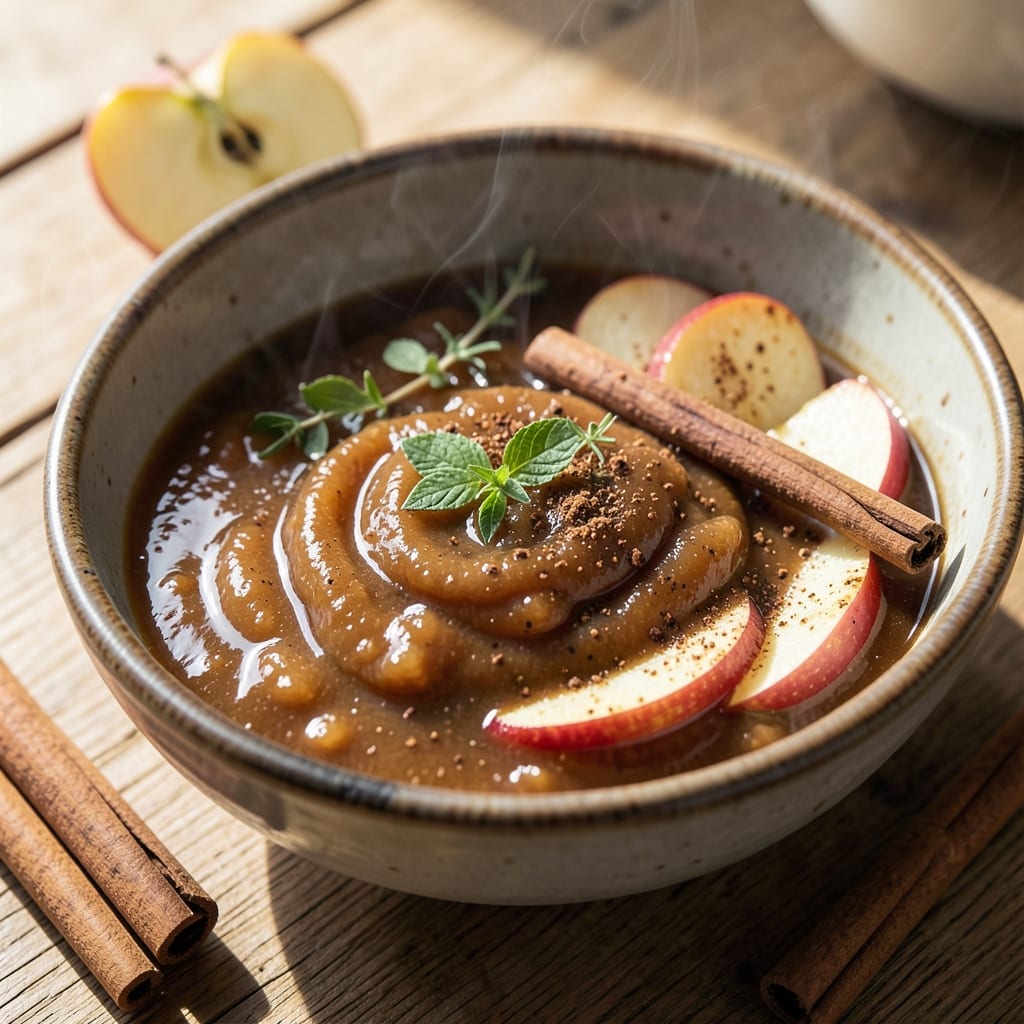
This apple cinnamon barbecue sauce recipe transforms your grill into a fall festival every time you fire it up. 🍎 The perfect balance of smoky, sweet, and spiced flavors comes together in just 30 minutes, with no fancy equipment needed. I developed this sauce after years of experimenting with fruit-based BBQ blends—it's the one that finally convinced even my most skeptical BBQ-loving friends to try something beyond the traditional tomato base.
The secret lies in caramelizing fresh apple chunks with cinnamon and brown sugar before blending them into a velvety sauce. A touch of apple cider vinegar adds brightness, while smoked paprika and liquid smoke deepen the barbecue profile without overpowering the natural sweetness. This isn't your average sticky glaze—it's a complex, multi-layered sauce that works equally well on pork shoulders, chicken wings, or even as a marinade for tofu.
What makes this sauce truly special is its versatility. Use it as a glaze for grilled meats, a dipping sauce for fries, or even a marinade for tenderizing tougher cuts. The flavors develop beautifully over time, making it perfect for meal prep—just store it in the refrigerator for up to two weeks or can it for longer shelf life. Each batch delivers that perfect harmony of apple's natural sweetness and cinnamon's warm spice, with just enough smokiness to satisfy any pitmaster.
The best part? You'll never want to go back to store-bought sauces again. This recipe proves that homemade barbecue sauce can be just as easy as it is impressive, with results that taste like they came from a competition-winning pit. Let's get cooking—your grill is about to become the star of the season.
Ingredients for apple cinnamon barbecue sauce
This smoky-sweet sauce starts with fresh apples and cinnamon—simple ingredients that pack serious flavor punch.
| Ingredient | Amount | Notes |
|---|---|---|
| Fresh Apples 🍎 | 2 medium | Peeled, cored, diced small |
| Cinnamon Sticks 🌿 | 2 whole | Or 1 tbsp ground cinnamon |
| Brown Sugar 🍚 | ½ cup | Packed firmly for sweetness |
| Apple Cider Vinegar 🍶 | ½ cup | Unfiltered for tang |
| Smoked Paprika 🌶️ | 1 tbsp | For deep smoky flavor |
| Liquid Smoke 💨 | ½ tsp | Adjust for smokiness |
| Extra-Virgin Olive Oil 🫒 | ¼ cup | For richness and blend |
| Kosher Salt 🧂 | ½ tsp | Balances sweetness |
| Black Pepper 🌶️ | ¼ tsp | Freshly cracked |
| Water 💧 | ½ cup | For thinning if needed |
The apples are non-negotiable here—Honeycrisp or Fuji work best, with their natural sweetness and firm texture. Local orchards or farmers markets usually have the freshest, most flavorful varieties. If you can't find them, Granny Smith will give you a tangier twist. For the cinnamon, stick form is ideal—it infuses better than ground, but if you're in a pinch, use one tablespoon of high-quality ground cinnamon. Look for Penzeys or McCormick for the best flavor. The brown sugar should be packed firmly—this ensures you get the full sweetness without measuring errors. And that apple cider vinegar? Bragg or Texas Pete are my go-tos—they've got that perfect balance of tang and depth.
No smoked paprika? Regular paprika plus a pinch of cayenne gets you close, but you'll lose some of that deep, smoky character. Liquid smoke is what ties it all together—half a teaspoon gives you that campfire vibe without overpowering. If you're worried about the flavor, start with just a quarter teaspoon and adjust to taste. The olive oil is where you can splurge—California Olive Ranch or Bertolli have the best fruity notes that won't turn bitter when heated. Short on time? Coconut oil works in a pinch, but it has a slightly different flavor profile. And if your sauce turns out too thick, that half cup of water is your secret weapon—add it a little at a time until you reach that perfect glaze consistency.
This sauce keeps beautifully—up to two weeks in the fridge if you store it in a clean, airtight jar. The flavors actually develop and deepen over time, so it tastes even better the next day. For longer storage, canning is your best bet—just follow standard water bath canning procedures. I like to make a double batch and freeze half in ice cube trays. Once frozen, pop them out and store in a freezer bag. Thaw overnight in the fridge before using—no need to defrost quickly. And if you've got leftovers on your grill, brush them with extra sauce and let it caramelize—it's the best part of the meal.
Why You'll Love This Recipe
- Fewer Ingredients, More Magic: I swear by this—just five things: apples, cinnamon sticks, brown sugar, vinegar, and smoked paprika. That’s it. No fancy pantry raids, no hunting for obscure spices. Honestly, if I’ve got those in my kitchen, I’ve got a sauce.
- Sweet-Smoky Umami Bomb: The apples caramelize into something deep and rich, while the cinnamon sticks infuse that warm, cozy spice. Then the smoked paprika hits—just enough to make it feel like a campfire in a jar. (Yes, even on a Tuesday night.)
- Weeknight to BBQ Hero: Slather it on grilled chicken for dinner, toss it with roasted veggies for lunch, or drizzle it over baked beans for a crowd. Between us, I’ve even used it as a glaze for pork chops when I’m in a hurry. It’s my secret weapon for making everything feel special.
- Makes Leftovers Worth It: This sauce actually improves the next day—thicker, deeper, and even more addictive. I double the batch on purpose, freeze half, and still come back for seconds. Not the prettiest, but the taste makes up for it every time.
Step-by-step instructions for apple cinnamon barbecue sauce
Here's how to blend smoky apple sweetness into the perfect glaze for your grill.
🍳 Step 1: Sauté Apples Until Soft and Fragrant
Heat the extra-virgin olive oil in a medium saucepan over medium heat. Add the 2 medium fresh apples (peeled, cored, and diced small) and cook for 5-6 minutes, stirring occasionally. You'll see the apples begin to soften and release their natural juices—this is when they start to caramelize slightly.
Here's the thing—don't rush this step. You want the apples to break down just enough to release their sweetness but still maintain some texture. If they start to brown too quickly, reduce the heat slightly. Once the apples are tender and the edges are just beginning to soften, add the 2 whole cinnamon sticks and let them infuse for 2 minutes. You'll smell that warm cinnamon aroma filling your kitchen—that's when you know you're on the right track.
🍳 Step 2: Build the Sauce Base with Vinegar and Sugar
Pour in the 0.5 cup apple cider vinegar and 0.5 cup packed brown sugar, stirring constantly. The mixture will bubble up as the vinegar heats, and you'll notice the sugar begin to dissolve. Let this simmer together for 3-4 minutes until the sugar is fully incorporated and the mixture starts to thicken slightly.
This is where the magic happens—the vinegar cuts through the sweetness while the sugar caramelizes, creating that perfect balance. You're aiming for a syrupy consistency, but not so thick it won't coat your meats. If it starts to get too thick before you're ready, add 1-2 tablespoons of water to loosen it up. The sauce should coat the back of a spoon smoothly.
🔥 Step 3: Add Smoky Depth with Paprika and Liquid Smoke
Stir in the 1 tablespoon smoked paprika and 0.5 teaspoon liquid smoke, mixing well to distribute those smoky flavors evenly. Let the sauce simmer for another 3-4 minutes—this gives the spices time to bloom and infuse fully. You'll notice the color deepening slightly as the paprika disperses and the liquid smoke adds that unmistakable barbecue aroma.
I know it seems like a small amount of liquid smoke, but trust me—it's just enough to give that authentic smoky depth without overpowering the apple-cinnamon flavor. If you're using ground cinnamon instead of sticks, add it now and let it steep for the same amount of time. The sauce should now smell like a perfect blend of sweet, tangy, and smoky—like a fall barbecue in a bottle.
🥘 Step 4: Season and Simmer to Perfection
Add the 0.5 teaspoon kosher salt and 0.25 teaspoon black pepper, then give everything one final stir. Let the sauce simmer gently for 5-7 minutes more, stirring occasionally. The sauce should reduce slightly, becoming thicker and more concentrated in flavor. You're looking for a consistency that's thick enough to glaze but still pourable—like honey or light syrup.
Here's where you can adjust the thickness: if it's too thick, add 1-2 tablespoons of water at a time until it reaches your desired consistency. If it's too thin, simmer it uncovered for another 2-3 minutes to reduce it. The sauce should coat the back of a spoon but still flow freely when poured. Taste and adjust the seasoning if needed—you might want a touch more salt or a hint of extra vinegar for tang.
⏰ Step 5: Strain and Cool Before Using
Remove the sauce from heat and let it cool for 5 minutes. Then, strain it through a fine-mesh sieve to remove the cinnamon sticks (and any apple chunks if you prefer a smooth texture). This step ensures your sauce is silky smooth and ready to glaze. Transfer the strained sauce to a clean jar or bowl and give it one last taste—it should be perfectly balanced between sweet, smoky, and tangy.
Let the sauce cool completely before using it on your meats. The flavors will meld even more as it sits, and the consistency will settle. This sauce keeps well in the refrigerator for up to 2 weeks, so you can make a big batch and have it ready for your next grilling session. The perfect glaze for pork ribs, chicken, or even as a dipping sauce—this apple cinnamon barbecue sauce is a game-changer!
Pro Tips For Making Apple Cinnamon Barbecue Sauce
- Simmer Low and Slow: I learned this the hard way—rushing the sauce on high heat turns it into syrup. Keep it at a gentle bubble (around 180°F) for 20-25 minutes to let the apple flavors meld and the cinnamon infuse properly. The longer it simmers, the deeper the flavor, even if it means you’ll be checking it like a hawk.
- Core the Apples Properly: Skip the messy peeling—just quarter and core them, leaving the skin on for texture. But here’s the thing: if you don’t remove the core completely, you’ll end up with a chunky sauce and a bitter aftertaste. Use a sharp paring knife and dig out every last bit, even if it takes an extra minute.
- Balance the Vinegar: Apple cider vinegar is the backbone, but too much and your sauce tastes sharp and unfinished. Start with ¼ cup, taste as you go, and add just 1 tablespoon at a time. You’re aiming for tangy, not sour—think of it as the seasoning that wakes up the sweetness, not overpowers it.
- Toast the Cinnamon Sticks: Crank your stove to medium-high, add the cinnamon sticks, and let them sizzle for 30 seconds until fragrant. This releases oils that’ll make your sauce smell like autumn. Just don’t walk away—burnt cinnamon turns the whole batch bitter, and you’ll regret it. (Yes, even if you’re impatient like me.)
Troubleshooting your apple cinnamon barbecue sauce
Sauce Too Thin?
If your sauce ends up too watery, don’t panic—simmering is your best friend. After removing it from heat, pour the sauce into a shallow saucepan and cook over medium-low heat for 5-10 minutes, stirring occasionally. The liquid will evaporate, thickening the sauce naturally. For an extra boost, add 1 teaspoon of cornstarch mixed with 1 tablespoon cold water, stir in, and cook for another 2 minutes. This trick works like magic for restoring that perfect glaze consistency. 🔥
Sauce Too Thick?
Thick sauce happens when the sugar caramelizes too quickly or you forgot to thin it earlier. Fix it by adding 1-2 tablespoons of water or apple cider vinegar at a time, stirring well after each addition. For a smoother texture, blend the sauce briefly with an immersion blender to break up any lumps. If it’s still too stiff, simmer it uncovered for 3-5 minutes to let excess moisture evaporate. Pro tip: Thin it gradually—you can always thicken again later, but you can’t un-thin a sauce!
Liquid Smoke Overpowering?
Too much liquid smoke can turn your sauce into a smoky bomb rather than a balanced glaze. If this happens, balance it by adding ½ teaspoon of vanilla extract or 1 teaspoon of honey to mellow the intensity. A splash of apple cider vinegar also helps cut through the smoke. Start with small amounts—you can always add more, but you can’t undo the smoke once it’s in. This is why I always recommend starting with just ¼ teaspoon if you’re unsure about the flavor.
Apple Flavor Too Mild?
If your sauce lacks apple punch, you likely didn’t caramelize the apples enough. Next time, cook them for 8-10 minutes until they’re deeply golden and soft. For an instant boost, add 1 teaspoon of apple pie spice or ½ teaspoon of ground cinnamon to deepen the flavor. A splash of apple juice (about 2 tablespoons) can also enhance the fruity notes. Remember, the longer you cook the apples, the more their natural sweetness and aroma infuse into the sauce.
Sauce Separating?
Separation usually happens when the sauce cools too quickly or sits for too long. To fix it, gently reheat the sauce over low heat while stirring constantly. If it still separates, whisk in 1 tablespoon of olive oil or a small dollop of mayonnaise to emulsify it. For prevention, always store your sauce in an airtight container in the fridge, and give it a good stir before using. This keeps the ingredients happily suspended and ready to glaze.
Cinnamon Flavor Missing?
If your sauce lacks warmth, your cinnamon sticks might not have infused properly. Next time, crush them lightly with the side of a knife before adding to release more flavor. For an extra kick, add ½ teaspoon of ground cinnamon after straining the sauce. A pinch of nutmeg or cardamom can also add depth. And remember—whole cinnamon sticks infuse better than ground, so always opt for sticks when possible. The longer they steep, the more flavor they’ll impart! 🌿
Nutrition facts
Frequently asked questions
Can I use dried apples instead of fresh?
Fresh apples work best for that natural sweetness and texture, but you can use dried apples in a pinch. Soak ¼ cup dried apples in ½ cup hot water for 15 minutes to rehydrate, then drain and use in place of fresh. The flavor will be concentrated, so reduce the brown sugar to ¼ cup to balance sweetness. The sauce will be slightly thicker, so thin with extra vinegar or water as needed.
How can I make this sauce spicier?
Add heat with ½ teaspoon cayenne pepper or 1 teaspoon chipotle powder when you add the smoked paprika. For a smoky kick, swap out ½ teaspoon of the liquid smoke for ½ teaspoon chipotle powder in adobo sauce. If you love bold flavors, try adding 1 teaspoon of hot sauce at the end—just taste first! The sauce should still maintain its sweet-spicy balance.
Can I use this sauce for non-meat dishes?
This sauce works beautifully as a glaze for tofu, vegetable skewers, or even drizzled over baked sweet potatoes. For a dessert twist, brush it on apple cobbler or pumpkin muffins before baking. The smoky-sweet flavor pairs well with cheese boards too—try pairing it with sharp cheddar and walnuts. The possibilities are endless beyond the grill!
What's the best way to store leftover sauce?
Store in an airtight glass jar in the fridge for up to 2 weeks. For longer storage, can it using standard water bath canning methods (process for 10 minutes in a boiling water bath). Freeze extra sauce in ice cube trays—pop out thawed cubes for quick glaze additions. Always let the sauce cool completely before storing to prevent condensation. The flavors actually improve over time!
Can I make this sauce without liquid smoke?
Yes! Replace the ½ teaspoon liquid smoke with ½ teaspoon smoked salt or 1 teaspoon smoked paprika. For a deeper smoky flavor without artificial smoke, add ½ teaspoon of coffee granules (they add a subtle smokiness) or 1 teaspoon of beet powder. The sauce will still have that warm, spiced character—just with a different smoky profile.